

2026 Boiler Upgrade Scheme: What It Means for Spare Parts & Servicing
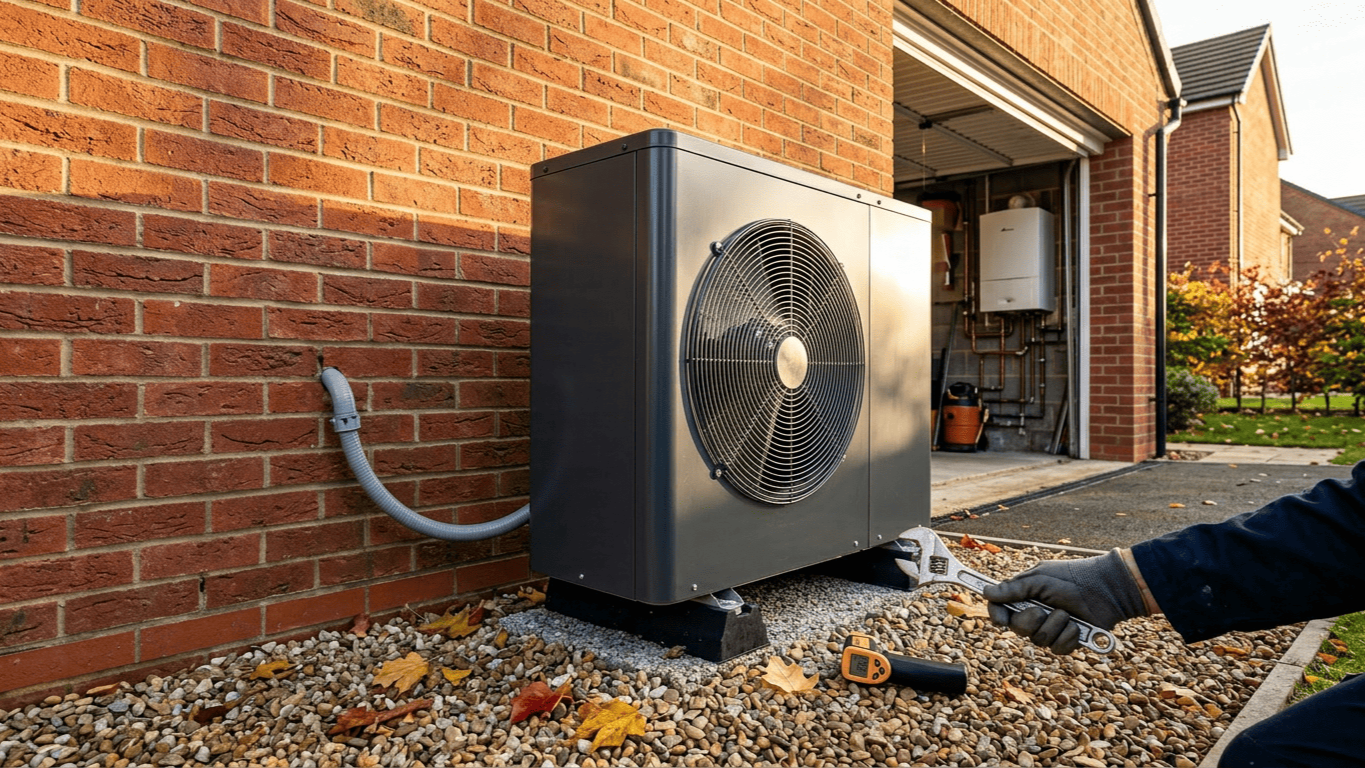
The boiler upgrade scheme 2026 represents a significant shift in how heating engineers will approach system replacements, spare parts procurement, and ongoing maintenance contracts. With gas boilers facing a phase-out timeline and heat pumps taking centre stage, the implications for day-to-day servicing work are substantial and often misunderstood.
For installers and service engineers, this isn't just about swapping one appliance for another. It's about understanding how the scheme's financial incentives will reshape customer demand, which legacy components will remain critical for years to come, and how to position your business for a hybrid landscape where gas boilers and heat pumps coexist.
Switching from gas to low-carbon heating is a lot like the transition from manual to electric cars. While the core purpose of getting from A to B remains the same, the mechanics under the bonnet require a completely different set of tools and a new way of thinking about performance.
The 2026 Scheme Framework: What's Actually Changing
The boiler upgrade scheme 2026 builds on the existing grant structure but introduces tighter eligibility criteria and increased financial support for low-carbon heating technologies. Homeowners can access grants of up to £7,500 for an air source heat pump or biomass boiler, with the scheme extended to cover more property types, including those off the gas grid.
What matters for engineers? The scheme doesn't ban gas boilers outright in 2026. That's a common misconception. Instead, it accelerates the economic case for heat pump installations by reducing upfront costs, making them competitive with traditional boiler replacements in many scenarios.
The practical effect? You'll see a growing split in your workload. High-value new-build and retrofit projects will increasingly specify an air source heat pump. But the existing installed base of gas boilers will require servicing, repairs, and component replacement for at least another 15-20 years.
Spare Parts Demand: The Long Tail Of Gas Boiler Support
Here's the reality: even if every new heating installation from 2026 onwards were a heat pump, the demand for gas boiler spare parts will remain robust well into the 2040s. Homeowners will continue to repair their combi boiler rather than replace it until the unit fails catastrophically.
Critical spare parts categories will include:
- Boiler heat exchanger: These remain the highest-value replacement component, particularly for condensing boilers where corrosion causes premature failure.
- Pumps and circulators: Brands like Grundfos dominate this space, and their reliability is well-recognised in the trade.
- Expansion vessels: Frequently overlooked during servicing, yet a common cause of pressure loss.
- Control boards and sensors: These electronic components have shorter lifespans than mechanical parts.
A boiler heat exchanger is essentially the heart of the system; when it goes, the bill usually makes a replacement look attractive, but under the boiler upgrade scheme 2026, homeowners may choose to repair to delay the capital outlay of a full transition.
Heat Pump Servicing: A Different Skill Set
Switching to heat pump maintenance isn't just a case of reading a new manual. The diagnostic approach differs fundamentally from gas boilers, and the component-level understanding required is closer to commercial refrigeration than traditional heating work.
Key differences include:
- Refrigerant handling: You'll need F-Gas certification to work on sealed refrigerant systems. This isn't optional, and the regulations are strictly enforced.
- Electrical complexity: Heat pumps are electrically driven, with multiple sensors and defrost cycles that require systematic fault-finding.
- Hydraulic integration: Many installations use buffer tanks, weather compensation, and heating controls to ensure the system balance is right.
Proper refrigerant handling is the most critical hurdle for traditional gas engineers. I remember an apprentice who tried to treat a refrigerant leak like a standard water drip. He quickly learned that without the right gauges and recovery equipment, you're not just failing to fix the problem; you're actively breaking the law.
Positioning Your Business For The Transition
The boiler upgrade scheme 2026 creates a fork in the road for heating engineers. Some will double down on gas boiler servicing, banking on the long tail of the installed base. Others will pivot hard towards heat pump installation and maintenance.
For gas boiler servicing:
- Build relationships with reliable boiler spares suppliers who can source obsolete components quickly.
- Offer extended maintenance contracts that include priority parts access.
- Educate customers on the realistic lifespan of their existing systems.
For heat pump work:
- Invest in training early. MCS certification, F-Gas, and manufacturer-specific courses will become table stakes.
- Partner with electrical contractors if your team lacks the electrical competency.
- Focus on retrofit projects where you can demonstrate genuine energy savings.
The Hybrid Approach: Gas Boilers And Heat Pumps Coexisting
Not every property is suitable for a full heat pump retrofit, and the boiler upgrade scheme 2026 acknowledges this implicitly. A hybrid heating system-combining a heat pump with a gas boiler-offers a pragmatic middle ground, particularly for properties with high heat demand.
In a hybrid heating system, the heat pump handles base load heating during milder weather, while the gas boiler kicks in during peak demand. This reduces gas consumption by 60-80% compared to a boiler-only system, while avoiding the cost and disruption of full radiator upgrades.
From a servicing perspective, hybrid systems require competency in both technologies. You're maintaining two heat sources, each with their own control logic. But the market for these installations is growing fast, especially in sectors where water heating systems must remain operational at all times.
Customer Communication: Managing Expectations
One of the biggest challenges with the boiler upgrade scheme 2026 isn't technical; it's managing customer expectations. Homeowners often hear "free money" and assume a heat pump will drop into their existing setup with no other changes.
The reality is that a properly specified heat pump often requires upgraded radiators, improved insulation, and sometimes larger pipework to handle higher flow rates. These additional costs can erode the perceived value of the grant. As an engineer, your role is to provide honest, evidence-based advice. Walk customers through the full scope of work, and if they're looking for a smart trv or similar control upgrades to improve their current efficiency, show them how it fits into the long-term plan.
Sourcing Parts In A Changing Market
The boiler upgrade scheme 2026 will accelerate demand for heat pump components, but it will also create short-term supply bottlenecks. Manufacturers are ramping up production, but lead times for key components have already extended in some cases.
Building strong relationships with suppliers who understand this landscape is critical. Whether you're sourcing a heating system control or heat pump-specific components, having a partner who can maintain stock availability will give you a competitive edge.
Conclusion
The boiler upgrade scheme 2026 isn't a hard cutoff. It's a signpost on a longer journey towards decarbonised heating. For heating engineers, the next five years will be defined by coexistence, with gas boilers and heat pumps operating side by side.
Your success in this landscape depends on technical competency, strong supplier relationships, and clear communication. The engineers who adapt early will be the ones leading the market in 2026 and beyond.
If you're ready to prepare your business for these changes, please speak to our team to discuss how we can support you with the latest components and technical advice.