

AAV (Automatic Air Vent) Installation in Heating Systems
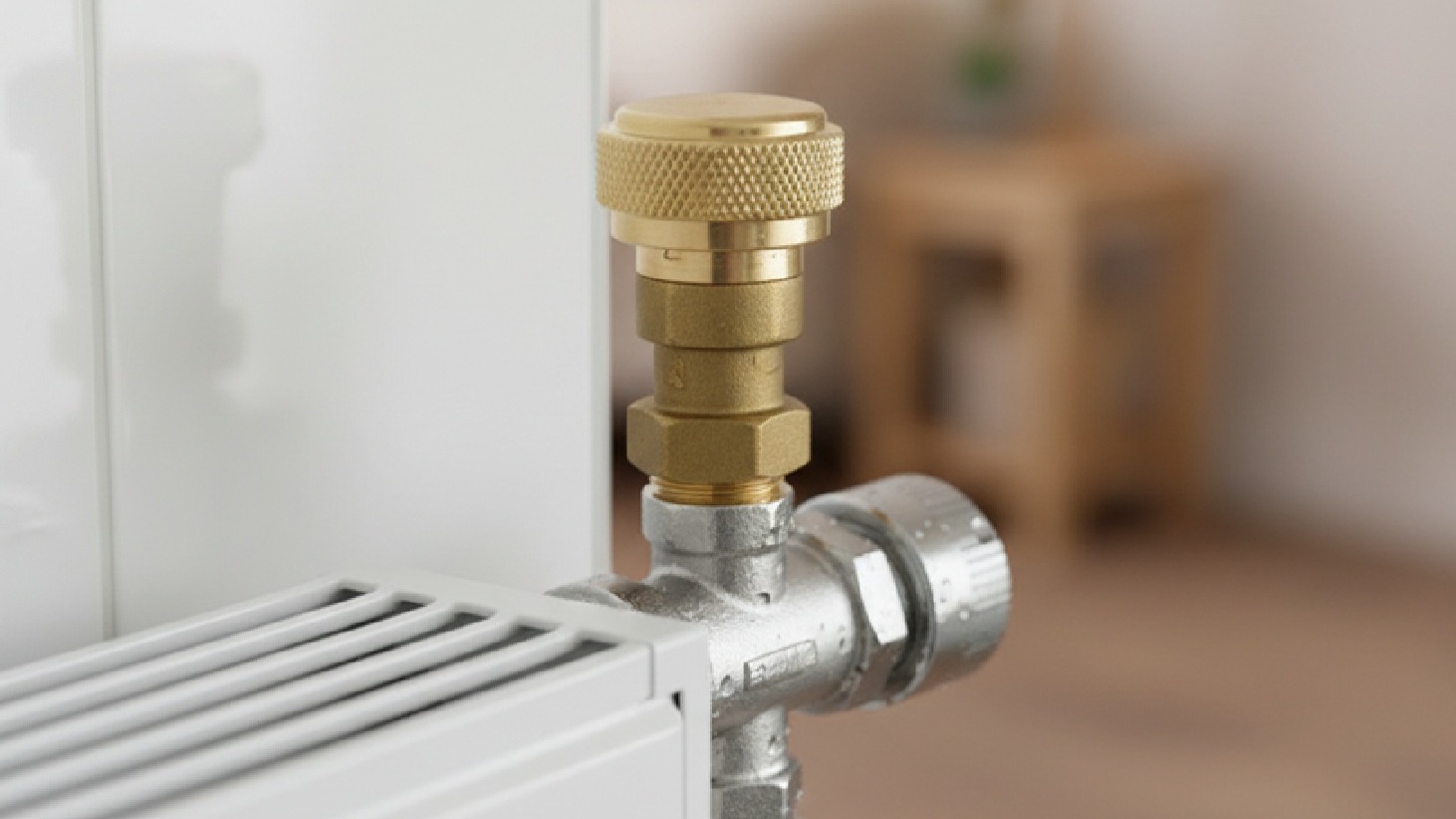
Air trapped in heating systems causes more than just annoying gurgling noises. It creates cold spots on radiators, reduces system efficiency by up to 30%, and forces boilers to work harder, shortening their lifespan. Automatic air vents and heating systems solve this problem without the weekly ritual of manually bleeding radiators.
These small brass devices sit at high points in heating circuits, continuously releasing trapped air whilst preventing water from escaping. Unlike manual bleed valves that require homeowner intervention, automatic air vents work silently in the background, maintaining optimal system performance year-round.
Why Air Gets Trapped in Heating Systems
Fresh water entering heating systems contains dissolved oxygen. As water heats up, this oxygen separates and forms bubbles that naturally rise to high points in the pipework. Radiators, towel rails, and pipe runs in lofts become collection points for these air pockets.
Older systems suffer more from this issue. Corrosion inside radiators and pipework generates hydrogen gas, which accumulates just like oxygen. Microbubbles merge into larger pockets that block water flow, creating cold zones and reducing heat output.
The problem compounds over time. A radiator that's 20% full of air delivers roughly 40% less heat because water can't circulate through the blocked sections. Boilers detect the reduced flow rate and cycle on more frequently, wasting energy and increasing wear on components.
How Automatic Air Vents Work
The mechanism inside an automatic air vent is elegantly simple. A small float chamber contains a plastic or metal float connected to a valve. When air enters the chamber, the float drops, opening the valve and releasing the air. As water fills the chamber, the float rises and seals the valve, preventing water from escaping.
Quality automatic air vents heating components from manufacturers like Altecnic use brass bodies and stainless steel internals that resist corrosion. The float mechanism operates under spring tension, creating a positive seal even when system pressure fluctuates.
The venting process happens gradually. Small amounts of air released continuously rather than in sudden bursts. This prevents pressure spikes and maintains stable system operation. Most homeowners never notice the vents working because they operate silently and require no interaction.
Where to Install Automatic Air Vents
High points in the heating system need automatic air vents. Air naturally migrates upward, so these locations accumulate the most trapped gas. The most critical positions include:
Top of vertical pipe runs: Any vertical section of pipework, especially those running through multiple floors, needs a vent at the highest accessible point. Loft spaces often contain these critical locations.
Radiator tops: Whilst radiators typically have manual bleed valves, automatic vents can replace them on radiators in difficult-to-reach locations. Stairwell radiators and those behind furniture benefit most from this upgrade. Column radiators from manufacturers like Myson particularly benefit from automatic venting in hard-to-reach locations.
Manifold high points: Underfloor heating manifolds should have automatic air vents fitted to the flow and return bars. These systems are particularly prone to air accumulation because of the horizontal pipe runs and multiple circuits.
Buffer vessels and thermal stores: Large water storage vessels need vents at their highest connection point. These vessels can trap significant air volumes that reduce their effective capacity. Quality cylinders from Gledhill and Kingspan require proper venting to function efficiently.
The positioning matters as much as the location. Automatic air vents must sit perfectly vertical with the vent cap pointing straight up. Any angle prevents the float mechanism from seating properly, causing water leaks.
Installation Process for Heating Circuit Vents
Installing automatic air vents requires careful preparation following proper automatic air vent installation procedures. The system must be fully drained or isolated at the installation point. For radiator replacement, closing both radiator valves and draining that single radiator suffices. For main circuit work, the entire system needs to be drained to below the installation point.
Clean threads prevent leaks. Use a wire brush to remove any debris, old sealant, or corrosion from the threads where the vent will fit. Check the thread type as most UK heating systems use BSP (British Standard Pipe) threads, typically 1/2 inch for radiator applications.
Wrap threads with PTFE tape, applying 10-15 wraps in a clockwise direction when viewing the male thread end-on. This ensures the tape tightens as you screw in the vent rather than bunching up. Some installers prefer jointing compound for high-temperature applications, particularly on boiler and cylinder connections.
Screw the automatic air vent in by hand initially, ensuring it starts threading correctly. Tighten with a spanner, but avoid over-tightening. Brass bodies can crack under excessive force. The vent should feel snug but not require significant effort to tighten that final quarter turn.
Check the vent sits vertical using a small spirit level. If the fitting angle leaves the vent tilted, an angled adapter or elbow joint corrects the orientation. Pipe fittings and connectors specifically designed for heating systems ensure compatibility with system pressures and temperatures.
Automatic Air Vents on Radiators
Replacing manual radiator bleed valves with automatic vents suits specific situations. Radiators in guest rooms, behind heavy furniture, or at height benefit most. The convenience of never bleeding these radiators outweighs the slightly higher component cost.
Remove the existing bleed valve with a radiator key or appropriate spanner. Most bleed valves use a 1/2 inch BSP thread. Have a container ready because residual water will drain from the radiator even if you've closed both valves.
Thread the automatic vent into the radiator boss, ensuring you achieve a vertical orientation. Some radiators have angled bosses that naturally position vents correctly. Others may need a short extension nipple or angled adapter.
One consideration: automatic air vents heating radiators need accessible locations. If the vent mechanism fails, you'll need to reach it for replacement. Radiators tucked into tight alcoves might not provide sufficient access for future maintenance.
Fitting Vents to Pipe Runs and High Points
Main heating circuits often have high points in loft spaces or at the top of vertical pipe runs. These locations accumulate significant air volumes and cause the most severe circulation problems. Installing automatic air vents here delivers the biggest performance improvement.
Identify the true high point by tracing pipe runs. Sometimes pipes run through ceiling voids or boxing, making the highest point less obvious. A thermal imaging camera helps identify cold sections that indicate trapped air.
For existing systems, fitting a vent requires adding a tee piece at the high point. This means cutting the pipe, which requires full system drainage. Use compression fittings for copper pipe or push-fit connectors from manufacturers like Polypipe for plastic systems. The tee branch should point vertically upward.
Fit a short length of pipe into the tee branch, then attach the automatic air vent. This arrangement allows easier replacement if the vent fails. Soldering the vent directly to pipework makes future maintenance difficult because heat damages the internal float mechanism.
Expansion vessels and system components from Altecnic work alongside automatic air vents to maintain stable system pressure. Both components contribute to optimal system performance.
Underfloor Heating Applications
Underfloor heating systems generate more trapped air than traditional radiator circuits. The horizontal pipe runs, greater water volume, and lower operating temperatures create ideal conditions for air accumulation. Automatic air vent installation on underfloor systems is essential rather than optional.
Fit automatic air vents to both the flow and return manifold bars. Most manifolds include dedicated ports for air vents at the highest point of each bar. If your manifold lacks these ports, retrofit kits are available that replace standard blanking plugs with vent connections.
Underfloor heating systems using screed or overlay panels take weeks to fully degas. Automatic air vents work throughout this period, removing air as it slowly releases from the screed and pipe surfaces. Manual bleeding would require daily intervention during commissioning.
Maintenance and Common Issues
Automatic air vents need minimal maintenance but aren't entirely fit-and-forget. The float mechanism can stick if debris enters the chamber or if limescale builds up in hard water areas. Annual visual checks ensure vents remain functional.
Look for water staining around the vent cap. This indicates the valve isn't sealing properly, either because the float is stuck or the valve seat has degraded. Gently tap the vent body sometimes frees stuck floats, but persistent leaking requires replacement.
Some vents feature removable caps that allow access to the float chamber. Cleaning the chamber and float with warm water removes limescale deposits. Never use abrasive materials that might damage the valve seat or float surface.
In very hard water areas, consider fitting a scale inhibitor to the heating system. This protects not just automatic air vents but also pumps, heat exchangers, and other components. Grundfos circulator pumps particularly benefit from scale-free operation, maintaining their efficiency over many years.
Systems with corrosion inhibitor dosed correctly experience fewer vent problems. The inhibitor prevents internal corrosion that generates hydrogen gas, reducing the volume of gas requiring venting. Danfoss recommends checking inhibitor concentration annually using test strips.
Choosing Quality Components
Not all automatic air vents perform equally. Cheap versions use plastic bodies and basic float mechanisms that fail within months. Quality brass-bodied vents from established manufacturers last for decades with minimal issues.
Check the maximum working pressure and temperature ratings. Most domestic heating systems operate at 1.5 bar and 80°C, but safety margins matter. Vents rated to 3 bar and 110°C provide reassurance that they'll cope with pressure surges and high-temperature zones near boilers.
The internal float material affects longevity. Plastic floats can absorb water over time, becoming too heavy to rise properly. This causes the vent to drip water continuously. Stainless steel or foam-filled plastic floats resist water absorption and maintain their buoyancy indefinitely.
Some automatic air vents include isolation caps that allow temporary sealing. These caps screw down onto the vent mechanism, preventing air release during system maintenance. This feature proves useful when working on other parts of the system without wanting to drain down completely.
System Performance Improvements
Properly installed automatic air vents heating systems transform performance. Radiators heat evenly from top to bottom, delivering their full rated output. Boilers run less frequently because the system absorbs and distributes heat more efficiently.
Energy savings typically range from 10-15% in systems with significant air accumulation problems. The exact saving depends on how much air was trapped and where. Systems that required weekly manual bleeding see the most dramatic improvements.
Pump noise often reduces after fitting automatic air vents. Pumps cavitate when they encounter air pockets, creating rattling or grinding sounds. Continuous air removal keeps pumps running smoothly and extends their service life. Gledhill cylinders with integrated heating coils particularly benefit from air-free operation.
Boiler cycling frequency decreases because the system maintains stable flow rates. Frequent cycling causes wear on ignition systems, gas valves, and heat exchangers. Reducing cycle frequency extends boiler lifespan and maintains efficiency. Modern boilers from Andrews and Morco operate more efficiently in properly vented systems.
Integration with Modern Controls
Modern heating controls from manufacturers like EPH Controls and Honeywell assume systems operate air-free. Smart thermostats and weather compensation systems calculate optimal flow temperatures based on heat demand. Trapped air disrupts these calculations, causing comfort issues and efficiency losses.
Automatic air vents ensure control systems receive accurate feedback from temperature sensors. Air pockets create false readings because sensors detect air temperature rather than water temperature. This causes controls to misinterpret system performance and make incorrect adjustments.
Zone valves and thermostatic radiator valves also function better in air-free systems. These devices modulate flow based on heat demand, but trapped air prevents proper flow modulation. The result is rooms that overheat or never reach the target temperature despite the controls working correctly.
Professional Installation Considerations
Whilst competent DIY enthusiasts can fit automatic air vents to radiators, main circuit work requires professional expertise. Gas Safe-registered engineers should handle any work near boilers or involving system drainage. Incorrect automatic air vent installation can cause leaks, system contamination, or safety issues.
Professional installers assess the entire system layout before positioning vents. They identify all high points, consider future access requirements, and ensure vent locations don't interfere with other components. This holistic approach prevents problems that emerge from poorly planned installations.
System flushing before fitting automatic air vents removes debris that might damage the float mechanism. Power flushing clears sludge and magnetite that accumulates over the years, protecting new components and improving overall performance. Andrews boilers particularly benefit from operating in clean systems.
Cost Versus Benefit Analysis
Quality automatic air vents cost between £10 and £ 30, depending on size and specification. Installation labour adds to this cost, particularly for main circuit locations requiring pipework modifications. However, the investment pays back through reduced energy bills and improved comfort.
Consider a typical three-bedroom house with 10 radiators. If trapped air reduces system efficiency by 15%, the annual heating bill increases by roughly £150-200 based on average UK energy costs. Two or three strategically placed automatic air vents costing £60 in materials plus installation labour pay for themselves within a heating season.
The convenience factor matters too. Eliminating weekly radiator bleeding saves time and prevents the mess of water spillages. For landlords managing multiple properties, automatic air vents reduce maintenance callouts and tenant complaints about cold radiators.
System Circulation and Pump Performance
Automatic air vents heating systems work in harmony with circulation equipment to maintain optimal performance. Grundfos pumps and Lowara pumps operate more efficiently when systems remain air-free.
Air pockets cause pumps to work harder, increasing noise and reducing efficiency. Variable-speed pumps adjust their output based on system resistance, but trapped air creates false resistance readings. This causes pumps to run faster than necessary, wasting electricity and increasing wear.
Proper automatic air vent installation throughout the system ensures pumps encounter consistent water flow. This allows them to operate at designed efficiency levels, reducing electricity consumption and extending component life.
Achieving Long-Term Reliability
Automatic air vents heating systems transform from high-maintenance to self-regulating. These simple devices continuously remove trapped air that reduces efficiency, causes cold spots, and increases energy bills. Installation at strategic high points ensures optimal system performance without ongoing manual intervention.
The technology suits both new installations and retrofit applications. Whether you're commissioning a new underfloor heating system or improving an existing radiator circuit, automatic air vents deliver measurable benefits. Radiators heat evenly, boilers cycle less frequently, and energy consumption drops.
Quality components from established manufacturers provide decades of reliable service. Brass bodies, stainless steel internals, and properly designed float mechanisms withstand the demanding environment inside heating systems. Annual visual checks ensure vents remain functional, but they generally require no maintenance.
The modest investment in automatic air vents pays back through lower energy bills, improved comfort, and reduced maintenance time. Systems operate as designers intended, with controls receiving accurate feedback and components working within their optimal parameters. For anyone tired of bleeding radiators or dealing with uneven heating, automatic air vents offer a permanent solution that works silently in the background, maintaining peak system performance year after year.
For quality automatic air vents heating components, and expert guidance on automatic air vent installation, Heating and Plumbing World supplies certified products suitable for both domestic and commercial heating systems. If you need specific advice on vent selection or installation locations, get in touch for expert recommendations ensuring your heating system operates at peak efficiency.