

Altecnic Robocal Automatic Air Vent: Positioning On Commercial Cylinder Primary Circuits
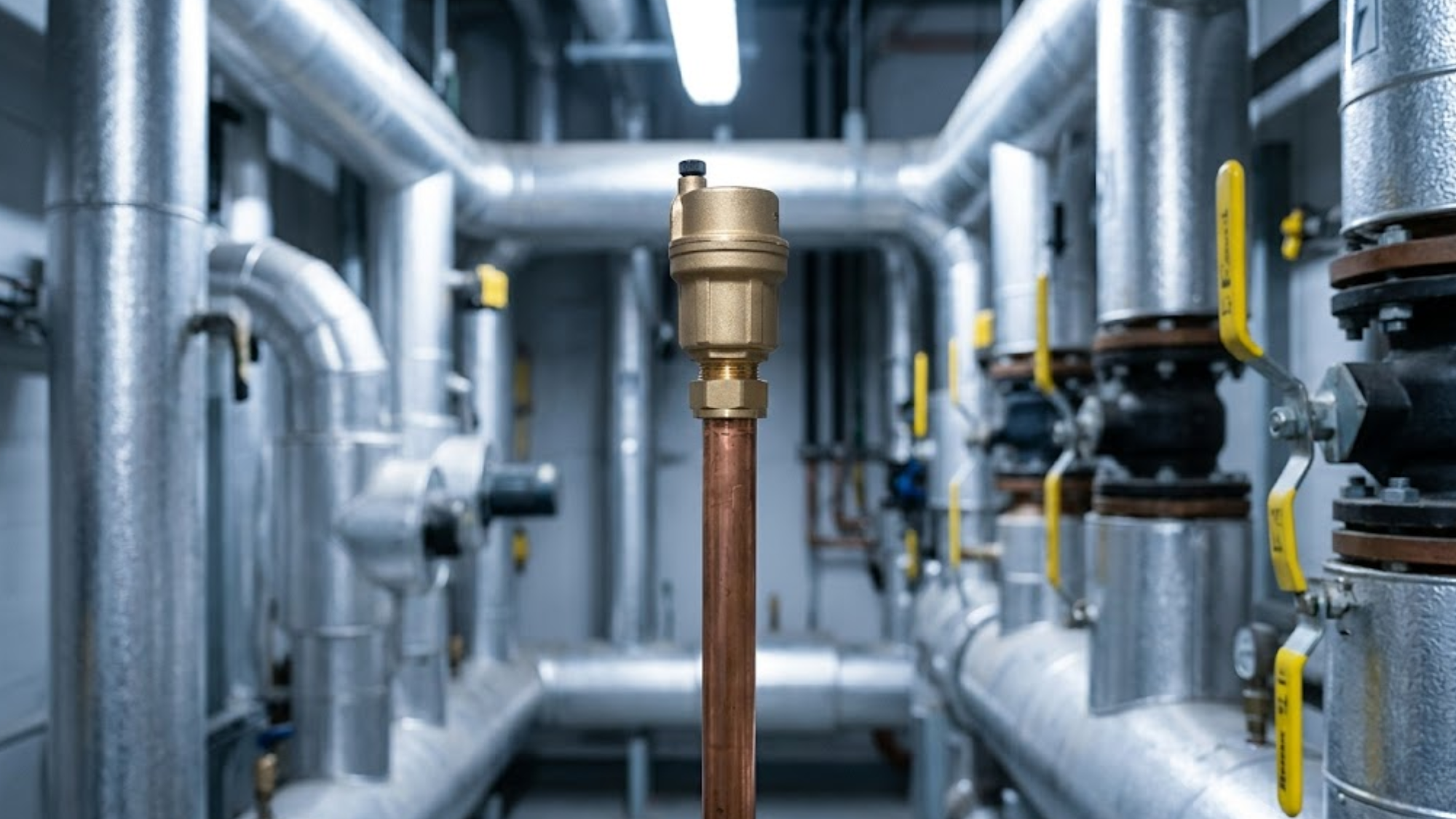
Commercial hot water systems fail when air accumulates in primary circuits. The Altecnic Robocal automatic air vent solves this problem, but only when positioned correctly. Executing the correct altecnic robocal automatic air vent positioning is vital because poor vent placement causes persistent circulation issues, noise, and premature component failure.
This guide covers the exact requirements for positioning these vents on commercial cylinder primary circuits, based on field-tested engineering standards and manufacturer specifications.
Why Air Accumulates in Commercial Cylinder Primary Circuits
Hot water cylinders operate with a primary circuit that transfers heat from the boiler to the stored water. As the system heats up, dissolved air separates from the water and rises to the highest points. Without proper venting, this air creates pockets that block circulation, reducing heat transfer efficiency by 30 to 40%.
Air pockets generate significant noise as water rushes past bubbles. More importantly, they cause pump cavitation, which can cut a water circulation pump lifespan in half. Cavitation occurs when air bubbles collapse against the impeller under pressure, creating micro-explosions that pit the metal and eventually destroy the motor bearings.
Optimal Positioning: The High Point Rule
Install the Robocal at the absolute highest point of the primary circuit. This is not negotiable. Air migrates upward, and any vent positioned below the circuit peak will miss the majority of trapped air. For a typical commercial installation, this point sits either at the cylinder flow connection or on a dedicated air collection point.
Think of venting a large commercial circuit like bleeding the brakes on a high-performance car. If even a tiny bubble remains trapped in a high point of the line, the entire system loses its firm response and efficiency. The Robocal acts as the bleed nipple for your heating system, and it must be at the very top of the "line" to be effective.
The vent body must sit vertical, with the float chamber upright. Angled installations prevent the internal mechanism from sealing properly, causing water discharge. Using high-quality heating pipe systems ensures that these high points remain stable and leak-free.
Distance from the Cylinder Matters
Position the Robocal within 300mm of the cylinder flow connection. This proximity ensures air does not accumulate in pipework between the cylinder and the vent. For large commercial cylinders with multiple coils, you should install one Robocal per coil circuit. A 1000-litre hot water cylinder with dual coils needs two vents, as sharing a single vent leaves one coil prone to air locking.
On a recent commercial project, a maintenance team complained about cold spots in a primary circuit. Upon inspection, we found the vent sat 3 metres away from the cylinder on a horizontal run. Air was collecting in a minor high spot near the cylinder flange and never reaching the vent. Moving the vent to within 250mm of the flow port resolved the air locking issue immediately, proving that distance is as critical as height.
Pipe Sizing and Connection Details
Connect the Robocal using the standard 1/2" BSP taper thread. A common mistake involves stepping down from 28mm copper to 15mm copper to match the vent thread. This restriction slows water velocity and encourages air to dissolve back into the flow.
Instead, maintain the full 28mm pipe to the vent location and use a 28mm x 1/2" reducing tee. This allows air to rise naturally into the vent while keeping the main primary flow unrestricted. Selecting the correct push fit plumbing fittings for these branch connections ensures long-term reliability under thermal cycling.
Isolation Valve Requirements
Never install an isolation valve between the cylinder and the Robocal. Maintenance teams frequently close these valves and forget to reopen them, leading to rapid air accumulation. If isolation is required for servicing, install a 1/2" ball valve directly on the vent body inlet.
Professional suppliers like Heating and Plumbing World recommend using service valves with lockable handles in the open position for commercial sites. This prevents casual closure by unauthorised personnel during unrelated maintenance work.
Temperature and Pressure Considerations
The Robocal handles temperatures up to 110°C. Standard primary circuits operate at 70 to 85°C, well within this range. However, high-temperature hot water (HTHW) systems running above 100°C need careful consideration. At these limits, the float mechanism operates at the edge of its design. We recommend a 10°C safety margin, limiting high-temperature hot water (HTHW) systems to 100°C maximum for long-term vent reliability.
Pressure ratings reach 10 bar (145 PSI), providing substantial headroom for most commercial buildings that operate at 1.5 to 3 bar. Ensure you select an appropriately sized hot water tank that matches these pressure capacities to prevent system-wide stress. The stainless steel float mechanism is specifically designed to resist corrosion at these elevated temperatures and pressures.
Multiple Cylinder Installations
Parallel cylinders require one Robocal at the highest point of each cylinder flow. Attempting to vent multiple units through a shared header creates uneven air removal. In series configurations, position the primary vent at the highest point of the final cylinder, as air concentrates at the end of the run.
When using a buffer vessel, install vents at both the buffer's high point and each flow connection. Using high-quality heating system components danfoss in these complex headers helps manage the flow and pressure stability required for effective automatic venting.
Common Installation Errors to Avoid
Horizontal mounting is the leading cause of failure. The mechanism requires gravity to operate the float. We have also seen vents installed level with the cylinder top, which creates an air trap. Always add a vertical pipe extension to raise the vent 150 to 200mm above the highest point.
Minimize bends between the cylinder and the vent. Each 90-degree elbow creates a potential air pocket. If you are installing panel radiators on the same circuit, ensure the primary vent is not bypassed by the radiator bleed points. Furthermore, avoid oversized external vent chambers, which allow air to dissolve back into the water before it can be expelled.
System Commissioning and Maintenance
Fill the primary circuit slowly to allow air to escape. Bring the system to temperature gradually over 45 minutes and monitor the vent for initial discharge. Initial discharge can last 15 minutes on large systems as dissolved air separates.
Check the Robocal quarterly for discharge staining or O-ring corrosion. The stainless steel float mechanism typically lasts 5 to 7 years in commercial applications. Budget for replacement at this interval even if the vent appears functional, as degradation reduces venting efficiency over time.
Conclusion
Proper altecnic robocal automatic air vent positioning prevents 95% of air-related problems in commercial cylinder primary circuits. Install the vent at the absolute highest point, within 300mm of the cylinder flow, and in a strictly vertical orientation. Maintain full pipe diameter to the branch and ensure maintenance access.
Get the placement right during installation, and the unit will provide years of automatic air management. If you need assistance with circuit design or vent selection, reach out to our experts for technical guidance.