

Andrews Water Heater Spares: ECOflo and MAXXflo Parts
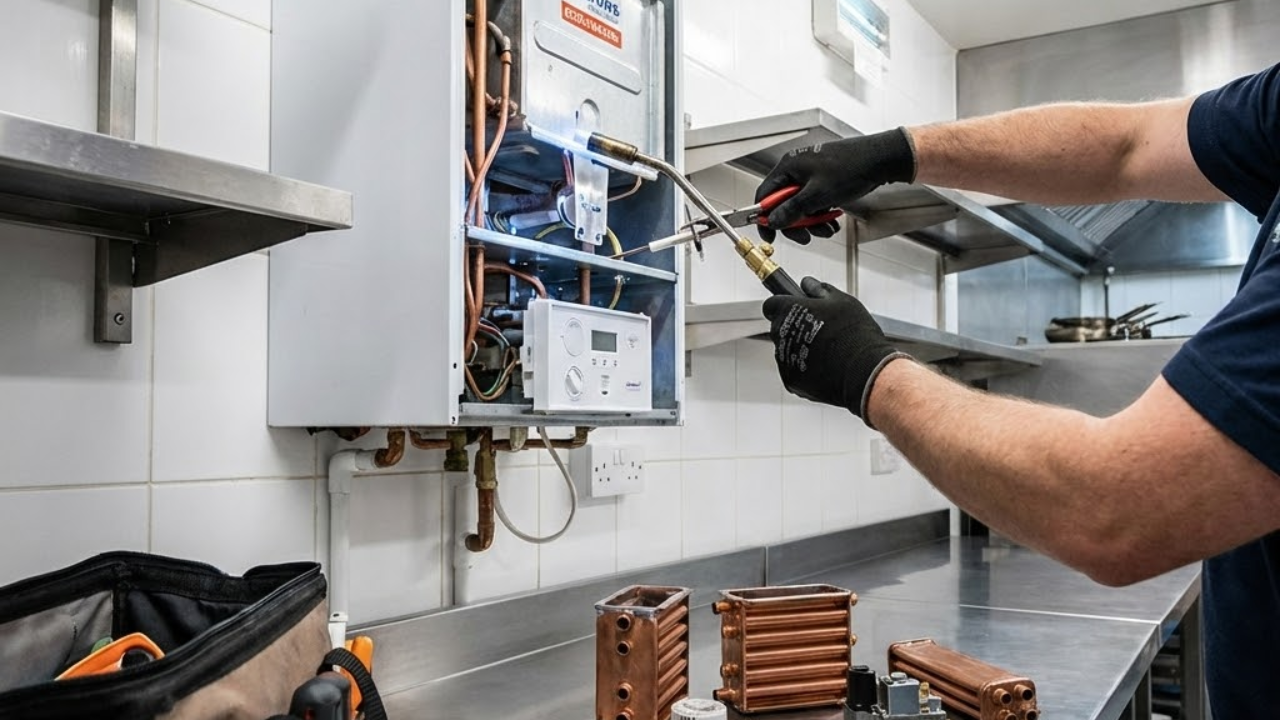
When an Andrews water heater fails at 6am on a Monday morning in a commercial kitchen, you don't have the luxury of waiting three days for a replacement unit. You need the right spare part, and you need it fast. That's the reality of servicing Andrews ECOflo and MAXXflo water heaters-knowing which components fail most frequently and keeping critical spares within reach can mean the difference between a 30-minute fix and a full day's lost revenue for your client. Andrews has built a solid reputation in the water heating sector, particularly with their ECOflo and MAXXflo ranges. These units are workhorses in commercial settings, from care homes to restaurants, but like any mechanical system subjected to constant thermal cycling and hard water, they require maintenance. Understanding the spare parts ecosystem for these models isn't just about reactive repairs-it's about preventative maintenance strategies that keep systems running reliably for years beyond their warranty period.
Common Failure Points in Andrews ECOflo Water Heaters
The ECOflo range operates on a simple but effective principle: cold water flows through a heat exchanger, gets heated by gas burners, and exits at the set temperature. It's a continuous flow system, which means certain components work harder than others. Heat exchangers take the brunt of thermal stress. In hard water areas, limescale builds up on the exchanger surfaces, reducing efficiency and eventually causing localised overheating. You'll spot this when the unit starts cycling on and off more frequently or when the outlet temperature becomes inconsistent. Regular heat exchanger descaling every 12 months prevents most exchanger failures, but once the damage is done, replacement is often the only option. Thermostats and overheat cutout devices are the next usual suspects. These safety devices protect the unit from dangerous temperature excursions, but they can fail in two ways: they either trip too easily (often due to limescale affecting heat transfer) or they fail to trip at all (a genuine component failure). When a thermostat goes, you'll typically see the unit either refuse to fire or run excessively hot. Gas valves control the fuel supply to the burners. A faulty gas valve might cause ignition failures, flame instability, or complete lockout. These aren't DIY fixes-gas valve replacement requires Gas Safe registration and proper testing procedures, but having the correct spare on hand means you're not waiting days for a part while a building has no hot water. Ignition electrodes and flame sensing rods are smaller components that cause disproportionate headaches. Carbon buildup, misalignment, or simple wear can prevent ignition or cause nuisance lockouts. These parts are relatively inexpensive, and experienced engineers often carry spares as standard.
MAXXflo Range: Built for Demand, Prone to Specific Issues
The MAXXflo series steps up the performance envelope, designed for higher flow rates and more demanding commercial applications. This increased capacity brings its own maintenance profile. Diverter valves in MAXXflo units manage water flow through multiple heat exchangers or different heating zones. When these valves stick or leak, you'll notice reduced flow rates or temperature fluctuations between outlets. Hard water accelerates wear on diverter valve seals, and in high-usage environments, these components might need replacement every 3-5 years. Pressure relief valves are critical safety devices, but they're also common failure points. A dripping PRV isn't always a sign of overpressure-sometimes it's just a worn valve seat that allows water to weep through. However, you can't ignore a weeping PRV. It needs investigation and usually replacement, because if it's not sealing properly at normal operating pressure, it won't protect the system when it matters. Burner assemblies in MAXXflo units operate at higher outputs than ECOflo models. This means more heat, more stress, and faster degradation of burner components. Blocked burner jets (from dust or combustion residue) cause incomplete combustion, yellow flames, and sooting. Regular burner jet cleaning extends life, but eventually, the burner assembly needs replacement when corrosion or warping affects performance. Think of a MAXXflo burner like the cylinder head on a high-performance engine-it does more work, runs hotter, and needs more frequent attention than its lower-spec cousin.
Sourcing Genuine Andrews Water Heater Spares
Here's where many engineers trip up: they grab a "compatible" part from a general supplier because it's cheaper or available immediately. Sometimes that works. Often, it doesn't. Genuine Andrews spares are manufactured to specific tolerances and materials specifications. A heat exchanger might look identical to a pattern part, but if the metal gauge is slightly thinner or the brazing technique different, it won't last as long. Gas valves are even more critical-using non-approved components in gas appliances isn't just poor practice, it's a legal and safety issue. Heating and Plumbing World stocks genuine Andrews ECOflo water heater spares and MAXXflo components, which means you're getting parts that match original equipment specifications. When you fit a genuine part, you can confidently warranty your work, knowing the component will perform as designed. Pattern parts have their place-some non-critical components like control knobs or external panels are fine as aftermarket alternatives. But for anything in the water or gas pathway, stick with genuine. The cost difference is negligible compared to a callback or, worse, a safety incident.
Essential Spares to Stock for Andrews Water Heaters
If you regularly service Andrews units, certain spares should be in your van or workshop. This isn't about hoarding parts-it's about reducing return visits and keeping clients operational. High-priority spares include:
- Thermostats (both operating and overheat types) - These fail often enough that having one on hand pays for itself
- Ignition electrodes and flame sensors - Cheap, small, and frequently needed
- Door seals and gaskets - Perished seals cause air leaks that affect combustion efficiency
- Pressure relief valves - When these go, they need immediate replacement for safety reasons
- Gas valve service kits - If the valve body is sound, a service kit can restore function at lower cost than full replacement Medium-priority spares (keep in stock if you service multiple Andrews units):
- Heat exchangers - Expensive, but essential for hard water areas where scaling is inevitable
- Burner assemblies - Particularly for MAXXflo units in high-usage settings
- Diverter valve seals - For MAXXflo models serving multiple outlets
- Control PCBs - Electronic failures are less common but catastrophic when they occur Having even half of these components available means you can complete most repairs in a single visit. That's valuable to you (fewer return trips) and invaluable to your client (minimal downtime).
Diagnosing Faults Before Ordering Spares
Throwing parts at a problem is expensive and unprofessional. Proper diagnosis ensures you order the right Andrews ECOflo water heater spares the first time. Start with the obvious: Check the display for error codes. Andrews units have diagnostic systems that pinpoint many faults. A flame failure code points you toward ignition components or gas supply issues. An overheat code suggests thermostat problems or, more likely, limescale affecting heat transfer. Test systematically: Don't assume the first suspect is guilty. A unit that won't ignite could have a faulty electrode, but it could also have low gas pressure, blocked burners, or a failed gas valve. Test each possibility methodically. Use a multimeter to check electrical continuity, a manometer to verify gas pressure, and visual inspection to spot obvious issues like corroded connections or water leaks. Document what you find: Take photos of failed components, note error codes, and record system behaviour. This information helps when ordering spares (you can describe exactly what's wrong) and provides evidence if there's any question about warranty coverage or the cause of failure. I once spent two hours chasing an intermittent ignition fault on an ECOflo unit in a nursing home. The electrode looked fine, gas pressure was correct, and the control board showed no errors. Eventually, I noticed a tiny crack in the ceramic insulator on the electrode-invisible unless you looked at exactly the right angle. That hairline crack allowed the spark to track to earth instead of jumping the gap to the burner. A £15 electrode solved a problem that could have easily led to unnecessary replacement of much more expensive components.
Fitting Andrews Spares: Technical Considerations
Having the right part is only half the job. Fitting it correctly ensures reliability and safety. Heat exchangers require complete system drainage and careful reassembly of water connections. When fitting a new exchanger, replace all seals and gaskets-reusing old seals is false economy that often leads to leaks. Flush the system thoroughly before refilling to remove any debris from the old exchanger. After installation, check for leaks at every connection, then run the unit through several heating cycles while monitoring for any issues. Gas components demand Gas Safe competence. When replacing a gas valve, you must test for gas tightness using proper equipment-a let-by test on the valve itself and a tightness test on the whole installation. Record these tests in your service documentation. After any gas work, verify correct burner pressure and flame characteristics. A properly adjusted flame should be blue with defined inner cones, not yellow or lifting off the burner. Thermostats and sensors need accurate positioning. An overheat thermostat placed even 10mm from its correct location might not sense dangerous temperatures quickly enough. Follow the manufacturer's installation instructions precisely, and use thermal paste where specified to ensure good heat transfer between the sensor and the component it's monitoring. Electrical components like control boards or ignition modules are sensitive to static discharge and physical shock. Handle them carefully, avoid touching circuit board traces, and ensure all electrical connections are clean and tight. A loose spade connector causes intermittent faults that are nightmares to diagnose.
Preventative Maintenance to Reduce Spare Parts Requirements
The best spare part is the one you don't need to fit. Regular maintenance dramatically extends component life and system reliability. Annual heat exchanger descaling in hard water areas prevents most heat exchanger failures. Use a proprietary descaling solution designed for water heaters, not generic limescale removers that might damage copper or aluminium components. Circulate the descaler through the system according to the manufacturer's instructions, then flush thoroughly with clean water. Combustion analysis should be part of every service visit. A properly tuned burner runs efficiently, produces minimal emissions, and puts less stress on all components. If combustion readings are out of specification, investigate and correct the cause-don't just adjust the gas valve and walk away. Regular burner jet cleaning ensures optimal combustion and prevents carbon buildup that affects performance. Water quality matters. If a client's water is particularly hard, recommend a water softener or at least a scale inhibitor dosing system. The cost of water treatment is trivial compared to premature heat exchanger failure. Some engineers resist suggesting additional equipment, thinking clients will see it as upselling, but if you explain the genuine cost-benefit, most appreciate the advice. Check safety devices every time you service the unit. Test that the overheat cutout device actually trips at the correct temperature (you can simulate this with careful heat application). Verify the pressure relief valve isn't stuck or leaking. Confirm the flame supervision system cuts gas supply when flame is lost. These tests take minutes but catch problems before they become dangerous.
When to Replace Rather Than Repair
Sometimes fitting spares doesn't make economic sense. Knowing when to recommend replacement rather than repair builds trust with clients. Age is a factor. An Andrews water heater that's 15 years old and needs a new heat exchanger might be better replaced entirely. Modern units are significantly more efficient, and if one major component has failed, others are likely approaching end-of-life too. The cost of a new unit might be recouped in energy savings within a few years. Repeated failures suggest systemic issues. If you've replaced the same component twice in quick succession, there's usually an underlying cause-poor water quality, incorrect installation, or another failing component causing collateral damage. Address the root cause or recommend replacement. Availability of spares influences this decision. Some older Andrews models have limited parts availability. If you can't source critical spares, or if lead times are measured in weeks, replacement becomes the pragmatic option regardless of the unit's age. Efficiency considerations matter in commercial settings where water heating represents significant operating costs. If a client is running an old, inefficient unit that's starting to need regular repairs, the combined cost of repairs and higher energy consumption often exceeds the cost of a modern, efficient replacement over a 3-5 year period.
Working With Suppliers for Andrews Spares
Building a relationship with a reliable supplier saves time and prevents mistakes. Quality suppliers like Heating and Plumbing World offer technical support to help identify the correct part. If you're unsure whether a particular component is the right one for a specific model, call them. It's better to spend five minutes on the phone than to order the wrong part and waste days waiting for the correct one. Keep records of what parts you've fitted to which installations. This creates a service history that helps with future diagnosis and ensures you order the correct parts for return visits. Many engineers use simple spreadsheets or service management software to track this information. Order ahead for known maintenance schedules. If you service a block of apartments with Andrews water heaters and you know annual services are due, order common service parts in advance. Bulk ordering can sometimes secure better pricing, and you'll have parts ready when you need them rather than interrupting work to wait for deliveries.
Practical Application: Commercial Kitchen Scenario
A restaurant client called with a MAXXflo unit that was producing hot water but not hot enough-barely reaching 45°C when it should have been delivering 60°C. The unit was four years old, in a hard water area, and had never been descaled. The diagnostic was straightforward: limescale buildup on the heat exchanger reduced heat transfer efficiency. The burners were firing correctly, gas pressure was spot-on, and all thermostats functioned properly-the heat just wasn't getting from the burners to the water efficiently. Options were to descale the existing exchanger or fit a new one. Given the scale buildup was severe and descaling might not fully restore performance, we recommended a new heat exchanger plus a descaling service for the rest of the system. We also suggested fitting a scale inhibitor to prevent recurrence. The genuine Andrews heat exchanger arrived next day. Installation took about three hours including system flush, fitting, and testing. We also replaced the door seal (it was starting to perish) and the overheat thermostat (cheap insurance while we had the unit apart). The result was a unit performing like new, a client who understood why the problem occurred and how to prevent it, and a maintenance contract for annual descaling services. That's the value of proper diagnosis and using quality spares-you solve the immediate problem and build long-term client relationships.
Conclusion
Servicing Andrews ECOflo and MAXXflo water heaters effectively requires more than just technical skill-it demands knowledge of common failure modes, access to genuine spares, and the diagnostic ability to identify problems accurately before ordering parts. Whether you're dealing with a failed thermostat on an ECOflo unit in a residential setting or replacing a heat exchanger on a high-output MAXXflo installation in a commercial kitchen, using manufacturer-approved components ensures reliability and safety. Stock the high-failure items that save you return visits. Build relationships with suppliers who understand the products and can provide technical support when you need it. Invest time in proper diagnosis rather than throwing parts at problems. And always prioritise preventative maintenance-it's far easier to descale a heat exchanger annually than to replace one prematurely. The Andrews water heater ranges are robust, efficient units that deliver years of reliable service when maintained correctly. When components do fail, having access to genuine spares through established suppliers like Heating and Plumbing World means you can restore functionality quickly and confidently. For technical advice or to source specific Andrews ECOflo water heater spares for your next service job, contact us-we'll help you identify exactly what you need to get your client's system running properly again.