

Annual Gas Safety Certificates: What's Involved?
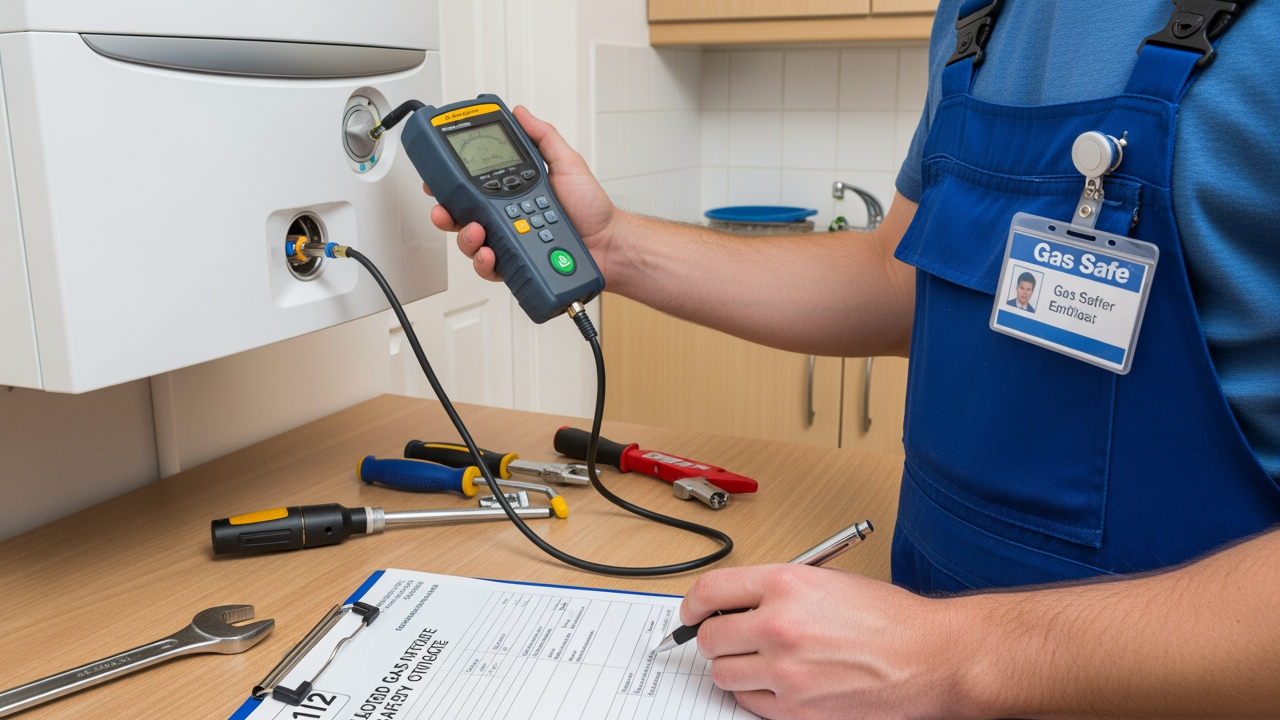
Understanding the requirements and processes surrounding an annual gas safety certificate is essential for landlords, property managers, and homeowners with gas appliances. This legally mandated inspection ensures that gas installations remain safe, efficient, and compliant with UK regulations. The certificate provides documented proof that qualified professionals have checked all gas appliances, pipework, and flues and meet current safety standards.
Gas safety legislation exists to protect occupants from potentially fatal risks, including carbon monoxide poisoning, gas leaks, and appliance malfunctions. Each year, hundreds of people in the UK experience carbon monoxide-related incidents, many of which could be prevented through proper safety checks. Heating and Plumbing World supplies quality components and parts that support the maintenance of safe, compliant heating systems throughout properties nationwide.
What Is an Annual Gas Safety Certificate?
An annual gas safety certificate, officially known as a Gas Safety Record or CP12, is a legal document issued following a comprehensive gas safety inspection of a property's gas appliances and installations. This certificate confirms that a Gas Safe registered engineer has examined all gas equipment and found it safe for continued use or has identified specific defects requiring attention.
The certificate must be issued within 12 months of the previous inspection, hence the term "annual." Landlords face legal obligations under the Gas Safety (Installation and Use) Regulations 1998 to arrange these inspections for all rental properties containing gas appliances. Homeowners, whilst not legally required to obtain certificates for their own residences, are strongly advised to arrange annual checks to ensure family safety.
Legal Requirements for Landlords
Landlords must arrange an annual gas safety inspection for each rental property with gas appliances, regardless of whether tenants are present on long-term contracts or short-term holiday lets. The inspection must be completed by a Gas Safe registered engineer - the only professionals legally permitted to work on gas installations in the UK.
Following the inspection, landlords must provide tenants with a copy of the certificate within 28 days of the check, or before new tenants move in. Keeping records of all gas safety certificates for at least two years is mandatory. Failure to comply with these requirements can result in substantial fines of up to £6,000, imprisonment for up to six months, or both. More seriously, non-compliance puts lives at risk and may invalidate property insurance.
The Gas Safety Inspection Process
A comprehensive gas safety inspection involves systematic checks of every gas appliance, installation, and associated component within the property. The Gas Safe registered engineer will assess boilers, fires, cookers, and any other equipment connected to the gas supply.
Visual Inspection of Appliances
The engineer begins with a thorough visual examination of each appliance, checking for signs of damage, corrosion, or improper installation. They inspect external casings, control panels, and visible pipework for any defects that might compromise safety or efficiency. Warning signs such as soot marks, rust, or unusual discolouration indicate potential combustion problems requiring immediate attention.
Physical positioning of appliances is also assessed. Gas equipment must maintain adequate clearance from combustible materials, and ventilation requirements must be met. The engineer verifies that appliances remain securely fixed in their designated locations and have not been moved or modified since the previous inspection.
Testing Appliance Operation
Each gas appliance undergoes operational testing to ensure proper function. The engineer fires up boilers, fires, and cookers to observe ignition sequences, flame characteristics, and general performance. Unusual noises, delayed ignition, or irregular flame patterns may signal underlying issues affecting safety or efficiency.
For boilers, the engineer checks pressure levels, temperature controls, and thermostat response. They verify that boiler spares such as pumps, valves, and sensors function correctly. Modern condensing boilers require particular attention to condensate drainage and trap condition, as blockages can cause dangerous flue gas spillage.
Flue and Ventilation Assessment
Flue systems must safely remove combustion gases from properties, making their inspection critical to the gas safety check. Engineers use specialist equipment to measure flue flow and test for spillage of combustion products back into living spaces. Any blockages, damage, or incorrect termination points in flue systems present serious carbon monoxide risks.
Ventilation requirements vary depending on appliance type and room size. The engineer ensures adequate air supply for combustion, checking that vents and grilles remain unobstructed and meet manufacturer specifications. Inadequate ventilation causes incomplete combustion, producing dangerous carbon monoxide even from properly functioning appliances.
Gas Pressure and Flow Testing
Correct gas pressure ensures appliances operate safely and efficiently. Engineers use calibrated manometers to measure both standing pressure (when no appliances are running) and working pressure (during operation). Pressure readings outside acceptable ranges indicate problems with the supply network, meter, or internal pipework requiring investigation.
Flow testing verifies that sufficient gas reaches each appliance without pressure drops that might affect performance. The engineer may also perform tightness testing on the property's internal pipework to detect any leaks, using pressure gauges and timing methods to identify even small losses that could pose risks over time.
Carbon Monoxide Testing
Testing for carbon monoxide represents one of the most vital aspects of the gas safety inspection. Engineers use electronic analysers to measure carbon monoxide levels in combustion products, ensuring appliances burn gas cleanly and completely. Elevated readings indicate combustion problems requiring immediate rectification.
The engineer also checks that properties have working carbon monoxide alarms installed near gas appliances, particularly in rooms containing boilers or fires. Whilst not strictly part of the certificate requirements, this safety check provides essential protection for occupants. Modern detectors should meet British Standard EN 50291 and display certification marks.
Documentation and Record-Keeping
Upon completing all checks, the engineer provides a detailed gas safety certificate listing every appliance inspected, its location, and the results of all tests performed. The certificate identifies any defects found and classifies them according to severity - "Immediately Dangerous" (ID), "At Risk" (AR), or "Not to Current Standards" (NCS).
For ID defects, the engineer must immediately disconnect the appliance and issue a warning notice. AR defects require prompt attention, with the engineer providing guidance on timescales. NCS issues, whilst not immediately dangerous, should be addressed to maintain compliance with current standards. The certificate includes recommendations for any necessary repairs or component replacements.
What Appliances Are Covered?
The annual gas safety certificate encompasses all gas appliances within a property, regardless of ownership or usage patterns. This comprehensive approach ensures no potential hazards go unexamined.
Boilers and Central Heating Systems
Gas-fired boilers represent the primary focus of most gas safety inspections, as they operate extensively throughout heating seasons. The engineer inspects combination boilers, system boilers, and conventional boilers, checking all safety controls and operational parameters. Worcester Bosch boiler spares and components from other manufacturers must meet original specifications to maintain safety compliance.
Central heating system components connected to gas boilers, including pressure relief valves and expansion vessels, are assessed for correct operation. Whilst not gas appliances themselves, these components affect boiler safety and must function properly to prevent dangerous pressure buildup or system failures.
Gas Fires and Heaters
Gas fires, whether living flame effect models or radiant heaters, require careful inspection to ensure safe operation. The engineer checks the front of the fire, the flame's picture quality, and the heat distribution. Oxygen depletion sensors, when fitted, must respond correctly to prevent dangerous operation in poorly ventilated spaces.
Older gas fires may lack modern safety features, making their annual inspection particularly important. The engineer assesses whether upgrading to contemporary models with improved safety controls would benefit the property. Access to fire spares ensures that repairs can be completed promptly when defects are identified.
Gas Cookers and Ovens
Kitchen appliances, including cookers, ovens, and hobs, are checked for gas tightness, burner condition, and proper flame characteristics. The engineer verifies that all controls operate correctly and that flame failure devices function as designed. Built-in appliances must maintain appropriate clearances from surrounding cabinetry and worktops.
Gas cookers in rental properties receive particular scrutiny, as they are often supplied by landlords and may experience heavy use. Regular inspection catches deterioration before it becomes dangerous, and timely replacement of worn components maintains safety standards throughout tenancy periods.
Additional Gas Appliances
Any other gas-powered equipment within the property falls under the inspection scope. This includes tumble dryers, warm air heating systems, gas-powered water heaters, and commercial catering equipment in houses of multiple occupation (HMOs). Even infrequently used appliances must be tested, as dormant equipment can develop problems unnoticed until the next firing.
Common Issues Found During Inspections
Gas safety inspections regularly identify problems ranging from minor defects to serious hazards requiring immediate action. Understanding common issues helps property owners maintain systems proactively between annual checks.
Ventilation Deficiencies
Blocked or inadequate ventilation remains one of the most frequently encountered problems. Occupants sometimes cover air vents to reduce draughts, unaware of the serious risks this creates. Builders may inadvertently block vents during renovation work, or replacement windows may eliminate permanent ventilation that older designs incorporated.
Insufficient ventilation causes incomplete combustion, producing carbon monoxide even from well-maintained appliances. The engineer's assessment identifies ventilation shortfalls and specifies corrective measures, which might include installing additional vents, clearing existing openings, or upgrading to appliances requiring less combustion air.
Flue and Chimney Problems
Flue defects represent another common category of safety concerns. Birds' nests, debris accumulation, or structural deterioration can obstruct flues, preventing proper combustion product removal. Shared flues in older properties may have developed leaks, allowing gases to migrate between dwellings.
Incorrect flue terminations - such as outlets positioned too close to windows, doors, or neighbouring properties - violate current standards and require modification. The engineer identifies these issues and recommends appropriate remedial work, which might involve flue relining, extension, or complete replacement.
Appliance Wear and Component Failure
Regular use inevitably causes wear to gas appliance components. Heat exchangers develop cracks, seals deteriorate, ignition electrodes erode, and control valves lose calibration. The annual gas safety inspection catches these issues before they cause breakdowns or create dangerous operating conditions.
Prompt replacement of failed components using quality Baxi boiler spares or parts for other manufacturers maintains appliance safety between certificates. Delaying necessary repairs increases the likelihood of emergency callouts and potentially hazardous situations developing between annual checks.
Installation Standard Issues
Many properties contain appliances installed years ago to standards that, whilst acceptable at the time, no longer meet current requirements. The engineer classifies these as "Not to Current Standards" (NCS), advising that upgrades should be considered. Examples include inadequate bonding of gas and water pipework, missing isolation valves, or appliances positioned inappropriately close to boundaries.
Whilst NCS issues do not require immediate action like Immediately Dangerous defects, addressing them demonstrates responsible property management and improves overall safety standards. Upgrading installations to current standards protects occupants and may reduce insurance premiums.
Cost Considerations
The cost of obtaining an annual gas safety certificate varies depending on property location, number of appliances, and any additional work required. Typical inspection costs range from £60 to £120 for standard residential properties with one or two appliances. Properties with multiple appliances or commercial premises may incur higher fees.
These costs represent excellent value considering the legal protection, insurance compliance, and peace of mind they provide. Attempting to economise by delaying inspections or using unqualified engineers creates false savings that pale against potential fines, insurance invalidation, or the unthinkable costs of accident-related injuries.
When defects are identified, repair costs vary according to the nature and severity of the problems found. Simple fixes like replacing worn seals or cleaning blocked burners may cost £50-£100, whilst more substantial work, such as heat exchanger replacement or flue repairs, could exceed several hundred pounds. However, addressing problems promptly prevents them from escalating into more expensive failures or dangerous situations.
Arranging Your Gas Safety Inspection
Property owners should schedule gas safety inspections well before the current certificate expires, allowing flexibility if the engineer identifies issues requiring rectification. Booking 4-6 weeks ahead ensures availability during busy periods and provides time to complete any necessary repairs before the deadline.
When selecting an engineer, verify their Gas Safe registration number using the official Gas Safe Register website or helpline. The registration card should display a photograph, company details, and categories of work the engineer is qualified to perform. Only use engineers whose registration covers the specific appliances needing inspection.
Prepare for the inspection by ensuring engineers have clear access to all gas appliances, meters, and relevant spaces. Remove stored items blocking boilers or fires, and inform tenants about the appointment well in advance. Having previous certificates available helps engineers compare findings with historical data and identify developing trends.
After the Inspection
Upon receiving the gas safety certificate, review it carefully to understand any issues identified and actions recommended. For rental properties, provide copies to tenants within the required 28-day timeframe and maintain your own records for the mandatory two-year period.
If the certificate identifies defects classified as Immediately Dangerous, those appliances will have been disconnected and must not be used until repairs are completed by a Gas Safe registered engineer. At-risk defects should be addressed promptly according to the engineer's timeline recommendations, typically within days or weeks, depending on severity.
Schedule any recommended repairs or component replacements without delay. Even NCS issues benefit from timely attention, preventing minor concerns from developing into more serious problems. Maintaining detailed records of all gas work, including routine maintenance and emergency repairs, demonstrates diligent property management and provides valuable evidence should disputes arise.
Beyond Compliance: Proactive Maintenance
Whilst annual gas safety inspections satisfy legal requirements, truly responsible property management extends beyond minimum compliance. Arranging annual boiler servicing separately from the safety inspection optimises appliance performance, reliability, and longevity.
Servicing involves more detailed maintenance than the safety inspection covers, including thorough cleaning of heat exchangers, burners, and ignition systems. Engineers check and adjust combustion parameters, test all safety controls comprehensively, and replace consumable items like seals and gaskets before they fail. This preventative approach reduces breakdown risks during the winter months when heating is essential.
Encouraging tenants to report unusual appliance behaviour between annual inspections helps catch developing problems early. Warning signs, including strange noises, pilot light difficulties, increased fuel consumption, or condensation on windows, merit prompt investigation. Establishing clear reporting procedures and responding quickly to concerns demonstrates commitment to tenant safety and well-being.
Ensuring Continued Safety
Annual gas safety certificates form an essential component of responsible property ownership and management, protecting lives whilst satisfying legal obligations. The comprehensive inspection process examines every aspect of gas installations, identifying hazards before they cause harm and ensuring ongoing compliance with safety regulations.
Property owners who prioritise gas safety through timely annual inspections, prompt defect rectification, and proactive maintenance create safer environments for occupants whilst protecting their property investments. The certificate represents more than bureaucratic paperwork - it provides documented assurance that gas installations remain safe for another year.
For expert advice on maintaining safe, efficient gas systems or to discuss specific safety concerns, contact us for guidance from experienced heating professionals who understand the importance of protecting properties and the people within them.