

Anti-Freeze Plumbing Systems for Cold Regions
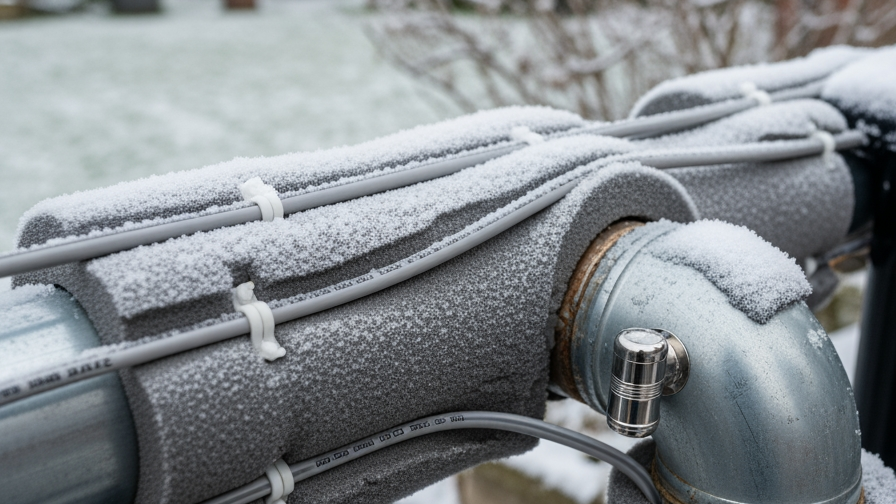
Winter's arrival brings beauty and challenges in equal measure, but for homeowners in cold regions, frozen pipes represent one of the most costly and preventable disasters. When temperatures plummet below freezing, unprotected water lines can freeze, expand, and burst - causing thousands of pounds in water damage within hours. Anti-freeze plumbing systems offer comprehensive protection against these risks, ensuring water continues flowing even during the harshest winter conditions.
Heating and Plumbing World specialises in cold-climate plumbing solutions, providing homeowners and businesses with reliable freeze protection systems designed for the UK's most challenging winter environments. Understanding how these systems work and when to implement them can save significant repair costs whilst maintaining essential water services throughout winter.
Understanding Anti-Freeze Plumbing Systems
Anti-freeze plumbing systems incorporate specialised components and techniques designed to prevent water from freezing inside pipes, even when ambient temperatures drop well below zero degrees Celsius. Unlike standard plumbing installations, these systems actively protect vulnerable pipe sections through thermal management, chemical solutions, or physical barriers that maintain water temperature above freezing point.
The fundamental principle behind effective freeze protection involves either keeping pipes warm enough to prevent ice formation or using non-freezing fluids in closed-loop systems where potable water isn't required. Each approach offers distinct advantages depending on the application, building design, and local climate severity.
Critical Vulnerabilities in Standard Plumbing
Standard plumbing systems face particular risks in cold regions. Pipes running through unheated spaces - including lofts, garages, external walls, and crawl spaces - are especially vulnerable to freezing. When water freezes, it expands by approximately 9%, creating immense pressure that can split copper pipes, crack plastic fittings, and damage expensive fixtures.
The aftermath of burst pipes extends beyond immediate water damage. Mould growth, structural deterioration, and ruined personal belongings often result from undetected leaks that occur when frozen sections thaw. Prevention through proper cold-climate plumbing design proves far more economical than emergency repairs during peak winter.
Types of Anti-Freeze Solutions for Plumbing
Several proven technologies provide freeze protection, each suited to specific applications and installation requirements. Selecting the appropriate solution depends on pipe location, system type, and budget considerations.
Glycol-Based Anti-Freeze Systems
Closed-loop heating systems - including underfloor heating circuits and some solar thermal installations - can utilise propylene glycol solutions as a freeze-protection measure. This food-grade anti-freeze lowers the freezing point of circulating water, typically to -15°C or lower, depending on concentration levels.
Professional installation ensures correct glycol concentrations and system compatibility. Annual testing verifies that protection levels remain adequate, as glycol can degrade over time. These systems require expansion vessels sized appropriately for glycol's different expansion characteristics compared to pure water.
Heat Trace Cable Systems
Electric heat trace cables represent the most common active freeze protection method for vulnerable pipe sections. These specialised cables attach directly to pipes, providing controlled heating that maintains temperatures above freezing. Modern self-regulating cables automatically adjust their heat output based on ambient temperature, delivering energy-efficient protection.
Heat trace installation requires careful planning. Cables must be applied to clean, dry pipes with appropriate spacing and secured using heat-resistant tape. Thermal insulation installed over the heat trace cables improves efficiency by retaining generated heat. Controllers with temperature sensors ensure the system activates only when necessary, minimising electricity consumption.
For oil heating systems in cold regions, protecting fuel lines becomes critical. Heat trace cables prevent oil from gelling whilst ensuring reliable burner operation throughout winter. These installations often integrate with fire valves for comprehensive safety protection.
Insulation and Passive Protection Methods
High-quality pipe insulation forms the foundation of any freeze protection strategy. Foam pipe insulation with appropriate R-values significantly reduces heat loss from hot water pipes whilst slowing temperature drops in cold water lines during freezing conditions. Combined approaches using insulation alongside active heating systems provide maximum protection.
Critical areas require additional attention. Pipes near external walls benefit from enhanced insulation thickness, whilst those in completely unheated spaces may need active heating regardless of insulation quality. Air sealing around pipe penetrations prevents cold draughts from compromising insulation effectiveness.
Installing Anti-Freeze Plumbing Systems
Proper installation determines system effectiveness and longevity. Professional assessment identifies vulnerable areas and recommends appropriate protection measures tailored to specific building characteristics and climate conditions.
Planning and System Design
Effective anti-freeze plumbing systems begin with thorough planning. A complete property assessment identifies all vulnerable pipe sections, including those in lofts, garages, external walls, and unheated outbuildings. Temperature monitoring during previous winters provides valuable data about actual conditions pipes experience.
System design considers multiple factors: pipe materials, water pressure requirements, accessibility for maintenance, and integration with existing plumbing infrastructure. Pressure relief valves ensure systems remain safe under all operating conditions, particularly important when heat trace systems raise pipe temperatures.
Professional Installation Standards
Gas Safe registered engineers and qualified plumbers possess the expertise necessary for proper anti-freeze system installation. They understand building regulations, material compatibility, and electrical safety requirements that govern heat trace installations. Professional work includes comprehensive testing and commissioning to verify system operation before winter arrives.
Quality installations incorporate fail-safe mechanisms. Backup heating circuits, alarm systems for temperature drops, and emergency shut-off provisions protect against system failures. Documentation of installation details aids future maintenance and troubleshooting efforts.
Material Selection and Quality Components
Component quality directly impacts system reliability. Boiler spares and heating system components manufactured to recognised standards withstand the thermal cycling and environmental stresses inherent in freeze protection applications. Inferior materials may fail precisely when protection becomes most critical.
Heat trace cables should carry appropriate electrical certifications, whilst insulation materials must resist moisture absorption and maintain their thermal properties over years of service. Glycol solutions require food-grade specifications for systems with any possibility of potable water contact.
Maintenance and Seasonal Preparation
Regular maintenance ensures anti-freeze plumbing systems deliver reliable protection when winter conditions arrive. Proactive servicing identifies potential issues before they compromise system effectiveness.
Annual Inspection Procedures
Comprehensive annual inspections should examine all system components. Heat trace cables require visual inspection for physical damage, whilst electrical testing verifies proper resistance values and controller operation. Insulation checks identify sections requiring replacement due to moisture damage or physical deterioration.
Glycol-based systems need concentration testing using a refractometer. Results determine whether glycol additions are necessary to maintain adequate freeze protection. System pressure checks and leak detection prevent failures during peak demand periods.
Winterisation Best Practices
Pre-winter preparation activities maximise system readiness. Testing heat trace systems under controlled conditions confirms proper operation across all circuits. Controller settings should be verified and adjusted if necessary based on forecast winter severity.
External taps and irrigation systems require complete drainage or dedicated freeze protection. Water tanks in unheated spaces benefit from insulation jackets and, in extreme cases, immersion heaters with thermostatic control to prevent freezing.
Emergency Response Protocols
Despite best efforts, extreme weather may challenge system capacity. Knowing how to respond quickly prevents minor issues from escalating into major damage. Temperature monitoring in critical areas provides early warning of potential freezing conditions.
Emergency measures include increasing heating system output, opening cupboard doors to allow warm air circulation around pipes, and maintaining slight water flow through vulnerable fixtures. However, these temporary solutions complement rather than replace proper cold-climate plumbing protection.
Cost Considerations and Long-Term Value
Investing in anti-freeze plumbing systems involves upfront costs that pale compared to potential damage from frozen pipes. A single burst pipe incident typically generates repair bills exceeding several thousand pounds when accounting for water damage, temporary accommodation, and content replacement.
Installation Investment
Heat trace cable installation for an average home's vulnerable pipe sections typically costs between £500 and £2,000, depending on system complexity and property size. Glycol system conversions may cost more but provide comprehensive protection for closed-loop heating circuits. Professional installation ensures systems meet safety standards and perform reliably.
Material quality justifies premium pricing. Reliable components from established manufacturers deliver years of trouble-free service, whilst cheaper alternatives may fail during critical cold periods. False economies in component selection often lead to higher long-term costs through premature failures and emergency repairs.
Return on Investment
Freeze protection systems deliver value beyond avoiding catastrophic pipe bursts. Improved energy efficiency from properly insulated pipes reduces heating costs year-round. Insurance companies may offer premium reductions for properties with documented freeze protection systems, recognising reduced claim risks.
Peace of mind represents intangible but significant value. Homeowners can travel during winter confident that their property remains protected against freeze damage. Business continuity for commercial properties depends on maintaining water services regardless of weather conditions.
Protecting Your Property Against Winter's Worst
Cold-climate plumbing demands proactive protection rather than reactive repairs. Anti-freeze plumbing systems provide reliable, cost-effective insurance against freeze damage, ensuring water services remain operational throughout the harshest winter conditions. From heat trace cables to glycol solutions and enhanced insulation, multiple proven technologies offer protection tailored to specific needs and applications.
Professional assessment and quality installation form the foundation of effective freeze protection. Regular maintenance and seasonal preparation ensure systems deliver reliable performance when temperatures plummet. The investment in proper cold-climate plumbing protection pays dividends through avoided damage, reduced insurance risks, and uninterrupted water services.
Don't wait until frozen pipes create an emergency situation. Contact us today for expert assessment of your property's freeze protection needs and professional installation of anti-freeze plumbing systems designed for reliable performance in cold regions.