

Approved Plumbing Materials Under UK Law
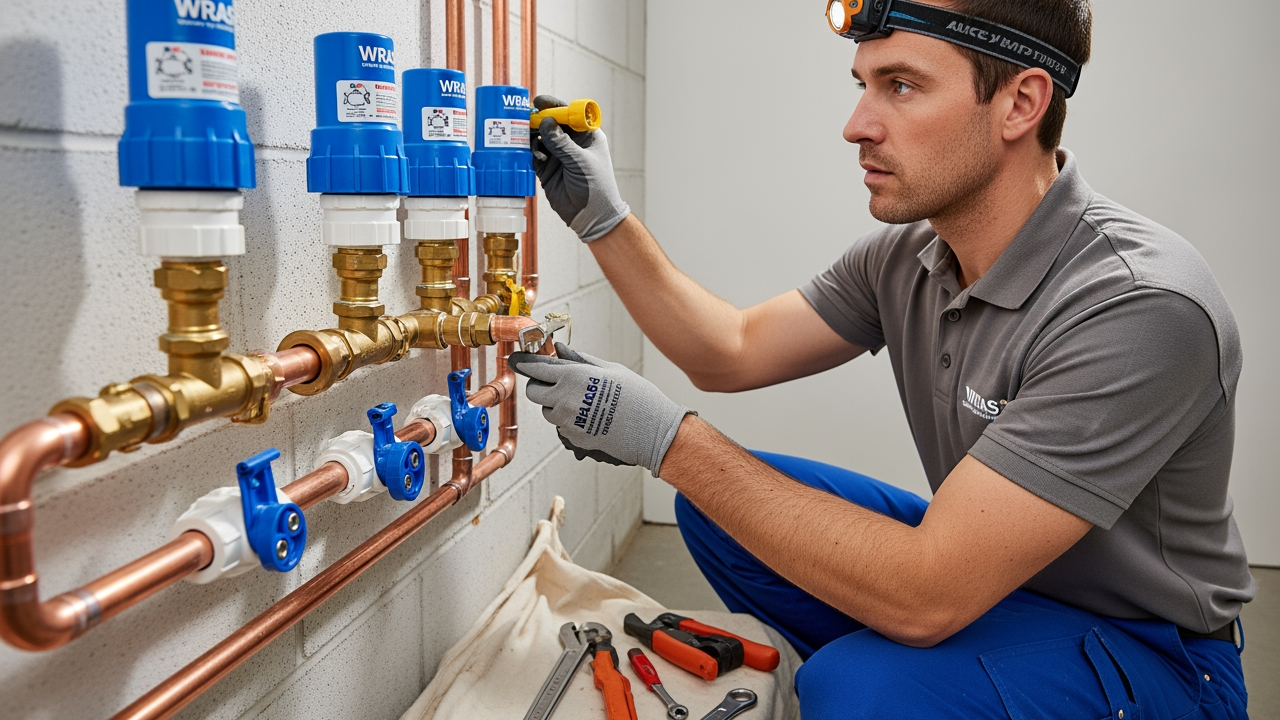
Selecting the right plumbing materials for residential and commercial installations requires more than just choosing quality products. Understanding which materials meet legal plumbing materials UK standards ensures compliance with regulations whilst protecting property owners from potential liability issues. This comprehensive guide examines the regulatory framework governing plumbing materials across the United Kingdom and explains how to identify approved products for safe, legal installations.
Understanding UK Plumbing Materials Regulations
The UK plumbing materials regulations framework primarily stems from the Water Supply (Water Fittings) Regulations 1999 in England and Wales, with similar legislation covering Scotland and Northern Ireland. These regulations exist to prevent contamination of drinking water, reduce water wastage, and ensure public health protection through proper material selection.
At Heating and Plumbing World, we stock products that meet all current regulatory standards, helping installers and homeowners navigate compliance requirements with confidence.
The Water Supply Regulations Framework
The Water Supply (Water Fittings) Regulations 1999 establish the legal foundation for plumbing installations throughout England and Wales. These regulations stipulate that every water fitting must be suitable for its intended use, be constructed from appropriate materials, and prevent contamination or waste of water. Compliance isn't optional - property owners and installers face potential prosecution and unlimited fines for non-compliant installations.
Scotland operates under the Water Supply (Water Fittings) (Scotland) Byelaws 2014, whilst Northern Ireland follows the Water Supply (Water Fittings) Regulations (Northern Ireland) 2009. Although terminology and enforcement mechanisms vary slightly, the fundamental requirements remain consistent across all UK jurisdictions regarding approved plumbing materials and installation standards.
WRAS Approval and Certification
The Water Regulations Advisory Scheme (WRAS) provides independent certification for plumbing products, testing materials against stringent criteria to verify compliance with water regulations. WRAS-approved products carry certification marks that installers and specifiers can trust when selecting materials for projects.
Pipe Materials: What's Legal and What's Not
Copper Piping Standards
Copper remains the traditional choice for UK plumbing systems, with specific grades approved for potable water applications. BS EN 1057:2006+A1:2010 defines the standard for copper tubes used in water and gas installations. Only copper conforming to this British Standard qualifies as legal plumbing materials UK for drinking water systems.
Half-hard and soft-temper copper tubes provide flexibility for various installation scenarios, whilst hard-drawn copper offers structural strength for exposed pipework. All copper must be lead-free and manufactured to specified thickness tolerances to prevent premature failure or water quality issues.
Plastic Pipe Regulations
Plastic piping systems have gained widespread acceptance, but only specific formulations meet UK regulatory requirements. Cross-linked polyethene (PEX) and polybutylene (PB) pipes carrying BS 7291 certification satisfy water regulation standards for hot and cold supply installations.
PEX-A, PEX-B, and PEX-C variants each undergo different manufacturing processes, yet all three types achieve WRAS approval when produced to specification. Polybutylene pipes offer excellent flexibility and chemical resistance, making them suitable for underfloor heating circuits and standard distribution pipework where UK plumbing materials regulations permit their use.
Multi-layer composite pipes combining plastic with aluminium barriers provide dimensional stability whilst maintaining corrosion resistance. These systems require appropriate certification demonstrating compliance with BS 7291 Class S for plastic pipes or BS 7291 Class D for barrier pipe systems.
Stainless Steel and Other Materials
Stainless steel pipework offers exceptional longevity and corrosion resistance, particularly in aggressive water conditions. Grade 304 and 316 stainless steel pipes meeting BS EN 10312 standards qualify for potable water applications throughout the UK. These materials prove especially valuable in commercial installations where durability justifies the higher initial investment.
Galvanised steel pipes, once common in UK properties, now face restrictions due to internal corrosion concerns and potential zinc leaching. Whilst existing installations may remain in service, new installations typically require replacement with approved alternatives like copper or certified plastics.
Fittings and Joining Methods
Compression Fittings Compliance
Compression fittings must conform to BS EN 1254 standards, with all components manufactured from dezincification-resistant brass or approved alternatives. The brass used in legal plumbing materials UK must contain minimal lead content, typically below 0.2%, to prevent heavy metal contamination of drinking water.
Quality compression fittings incorporate EPDM or silicone rubber seals that maintain integrity across the temperature ranges typical of UK heating and plumbing systems. Cheaper alternatives using inferior seal materials often fail prematurely, creating leaks and requiring costly repairs that proper specification would have prevented.
Soldered Joints Requirements
Lead-free solder represents the only acceptable choice for joints in potable water systems under current UK plumbing materials regulations. Traditional lead-based solders, whilst effective for creating watertight seals, pose unacceptable health risks through lead migration into drinking water. Modern lead-free alternatives typically combine tin with small quantities of copper or silver to achieve reliable joint strength.
BS EN 29453 specifies requirements for soft soldering fluxes used in plumbing applications, ensuring residues don't contaminate water supplies or promote corrosion. Only designated lead-free flux formulations should accompany lead-free solder use in drinking water systems.
Push-Fit Connections Standards
Push-fit fittings revolutionised plumbing installations by eliminating hot works and reducing installation time, but only certified products satisfy regulatory requirements. These fittings must withstand pressure testing to 1.5 times the maximum working pressure without failure, demonstrating reliability under stress conditions.
The grab ring mechanism in quality push-fit systems prevents pipe withdrawal under pressure, whilst the O-ring seal maintains water tightness across the service temperature range. WRAS-approved push-fit fittings carry visible certification marks confirming compliance with applicable standards for approved plumbing materials.
Water Storage and Pressure Management
Approved Water Tank Materials
Cold water storage tanks must comply with BS EN 12573 for polyethene tanks or BS 7491 for plastic cisterns. These standards ensure materials don't leach harmful substances into stored water whilst maintaining structural integrity under typical loading conditions. Only WRAS-approved tanks should be specified for potable water storage, with clear labelling indicating suitability for drinking water applications.
Water tanks manufactured to these exacting standards provide reliable service across residential and light commercial installations. Proper tank selection prevents contamination risks whilst ensuring adequate water supply during peak demand periods.
Expansion Vessel Requirements
Sealed heating systems require expansion vessels meeting BS EN 13831 standards to accommodate thermal expansion safely. These vessels contain a rubber diaphragm separating the water side from a pre-charged air cushion, with the diaphragm material formulated to resist degradation from heating system water quality conditions.
WRAS approval for expansion vessels confirms that all water-contact materials resist corrosion and don't leach harmful substances. Proper vessel sizing and installation according to manufacturer specifications ensures compliance with Building Regulations Part G whilst protecting the system from over-pressurisation.
Pressure Relief Valve Specifications
Pressure relief valves serve as critical safety components, preventing dangerous pressure build-up in sealed heating systems and unvented hot water cylinders. These valves must conform to BS 6283 for hot water system safety devices, with factory-set relief pressures appropriate for the specific application.
Quality pressure relief valves incorporate temperature-activated discharge mechanisms alongside pressure relief functions, providing dual protection against overheating and over-pressurisation scenarios. Regular testing and replacement according to manufacturer recommendations maintains system safety and regulatory compliance.
Backflow Prevention and Cross-Connection Control
Fluid Category Classification
UK plumbing regulations classify water uses into five fluid categories ranging from wholesome drinking water (Category 1) to serious health hazards (Category 5). This classification system determines the level of backflow protection required at each point of use, with higher-risk applications demanding more robust prevention measures.
Understanding fluid categories helps installers select appropriate backflow prevention devices, ensuring legal plumbing materials UK standards are met whilst protecting public water supplies from contamination. A washing machine connection typically requires Category 3 protection, whilst a commercial bidet demands Category 5 measures.
Approved Backflow Prevention Devices
Type A, B, C, and D air gaps provide physical separation between water supplies and potential contamination sources, with specific applications determining the appropriate gap type. Mechanical backflow preventers, including check valves and reduced-pressure zone (RPZ) devices, offer alternative protection methods where physical air gaps prove impractical.
All backflow prevention devices must carry WRAS approval and appropriate British Standard certification to satisfy UK plumbing materials regulations. Installation must follow manufacturer instructions precisely, as incorrect orientation or inadequate maintenance compromises protection effectiveness.
Testing and Maintenance Requirements
Mechanical backflow preventers require annual testing to verify continued functionality, with testing conducted by competent persons using calibrated equipment. Test certificates demonstrate regulatory compliance and provide evidence of proper system maintenance, should disputes arise with water authorities.
British Standards and Certification Marks
Essential British Standards for Plumbing
BS 6700:2006+A1:2009 provides comprehensive design, installation, testing and maintenance guidance for plumbing services in buildings. This standard references numerous product-specific standards, creating an integrated framework for approved plumbing materials selection and application throughout the UK.
Additional critical standards include BS 5449 for hot water storage systems, BS 8558 for domestic hot water service design, and BS EN 806 for internal water supply specifications. Familiarity with these standards enables installers to specify materials confidently, knowing selections meet current regulatory expectations.
Recognising Legitimate Certification
Genuine WRAS certification includes unique certificate numbers traceable through the WRAS online directory. Counterfeit or misleading certification marks occasionally appear on inferior products, making verification essential when legal plumbing materials UK compliance matters for project success.
British Standard Kitemark certification provides additional quality assurance, confirming products meet relevant standards through independent testing and ongoing factory surveillance. The Kitemark's recognition and reputation make it a valuable indicator when selecting critical system components.
Installation Considerations and Legal Obligations
Notification Requirements
Building Regulations Part G governs sanitation, hot water safety and water efficiency in England, requiring notification of certain plumbing works to local authority building control or through approved inspector schemes. Compliance with UK plumbing materials regulations forms a fundamental requirement within these notification procedures.
Scotland's building standards system and Northern Ireland's building regulations contain parallel requirements, with specific notification thresholds varying between jurisdictions. Installers must understand local requirements to ensure projects proceed legally from inception through completion.
Record Keeping and Documentation
Maintaining comprehensive records of materials used, including certification numbers and supplier details, provides valuable protection should compliance questions arise. These records demonstrate due diligence in selecting legal plumbing materials UK options, potentially limiting liability in contamination or failure scenarios.
Installation certificates confirming compliance with applicable standards give property owners confidence whilst facilitating property transactions. Proper documentation often proves essential when claiming against product warranties or pursuing redress for defective materials.
Professional Competence and Training
Water Industry Approved Plumbers Scheme registration demonstrates professional competence and commitment to current best practices. Approved plumbers receive regular training updates covering regulatory changes and emerging technologies, ensuring installations consistently meet legal requirements using approved plumbing materials.
Common Non-Compliant Materials and Practices
Legacy Materials Requiring Replacement
Lead piping remains present in many older UK properties despite being prohibited for new installations since the 1970s. Whilst replacement isn't automatically mandatory, water suppliers may require removal where lead concentrations exceed prescribed values. Modern legal plumbing materials UK alternatives provide safer, more durable replacements.
Asbestos-cement pipes, common in mid-century installations, pose health risks during disturbance and require specialist removal procedures. These materials cannot be used in new works and demand careful handling during renovation projects to prevent fibre release.
Prohibited Connection Methods
Solvent-weld joints using inappropriate adhesives may fail to achieve WRAS approval, creating potential contamination pathways or weak points prone to leakage. Only adhesives specifically formulated and certified for potable water applications satisfy UK plumbing materials regulations for plastic pipe joining.
Direct connections between heating systems and potable water supplies without appropriate backflow prevention violate fundamental regulatory requirements. These cross-connections create serious contamination risks that proper system design should eliminate through adequate separation and protection devices.
Future Regulatory Developments
Environmental Considerations
Emerging regulations increasingly address environmental impacts alongside traditional safety concerns, with water efficiency standards tightening across new build and renovation scenarios. Material selection increasingly considers embodied carbon and recyclability alongside performance characteristics and legal plumbing materials UK compliance.
The push towards net-zero carbon emissions influences plumbing material choices, with manufacturers developing lower-impact alternatives that maintain regulatory compliance whilst reducing environmental footprints. Staying informed about these developments helps installers anticipate future requirements and adopt sustainable practices proactively.
Industry Innovation and Standards Evolution
New materials and technologies continuously emerge, with standards organisations working to evaluate innovations and develop appropriate testing protocols. This ongoing evolution ensures UK plumbing materials regulations remain relevant whilst permitting beneficial technological advances that improve system performance, reliability, and efficiency.
Smart water monitoring technologies and intelligent control systems require integration with traditional plumbing materials, creating new considerations for installers and regulators alike. Ensuring these hybrid systems maintain water quality protection and efficiency standards presents ongoing challenges that industry collaboration helps address.
Choosing Compliant Materials for Your Project
Navigating the complex landscape of approved plumbing materials requires careful attention to certification marks, British Standards compliance, and WRAS approval status. Sourcing materials from reputable suppliers who maintain proper documentation and provide technical support simplifies the specification process whilst reducing compliance risks.
Professional installers understand that initial material costs represent only part of the total project value. Selecting legal plumbing materials UK options that meet all regulatory requirements prevents costly remedial works, reduces liability exposure, and ensures installations serve property owners reliably for decades.
For guidance on compliant plumbing materials and expert advice on your specific project requirements, contact us today. Our knowledgeable team can help identify the right products for your application whilst ensuring full compliance with current UK regulations.