

Baxi Bermuda Boiler Spares: Maintaining Older Models
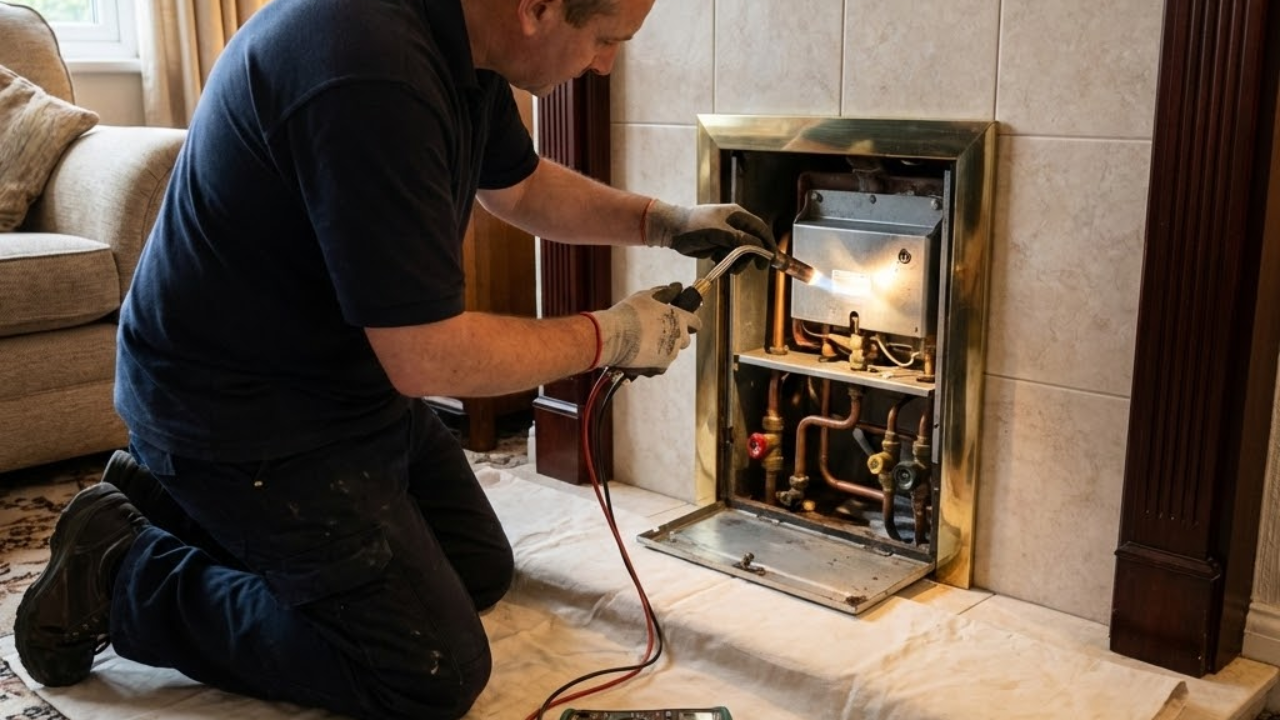
The Baxi Bermuda back boiler remains one of the most recognisable heating systems in British homes, despite production ceasing decades ago. Thousands of these units still operate daily, tucked behind gas fires in living rooms across the country. They're reliable workhorses that many homeowners are reluctant to replace, but keeping them running requires access to the right spares and a solid understanding of their unique maintenance needs.
For heating engineers, the Baxi Bermuda presents both a challenge and an opportunity. These back boiler systems were built to last, but when components fail, sourcing replacements isn't as straightforward as ordering parts for a modern combi. Understanding which spares are still available, which alternatives work, and when it's time to have the conversation about replacement makes the difference between a satisfied customer and a costly callback.
Understanding the Baxi Bermuda System
The Baxi Bermuda wasn't just a boiler. It was a complete heating solution that combined central heating with a living flame gas fire. Think of it like a multi-function kitchen appliance: one unit providing both your heating and a visible flame for ambience, saving space and installation costs compared to fitting separate systems. Installed behind a fireplace opening, these back boiler systems heated water for radiators whilst the front fire provided direct warmth to the room. This dual-purpose design made them incredibly popular from the 1960s through to the 1990s.
The system comprises several key components working together. The heat exchanger sits at the heart of the unit, transferring heat from the burner to the water circulating through the system. The gas valve controls fuel supply, whilst the thermocouple pilot assembly maintains the standing flame that ignites the main burner. A thermocouple acts as the safety device, shutting off gas if the pilot goes out.
These units were designed for gravity circulation systems, which means they often work with older pipework configurations. The boiler heats water that rises naturally through the system, with cooler water returning to be reheated. Many installations also include a separate hot water cylinder, typically in an airing cupboard upstairs.
For comprehensive support on back boiler systems and legacy heating installations, Heating and Plumbing World provides expert guidance on maintaining these heritage systems.
Common Baxi Bermuda Spare Parts Requirements
After decades of operation, certain components inevitably wear out. The thermocouple pilot assembly is perhaps the most frequently replaced part. This safety device generates a small thermocouple current when heated by the pilot flame, keeping the gas valve open. When it fails, the pilot won't stay lit, a problem that's often misdiagnosed as a gas valve issue.
The pilot assembly itself can become blocked with debris or suffer from wear to the injector. Cleaning sometimes works, but replacement is often more reliable. Original Baxi pilot assemblies are becoming scarce, though compatible alternatives exist for many models.
Gas valves control the flow of fuel to both pilot and main burner. These robust components can last the lifetime of the boiler, but when they fail, replacement is the only option. Newer universal gas valves sometimes work as replacements, but they require careful specification to match the original's pressure ratings and connection types.
The heat exchanger is the most expensive component and the one most likely to signal the end of a Bermuda's working life. Corrosion, particularly in areas with hard water, gradually reduces efficiency and can lead to leaks. Replacement heat exchangers are extremely rare, and fitting one involves substantial labour costs that often exceed the value of keeping an old system running.
Seals and gaskets deteriorate over time, especially those exposed to high temperatures. Door seals, flue seals, and the gasket around the heat exchanger all need periodic replacement to maintain safe operation and prevent carbon monoxide leaks.
Sourcing Baxi Bermuda Boiler Spares
Finding parts for discontinued models requires a different approach than ordering components for current systems. Heating and Plumbing World stocks a range of spares for older heating systems, including compatible components for Baxi Bermuda units where original parts are no longer manufactured.
Manufacturer stock is increasingly limited. Baxi maintains some spare parts for older models, but availability diminishes each year. When original parts are available, they're typically the best option, designed specifically for the system and guaranteed to fit correctly.
Pattern parts compatibility fill the gap left by discontinued originals. These aftermarket components are manufactured to match original specifications, though quality varies between suppliers. Reputable pattern parts often perform just as well as originals at a lower cost, but cheap alternatives can cause more problems than they solve.
Universal replacements work across multiple boiler models. Gas valves, thermocouples, and pilot assemblies often use standardised connections that allow newer universal parts to replace older specific ones. This requires careful checking of specifications. Thread sizes, pressure ratings, and physical dimensions must all match.
Reclaimed parts from decommissioned systems represent another source, though this comes with obvious risks. Without knowing the history of a used component, you're gambling on its remaining lifespan. For low-cost items like thermocouples, new parts make more sense. For expensive components like gas valves, reclaimed parts might be worth considering if properly tested.
For pump replacements and circulation upgrades when original parts aren't available, Grundfos manufactures modern circulators compatible with older gravity circulation systems.
Essential Maintenance for Extended Lifespan
Regular servicing extends the working life of these ageing systems considerably. An annual service should include checking the pilot flame for correct colour and shape. A healthy pilot burns blue with a small yellow tip. A lazy orange flame suggests dirt in the injector or insufficient gas pressure.
The burner requires inspection for blockages or corrosion. Dust and debris accumulate over years of operation, reducing efficiency and potentially causing incomplete combustion. Careful cleaning with appropriate tools restores performance, though aggressive brushing can damage components.
Flue integrity testing is critical for safety. These back boiler systems typically use a conventional flue that exits through the chimney. Any cracks, blockages, or deterioration in the flue pathway can allow combustion products to enter living spaces. Visual inspection combined with a flue gas analyser provides comprehensive assessment.
The heat exchanger should be checked for signs of corrosion or leaking. Scale buildup on the waterside reduces heat transfer efficiency, whilst corrosion on the fireside indicates potential failure. Flushing the system and treating with inhibitor helps protect against further corrosion.
System water quality affects boiler longevity significantly. Black iron oxide sludge circulating through old systems accelerates wear on pumps and heat exchangers. A powerflush removes accumulated debris, whilst adding corrosion inhibitor provides ongoing protection. This is particularly important for Bermuda boilers, which were designed before modern system treatments became standard.
For control system components and temperature regulation, brands like Danfoss offer compatible controls that can enhance older back boiler systems where appropriate.
Diagnosing Common Faults
When a Baxi Bermuda develops problems, systematic diagnosis saves time and prevents unnecessary parts replacement. Pilot won't stay lit is the most common complaint. Check the thermocouple pilot assembly first. If it's not positioned correctly in the pilot flame, it won't generate sufficient current to hold the gas valve open. Adjustment often solves the problem before you need to order parts.
If repositioning doesn't work, test the thermocouple with a multimeter. It should generate at least 15-25 millivolts when heated. Lower readings indicate a failing thermocouple requiring replacement. If the thermocouple tests fine, the gas valve's electromagnet may have failed.
Main burner won't ignite despite a healthy pilot suggests issues with the gas valve or thermostat. The room thermostat or cylinder stat should close a circuit that opens the main gas valve. Test for voltage at the valve when the thermostat calls for heat. No voltage indicates a wiring fault or failed thermostat; voltage present but no ignition points to the gas valve itself.
Noisy operation often relates to the system rather than the boiler. Kettling (a rumbling sound from the heat exchanger) indicates scale buildup restricting water flow. This causes localised overheating and steam bubble formation. Descaling or heat exchanger replacement are the only solutions, though the latter is rarely economical.
Reduced heat output can result from multiple causes. A partially blocked burner reduces combustion efficiency. Scale on the heat exchanger impedes heat transfer. Air in the system prevents proper circulation. Systematic checking identifies the root cause rather than guessing and replacing parts unnecessarily.
When Replacement Makes More Sense
There comes a point where maintaining an old Bermuda no longer makes financial or practical sense. If the heat exchanger fails, replacement costs typically exceed the value of keeping the system running. Modern boilers are so much more efficient that fuel savings alone justify the upgrade within a few years.
Repeated component failures signal a system reaching the end of its serviceable life. When you're replacing multiple parts annually, the cumulative cost approaches that of a new boiler installation. More importantly, reliability suffers. Customers don't appreciate frequent breakdowns regardless of repair costs.
Efficiency considerations matter increasingly. A Bermuda typically operates at 60-70% efficiency at best, meaning 30-40% of fuel is wasted. Modern condensing boilers achieve 90%+ efficiency, cutting fuel bills substantially. For customers concerned about running costs or environmental impact, this makes a compelling case for replacement.
Safety concerns override all other considerations. If the heat exchanger shows signs of cracking or the flue integrity testing is compromised, the system must be condemned. No amount of spare parts availability justifies operating a boiler that could leak carbon monoxide into living spaces.
The conversation about replacement is never easy, particularly with customers who've had trouble-free service for decades. Frame it in terms of reliability and running costs rather than simply declaring the system obsolete. Many homeowners appreciate straight talk about what makes economic sense, especially when backed by calculations showing payback periods for more efficient systems.
Working with Alternative Heating Solutions
When Bermuda owners decide to upgrade, the transition involves more than just swapping boilers. The existing gravity circulation system likely uses older pipework that modern boilers don't support. Upgrading means adding a circulation pump, typically requiring new pipework or system modifications.
Grundfos manufactures reliable circulators suitable for upgrading older systems. Sizing the pump correctly ensures adequate flow without generating excessive noise or causing problems with older radiators and pipework.
The fireplace opening previously occupied by the Bermuda needs addressing. Some customers want to maintain a living flame effect, in which case modern balanced flue gas fires provide the aesthetic without the heating function. Others prefer to brick up the opening or install an electric fire for occasional use.
For expansion vessels and system pressurisation when upgrading from gravity circulation to sealed systems, Altecnic Ltd supplies quality components compatible with system conversions.
Hot water provision changes too. Gravity circulation systems can remain, though many customers opt for combination boilers that provide instant hot water without storage. This depends on household size and usage patterns. Larger families with multiple bathrooms often benefit from retained cylinder storage.
Maximising Remaining Service Life
For customers committed to keeping their Bermuda running, several strategies extend operational life. System cleaning removes accumulated sludge that accelerates component wear. A professional powerflush followed by corrosion inhibitor treatment protects the heat exchanger and improves efficiency.
Water treatment prevents further corrosion. These back boiler systems weren't designed for sealed operation with inhibitor, but adding treatment through the feed and expansion tank provides protection. Products from manufacturers are compatible with older systems.
For modern control integration and efficiency improvements, brands like Honeywell offer controls that can enhance older back boiler systems where economically justified.
Proactive parts replacement prevents breakdowns. Thermocouples and pilot assemblies are relatively inexpensive. Replacing them during routine service rather than waiting for failure improves reliability. Keep commonly needed spares on the van to avoid return visits for simple component swaps.
Documentation helps future engineers. These back boiler systems lack the diagnostic capabilities of modern boilers, so notes about previous repairs, parts fitted, and system quirks save time during subsequent service visits. Customers appreciate engineers who maintain proper records rather than starting from scratch each year.
The Practical Reality
Here's the situation you'll face repeatedly: a customer calls because their Bermuda won't fire up, and they're worried about the cost of replacement. You arrive to find a forty-year-old back boiler that's been utterly reliable until now. The thermocouple pilot assembly has failed, a £15 part and twenty minutes' work.
Do you fix it knowing they'll likely get another few years, or push for immediate replacement? The answer depends on the overall system condition and the customer's circumstances. If everything else checks out fine and they're on a tight budget, replacing the thermocouple is the right call. If you spot multiple warning signs and they can afford an upgrade, honesty about the system's remaining lifespan serves them better long-term.
The Baxi Bermuda represents a particular era of British heating engineering. Robust, simple, and built to last. Keeping them running requires increasingly specialist knowledge as fewer engineers have hands-on experience with these back boiler systems. For those willing to maintain that expertise, there's steady work servicing and repairing units that owners aren't ready to replace.
Conclusion
Maintaining Baxi Bermuda boilers requires a pragmatic approach that balances parts availability, repair costs, and system longevity. These ageing back boiler systems can continue providing reliable heating when properly serviced and fitted with appropriate spares, but engineers must recognise when replacement becomes the more sensible option.
The key to successful Bermuda maintenance lies in understanding which components typically fail, sourcing quality replacement parts, and conducting thorough annual services that catch problems early. Thermocouples, pilot assemblies, and seals represent the most common spare parts requirements, items that remain available through specialist suppliers like Heating and Plumbing World even as original manufacturer stock diminishes.
However, major component failures, particularly heat exchanger problems, usually signal the end of economical repair. The efficiency gap between these older back boiler systems and modern condensing boilers means that fuel savings alone often justify replacement within a reasonable timeframe. When multiple repairs become necessary or safety concerns arise through failed flue integrity testing, recommending system upgrade becomes the responsible course of action.
For customers determined to keep their Bermuda running, regular maintenance, system cleaning, and proactive parts replacement maximise remaining service life. This approach works best when the overall system condition is sound and the customer understands they're maintaining an ageing appliance that will eventually require replacement.
The Baxi Bermuda's longevity is testament to solid engineering, but nothing lasts forever. As an engineer, your role involves keeping these back boiler systems running safely whilst helping customers make informed decisions about when repair stops making sense. That balance between maintaining older equipment and recognising its limitations defines professional service in the heating industry.
Proper thermocouple pilot assembly maintenance, careful pattern parts compatibility verification, regular gravity circulation checks, and comprehensive flue integrity testing separate professional Bermuda servicing from guesswork.
For technical advice on maintaining older heating systems or to source compatible spares for Baxi Bermuda boilers, contact us for expert guidance tailored to your specific requirements.