

Baxi Gas Fire Spares: Common Replacement Parts
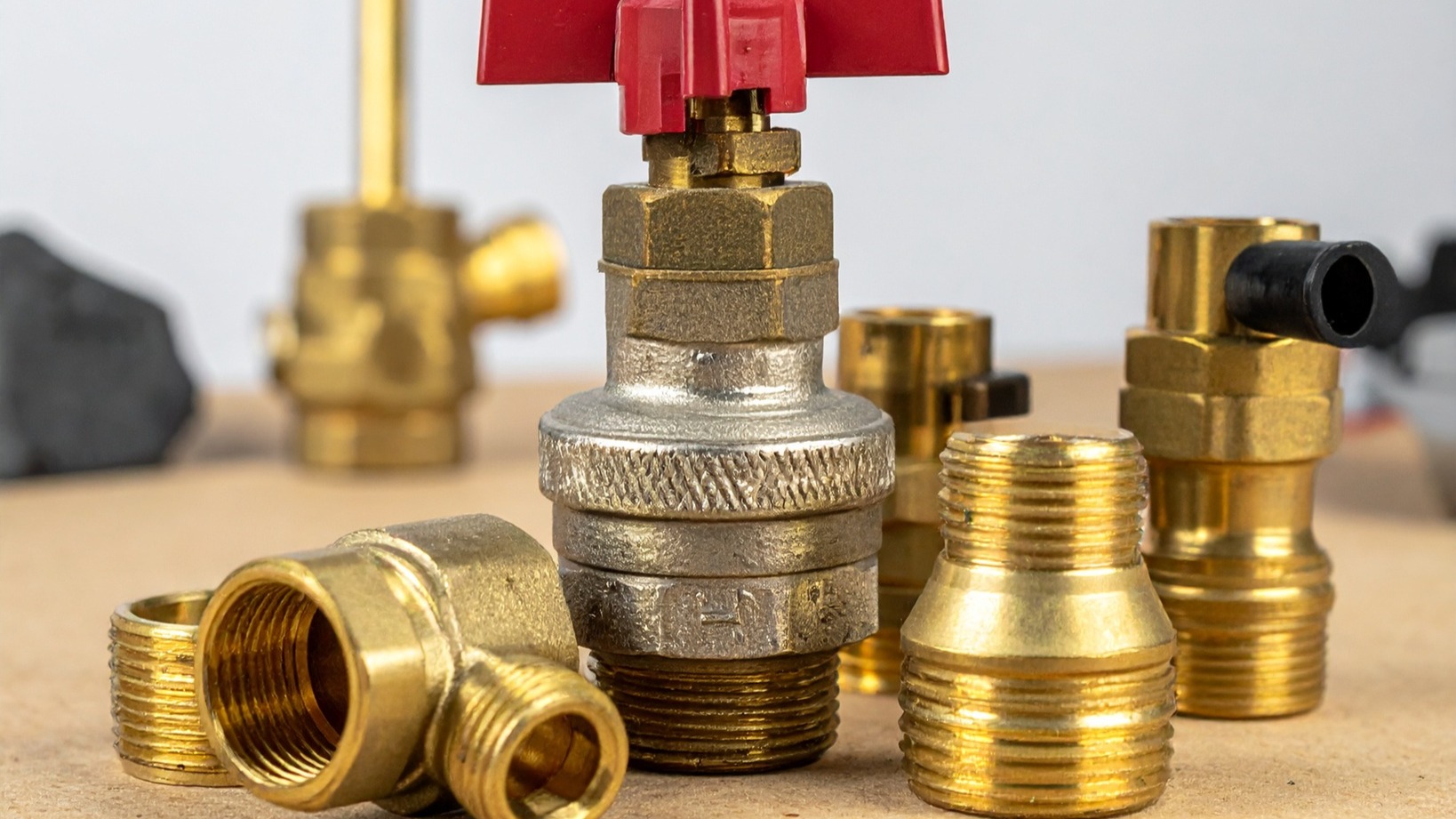
When your Baxi gas fire starts playing up on a chilly November evening, the last thing you want is a lengthy wait for repairs. Most issues with gas fires stem from worn or faulty components that can be replaced relatively quickly once you know what you're looking for. We've spent years helping homeowners and heating engineers source the right parts, and we've noticed the same components crop up time and again in repair jobs.
Understanding which parts commonly fail and why they do so can save you both time and money. Rather than replacing an entire unit, identifying the specific component causing trouble often means you're back to a cosy living room within hours, not days.
Parts That Wear Out Most Frequently
Thermocouples sit right at the heart of gas fire safety systems. This small but crucial component monitors whether your pilot light remains lit. When it detects the flame, it allows gas to flow to the main burner. Over time, thermocouples develop a coating from combustion byproducts, which interferes with their ability to sense heat accurately. You'll know yours has failed when the pilot light won't stay lit even after you've held down the control knob for the recommended time.
We see thermocouple replacements account for roughly 40% of Baxi gas fire repairs. They typically last between three and five years, though this varies based on usage patterns. If you run your gas fire daily throughout winter, expect to replace this component more frequently than someone who uses their fire occasionally.
Pilot assemblies work alongside thermocouples but serve a different function. They deliver a small, constant flame that ignites the main burner when you turn on your fire. Pilot jets can become blocked with debris or corrosion, leading to a weak or yellow flame instead of the sharp blue flame you should see. A weak pilot flame won't generate enough heat to keep the thermocouple engaged, which creates a frustrating cycle where your fire simply won't stay on.
Cleaning sometimes resolves pilot assembly issues, but replacement often proves more reliable. The cost of a new pilot assembly versus the time spent cleaning and testing an old one usually tips the scales towards replacement, particularly when you factor in the reliability of a fresh component.
Control Components That Fail
Gas valves regulate the flow of gas to your fire and respond to your controls. Modern Baxi gas fires use sophisticated valve systems that combine safety features with user controls. When a gas valve starts to fail, you might notice the fire won't turn on at all, won't turn off properly, or produce an inconsistent flame height.
These valves contain several moving parts, including solenoids that can burn out and diaphragms that can leak over time. Quality control components from Honeywell work with Baxi systems, as many manufacturers use standardised valve assemblies across different models.
Piezo igniters create the spark that lights your pilot flame. You'll recognise this component by the clicking sound it makes when you press the ignition button. Over time, the electrode that produces the spark can corrode or move out of position, meaning you get a click but no spark, or a spark in the wrong location.
Replacing a piezo igniter is straightforward compared to other components, which is fortunate because they fail relatively often. The repeated mechanical action of pressing the button eventually wears out the internal mechanism. If you find yourself clicking twenty times before getting ignition, replacement will soon become necessary.
Visual Components and Their Replacement
Coals and fire media might seem purely decorative, but they play a role in how your fire operates. Baxi designs its gas fires to work with specific arrangements of coals or pebbles, and these arrangements affect combustion efficiency and flame appearance. Over several years, ceramic coals can crack or discolour, whilst pebbles can shift out of their optimal positions.
Replacing fire media isn't just about aesthetics. Incorrectly positioned coals can interfere with the flame pattern, potentially causing incomplete combustion. This produces carbon monoxide, which is why maintaining proper coal arrangement matters for safety as well as appearance.
The specific media required varies between Baxi models. Using incorrect coals or pebbles can void warranties and create safety hazards, so always match replacements to your exact model number.
Glass Panels and Seals
Glass panels on balanced flue gas fires can develop a white, cloudy appearance over time. This happens when the seal between the two panes of glass fails, allowing moisture to enter. You can't clean this cloudiness away because it sits between the glass layers.
Replacement glass panels come as sealed units designed for specific Baxi models. The glass serves both aesthetic and functional purposes, forming part of the combustion chamber that maintains proper airflow. Cracked or damaged glass requires immediate replacement, as it compromises the fire's safe operation.
Glass seals and rope seals sit around the edges of glass panels and doors, creating an airtight barrier. These seals deteriorate from repeated heating and cooling cycles. You'll notice problems when you feel draughts around the fire or when the glass becomes excessively hot to touch, indicating that hot gases are escaping where they shouldn't.
Replacing seals is preventative maintenance that extends the life of other components. When seals fail, your fire works harder to maintain proper combustion, putting additional strain on thermocouples, gas valves, and other parts.
Burner Components
Main burners distribute gas across the fire bed and create the flame pattern you see. Baxi uses different burner designs across its range, from simple bar burners to more complex tray systems. Over many years, burners can corrode or develop blockages in the gas ports.
A failing burner produces uneven flames, with some areas burning strongly whilst others barely light. You might also notice increased sooting on the glass or surrounding areas, which indicates incomplete combustion. Whilst some minor issues can be resolved through cleaning, heavily corroded burners need replacement.
The burner works in conjunction with heating controls in your home, responding to temperature demands. When the burner itself degrades, even perfect control systems can't compensate for the physical limitations of damaged metalwork.
Fans and Motors
Flue fans appear in balanced flue and fan-flue Baxi gas fires. These fans extract combustion gases and draw in fresh air for burning. The motor bearings wear out over time, leading to noisy operation or complete failure. You'll hear the difference when a fan starts to fail because it develops a grinding or squealing sound quite different from its normal quiet hum.
Fan failure is serious because it affects how combustion gases leave your home. Modern Baxi fires include safety interlocks that prevent operation if the fan isn't working correctly, so a failed fan means no fire at all until you replace it.
We've noticed fan failures increase during periods of heavy use. A fan that runs for eight hours daily throughout winter experiences significantly more wear than one used sporadically. Factor in your usage patterns when considering whether preventative replacement makes sense.
Electrical Components
PCBs (printed circuit boards) control electronic functions in modern Baxi gas fires. These boards manage ignition sequences, safety checks, and user controls. When a PCB fails, you might experience various symptoms depending on which part of the board has problems, from completely dead controls to intermittent operation.
PCB failures often result from power surges, moisture ingress, or simply the end of the component's service life. These boards contain numerous electronic components, and when one fails, replacing the entire PCB proves more practical than attempting repairs.
Switches and controls include the knobs, buttons, and receivers you interact with daily. Mechanical switches eventually wear out from repeated use. Remote control receivers can fail due to electrical issues or interference from other devices.
Replacing user controls restores the convenience of easy operation. We often see people tolerating finicky controls for months before finally replacing them, only to wonder why they waited so long.
Identifying Your Model
Before ordering any Baxi gas fire spares, locate your model number. You'll typically find this on a data badge inside the fire, often visible when you remove the front panel or look beneath the fire. The model number looks something like "Baxi Bermuda 552" or might be a code like "FSBC2HE".
This precision matters because Baxi has manufactured dozens of gas fire models over the years, and parts aren't interchangeable between models. A thermocouple for one model might have different dimensions or mounting points compared to another, even if they look similar at first glance.
We maintain detailed records of which parts fit which models, but starting with an accurate model number eliminates guesswork. Photograph the data badge with your phone so you have the information readily available when sourcing parts.
When to Replace Rather Than Repair
Some components can be cleaned, adjusted, or temporarily fixed, whilst others need outright replacement. A blocked pilot jet might respond to careful cleaning with compressed air, but a corroded burner assembly won't improve, no matter how much you scrub it.
Age plays a role in this decision. If your Baxi gas fire is fifteen years old and the gas valve fails, you might consider whether investing in repairs makes sense compared to upgrading to a newer, more efficient model. However, for fires under ten years old, replacing individual components almost always proves more economical than full replacement.
The availability of parts also influences decisions. Baxi continues to manufacture spares for discontinued models, but very old models eventually reach a point where certain parts become difficult to source. We stock an extensive range of heating components and spare parts that work with various systems, but extremely obsolete models sometimes require creative solutions.
Safety Considerations
Gas appliances demand respect. Whilst some components like decorative coals or glass panels can be replaced by confident DIYers, anything involving the gas supply or combustion system requires a Gas Safe registered engineer. This isn't about technical difficulty alone; it's about legal requirements and safety.
We supply Baxi spare parts list items to both trade professionals and homeowners, but we always emphasise that installation of gas-related components must comply with regulations. A thermocouple might cost twenty pounds and look simple to fit, but incorrect installation can create carbon monoxide risks that endanger your household.
If you're sourcing parts yourself to reduce costs, arrange for a qualified engineer to fit them. Many engineers happily work with customer-supplied parts, particularly when those parts come from reputable suppliers who guarantee authenticity.
Maintenance That Extends Component Life
Annual servicing by a Gas Safe engineer catches problems before they become failures. During a service, the engineer checks thermocouple operation, cleans the pilot assembly, inspects seals, and verifies that all safety systems work correctly. This preventative approach typically extends component life by years.
Between services, keep the area around your fire clear of dust and debris. Vacuum around the fire regularly, but never vacuum inside the fire itself, as this can disturb coal arrangements or damage delicate components. If you notice unusual smells, sounds, or flame patterns, turn off the fire and arrange for an inspection rather than continuing to use it.
The plumbing and heating systems in your home work together, and maintaining one aspect supports the others. A well-maintained gas fire puts less strain on your central heating system and vice versa.
Sourcing Genuine Parts
Genuine Baxi spares guarantee compatibility and safety. Whilst pattern parts sometimes cost less, they may not meet the same specifications or carry the same warranties as original components. We prioritise genuine parts because we've seen the problems that arise from using incorrect replacements.
Pattern parts occasionally fit physically but perform differently from the originals. A thermocouple might be slightly less sensitive, or a gas valve might operate at marginally different pressures. These small differences can affect safety and efficiency in ways that aren't immediately obvious.
When you source parts from Heating and Plumbing World, you're getting components that match original specifications. We work directly with manufacturers and authorised distributors, which means you can trust that what arrives matches what you ordered. For specialist advice on Baxi gas fire spares and compatibility, get in touch with our technical team.
Ensuring Long-Term Reliability
Baxi gas fires deliver reliable warmth for years, but like all appliances, they eventually need replacement parts. Understanding which components commonly fail and why helps you respond quickly when problems arise. Thermocouples, pilot assemblies, gas valves, and igniters account for the majority of repairs, whilst glass panels, seals, and decorative media need periodic replacement to maintain appearance and efficiency.
Always start with your exact model number when sourcing parts, as compatibility matters enormously with gas appliances. Whilst some components suit DIY replacement, anything involving a gas supply requires a Gas Safe registered engineer. This isn't excessive caution; it's about protecting your household and complying with regulations designed to prevent carbon monoxide poisoning and gas leaks.
Regular servicing catches problems early and extends the life of all components. Combined with prompt replacement of worn parts, this approach keeps your Baxi gas fire operating safely and efficiently for many years. We stock a comprehensive range of genuine Baxi gas fire spares, supporting both heating engineers and homeowners who need reliable components delivered quickly. When your fire needs attention, having the right part available immediately transforms a potential week-long inconvenience into a same-day fix.