

Best Water-Saving Showerheads for Low Pressure Gravity Systems
Millions of older UK properties still rely on traditional plumbing layouts featuring a cold water storage tank hidden up in the loft. Finding proper water-saving showerheads for these specific setups is notoriously difficult. If you install the wrong component, you completely destroy the user experience and frustrate your clients. You must understand exactly how low pressure gravity systems operate before specifying any modern bathroom fixtures.
Achieving a luxurious wash while conserving resources requires a strict understanding of fluid dynamics. You can't simply block the water flow and hope for the best. By selecting cleverly engineered brassware, you actively preserve the spray force while drawing significantly less water from the hot water cylinder.
Understanding the Gravity-Fed Challenge
Water pressure in these older properties is dictated entirely by physical gravity. For every single metre the cold water tank sits above the actual bathroom outlet, you generate exactly zero point one bar of pressure. This means a first-floor bathroom might only have a tiny fraction of a bar to work with. Heating and Plumbing World provides the specialised brassware required to handle these exact physical limitations reliably.
If a modern fixture requires a high minimum operating pressure, it will simply fail to function in this environment. The water lacks the heavy kinetic force required to push past the complex internal cartridges. You must manually calculate the static head of the property before purchasing any new shower equipment. Guessing the available pressure almost always leads to a completely useless, trickling installation.
Why Standard Restrictors Fail
Most modern eco fixtures use physical rubber restrictor washers to artificially limit daily water usage. Think of a standard restrictor exactly like a heavy traffic jam on a narrow country lane. If the cars are already moving incredibly slowly due to low speed limits, adding a roadblock stops the traffic completely. Applying heavy physical restriction to an already weak supply absolutely ruins your showerhead flow rate.
These modern restrictive washers are engineered specifically for unvented mains systems running at three bar. When you force a pathetic gravity supply through that tiny restrictive hole, the velocity drops to near zero. You end up with a frustrating, useless dribble of water that can't even rinse shampoo out of hair. You must avoid these standard restrictive discs entirely when working on older UK properties.
The Physics of Venturi Air Injection
To save water without ruining the daily shower experience, you need to rely on highly clever fluid dynamics. The absolute best solution for low pressure gravity systems is a precision fixture that utilises venturi air injection. This technology forces the water through a specially shaped internal chamber that naturally creates a localized pressure drop. This pressure drop physically sucks atmospheric air directly into the passing water stream.
As the air mixes violently with the water, it bulks up the physical droplets from the inside out. You're effectively replacing thirty percent of the water volume with completely free atmospheric air. It provides a brilliant mechanical solution for water-saving showerheads because it requires absolutely no electrical power to operate. You generate an incredibly powerful feel strictly through intelligent internal engineering.
Maximising the Droplet Size
By infusing air into the stream, venturi air injection makes the water droplets significantly larger and lighter. When these swollen, air-filled droplets hit the skin, they burst open violently. This physical bursting action makes the spray feel incredibly thick and luxurious, completely masking the lower water volume. It's a highly effective psychological and physical trick used by premium brassware manufacturers.
This clever manipulation of fluid dynamics maintains a highly satisfying showerhead flow rate while dramatically lowering the utility bills. The hot water cylinder drains much slower, meaning the boiler fires up far less frequently to reheat the tank. You actively deliver a premium user experience while keeping the household carbon footprint remarkably low.
Real-World Specification Errors
On a recent residential bathroom refit, a homeowner bought a cheap eco fixture online because it promised massive utility savings. They screwed it on, turned the tap, and a pathetic dribble of water slowly fell straight down towards the drain. We had to immediately remove the restrictive unit and specify a proper aerating head designed for a low minimum operating pressure. That quick ten-minute swap instantly restored the wide spray pattern and kept their daily consumption strictly controlled.
That specific failure proves why you can't buy generic plumbing components for highly specific gravity systems. A cheap piece of plastic will never replicate the precision engineering required to manipulate low-velocity water. You must rely on trusted trade brands that specifically engineer their nozzles to minimize internal flow resistance.
Pipework Sizing and Friction Loss
You must also look closely at the wider domestic hot water system when trying to optimise an older property. If the existing copper pipework is heavily scaled or poorly routed, even the absolute best fixtures will heavily struggle to perform. Delivering water through restrictive fifteen-millimetre pipes drastically reduces the volume arriving at the final outlet.
Upgrading the final bathroom branch lines using reliable push fit copper fittings ensures the water reaches the thermostatic valve without unnecessary friction loss. Every single sharp copper elbow or redundant bend removes vital kinetic energy from the flow. Keeping the internal waterways smooth and wide is a fundamental requirement for gravity installations.
When to Consider Mechanical Boosting
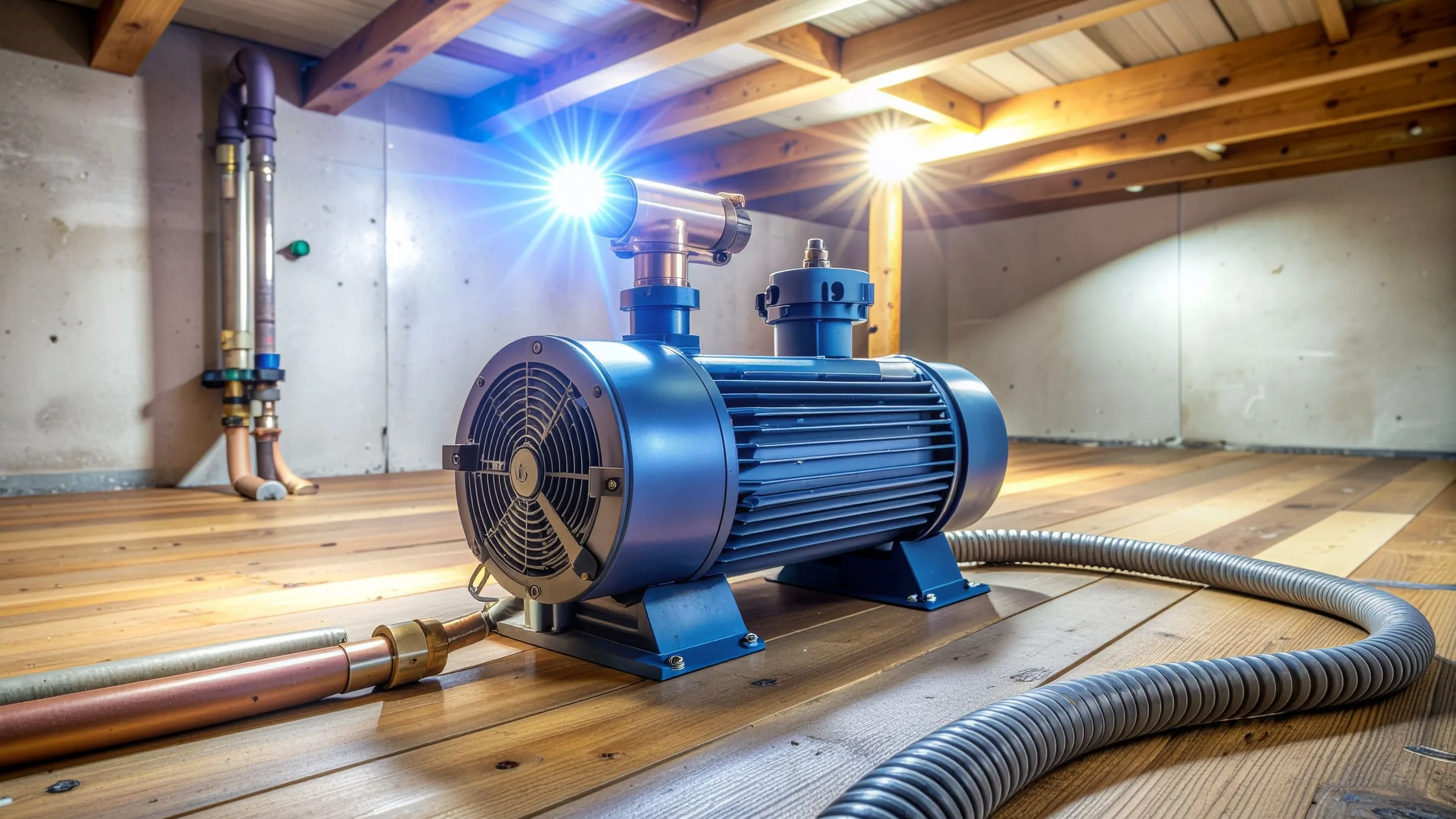
Sometimes, the physical height of the loft tank simply can't generate enough static force for a modern luxury bathroom. In these extreme cases, relying solely on highly engineered water-saving showerheads isn't a viable technical solution. You must actively boost the supply using a dedicated domestic shower pump hidden securely inside the airing cupboard.
This mechanical intervention forcefully pushes the water through the pipework and guarantees absolute user comfort regardless of the loft height. You must carefully determine if the property requires a positive head or a universal negative head unit. If the showerhead sits higher than the cold water tank, a positive head unit simply won't activate.
Installation and Pump Integration
Clients often ask how hard is it to replace a water pump when they finally decide to upgrade their pathetic plumbing. It's a highly straightforward job for a professional engineer, provided the pipework is relatively accessible. You just need to ensure the new unit is mounted on an anti-vibration pad to keep the noise levels down.
Incorporating a modern water circulation pump instantly transforms a pathetic gravity drip into a premium, high-performance spray. When combined with an aerated showerhead, it provides the perfect balance between luxury pressure and strict environmental conservation. You give the client exactly what they want without draining the local reservoir.
Conclusion
Navigating the unique challenges of an older plumbing network requires specific technical knowledge and exactly the right components. You can absolutely achieve excellent water conservation without sacrificing daily comfort if you specify the correct aerated fixtures. Never guess the required pressure ratings when purchasing new brassware for your residential clients.
Always calculate the static head of the property before making any final procurement decisions. Please contact our support team to ensure you select the perfect, fully compatible hardware for your upcoming low-pressure bathroom installation.