

Boiler Flue Clamps and Seals: Ensuring Gas-Tight Connections
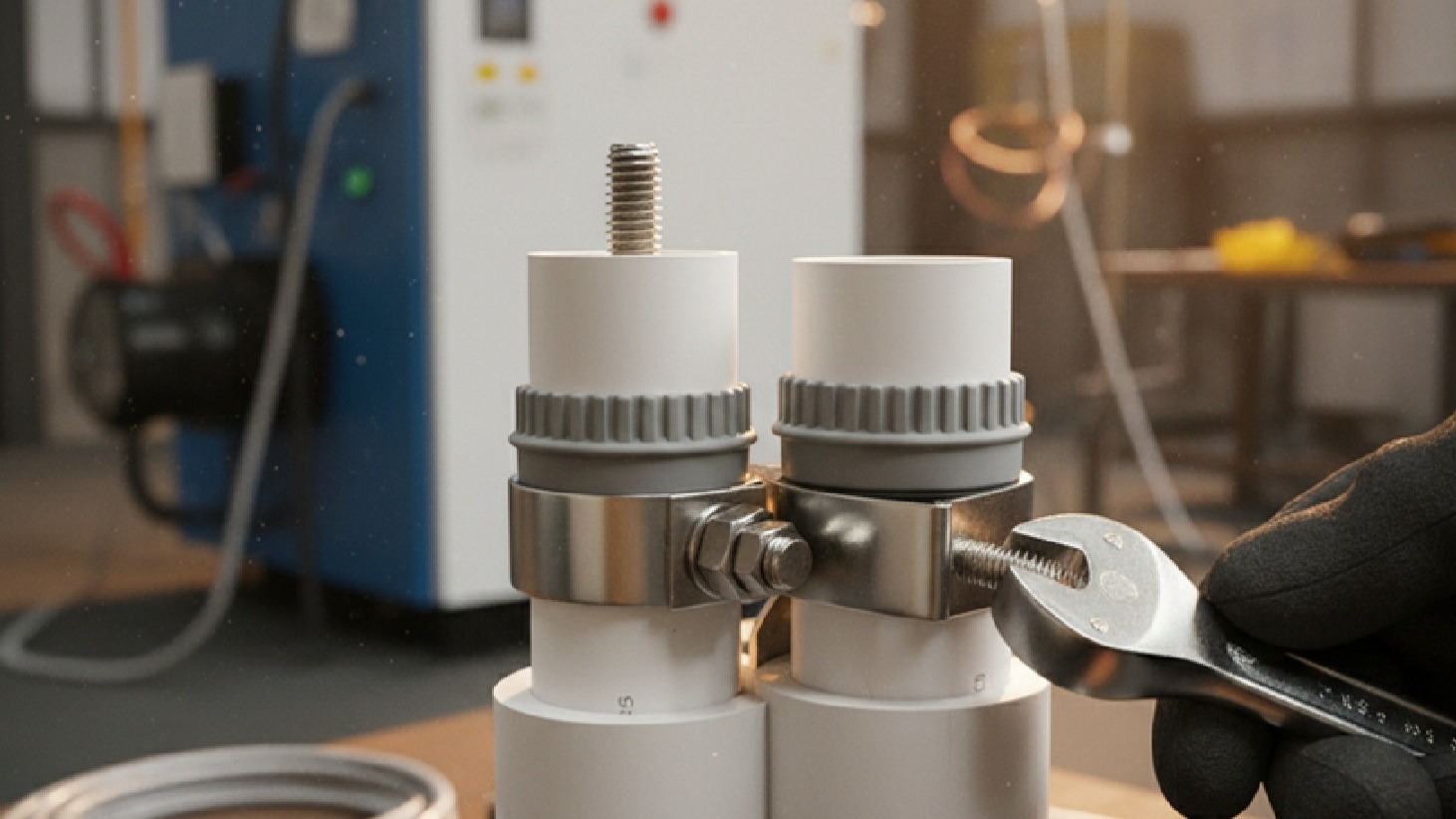
When a boiler flue leaks combustion gases into a property, the consequences range from carbon monoxide poisoning to failed safety inspections and expensive emergency callouts. Yet thousands of installations across the UK still rely on poorly fitted or degraded boiler flue clamps and seals that compromise system integrity from day one.
The difference between a safe, compliant installation and a potentially lethal one often comes down to components costing just a few pounds. Flue clamps and seals form the critical barrier between combustion gases and living spaces, yet they're frequently treated as afterthoughts during installation or maintenance. Understanding how these components work, when they fail, and how to select the right specification can prevent the majority of flue-related incidents seen in domestic and light commercial settings.
What Flue Clamps and Seals Actually Do
Boiler flue systems consist of multiple sections that must connect without allowing any gas to escape. Clamps provide the mechanical force that holds these sections together, whilst seals create the gas-tight barrier between mating surfaces. Neither component works effectively without the other.
Modern condensing boilers produce cooler flue gases than older atmospheric models, which means condensation forms inside the flue system. This acidic condensate attacks sealing materials and corrodes metal components over time. The flue clamp must maintain consistent pressure on the seal throughout temperature cycles, vibration from the boiler operation, and chemical exposure from condensate.
Different boiler manufacturers specify different flue diameters, materials, and connection methods. A 60mm concentric flue system requires completely different clamps and seals compared to a 100mm twin-wall system. Using incorrect components creates immediate safety risks, regardless of how well they appear to fit during installation.
Common Failure Points in Flue Connections
Hundreds of failed flue installations reveal consistent patterns. The most common failure point sits at the boiler flue outlet where temperature fluctuations are most extreme. As the boiler fires, the flue heats and expands. When it shuts down, rapid cooling causes contraction. This thermal cycling gradually works clamps loose and hardens sealing materials until they crack.
Horizontal flue runs present additional challenges. Condensate pools at low points rather than draining back to the boiler, which concentrates corrosive exposure. Clamps positioned at these locations corrode faster, and seals degrade within 3-5 years rather than the expected 10-15 year lifespan.
External flue terminals face weather exposure that internal sections never encounter. UV radiation from sunlight degrades rubber and silicone seals. Wind loading creates vibration that loosens clamp fixings. Ice formation can physically force flue sections apart during severe winters. These environmental factors explain why external connections require more frequent inspection than internal joints.
Poor initial installation causes the majority of premature failures. Over-tightening clamps deforms seals and creates stress points that crack under thermal cycling. Under-tightening allows micro-movements that abrade sealing surfaces. Cross-threading clamp fixings prevents proper compression. Each mistake shortens service life dramatically. It's like overtightening a jar lid, too much force damages the seal, whilst too little allows leaks.
Selecting the Right Boiler Flue Clamps for Your System
Manufacturer-specific components always provide the safest option. Boiler manufacturers test their flue systems as complete assemblies, and substituting generic clamps introduces variables that weren't part of that testing. When working with Andrews or Halstead boilers, using the specified flue components ensures compliance with installation instructions and maintains warranty coverage.
Generic flue clamps serve a role in certain applications, particularly when replacing obsolete components on older systems where original parts are no longer available. However, they require careful specification matching. The clamp diameter must match the flue outer diameter precisely. A 60mm flue requires a 60mm clamp, not a 55-65mm adjustable clamp tightened to fit. The adjustment range on universal clamps exists to accommodate manufacturing tolerances, not to span multiple size categories.
Material selection matters more than many installers realise. Stainless steel clamps resist corrosion far better than mild steel alternatives, particularly in coastal areas or industrial environments with high atmospheric pollution. The initial cost difference of £2-3 per clamp becomes irrelevant when the alternative requires replacement after three years instead of fifteen.
Clamp band width affects pressure distribution across the seal. Narrow bands concentrate force into a small area, which can cut through softer sealing materials. Wide bands distribute pressure more evenly but require more torque to achieve the same compression. Matching clamp width to seal design prevents both under-compression and seal damage.
Quality components from Heating and Plumbing World ensure proper specification matching for reliable, long-term performance.
Understanding Seal Materials and Applications
Silicone seals dominate modern condensing boiler applications because they resist acidic condensate and maintain flexibility across temperature ranges from -40°C to +200°C. High-quality silicone formulations last 15-20 years in typical installations, whilst cheaper grades harden and crack within 5-7 years.
EPDM rubber seals cost less than silicone but offer inferior chemical resistance. They work adequately in non-condensing applications or dry sections of flue runs, but condensate exposure degrades them rapidly. Some older boiler models still specify EPDM seals for certain connections, which makes using the correct replacement material essential during maintenance.
Fibre gaskets appear in some high-temperature applications, particularly on commercial boilers with flue temperatures exceeding 200°C. These compressed fibre materials handle extreme heat but require precise surface preparation and specific torque values during installation. Using them incorrectly creates more problems than using the wrong material entirely.
O-rings seal telescope joints where one flue section slides inside another. These connections require the O-ring to maintain sealing pressure whilst allowing axial movement for thermal expansion. Lubricating O-rings during installation with silicone grease prevents tearing and ensures proper seating, yet this critical step gets skipped in rushed installations.
Flue Seal Installation Techniques That Prevent Failures
Clean, dry surfaces form the foundation of reliable flue connections. Condensate residue, installation debris, or corrosion on mating surfaces prevents seals from bedding properly. Wiping both male and female connection surfaces with a clean cloth takes fifteen seconds but eliminates a major failure mode.
Seal Positioning
Seal positioning requires more attention than it typically receives. The seal must sit squarely in its groove or on the mating surface before assembly. Twisted or partially seated seals create leak paths immediately. With concentric flue systems, checking seal position becomes difficult once the outer section obscures the inner connection, which makes getting it right first time essential during flue seal installation.
Clamp Positioning
Clamp positioning affects both sealing performance and long-term reliability. The clamp should sit centrally over the joint, not biased towards one end. On systems with multiple clamps per joint, spacing them evenly around the circumference prevents pressure variations that allow gas escape.
Tightening Sequence
Tightening sequence matters on multi-clamp joints. Starting with finger-tight assembly of all clamps, then gradually increasing torque in a cross-pattern (like tightening wheel nuts) prevents distortion. Final tightening should achieve manufacturer-specified torque values, not "as tight as possible." Over-torquing damages seals and deforms flue sections.
Post-Installation Testing
Testing every flue joint after installation catches problems before they become safety hazards. A simple smoke pellet test reveals leaks immediately, whilst waiting for the annual service means potentially months of gas leakage. Professional installations include verification that all connections seal properly under operating conditions.
A heating engineer once completed a boiler replacement on a Friday afternoon, rushing to finish before the weekend. He installed all flue sections correctly but forgot to check the seal position on the terminal connection, it had twisted during assembly. The homeowner noticed a smell on Sunday evening when the boiler ran for the first time that weekend. The engineer returned Monday morning to find the twisted seal had allowed combustion gases to escape for two full days. A 30-second visual check during installation would have prevented the callback, the safety risk, and the reputational damage.
System-Specific Considerations
Concentric flue systems present unique challenges because the inner flue runs inside the outer air supply pipe. Seals must prevent both combustion gas leakage and air ingress whilst accommodating different thermal expansion rates between inner and outer sections. These systems typically use specialised seal designs that aren't interchangeable with standard flue seals.
Twin-wall flue systems for longer runs or external installations use double-skin construction with insulation between layers. Connections require seals at both inner and outer walls, and boiler flue clamps must compress both seals simultaneously. Missing or incorrectly fitted inner seals allow combustion gases into the insulation space, where they can migrate along the flue run and emerge at unexpected locations.
Vertical flue systems benefit from condensate drainage back to the boiler, which reduces seal exposure to acidic moisture. However, they face different challenges from thermal updraft and stack effect pressures. Clamps must resist these upward forces whilst maintaining seal compression, particularly at the boiler outlet connection where temperatures are highest.
Horizontal and angled flue runs require careful attention to condensate management. Low points need drainage provisions, and seals at these locations need more frequent inspection. Some installations benefit from additional support brackets that prevent sagging, which would otherwise stress connections and distort seals.
Troubleshooting Connection Problems
Visible condensate leakage around joints indicates either seal failure or inadequate clamp compression. Before assuming the seal has failed, verify the clamp hasn't loosened due to thermal cycling or corrosion. Re-tightening may solve the problem temporarily, but if the clamp won't hold torque or the seal shows visible damage, replacement is necessary.
Intermittent leakage that appears only during boiler operation suggests thermal expansion issues. The connection may be adequate when cold but separates slightly at operating temperature. This pattern indicates either incorrect flue section engagement (not pushed together fully) or seal material that's become too rigid to accommodate movement.
Sooting around flue joints shows combustion gas leakage, which represents a serious safety concern requiring immediate attention. Unlike condensate leaks that merely damage building fabric, gas leaks can produce carbon monoxide in occupied spaces. Systems showing this symptom need shutdown until repairs are completed.
Corrosion concentrated at specific joints rather than general surface rust indicates long-term gas leakage at those locations. The acidic combustion gases accelerate corrosion dramatically compared to atmospheric exposure. These joints need complete replacement of both clamps and seals, plus inspection of the flue sections themselves for corrosion damage.
Integration with Broader Heating System Maintenance
Flue integrity connects directly to overall system safety and efficiency. A leaking flue reduces system efficiency by allowing combustion gases to escape before transferring their heat. More critically, it introduces safety risks that proper maintenance of other components can't mitigate.
When servicing heating systems with components from manufacturers like Honeywell or Danfoss, the flue system deserves the same attention as controls and valves. These brands represent quality in their respective categories, and matching that quality standard in flue components maintains system integrity.
Pump performance from reliable units like those from Grundfos means nothing if combustion gases are leaking into the property. System efficiency improvements from better controls become irrelevant if the flue system fails a safety inspection. Balanced attention across all system components produces reliable, safe heating installations.
Regulatory Compliance and Documentation
Building regulations require gas-tight flue systems, and Gas Safe registration holders bear responsibility for ensuring compliance. Using appropriate boiler flue clamps and seals isn't optional or subject to installer preference. It's a fundamental safety requirement backed by law.
Documentation of flue components used during installation or maintenance protects both installer and property owner. Recording clamp types, seal materials, and installation dates provides valuable information for future maintenance and demonstrates due diligence if problems arise later. This documentation takes minutes to complete but can prove invaluable years later.
Benchmark commissioning documents should include flue system details, not just boiler settings and system configuration. Future engineers need to know what components were installed originally to source correct replacements and identify any non-standard specifications.
Making Quality Choices Pay Off
Spending an extra £10-15 on manufacturer-specified clamps and high-quality seals during installation prevents callbacks that cost ten times that amount in labour alone. The reputational damage from safety incidents or failed inspections carries costs that no amount of component savings can justify.
Quality components from established suppliers provide consistency and reliability that generic alternatives can't match. When sourcing parts for heating systems, whether expansion vessels from Altecnic Ltd or plumbing components from Polypipe, the same principle applies: specified components deliver predictable performance.
The heating and plumbing industry has moved towards higher efficiency and lower emissions, which places greater demands on every system component. Flue clamps and seals that were adequate for older atmospheric boilers don't meet the requirements of modern condensing systems. Updating practices to match current technology isn't optional for professionals who take safety seriously.
Critical Safety Through Proper Installation
Boiler flue clamps and seals represent small components with enormous safety implications. Their proper selection, installation, and maintenance prevents carbon monoxide incidents, ensures regulatory compliance, and delivers reliable system performance throughout the heating system's service life.
The technical requirements aren't complex: use manufacturer-specified components where possible, match materials to application conditions, install with proper technique, and inspect regularly. Yet these straightforward principles get compromised by time pressure, cost cutting, and complacency more often than technical ignorance.
Professional heating engineers who prioritise flue system integrity build reputations for safe, reliable installations that pass inspections consistently and avoid emergency callbacks. Property owners benefit from peace of mind that their heating system won't leak dangerous gases into living spaces. The modest investment in quality components and proper flue seal installation technique pays dividends in safety, efficiency, and system longevity that far exceed the initial cost difference.
Treating flue clamps and seals as critical safety components rather than generic consumables changes outcomes. Every connection deserves the same attention whether it's the first joint at the boiler outlet or the final terminal connection. That consistent standard of care separates adequate installations from excellent ones, and it's a distinction that matters when lives depend on gas-tight connections.
For technical guidance on flue system components and proper installation techniques, contact us for expert support from Gas Safe registered engineers.