

Boiler Flue Kits: Complete Horizontal And Vertical Packages
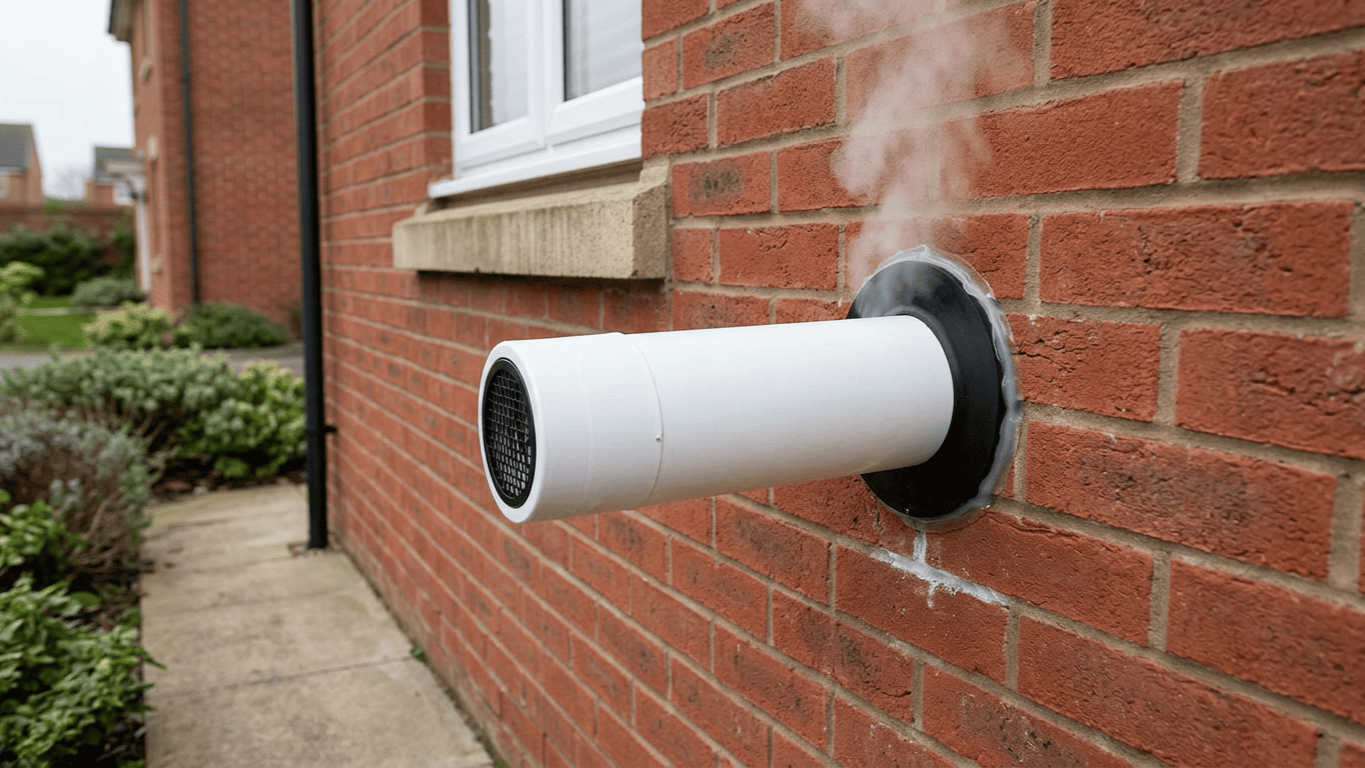
When a boiler flue fails or needs replacing, you're not just swapping out a pipe. You're dealing with combustion gases, building regulations, and the very real risk of carbon monoxide poisoning if you get it wrong. Boiler flue kits give you everything needed for a safe, compliant installation in one package, whether you are running the system horizontally or vertically.
Years of working in HVAC installations reveal countless botched flue jobs. The common thread? Installers cobbling together mismatched components, assuming close enough works for exhaust systems. It doesn't. Proper boiler flue kits eliminate guesswork and ensure every component is designed to work together perfectly.
What Makes A Complete Flue Kit
A genuine complete flue kit contains every component required to safely vent combustion gases from your boiler to the outside air. Heating and Plumbing World provides complete packages that ensure safety and compliance. This isn't just about the main pipe.
A standard kit includes:
- Main flue pipe (usually 60mm, 80mm, or 100mm diameter)
- Terminal (the external outlet)
- Wall plate and fixings
- Sealing gaskets or O-rings
- Mounting brackets
- A specific condensate trap adapter for condensing boilers
- A ridge tile terminal or flat roof terminal for vertical runs
- Flashing kit for weatherproofing
- Extension pipes for varying roof heights
- Support brackets for vertical runs
- Storm collar to prevent water ingress
The diameter matters enormously. A 60mm flue suits most domestic boilers up to 30kW, whilst commercial installations often require 80mm or 100mm systems. Using the wrong diameter creates back pressure, triggering safety lockouts or, worse, allowing exhaust gases to spill into the property.
Horizontal Vs Vertical: Which System Fits Your Building
The choice between horizontal and vertical flue systems isn't about preference. It's dictated by your building layout, boiler location, and external clearances.
Think of a vertical flue like the exhaust system on a high-performance car. Just as a tuned exhaust requires specific back-pressure and clear exit paths to keep the engine running safely, a boiler flue needs exact routing and clearances to safely expel dangerous gases without choking the system.
Horizontal flues exit through an external wall, typically within 1 to 2 metres of the boiler. They're simpler to install, cheaper, and easier to service. You'll fit horizontal systems in roughly 70% of residential installations because most units sit on external walls. This is especially true when fitting a standard combi boiler.
But horizontal flues have strict clearance requirements. The terminal must sit at least 300mm from windows, 600mm from doors, and 2000mm below openings. On terraced houses or flats, you often can't meet these distances. That's when vertical becomes necessary. Vertical systems cost 40% to 60% more than horizontal equivalents due to additional components and installation complexity. But they're often the only compliant option when the boiler sits on an internal wall or planning restrictions prohibit wall-mounted terminals.
Material Choices: Plastic Vs Stainless Steel
Modern boiler flue kits use either polypropylene plastic or stainless steel. Each suits different applications.
A polypropylene plastic flue handles condensing boiler exhaust perfectly. Condensing boilers produce relatively cool exhaust gases (around 60°C) with acidic condensate. A polypropylene plastic flue resists this corrosion and costs significantly less than stainless steel.
Nearly all domestic condensing boiler manufacturers supply a polypropylene plastic flue as standard. They're lightweight, easy to cut, and simple to seal with push-fit O-rings. When routing these alongside standard pipework insulation, the white plastic is also less visually intrusive than metal alternatives.
Stainless steel costs two to three times more than plastic but lasts decades longer. In commercial settings, non-condensing setups, or situations requiring fire-rated systems, this investment makes sense. For domestic condensing boilers, plastic is perfectly adequate and manufacturer-approved.
Length Limitations And Extension Options
Every flue system has maximum length restrictions. Exceed them and you create dangerous pressure imbalances.
On a recent commercial project, an installer assumed a standard system could handle a 10-metre horizontal run without checking the manual. Within days, the boiler kept locking out due to back pressure. A quick calculation showed the three 90-degree elbows had pushed the resistance well beyond the fan's capacity. It was an expensive lesson in reading the manufacturer's data before starting work.
Horizontal flues typically max out at 3 to 4 metres total length for standard boilers. Each 90-degree elbow counts as approximately 1 metre of straight pipe due to resistance. So a flue with two elbows and 2 metres of pipe hits the 4-metre limit.
Some high-efficiency boilers with powerful fans can push to 10 metres horizontally, but you'll need to check the installation manual. Don't assume all boilers handle long runs equally. They don't. If you need boiler replacement parts to extend a system, always use official extension kits. Never cut and join random pipe sections. The joints won't seal properly, and you'll fail a gas safety inspection immediately.
Terminal Types And Positioning Requirements
The terminal is where your flue system meets the outside world. Getting this wrong creates immediate safety hazards.
Standard concentric terminals are the most common, featuring an exhaust pipe inside an air intake pipe. A plume management terminal disperses exhaust to reduce visible steam plumes. You'll need a plume management terminal when the standard exhaust path crosses a walkway, window, or boundary line. Low-level terminals are designed for installations below 2.5m height with enhanced safety features.
Standard terminals must sit at least 300mm from any opening and 600mm from internal or external corners. This prevents exhaust gases re-entering the building or staining walls.
When going through the roof, a ridge tile terminal sits astride the roof ridge and is self-flashing. Flat roof terminals require separate flashing and weatherproofing. A high-quality ridge tile terminal provides excellent weather resistance and blends into the roofline perfectly. Using proper plumbing fittings and supplies ensures these penetrations remain watertight over time.
Vertical terminals must extend at least 600mm above the roof surface and 2300mm above any point within 2 metres horizontally. This ensures wind doesn't force exhaust back down the flue.
Condensate Management In Flue Systems
Condensing boilers produce roughly 2 to 3 litres of acidic condensate per day. Your system must handle this without allowing it to pool or freeze.
Horizontal flues slope back towards the boiler at a 3-degree minimum. This ensures condensate drains properly. A dedicated condensate trap adapter directs this acidic water safely into the system. Without a proper condensate trap adapter, pooled liquid freezes in winter, blocking the flue and shutting down the boiler.
The trap inside the boiler then drains to a waste pipe or soakaway. Never run this to a rainwater drain, as it's acidic and corrodes standard drainage systems. Sourcing the right heating plumbing supplies is critical for handling these corrosive fluids safely and compliantly.
Vertical flues naturally drain condensate downward, but you still need a robust condensate trap adapter at the base. In cold climates, insulated pipes prevent freezing during extreme weather.
Manufacturer-Specific Kits Vs Universal Options
Most manufacturers produce boiler flue kits specifically designed for their units. These guarantee compatibility and maintain warranty coverage.
Manufacturer-specific kits exactly match the boiler's outlet dimensions and mounting points. They include brand-specific terminals and components that integrate perfectly with the casing. Using the manufacturer's kit maintains your warranty. Fit a third-party flue and many manufacturers will void coverage if anything goes wrong, even if the problem isn't directly related to the exhaust.
Universal kits cost 20% to 30% less and work across multiple brands. For straightforward installations, they're perfectly adequate. But universal kits may not include brand-specific adapters, meaning you'll need to source these separately, which erodes the cost saving.
Building Regulations And Compliance Requirements
Flue installations in the UK must comply with Building Regulations Part J, which governs combustion appliances. This isn't optional.
You must ensure proper clearances from openings, boundaries, and combustible materials. Flues must be rigidly fixed to prevent movement, and all roof penetrations must be properly flashed and sealed. Gas-tight joints are mandatory.
Only Gas Safe registered engineers can legally install boiler flues. DIY installation is illegal and voids your home insurance. It is common to see homeowners attempt self-installation to save £200, then face £5,000 insurance claims when carbon monoxide detectors trigger. The installer must provide a Building Regulations Compliance Certificate upon completion.
Installation Challenges And Common Mistakes
Even experienced installers encounter challenges with flue systems. The most common issues include:
Inadequate support causes horizontal flues to sag over time, creating condensate pools and stress on joints. Every horizontal run needs support brackets every 1 metre maximum.
Incorrect terminal positioning places terminals too close to windows or boundaries. Measure twice, drill once. Moving a terminal hole costs hundreds in making good.
Missing fire protection where flues pass through combustible materials is dangerous. You need proper fire sleeves to maintain the fire rating and prevent heat transfer from igniting surrounding materials.
Poor sealing happens with rushed assembly without proper O-ring lubrication. Exhaust leaks are invisible but deadly. Every joint must be fully seated and tested.
Cost Considerations And Long-Term Value
Horizontal kits range from £60 to £150 for standard domestic systems. Manufacturer-specific kits sit at the higher end, whilst universal options sit at the lower. Vertical kits start around £150 for basic systems and reach £400 or more for extended vertical runs with premium terminals.
Installation labour typically adds £200 to £400 depending on complexity. A simple horizontal wall penetration takes two to three hours. A vertical system through two floors and a pitched roof needs a full day.
Cheap kits save money initially but often lack durability. A £70 universal kit often needs replacing after three years when seals perish and joints loosen. A £120 manufacturer kit typically lasts 10 to 15 years without issues. For rental properties or new builds, invest in quality kits. The cost difference is minimal compared to callback visits and tenant complaints about boiler breakdowns.
Maintenance And Inspection Requirements
Regular servicing must include thorough flue checks. Inspect terminal condition and clearances, joint integrity, support bracket security, and condensate drainage function.
Horizontal terminals accumulate debris more readily. Spiders love building webs in the warm exhaust outlet. A blocked terminal triggers safety lockouts and potentially dangerous exhaust spillage.
Vertical terminals face weather exposure. Storm damage can dislodge terminals or crack flashing seals. After severe weather, a visual inspection catches problems before they cause failures. Replace seals and gaskets every five to seven years, even if they appear intact. Perished seals leak gradually, allowing exhaust gases into wall cavities or roof spaces before becoming obvious.
Conclusion
Boiler flue kits eliminate the guesswork and component-matching headaches that plague cobbled-together installations. Whether you need a straightforward horizontal system or a complex vertical run, buying a matched kit ensures every component works together safely and efficiently.
Never compromise on flue installation to save a few pounds. The risks of carbon monoxide poisoning, boiler damage, and voided warranties far outweigh any cost savings from cheap components or DIY attempts. Always use Gas Safe registered engineers for all installation work. If you are unsure about the exact requirements for your next project, contact our technical team to ensure you specify the correct components first time.