

Boiler Overheat Thermostats: Safety Cut-Off Devices
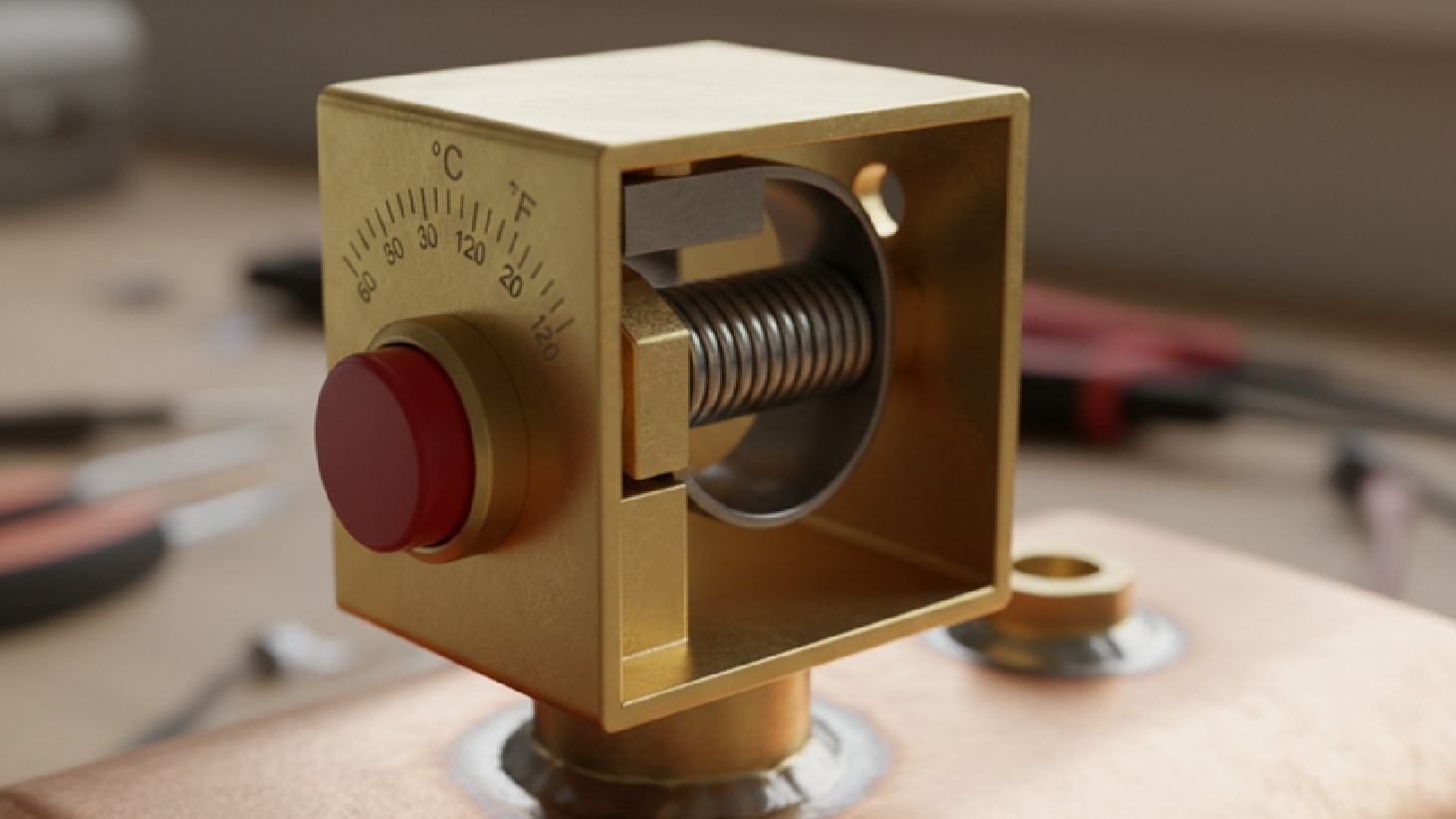
Your boiler's quietly humming away in the cupboard, keeping your home warm and your water hot. But what happens when things get too hot? That's where the overheat thermostat steps in, a small but mighty safety device that could prevent a catastrophic failure.
Most homeowners never think about this component until something goes wrong. Yet this unassuming device stands between normal operation and potentially thousands of pounds in damage, not to mention serious safety risks. Understanding how it works and why it matters can save you considerable hassle down the line.
What Actually Is a Boiler Overheat Thermostat?
A boiler overheat thermostat is essentially a temperature-sensitive switch designed to cut power to your boiler when internal temperatures exceed safe operating limits. Think of it as a circuit breaker, but instead of responding to electrical current, it responds to heat.
The device typically sits directly on or near the heat exchanger, the hottest part of your boiler. When water temperature climbs beyond a predetermined threshold (usually between 90°C and 110°C, depending on the model), a bi-metallic strip inside the thermostat expands, breaking the electrical circuit and shutting down the burner immediately.
This isn't the same as your regular boiler thermostat that controls your home's temperature. That device manages comfort levels. The overheat thermostat manages safety. It only activates when something's gone wrong with the primary temperature control system.
Modern boilers often have multiple safety cut-offs working in layers. The boiler overheat thermostat represents one of the final lines of defence before physical damage occurs. When you're sourcing replacement parts or upgrading your system, quality components from trusted suppliers like Andrews or Halstead ensure these safety mechanisms function reliably.
Why Your Boiler Overheats in the First Place
Before examining the thermostat itself, it helps to understand what causes overheating. Boilers don't just randomly decide to get too hot, something triggers the problem.
Circulation pump failure ranks as one of the most common culprits. When the pump stops moving water through the system, heat builds up in the heat exchanger with nowhere to go. The water temperature climbs rapidly, and without intervention, the boiler could suffer serious damage. Quality circulation pumps from manufacturers like Grundfos are designed to prevent this scenario, but even the best pumps eventually wear out.
Blocked heat exchangers create similar problems. Limescale buildup in hard water areas acts like insulation, preventing heat from transferring into the circulating water. The burner keeps firing, the heat can't dissipate effectively, and temperatures soar. This happens gradually over the years, which is why regular servicing matters so much.
Common Triggers for Overheating
Faulty primary thermostats can also trigger overheating. If the main temperature control fails in the 'on' position, the burner keeps firing regardless of actual water temperature. The overheat thermostat becomes your only protection against runaway heating.
Low water pressure or airlocks in the system reduce the volume of water available to absorb heat. Less water means faster temperature rises. This often happens after maintenance work or in systems that haven't been properly filled and bled.
Closed or blocked valves prevent hot water from circulating to radiators or other heat emitters. The heat has nowhere to go, so it accumulates in the boiler itself. Someone accidentally turning off a zone valve can trigger this scenario.
How the Overheat Thermostat Actually Works
The overheat thermostat function relies on elegantly simple mechanics, which is partly why it's so reliable. Most overheat thermostats use a bi-metallic strip, two different metals bonded together that expand at different rates when heated.
As the temperature rises, one metal expands more than the other, causing the strip to bend. At a specific temperature, this bending action physically breaks an electrical contact, cutting power to the gas valve or oil pump. The burner shuts down immediately, preventing further heat generation.
The beauty of this mechanical design is that it doesn't rely on complex electronics or software. It's a direct physical response to temperature. This means it works even if other control systems have failed, which is often exactly when you need it most.
Some modern boilers incorporate electronic overheat protection as well, using thermistors and control boards to monitor temperature. These provide additional layers of safety, but many engineers still prefer systems with mechanical backup. Electronics can fail in unpredictable ways; a properly designed bi-metallic switch is binary, it either works or it doesn't.
The set point temperature varies by boiler type and manufacturer. Combination boilers typically have lower thresholds than system boilers because they're designed for instant hot water production and operate at different pressures. Always check your specific model's specifications when replacing components.
Manual vs Automatic Reset: Understanding the Difference
Overheat thermostats come in two main varieties: manual reset and automatic reset.
Manual reset thermostats require physical intervention after they've tripped. Someone needs to press a reset button (often located behind an access panel) before the boiler will fire again. This design forces you to acknowledge that something went wrong. It's a safety feature disguised as an inconvenience.
Countless situations show where a manual reset prevented further damage because the homeowner called an engineer instead of just restarting the boiler repeatedly. If your overheat thermostat keeps tripping, that's your boiler screaming for help. The manual reset forces you to listen.
Automatic reset thermostats restore the circuit once the temperature drops back below the threshold. The boiler can restart without intervention. This sounds convenient, but it can mask underlying problems. If your boiler overheats overnight due to a faulty pump, an automatic reset might allow it to restart in the morning, giving no indication that anything went wrong.
Most modern installations favour manual reset for primary overheat protection. The temporary inconvenience of pressing a button is worth the safety benefit of forced awareness. Some systems use an automatic reset for secondary temperature limits (slightly lower temperatures) and a manual reset for the absolute maximum threshold.
When selecting components for your heating system, consider how these safety features integrate with your overall setup. Control systems from Honeywell or EPH Controls often work in concert with overheat protection to create comprehensive safety networks.
Signs Your Overheat Thermostat Has Tripped
The most obvious sign is that your boiler simply won't fire. You hear the initial startup sounds, maybe the fan running or the ignition clicking, but the burner doesn't light. If you've ruled out other common causes (no gas, electrical issues, frozen condensate pipe), the overheat thermostat might have tripped.
Some boilers display specific error codes when overheat protection activates. Check your manual for codes related to overheating or high limit switches. These codes are your boiler's way of telling you exactly what went wrong.
Physical inspection sometimes reveals clues. If you can safely access the overheat thermostat (with the boiler isolated from power), you might find a reset button that's popped out. This indicates the device has tripped. Don't just reset it without investigating why it tripped in the first place.
Recent unusual behaviour often precedes an overheat trip. The boiler cycling frequently, strange noises from the heat exchanger, or kettling sounds all suggest temperature problems developing. These warnings give you a chance to address issues before the overheat protection activates.
The Overheat Thermostat Function in Multi-Layered Safety
Modern heating systems don't rely on a single safety device. The overheat thermostat works as part of a comprehensive protection network.
Primary controls manage normal operation, keeping temperatures within optimal ranges. These include the main thermostat, modulating gas valves, and pump speed controllers. They handle 99% of temperature regulation during normal operation.
Secondary controls provide backup if primary systems fail. These might include high-limit thermostats set at temperatures between normal operation and the overheat threshold. They provide warnings or initiate controlled shutdowns before reaching critical temperatures.
The boiler overheat thermostat serves as the ultimate mechanical failsafe. When everything else has failed to prevent a dangerous temperature rise, this device cuts power completely. It's your last line of defence against heat exchanger damage, boiler failure, or worse.
Pressure relief valves work alongside overheat protection. If the temperature rises, so does pressure in a sealed system. The pressure relief valve prevents the system from becoming a pressure vessel bomb, whilst the overheat thermostat stops the heat source. Both need to function correctly.
Modern condensing boilers add another layer of complexity. These systems operate at lower return temperatures to maximise efficiency through condensation. The overheat protection needs to account for this whilst still providing safety at higher temperatures. Temperature differentials between flow and return become important monitoring points.
For systems using expansion vessels from suppliers like Altecnic, the relationship between pressure and temperature becomes even more critical. A failing expansion vessel can lead to pressure spikes that, combined with overheating, create dangerous conditions.
Preventing Overheat Situations Before They Happen
The best overheat thermostat is one that never needs to trip. Prevention focuses on maintaining the systems that keep your boiler operating within normal temperature ranges.
Annual servicing catches problems before they escalate. An engineer checks pump operation, inspects the heat exchanger for scale buildup, tests thermostats and sensors, and verifies proper water circulation. This one appointment prevents most overheating scenarios.
Water quality matters more than most people realise. In hard water areas, inhibitors and scale reducers protect heat exchangers from limescale buildup. Regular water testing and treatment keep the system clean and efficient. Quality plumbing fittings ensure leak-free connections that maintain system integrity.
System pressure monitoring should become a monthly habit. Check the pressure gauge on your boiler. It should typically read between 1 and 1.5 bar when cold. Pressure that's too low can lead to overheating because there's insufficient water volume to absorb heat effectively.
Component Maintenance
Pump maintenance extends component life and prevents sudden failures. Pumps from Lowara or other quality manufacturers last longer with proper care, but they're not immortal. Strange noises, vibrations, or reduced flow rates are early warning signs.
Thermostatic radiator valves should be checked periodically. Stuck valves can restrict flow, causing heat to back up into the boiler. Give them a twist occasionally to ensure they move freely. Replace any that feel stiff or don't respond properly.
Zone valves need similar attention. If you have a multi-zone system, verify that valves open and close correctly. A stuck closed valve can trap heat in the boiler with nowhere to go.
The Cost of Ignoring Overheat Protection
When a boiler overheat thermostat trips, it's protecting you from consequences that range from expensive to catastrophic. Understanding what you're avoiding helps put the importance of this component in perspective.
Heat exchanger damage tops the list. When temperatures exceed design limits, metal expands beyond its elastic range. This creates permanent deformation, cracks, or splits in the heat exchanger. Replacement costs typically run from £500 to £1,500, depending on the boiler model, and that's assuming the boiler is worth repairing at all.
Boiler casing damage can occur if overheating becomes extreme. Plastic components melt, insulation degrades, and the structural integrity of the unit suffers. At this point, you're often looking at complete boiler replacement rather than repair.
Water damage happens when overheating leads to leaks. A split heat exchanger or failed seal can dump litres of water into your home. The water damage often costs more than the boiler repair itself, ruined floors, damaged ceilings, and destroyed possessions.
Serious Safety Risks
Fire risk is the nightmare scenario. Extreme overheating can ignite nearby combustible materials or cause electrical fires. Whilst rare in modern installations with proper safety devices, it's the ultimate reason why overheat protection exists.
Gas safety issues can develop if overheating damages components in gas valve assemblies or control systems. Compromised gas safety is not something you take chances with; it can lead to carbon monoxide risks or even explosions.
The overheat thermostat typically costs between £15 and £50, depending on the model. Labour for replacement might add £75 to £150. Compare that to the thousands of pounds in potential damage, and the value proposition becomes crystal clear.
Working with Quality Components and Suppliers
When you're replacing or upgrading heating system components, the source matters. Quality parts from established manufacturers like Danfoss, Gledhill, or Myson come with proper specifications, testing, and warranties.
Counterfeit or substandard safety components represent false economy. An overheat thermostat that fails to trip at the correct temperature, or trips prematurely, can cause problems ranging from inconvenient to dangerous. Genuine parts undergo rigorous testing to ensure they perform correctly across thousands of cycles and years of service.
Documentation matters too. Proper components come with installation instructions, temperature ratings, and electrical specifications. This information helps engineers install them correctly and troubleshoot problems if they arise. Generic parts often lack this crucial information.
For complete system installations or major overhauls, working with comprehensive suppliers who stock everything from circulation pumps to plumbing systems streamlines the process. You're not cobbling together components from multiple sources of varying quality; you're building a coherent system from compatible, quality parts.
Protecting Your Boiler Investment
Your boiler's overheat thermostat sits quietly in the background, hopefully never needing to do its job. But when things go wrong, when pumps fail, thermostats stick, or systems develop faults, this small device stands between normal operation and serious damage.
Understanding the overheat thermostat function, why it matters, and what triggers it helps you maintain your heating system more effectively. When that reset button needs pressing, you'll know it's not just an inconvenience, it's a warning that something needs attention.
Regular maintenance, quality components, and prompt attention to warning signs keep your boiler operating safely for years. The overheat thermostat is your last line of defence, but it shouldn't be your only one. A well-maintained system with properly functioning pumps, clean heat exchangers, and reliable controls rarely tests its overheat protection.
When you do need replacement parts or system upgrades, choosing quality components from trusted manufacturers ensures these safety systems work when you need them most. The few extra pounds spent on genuine parts pales in comparison to the thousands you'll save by preventing overheat damage.
Your boiler works hard to keep your home comfortable. The overheat thermostat works hard to keep your boiler safe. Give both the attention they deserve, and you'll enjoy reliable heating for years to come without the drama of emergency breakdowns or expensive repairs.
For quality boiler components and safety devices that meet manufacturer specifications, Heating and Plumbing World stocks a comprehensive range from trusted suppliers. Need advice on boiler safety systems or replacement thermostats? Get in touch with heating specialists who understand protection mechanisms and proper installation requirements.