

Boiler Plate Details That Prevent Wrong Spare Orders
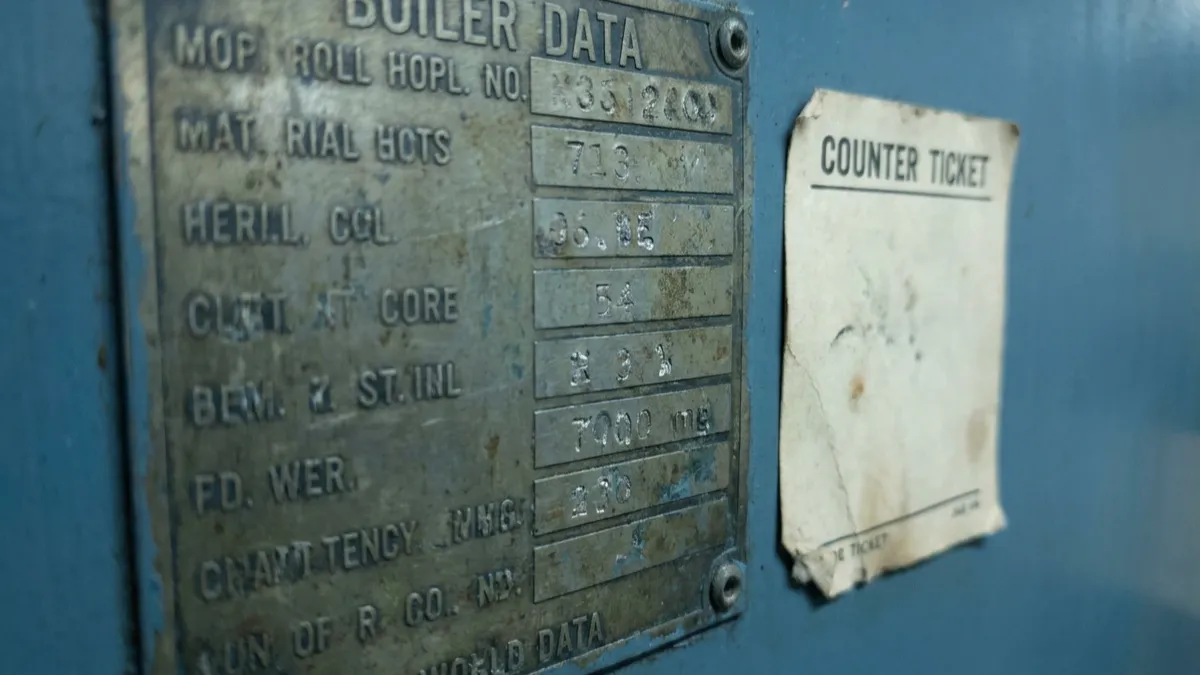
Boiler parts identification starts with the appliance data plate, not the casing print. Make, model, GC number and serial identify the boiler and determine which spare should be picked.
If the plate is painted over, clean only enough of the surface to read the characters. Do not identify the model from the shape of the casing or a front badge.
Four Fields To Check Before Ordering A Spare
Record these four fields first:
- Make
- Model
- GC number, if shown
- Serial number
That is the boiler's order identity. A spare name without these details is only a search, not a confirmed pick. Boiler spares are selected against the appliance identity.
The GC number should always be recorded when it appears on the plate. It can separate boiler families that share a similar marketing name.
The serial number is not the model number. Entering the serial into the model field can make two different appliances appear to be the same boiler.
The order ticket should allow another person to identify and pack the correct spare without seeing the appliance. Put the four fields at the top, followed by a clear photograph of the inner data plate.
Casing colour, flue arrangement, kitchen layout and fault descriptions can remain in the notes. They should not replace the identification fields.
The Casing Badge Is Not The Data Plate
A front badge can remain in place after a casing replacement, reseller change or other alteration. Using it as the main identification source can send an order into the wrong Worcester spare range or another incorrect boiler family.
Heating stock still needs the appliance data plate.
On many boilers, the relevant plate is found on the heat exchanger door, underneath the casing or inside a clipped flap. Photograph the actual plate rather than the front of the appliance.
If only the front badge can be reached, record it as badge only. Do not treat it as equivalent to a data plate. The order should wait for a plate photograph or a previous verified ticket containing matching plate details.
Take A Usable Plate Photograph
A photograph of the whole boiler is not enough. The make, model, GC number and serial should be readable without needing to interpret the surrounding room.
Photograph The Plate Square On
Crop the image around the plate so the characters are clear. If the serial number appears on a separate sticker, take a second photograph.
Glare is common on metal plates. Change the angle until the characters can be read. A photograph showing a blank white reflection provides no useful evidence.
If two photographs show conflicting information, check the inner plate and correct the order ticket before the spare is picked.
Record Unclear Or Missing Fields
If a field cannot be read, write illegible or missing rather than guessing.
A damaged plate does not justify identifying the boiler from its casing. Copy every field that remains readable and retain the photograph with the order.
A missing GC number is different from an unknown GC number. If the original plate does not show one, record no GC. Do not create a GC number from a similar boiler.
Do Not Identify Spares From Boiler Shape
Combi, system, heat-only, wall-hung and floor-standing describe appliance types. They are useful notes but cannot replace the identification fields.
A fault description also does not belong in the model field. Record the plate information first, then add fault or service notes separately.
If the plate lists a gas type, country variant or other specification, copy it into its own field. Similar model strings can still represent different variants with different spare requirements.
If the plate shows the boiler's kW rating, record it as supporting information. It can help distinguish similar appliances, but it does not replace the model number.
Pressure readings, lockout details, previous repairs and service history should remain outside the plate block. They may help with the job, but they do not determine the boiler's spare identity.
Check Where The Data Plate Is Located
The location of the plate varies between appliance designs.
Wall-Hung Boilers
The main plate may be on the heat exchanger door, underside or inside the case. Some appliances also have a less complete plate on the rear.
If the inner door plate and rear plate disagree, use the inner door plate for identification and retain photographs of both.
If you can only reach the rear plate, record rear only. This is still more useful than relying on the front badge.
Floor-Standing Boilers
The plate may be located at the rear or inside a side panel. Record where you found it so the location is easier to confirm on future visits.
If a panel needs to be removed to access the plate, photograph the plate itself. A panel carrying a brand stripe is still casing print.
Watch For Other Stickers And Plates
Not every label inside the boiler identifies the boiler.
A pump may have its own serial number. That number belongs to the pump and should not be entered into a boiler spare checkout.
Service stickers can also cover part of the original identification. If necessary, clear enough of the sticker to read the underlying model information and photograph the plate.
If a replacement plate is blank after a board or door swap, record it as blank after swap. Use the serial and any remaining inner markings rather than recreating the model from memory.
Some boilers have multiple plates from different production or casing periods. Where they conflict, use the most relevant inner appliance plate and retain the photographs for verification.
Copy Variant Information Exactly
Import and country variants can include fields that are not normally used during everyday ordering. They should still be copied when they appear on the plate.
Do not skip a line because it is unfamiliar or written in another language. Variant information can separate otherwise similar appliances and affect the correct spare.
Likewise, do not assume two boilers use the same spare because the component looks identical in a photograph. The appliance identity should be confirmed first.
Use Previous Orders Carefully
Previous orders can speed up identification, but only when the plate details match.
If the same boiler has had a spare packed before, compare the current make, model, GC and serial with the previous ticket. If they match, the previous spare number can provide a useful reference.
If they do not match, do not copy the previous order.
Keep a short plate record for frequently serviced boilers containing:
- Make
- Model
- GC number
- Serial
- Last packed spare
- Date
This provides a useful reference for future visits. It is not a replacement for checking the current appliance plate.
A previous ticket based only on a casing badge should not be treated as proof of the boiler identity.
What To Do When The Plate Is Damaged
A damaged or incomplete plate should produce a thinner ticket, not a guessed identity.
If a field is illegible, record that clearly and retain the photograph. If the GC number is missing, state that it is missing rather than creating one.
If a replacement plate has been fitted and is blank, record that condition and use any remaining serial or inner appliance markings.
If another engineer has previously ordered against the front badge, do not copy that ticket until the current inner plate has been checked.
Memory is not a substitute for the plate. The model from a previous visit should only be reused when the current identifying characters confirm it.
Make The Order Ticket Easy To Pack
The test is simple: someone who has never seen the appliance should be able to pack the spare from the ticket.
Put the identity at the top:
Make:
Model:
GC:
Serial:
Then attach the inner-plate photograph.
Everything else can follow underneath. Fault descriptions, pressure readings, flue details and site notes should not bury the identification information.
If a ticket already contains a long service description, do not delete it. Move the four identification fields above it so the person processing the order sees the information first.
If you have only a few minutes at the appliance, spend them getting a clear plate photograph and recording the four fields. A detailed description of how the boiler sounds cannot replace the characters on the plate.
FAQ
Which plate fields should be on the order?
Record the make, model, GC number when present, and serial number. Add a clear plate photograph whenever a field is difficult to read or verify.
Can the front badge replace the data plate?
No. A front badge may belong to the casing or a replacement sticker. The appliance data plate should be used for the spare identification.
What if the serial sticker is missing?
Record serial missing and keep the remaining plate information. Do not create a serial number from another appliance or previous boiler.
What if the inner and rear plates disagree?
Use the inner appliance plate and retain photographs of both. Rear plates can reflect an earlier casing or appliance configuration.
What if the plate is blank after a replacement?
Record that the plate is blank after the replacement. Use the serial and any remaining inner markings rather than guessing the original model.
What if there is a pump serial number inside the boiler?
Keep it separate. A pump serial identifies the pump, not the boiler, and should not be entered into the boiler spare identification fields.
Conclusion
Wrong spare orders often start when casing print is treated as appliance identification. Record the make, model, GC number and serial first, then confirm the spare against the data plate.
The inner plate should take priority over the rear plate, front badge, service sticker and previous memory. If the typed details and plate photograph do not agree, contact us before the spare is packed.