

Boiler Upgrade Scheme: Considerations When Planning Heating-System Replacements
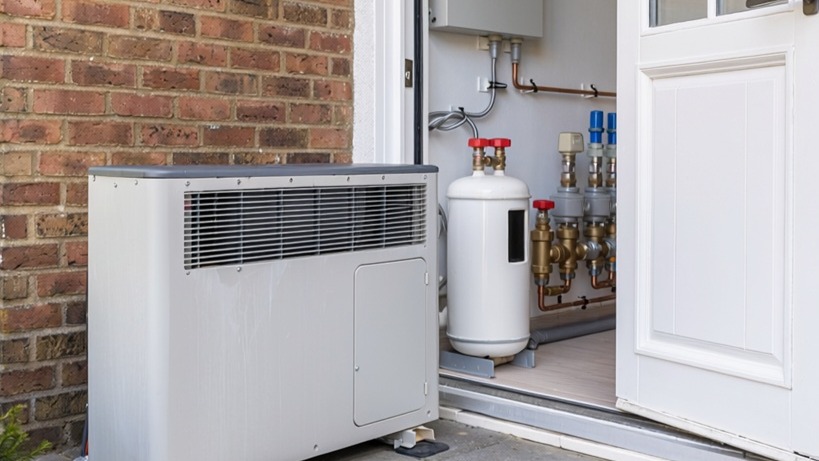
The Boiler Upgrade Scheme may contribute towards the cost of replacing an eligible fossil-fuel heating system with a heat pump or biomass boiler in England and Wales. Before making project, pricing or stock decisions, installers should check the current Boiler Upgrade Scheme overview on GOV.UK and confirm the latest eligibility requirements.
For heating engineers, understanding the current scheme is only one part of planning a replacement. The type of heating system being installed, the property's requirements, the components involved and the availability of compatible replacement parts all need to be considered before work begins.
The scheme does not mean that existing gas boilers suddenly become irrelevant. Existing heating systems may still require servicing, repairs and replacement components while a property owner considers whether repair or replacement is the most appropriate option.
What the Boiler Upgrade Scheme Currently Covers
The Boiler Upgrade Scheme is designed to help eligible property owners in England and Wales with the cost of replacing certain fossil-fuel heating systems with low-carbon alternatives.
The current scheme can support eligible heat pump and biomass boiler installations, subject to the applicable requirements. The amount of support and the conditions attached to an installation should always be checked against the latest official guidance before a project is priced or equipment is selected.
For installers, this makes eligibility an important early consideration. A property should be assessed against the current scheme requirements rather than assuming that a particular heating system or installation approach will qualify.
The GOV.UK guidance on what the Boiler Upgrade Scheme can fund should be checked when discussing available technologies and funding with a customer.
Check Eligibility Before Selecting Equipment
A grant does not remove the need to assess whether a replacement system is appropriate for the property. The installation requirements, existing heating arrangement and equipment specification should all be considered before components are ordered.
A heat-pump installation should be designed for the individual property, including heat loss, emitters, pipework, controls, insulation and electrical requirements.
This is particularly important when replacing an existing boiler system. Components that worked with the original appliance may not necessarily be suitable for a different heating technology or system design.
For installers, the practical approach is to establish the requirements of the replacement system first, then identify the equipment and components that meet those requirements.
Existing Boilers And Replacement Parts
The move towards low-carbon heating does not remove the need to maintain existing heating systems. A property owner may choose to repair an existing boiler while considering whether a future replacement is appropriate.
When servicing an existing boiler, commonly replaced components can include heat exchangers, pumps, expansion vessels, control boards and sensors. The correct replacement should always be identified against the appliance and manufacturer information rather than selected solely by appearance or general specification.
For example, Grundfos pumps can be reviewed when looking for relevant pump products, while Altecnic expansion vessels provide access to the relevant Altecnic product range.
When replacing a component, confirm the appliance model, manufacturer part reference, dimensions and installation instructions before ordering.
Existing heating systems may still require maintenance and replacement components while a property owner considers repair or replacement. Product availability and delivery timing should be checked at the point of order.
Heat-Pump Servicing And Installation Considerations
Heat-pump systems have different installation and servicing requirements from conventional gas boilers. Installers should make sure they have the appropriate competence, qualifications and permissions for the work being undertaken.
Work involving refrigerant circuits may be regulated. Check current F-gas requirements and applicable qualification and company-certification obligations before undertaking relevant work.
Electrical requirements should also be considered as part of the overall installation. The system's controls, sensors, hydraulic arrangement and heat emitters need to be appropriate for the individual property and system design.
For heating controls, installers can use Honeywell heating controls when identifying potential equipment. Product selection should still be based on the requirements and compatibility of the specific installation.
Hybrid Heating Systems And The Boiler Upgrade Scheme
A hybrid system may be considered for some properties, but it is not eligible for a Boiler Upgrade Scheme grant. Suitability, design, funding and installation requirements should be assessed for the individual property by an appropriately qualified installer.
This distinction is important when discussing potential replacement options with customers. A hybrid arrangement may have a place in a property's heating strategy, but it should not be presented as a grant-eligible Boiler Upgrade Scheme installation.
Where water-heating equipment is relevant to a project, installers can review Gledhill water-heating products to identify suitable options.
Identifying Controls And Components Before Ordering
Selecting the correct replacement part is an important part of servicing and replacement work. A component should be matched against the appliance model, manufacturer reference and installation requirements before an order is placed.
The same approach applies to heating controls. A control upgrade may be appropriate in some systems, but compatibility should be checked against the existing appliance and heating arrangement rather than assuming that any newer control will work.
For example, Danfoss heating controls can be used to review relevant product options. The suitability of a particular control should then be confirmed against the system being worked on.
Installers looking for additional control products can also review EPH Controls products and compare the available options against the required manufacturer and product reference.
Sourcing Parts For Heating-System Work
Whether servicing an existing boiler or preparing for a heating-system replacement, accurate product identification can help avoid ordering unsuitable components.
Before placing an order, check:
- The appliance manufacturer and model.
- The manufacturer's part reference where available.
- The dimensions and technical specification of the component.
- The installation instructions and system requirements.
- Whether the component is compatible with the existing system.
- Current product availability and expected delivery timing.
Where the required component is associated with a particular manufacturer, product ranges can be reviewed before confirming the exact reference.
Heating & Plumbing World equipment, controls and spares provides a route to heating equipment, controls and replacement parts for installers checking available products.
Planning Heating-System Replacements
The Boiler Upgrade Scheme should be considered as part of the wider replacement process rather than as a standalone equipment-selection decision.
For installers, the key steps are to check the current scheme requirements, establish whether the property and proposed installation meet those requirements, assess the property's heating needs and then identify the appropriate equipment and components.
Where an existing boiler is being retained or repaired, the focus may instead be on correctly identifying replacement parts and ensuring that the selected component is appropriate for the appliance.
For a heat-pump project, the installation should be assessed according to the property's individual requirements, including heat loss, emitters, pipework, controls, insulation and electrical considerations.
Conclusion
The Boiler Upgrade Scheme is relevant when planning eligible heating-system replacements in England and Wales, but installers should work from the current official guidance rather than relying on assumptions about future policy changes.
Existing heating systems may still require maintenance and replacement components while property owners consider repair or replacement. At the same time, heat-pump installations require property-specific assessment and appropriate technical competence.
For heating equipment, controls and replacement parts, Contact Heating & Plumbing World about product availability to check current availability and identify products by the relevant reference.