

Building a Sustainable Supply Chain for Your Heating Business
Environmental awareness is rapidly changing the plumbing and heating industry. Customers and main contractors are now demanding hard proof of your green credentials before they sign a contract. Developing a sustainable heating supply chain is no longer just a marketing buzzword. It is a critical operational requirement for winning high-value work and future-proofing your trade business.
The Reality of Modern Trade Sourcing
A sustainable heating supply chain requires you to look far beyond the immediate price tag of a component. You must consider the embodied carbon, which is the total greenhouse gas emissions generated during a product's manufacturing and transport. If you cannot prove where your parts come from, you will inevitably lose lucrative commercial tenders to competitors who can.
Partnering with a transparent, responsible supplier like Heating and Plumbing World ensures you have access to accurate environmental data regarding your inventory. Modern tradesmen must treat their material procurement with the exact same precision they apply to hydraulic balancing.
Shifting to Circular Materials
The construction sector has historically produced massive amounts of waste, but this is changing rapidly. We must actively shift our purchasing habits toward circular economy plumbing supplies. These are materials designed specifically to be reused, granulated, or reformed at the end of their operational lifespan.
For example, using plastic pipe for central heating systems often involves modern polymers that can be broken down and completely recycled decades later. When you actively specify circular economy plumbing supplies on your quotations, you drastically reduce the virgin fossil fuels required for new manufacturing.
Transitioning your van stock to certified circular economy plumbing supplies proves to your commercial clients that you take carbon footprint reduction seriously.
Prioritising Reusable Metals
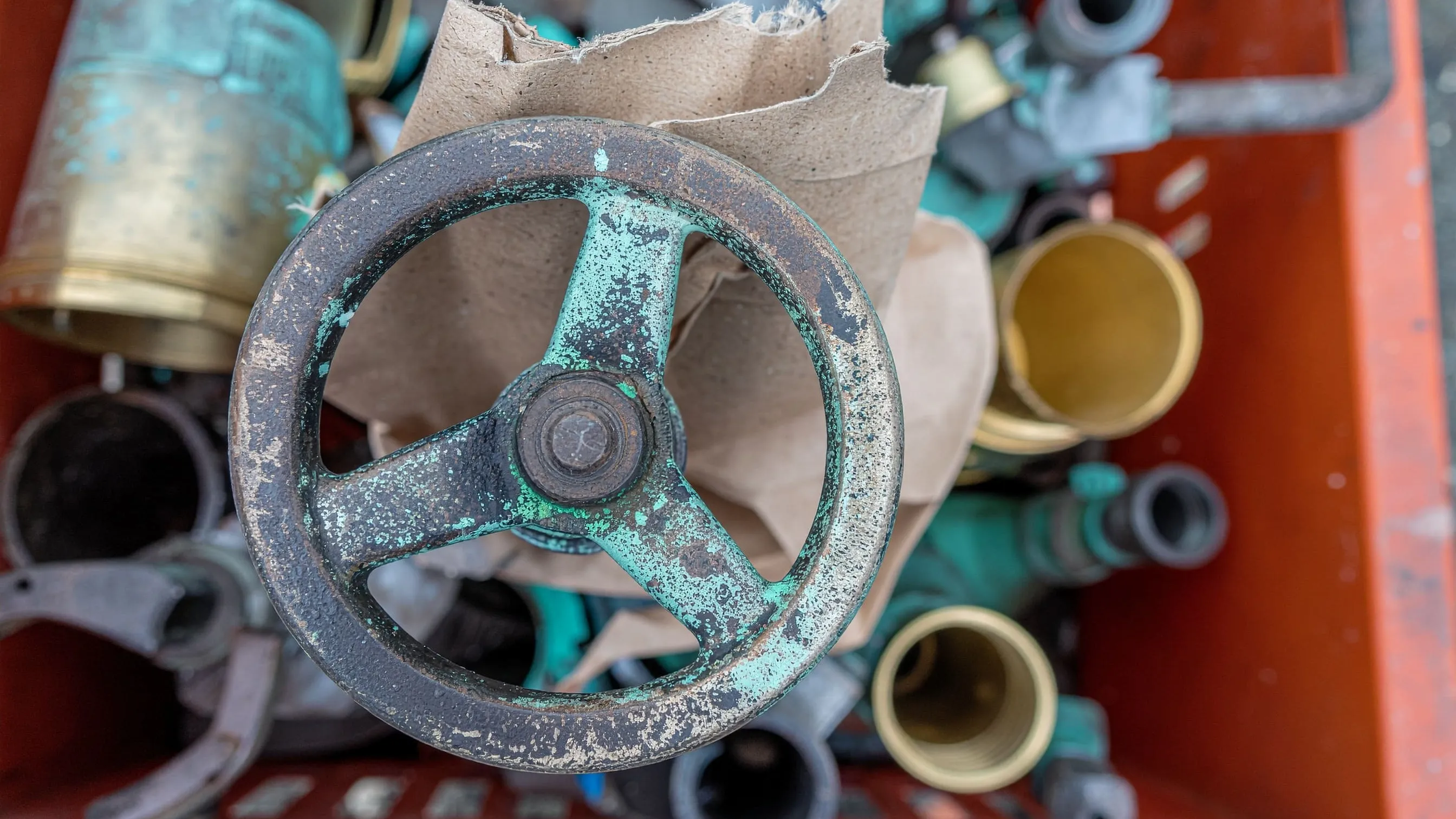
Beyond intelligent plastics, we have to look closely at our heavy metals. Specifying highly durable, recyclable brassware guarantees that your old valves and fittings do not end up rotting in a landfill. When you rip out an outdated bathroom suite, recovering proper recyclable brassware provides an immediate financial return at your local scrap yard.
You must insist on high-quality alloys featuring excellent dezincification resistance to ensure the parts last as long as possible before recycling. Specifying premium recyclable brassware for new heating pipe systems ensures the next engineer can also reclaim those valuable materials sustainably decades from now.
The Power of Local Sourcing
Where you buy your materials matters just as much as what you actually buy. Relying heavily on strong local merchant partnerships drastically cuts the carbon footprint associated with shipping heavy parts across the country.
Developing close local merchant partnerships means your essential heating spares travel significantly fewer miles before they ever reach your van. You drastically reduce the diesel fuel burned on your behalf. Furthermore, these local merchant partnerships keep capital firmly within your community, strengthening the regional trade economy for everyone.
Optimising Delivery Methods
Shipping massive boilers and heavy water cylinders requires huge amounts of transport energy. You must start demanding low-emission delivery logistics from your primary suppliers. Consolidating your weekly orders to utilise low-emission delivery logistics prevents half-empty diesel vans from driving to your site multiple times a day.
Properly planning your jobs means you can order everything in one bulk drop. Requesting that your heavy central heating components arrive via low-emission delivery logistics instantly lowers your company's scope three emissions. These are the indirect emissions that occur in your value chain, and cutting them makes your business highly attractive to eco-conscious developers.
Assessing Manufacturer Sustainability and ISO Standards
An eco-friendly heating component is completely useless if it is manufactured in a heavily polluting, unregulated factory. You must rigorously audit the specific brands you choose to support by asking for their ISO 14001 Environmental Management certification. This globally recognised standard proves the manufacturer is actively reducing their own industrial waste.
Think of a sustainable supply chain like a sealed heating circuit. If just one hidden component is leaking toxic fluid, the entire system becomes contaminated and unsafe. If you install a highly efficient water supply pump that was shipped from an irresponsible factory without proper accreditations, the environmental benefit is entirely cancelled out.
Tackling Packaging and Site Waste
A comprehensive procurement strategy must also address the massive volume of packaging waste generated on site. Unboxing fifty radiators for a commercial block generates mountains of single-use plastic and non-recyclable polystyrene. You must actively seek out manufacturers who utilise biodegradable cardboard and minimal plastic wrapping.
Many top-tier suppliers now operate under Extended Producer Responsibility guidelines. This means they offer dedicated take-back schemes to collect and recycle their own packaging straight from your site. Reducing your daily packaging waste directly lowers your expensive commercial skip hire costs, protecting your bottom line.
End-of-Life Disposal and WEEE Compliance
True sustainability encompasses the entire lifecycle of a product, right down to its eventual disposal. When you remove a broken smart thermostat or a seized motorised valve, your responsibility does not simply vanish. You must adhere strictly to the Waste Electrical and Electronic Equipment (WEEE) regulations.
You cannot legally throw electronic components into a standard general waste skip. You must ensure your business holds the correct Waste Transfer Notes and uses certified recycling centres for all electrical items. Incorporating strict WEEE compliance into your daily operations proves to main contractors that you are a highly responsible, legally compliant partner.
Proactive Maintenance to Reduce Waste
True sustainability means making parts last longer through precise engineering. Repairing a system rather than blindly replacing it is the absolute cornerstone of a sustainable heating supply chain.
On a large residential contract last year, an eager subcontractor attempted to replace an entire unvented cylinder simply because it was dropping pressure continuously. A senior engineer intervened, performed proper expansion vessel testing, and simply replaced a single faulty Schrader valve instead. He saved hundreds of kilograms of metal from hitting the scrap heap for no reason. Accurate fault finding is a vital environmental skill.
Focusing on Water Efficiency
Sourcing eco-friendly products also applies heavily to water management. If you are specifying a high-performance domestic shower pump for a green domestic retrofit, ensure the homeowner pairs it with aerated showerheads.
Aerated fixtures mix air with the water flow, maintaining high pressure while drastically reducing the volume of water consumed. This holistic, system-wide approach proves your complete commitment to a genuinely sustainable heating supply chain.
Conclusion
Green procurement is no longer an optional luxury for the heating trade. Adapting your purchasing habits protects the environment while actively securing your profit margins against rising waste disposal costs.
By demanding recyclable components, managing your site waste legally, and working with fully certified manufacturers, you elevate your business above traditional competitors. If you want to audit your current material usage and source more responsible products for your van, speak to our team today for expert technical guidance.