

Burner Door Seals: High-Temperature Gasket Materials
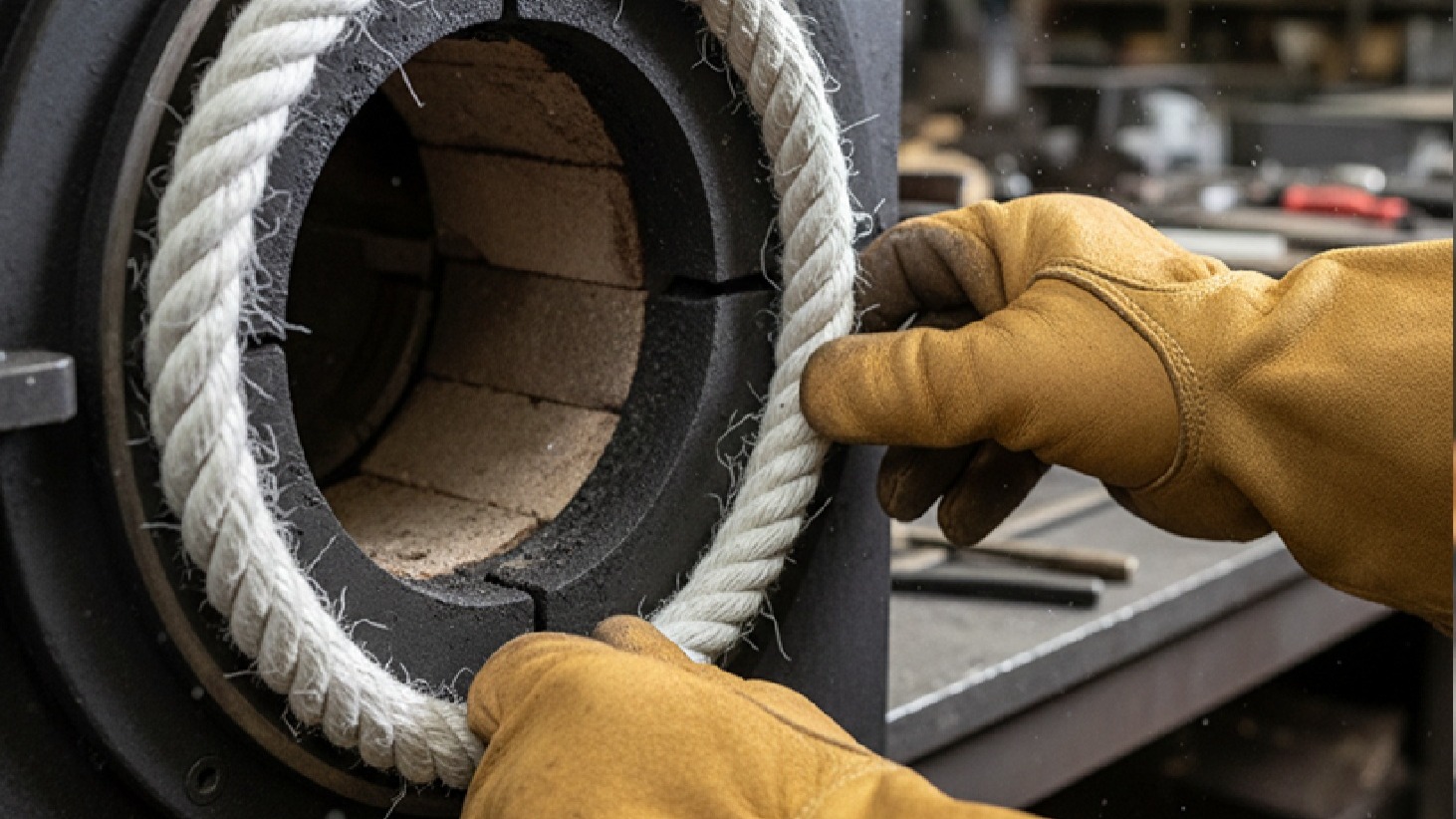
When your boiler's burner door seal fails, you're not just dealing with a minor inconvenience. You're looking at reduced efficiency, potential safety hazards, and higher energy bills. That small strip of material sitting between the burner door and the combustion chamber works harder than almost any other component in your heating system, enduring temperatures that would make most materials crumble within days.
The reality is that most heating engineers encounter failed burner door seals weekly. A customer calls complaining about strange smells, reduced heat output, or visible soot marks around the boiler. Nine times out of ten, the culprit is a degraded door seal that's no longer doing its job. Understanding which high-temperature gasket materials actually stand up to the punishment matters whether you're maintaining commercial heating systems or keeping domestic boilers running smoothly.
What Makes Burner Door Seals Different from Standard Gaskets
Standard rubber gaskets work brilliantly for cold water pipes and low-temperature applications. They're flexible, easy to install, and relatively inexpensive. But place one near a burner door operating at 800°C, and you'll watch it disintegrate faster than sugar in hot tea.
Burner door seals face a unique combination of challenges that separate them from every other gasket in a heating system. They must maintain an airtight seal whilst enduring extreme heat, thermal cycling (heating up and cooling down repeatedly), exposure to combustion gases, and mechanical compression from door closure mechanisms. This isn't a job for ordinary materials.
The combustion chamber environment is genuinely hostile. Temperatures fluctuate rapidly during start-up and shutdown cycles. Sulphur compounds from fuel combustion create acidic conditions. The seal must remain pliable enough to compress and create an airtight barrier whilst being rigid enough not to blow out under pressure differentials.
Installations where someone fitted a standard high-temperature silicone seal, thinking it would suffice, demonstrate the problem clearly. Three weeks later, the seal has hardened, cracked, and started allowing combustion gases to escape. The boiler efficiency drops by 15%, and heating bills jump noticeably. Using the wrong material isn't just ineffective, it's expensive.
Ceramic Fibre Rope: The Traditional Workhorse
Ceramic fibre rope has been the go-to material for burner door seals for decades, and there's good reason for its staying power. Made from alumina-silica fibres, this material handles continuous temperatures up to 1,260°C and intermittent exposure even higher.
The rope construction gives it natural flexibility and compressibility. When you close the burner door, the rope compresses to fill irregular gaps and surface imperfections, creating an effective seal. Unlike rigid materials, it accommodates slight misalignments in door mounting without compromising performance.
Different densities suit different applications. Lower-density ceramic rope (around 96 kg/m³) works well for domestic boilers where door pressure is moderate. Higher-density versions (128 kg/m³ or more) suit commercial applications where door mechanisms exert greater force and the seal needs to resist blow-out.
Installation requires proper technique. The rope sits in a channel or groove around the burner door opening. Cut it slightly longer than needed, overlap the ends, and use high-temperature adhesive to secure it in place. The adhesive matters; standard contact adhesives fail rapidly at burner temperatures. Specialist heating components from Andrews include appropriate high-temperature adhesives designed for exactly these applications.
The main drawback? Ceramic fibre rope deteriorates over time. The constant thermal cycling causes fibres to break down. Combustion gases attack the binder materials holding the fibres together. Depending on usage patterns, burner seal replacement typically occurs every 2-3 years in domestic installations, potentially more frequently in commercial settings with longer operating hours.
Fibreglass Rope and Tape: The Budget Alternative
Fibreglass offers a more economical option for lower-temperature applications. It handles continuous temperatures around 550°C, which suits many domestic gas boilers where combustion chamber temperatures stay below this threshold.
The material costs roughly 40% less than ceramic fibre, making it attractive for budget-conscious installations or situations where frequent replacement is already planned. It's available in both rope and tape formats, with tape being particularly useful for sealing flat surfaces or areas where rope might be too bulky.
Fibreglass works acceptably in older, lower-efficiency boilers where combustion temperatures naturally run cooler. It's also suitable for access panels and inspection doors that don't directly face the hottest part of the combustion zone.
The limitations become apparent in modern high-efficiency boilers. These units extract more heat from combustion, which paradoxically means higher flame temperatures. The fibreglass starts degrading faster, becoming brittle and losing its sealing properties. For condensing boilers or commercial heating equipment from manufacturers like Halstead, ceramic materials provide better performance and longevity.
Graphite-Based Seals: Premium Performance
Graphite gasket materials represent the premium end of burner door sealing. Expanded graphite tape and rope handle temperatures exceeding 1,500°C whilst maintaining excellent compressibility and recovery characteristics.
The material's structure gives it unique properties. Graphite naturally resists chemical attack from combustion gases. It doesn't degrade when exposed to sulphur compounds or other acidic by-products. The expanded structure allows significant compression whilst maintaining enough spring-back to keep the seal effective as the door expands and contracts with temperature changes.
Graphite tape works particularly well for burner doors with machined metal-to-metal sealing surfaces. The tape compresses into surface imperfections, creating a gas-tight seal even on surfaces that aren't perfectly flat. Commercial boiler installations where door mechanisms exert high clamping forces and seal reliability is non-negotiable benefit from graphite's superior performance.
The cost reflects the performance. Graphite sealing materials typically cost 2-3 times more than ceramic fibre equivalents. For commercial installations, industrial heating systems, or critical applications where downtime costs thousands per hour, the investment makes sense. For standard domestic boilers, it's usually overkill.
One consideration: graphite materials can leave black residue on hands and tools during installation. It's not harmful, but warning customers that they might see some black dust around the burner door area after installation prevents concerned phone calls. It washes off easily with standard cleaning.
Intumescent Seals: Expansion Under Heat
Intumescent gasket materials take a different approach. At room temperature, they're relatively thin and compact. When exposed to high temperatures, they expand dramatically, sometimes to several times their original thickness, creating an effective seal.
This expansion characteristic makes them excellent for situations where gaps might vary or where thermal expansion of door components creates sealing challenges. The material expands to fill available space, maintaining contact pressure even as components move.
Intumescent seals prove particularly useful for older boilers where door alignment has shifted over the years of service. Rather than trying to adjust door hinges or modify mounting points, an intumescent seal accommodates the misalignment through its expansion properties.
The expansion is permanent; once the material has been heated and expanded, it won't compress back to its original dimensions on cooling. This means intumescent seals are essentially single-use. If you need to open the burner door for service, you'll likely need to replace the seal afterwards.
Applications are somewhat limited compared to ceramic or graphite materials. Intumescent seals work well for fire-rated applications where preventing flame spread matters more than repeated opening and closing. For standard burner doors requiring regular maintenance access, traditional rope seals make more sense.
Installation Techniques for Different Seal Types
Proper burner seal replacement technique extends seal life and ensures effective performance. Different materials require specific approaches.
Ceramic rope installation begins with thorough cleaning. Remove all traces of old seal material from the groove or channel. Use a wire brush to clear debris, then wipe with a solvent to remove oil residue. Apply high-temperature adhesive sparingly along the groove; too much adhesive squeezes out when the rope is compressed, creating a mess.
Cut the rope 50-100mm longer than the measured channel length. This allows overlap at the join, preventing gaps. Press the rope firmly into the adhesive, working from one end to the other. At the join point, cut both ends at 45-degree angles for a neat join that doesn't create a bulge.
Graphite tape application requires clean, smooth surfaces. The tape's thin profile means surface irregularities show through. Clean surfaces with solvent, then apply the tape in a continuous strip, overlapping the ends by about 25mm. Press firmly to ensure good adhesion. Some graphite tapes are self-adhesive; others require separate adhesive application.
Fibreglass rope installs similarly to ceramic rope but requires gentler handling. The material is more prone to fraying and pulling apart. Use sharp scissors or a hot knife for clean cuts. Support the rope whilst pressing it into the adhesive to prevent stretching.
Quality pipe fittings and connectors throughout the fuel supply system complement proper seal installation, ensuring the entire combustion system operates reliably.
Inspection and Maintenance Schedules
Regular inspection catches seal degradation before it causes efficiency losses or safety issues. Visual checks take minutes but prevent expensive problems.
Annual inspection suits most domestic installations. During routine servicing, examine the seal for:
- Visible gaps or compression where the seal has thinned
- Hardening or brittleness when touched gently
- Discolouration indicating heat damage
- Soot deposits around the door perimeter suggest leaks
- Fraying or unravelling of rope-style seals
Commercial installations benefit from more frequent inspection, particularly during peak heating season. Quarterly checks catch developing problems before they cause system failures or efficiency losses. The cost of inspection is negligible compared to the cost of unplanned downtime or reduced efficiency over months of operation.
Replacement intervals vary with operating conditions. A domestic boiler running 6-8 hours daily during heating season might get 3-4 years from a quality ceramic rope seal. Commercial equipment operating 12-16 hours daily needs replacement every 18-24 months. Biomass boilers typically require more frequent replacement due to the abrasive nature of wood combustion.
Keep replacement seals in stock. Nothing's more frustrating than discovering a failed seal during a service call and having to order materials, leaving the customer without heat. Having the right seal on hand turns a potential multi-day repair into a same-visit fix.
Document seal replacements in service records. Note the material type, dimensions, and installation date. This information helps predict future replacement needs and identify if particular boiler models or operating conditions accelerate seal degradation.
How Seal Failure Affects System Efficiency
The numbers tell the story. A burner door seal leaking even 5% excess air into the combustion chamber can reduce boiler efficiency by 2-3%. That might not sound dramatic, but across a heating season, it translates to hundreds of pounds in wasted fuel for a domestic property, potentially thousands for commercial buildings.
The efficiency loss compounds because the boiler must run longer to deliver the required heat. Longer run times mean more start-stop cycles, which are the least efficient operating mode. You're not just losing 2-3% during combustion; you're losing additional efficiency through increased cycling.
Combustion analysis reveals the impact clearly. Oxygen readings in the flue gas increase when the burner door seal leaks. Carbon monoxide levels might rise as the fuel-air mixture becomes disrupted. The combustion efficiency calculation, which factors in flue gas temperature and oxygen content, shows the real cost of that small leak.
Efficiency differences measured on identical boilers, one with a fresh seal and one with a deteriorated seal, show differences of 4-7% on combustion efficiency. For a commercial building spending £15,000 annually on heating fuel, that's over £700 wasted per year. The seal replacement costs £45 in materials and takes 30 minutes to install.
Modern condensing boilers from manufacturers like Andrews and Morco are particularly sensitive to combustion air leaks. These units achieve their high efficiency ratings by extracting heat down to the point where water vapour condenses from the flue gases. Excess air from seal leaks raises flue gas temperature, preventing condensation and eliminating the efficiency advantage that makes condensing technology worthwhile.
Compatibility with Different Fuel Types
Natural gas combustion produces relatively clean by-products, primarily carbon dioxide and water vapour. This makes it the least demanding fuel regarding gasket material selection. Most high-temperature sealing materials handle natural gas applications without issues.
LPG (liquefied petroleum gas) burns slightly hotter than natural gas and produces different combustion by-products. The temperature difference isn't dramatic enough to require different materials, but it does accelerate degradation slightly. Expect seal life to be 10-15% shorter in LPG applications compared to natural gas.
Heating oil presents more challenges. The sulphur content, even in modern low-sulphur grades, creates acidic combustion by-products that attack some gasket materials. Ceramic fibre handles this reasonably well, but lower-grade fibreglass materials deteriorate faster. Graphite-based seals resist chemical attack better and provide longer service life in oil-fired applications.
Biomass fuels create the harshest environment. Wood combustion produces ash and particulates that physically abrade gasket materials. The combustion process is less consistent than gas or oil, creating wider temperature swings. Creosote and tar compounds can deposit on seals, hardening them over time. High-density ceramic rope or graphite materials cope best, but even these require more frequent inspection and replacement.
For installations using equipment from suppliers like Morco, matching the seal material to the specific fuel type and combustion characteristics ensures optimal performance and longevity.
Environmental and Health Considerations
Ceramic fibre materials historically contained refractory ceramic fibres (RCF) classified as potentially carcinogenic through inhalation of airborne fibres. Modern ceramic rope products increasingly use alkaline earth silicate (AES) fibres instead, which carry lower health classifications and reduced risk.
When handling any fibrous gasket material, basic precautions make sense. Wear gloves to prevent skin irritation. Use a dust mask when cutting rope to length; you don't want to breathe any fibres, regardless of their classification. Work in ventilated areas and clean up any loose fibres with a vacuum rather than sweeping, which puts dust airborne.
Graphite materials are generally inert and present minimal health concerns. The main issue is the black residue they leave on hands and surfaces. It washes off easily and isn't hazardous, but gloves keep your hands clean during installation.
Dispose of old gasket materials responsibly. Whilst most burner door seals don't qualify as hazardous waste, they shouldn't go into general refuse if they're contaminated with oil or other substances. Check local waste disposal guidelines for insulation materials and fibrous products.
The environmental impact of seal failure often goes unnoticed. A leaking burner door that reduces efficiency by 3% means 3% more fuel burned to deliver the same heat. Over a typical boiler's operating life, that's tonnes of additional carbon emissions. Regular seal maintenance isn't just about efficiency and cost; it's about reducing environmental impact.
System Integration Considerations
Burner door seals work alongside other critical components to maintain efficient combustion. Understanding these relationships ensures comprehensive system performance.
Quality circulator pumps from Grundfos maintain proper water circulation, whilst effective door seals ensure efficient combustion. Both contribute to overall system efficiency and reliability.
Heating controls from EPH Controls, Honeywell, or Danfoss manage burner operation efficiently. Proper door seals ensure the combustion they control operates at designed efficiency levels.
Hot water cylinders from manufacturers like Gledhill and Kingspan benefit from efficient heat generation. Maintaining proper burner door seals ensures maximum heat transfer to stored water.
Sourcing Quality Materials
Not all ceramic rope is created equal. Budget materials from unknown suppliers might meet basic temperature ratings but fail prematurely due to poor fibre quality or inadequate binder materials. The £5 saved on cheaper rope becomes £200 lost when you're called back to replace a failed seal six months later.
Established manufacturers provide material specifications, temperature ratings, and density information. They test their products and stand behind performance claims. When sourcing heating components from Danfoss and similar reputable suppliers, choosing proven track records matters.
Material certification and compliance documentation matter for commercial installations. Some applications require seals meeting specific standards or certifications. Having documentation that proves material specifications can be important for warranty compliance or insurance requirements.
Stock commonly used sizes and materials. For most heating engineers, that means 6mm and 8mm ceramic rope in standard density, plus high-temperature adhesive. Having these basics on hand covers 80% of domestic burner seal replacement requirements. Special applications requiring graphite or intumescent materials can be ordered as needed.
Build relationships with suppliers who understand heating applications. Generic industrial gasket suppliers might stock suitable materials, but they won't necessarily understand your specific requirements or be able to recommend appropriate solutions for particular boiler models.
Achieving Long-Term Reliability
Burner door seals represent a small but critical component in heating system performance. Proper material selection, correct installation technique, and regular inspection ensure these seals deliver reliable service whilst maintaining combustion efficiency.
Understanding which materials suit specific applications prevents premature failures and costly callbacks. Ceramic fibre rope handles most domestic and commercial applications effectively. Graphite materials provide premium performance where conditions demand it. Fibreglass offers economy for suitable lower-temperature applications.
The modest investment in quality seal materials and proper installation technique pays back through improved efficiency, reduced maintenance, and extended equipment life. Regular inspection catches degradation early, allowing planned replacement rather than emergency repairs during cold weather.
For quality burner door seals and high-temperature gasket materials suitable for comprehensive burner seal replacement, Heating and Plumbing World supplies certified products for both domestic and commercial heating installations. If you need specific advice on seal selection or installation techniques, get in touch for expert guidance ensuring your combustion system operates at peak efficiency.