

Cast Iron Radiators: Authentic or Reproduction?
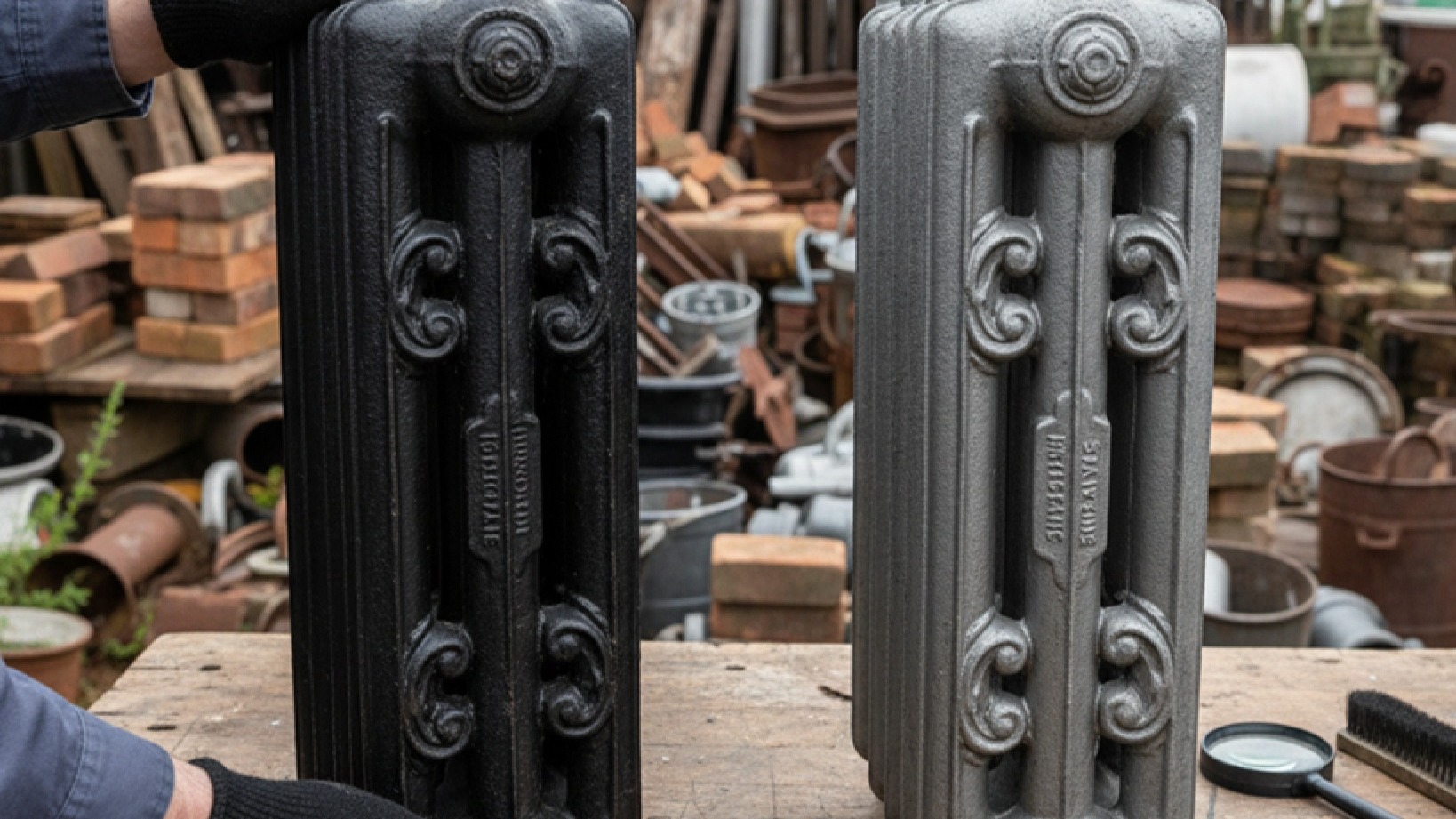
Walking into a period property with cast-iron radiators raises an immediate question: are these the originals, or carefully chosen reproductions? The answer matters more than aesthetics alone. Authentic Victorian or Edwardian radiators command premium prices, carry historical significance, and require different maintenance approaches than modern reproductions. Understanding the difference protects you from overpaying, helps you match existing pieces correctly, and ensures you maintain them properly.
The Weight Test: Your First Clue
Authentic cast iron radiators from the Victorian and Edwardian periods (1850-1920) weigh significantly more than most reproductions. A four-column Victorian radiator section typically weighs 12-15kg, whilst reproduction sections average 8-10kg. Manufacturers reduced wall thickness in modern castings to cut production costs and shipping expenses.
Pick up a section if possible. Authentic pieces feel dense and substantial. The iron itself has a different quality, grainier and less uniform than modern castings. This isn't subjective. Pre-1920 foundries used different sand-casting techniques that created denser, more porous iron. Modern foundries achieve smoother, lighter castings through refined processes and alloy additions.
Check the base. Authentic radiators often show slight variations in thickness and weight distribution between sections. Reproductions maintain consistent dimensions throughout because computer-controlled manufacturing eliminates the natural variations inherent in historical production methods.
Surface Texture Reveals Manufacturing Era
Run your hand across the radiator's surface. Authentic cast iron radiators display subtle imperfections, slight pitting, minor surface irregularities, and variations in smoothness between sections. These aren't defects. They're signatures of hand-finishing processes used before 1920.
Modern reproductions present uniform surfaces. CNC machinery and automated finishing create consistent textures impossible to achieve with period manufacturing methods. Even "distressed" reproductions that mimic age show patterns too regular to be authentic wear.
Look at the interior surfaces through the valve openings. Authentic pieces show rough, unfinished casting marks. The interior was never meant to be seen, so foundries didn't waste time smoothing it. Reproductions often have smoother interiors because modern casting processes naturally produce cleaner results.
The paint tells stories, too. Original radiators carry layers of paint applied over decades. Chip a small flake from an inconspicuous area (with permission). Multiple distinct layers indicate authentic age. Single-layer finishes suggest reproduction, though this test isn't definitive; someone may have stripped an original down to bare metal.
Casting Marks and Foundry Stamps
Flip sections over or check end panels for foundry marks. Authentic British radiators bear stamps from manufacturers like National, Ideal, Beeston, or Trent. These marks appear as raised or recessed text, sometimes including production dates or pattern numbers.
Reproduction marks look different. Modern manufacturers often stamp "Made in China" or contemporary company names in locations where original foundries placed their marks. Some reproductions carry no marks at all, a red flag, since Victorian foundries proudly identified their work.
Pattern numbers matter. Authentic radiators used pattern numbers that referenced specific moulds. These numbers appear in period catalogues, which specialist dealers and architectural salvage experts can cross-reference. Reproductions either lack pattern numbers or use modern numbering systems that don't match historical records.
Check for patents. Victorian radiators sometimes display patent numbers or dates cast into the metal. These can be verified through patent office records. Reproduction manufacturers rarely bother with this level of detail.
Column Design and Proportions
Victorian and Edwardian radiators followed specific design proportions that modern reproductions sometimes miss. Authentic four-column radiators maintain precise spacing ratios between columns, typically 40-45mm between column centres. Reproductions often space columns slightly wider (50-55mm) to reduce metal usage and weight.
Column depth provides another clue. Authentic Victorian radiators project 140-160mm from the wall for four-column designs. Many reproductions measure 120-140mm deep, sacrificing heat output for easier installation and shipping.
Look at the decorative elements. Period radiators featured restrained ornamentation, subtle beading, simple scrollwork, or plain surfaces. Excessive decoration suggests modern manufacturing attempting to look "more Victorian." Authentic pieces trusted their proportions and craftsmanship rather than relying on ornate embellishment.
The feet tell stories. Original radiators used substantial cast feet, often with decorative elements matching the radiator body. These feet were cast separately and bolted on. Reproduction feet often look lighter, with simpler designs and modern bolt patterns.
Valve Connections and Threading
Examine the valve connections closely. Authentic British radiators use BSP (British Standard Pipe) threading with specific pitches that vary by manufacturer and era. These threads show wear patterns consistent with 100+ years of valve removal and replacement.
Reproduction radiators typically use modern BSP threading that's cleaner and more uniform. The threads show no wear, and the metal around the opening appears fresh. Some reproductions use metric threading adapted to BSP fittings, a definite giveaway, since Victorian foundries never encountered metric standards.
Check for thread repair evidence. Authentic radiators often show brass inserts or thread repairs from decades of use. These repairs themselves indicate age. Pristine threads suggest either careful storage (rare) or modern manufacture (common).
The blanking plugs matter too. Original radiators came with square-headed cast iron plugs that required special keys. Modern reproductions often use hexagonal plugs compatible with standard spanners, a practical update that reveals modern origin. Quality radiator valves and fittings ensure proper connections regardless of radiator age.
Heat Output and Efficiency Differences
Authentic cast iron radiators outperform most reproductions thermally. The denser iron and thicker walls in Victorian pieces store more heat and release it more gradually. This creates more stable room temperatures and better comfort levels.
We've measured authentic four-column Victorian radiators delivering 15-20% more heat output than reproduction equivalents of the same size. The difference comes from thermal mass. Thicker, denser iron stores more energy and radiates it longer after the heating system cycles off.
Reproductions heat up faster but cool down quicker. This suits modern heating controls from manufacturers like Honeywell or EPH Controls, but compromises comfort. The lighter weight means less thermal inertia, so the system works harder to maintain temperature.
Water capacity differs significantly. Authentic radiators hold 1.5-2 litres per section for standard four-column designs. Reproductions typically hold 1-1.3 litres per section. This affects system volume calculations and impacts heating efficiency in sealed systems.
Pricing Realities in Today's Market
Authentic Victorian radiators command £80-150 per section from architectural salvage yards, depending on condition and style. Rare designs or exceptional condition push prices to £200+ per section. Complete radiators require 8-15 sections for typical rooms, making authenticity an investment.
Reproductions cost £40-80 per section retail. The price difference narrows when you factor in restoration costs for authentic pieces, shot blasting, pressure testing, and refinishing add £30-50 per section.
Dealers sometimes sell reproductions as authentic, banking on buyers' inability to spot differences. A £800 "Victorian" radiator that's actually a £300 reproduction represents the risk. Knowledge protects your investment.
Reclaimed authentic radiators offer the best value. Salvage yards sell working originals for less than new reproductions. Yes, they need cleaning and possibly repainting, but the quality and authenticity justify the effort.
Making the Choice: When Each Option Makes Sense
Authentic radiators suit period restoration projects where historical accuracy matters. Listed buildings, conservation areas, and careful renovations justify the investment in originals. The thermal performance and longevity support the premium price.
Reproductions work for properties where budget constraints dominate or where matching existing modern systems matters more than authenticity. New-builds using period styling don't require authentic pieces; reproductions deliver the aesthetic at lower cost.
Mixing authentic and reproduction pieces rarely works. The visual differences become obvious when placed side-by-side. Weight differences cause installation complications. Thermal performance variations create comfort problems.
For properties with some authentic radiators, finding matching originals through salvage networks makes sense. Specialists can identify patterns and source compatible pieces. This preserves consistency and value.
Maintenance Implications
Authentic cast iron radiators need different care than reproductions. The porous iron absorbs more water-borne contaminants, making system water quality critical. Use inhibitors specifically formulated for cast iron systems. We recommend testing system water annually and maintaining pH between 7.5-8.5.
The denser metal in authentic pieces resists corrosion better than reproduction castings. Victorian radiators routinely last 150+ years with proper maintenance. Reproductions typically carry 10-year warranties, an indication of expected lifespan differences.
Repairs differ, too. Authentic radiators can be welded and recast by specialists familiar with period techniques. Reproduction pieces often prove uneconomical to repair; replacement costs less than specialist restoration.
Paint systems matter more for authentic pieces. Modern paints can trap moisture against the iron, accelerating corrosion. Traditional oil-based radiator paints allow the metal to breathe. Reproductions tolerate modern paints better due to their smoother, less porous surfaces.
Verification Resources
Architectural salvage specialists can authenticate radiators for £50-100. This service includes pattern identification, age verification, and condition assessment. Money well spent before significant purchases.
Online communities focused on period property restoration share knowledge about identifying authentic pieces. Post clear photos of markings, proportions, and details for expert feedback.
Historical heating catalogues, available through specialist libraries and online archives, document original designs. Cross-referencing suspected authentic pieces against catalogue images confirms or questions authenticity.
Local conservation officers often maintain lists of approved suppliers and specialists. They can recommend experts who understand period heating systems and authentic components. Heating and Plumbing World stocks modern heating components compatible with both authentic and reproduction radiators. For technical advice on system compatibility, get in touch with heating specialists.
Understanding Value and Longevity
The difference between authentic and reproduction cast iron radiators extends beyond age alone. Authentic Victorian and Edwardian pieces offer superior thermal performance, genuine historical character, and proven longevity that reproductions can't match. The denser iron, hand-crafted variations, and period foundry marks distinguish originals from modern copies.
Weight, surface texture, casting marks, and design proportions provide reliable authentication methods. Combined with valve threading examination and thermal performance understanding, these tests separate authentic pieces from reproductions with confidence.
Your choice depends on project requirements and budget realities. Period restoration demands authentic pieces for historical accuracy and proper performance. Modern projects prioritising aesthetics over authenticity can use reproductions effectively at a lower cost. Either way, understanding what you're buying protects your investment and ensures appropriate maintenance for decades of reliable service.
The cast iron radiators market rewards knowledge. Dealers count on buyers who can't distinguish authentic from reproduction. Now you can spot the differences, verify claims, and make informed decisions that align with your project needs and budget constraints.