

Causes of Lukewarm Water from Your Taps
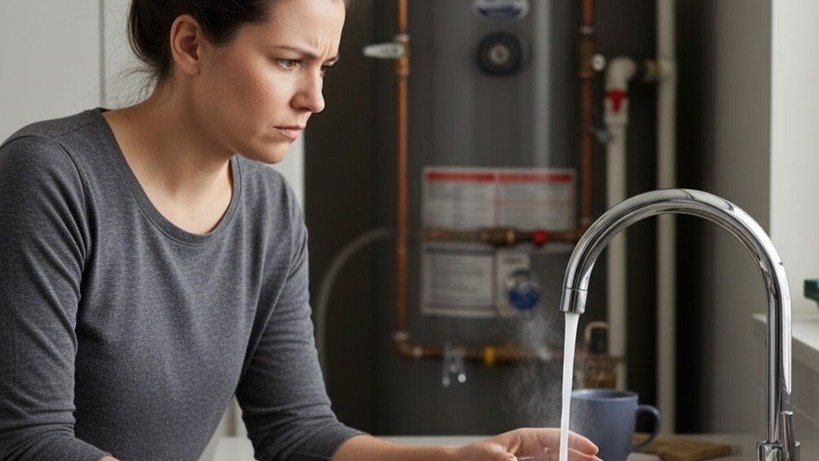
There's nothing more frustrating than turning on the kitchen tap for a piping-hot mug of tea, only to end up with a disappointing trickle of lukewarm water. Whether rinsing dishes, filling the bath or simply washing hands, constant tepid flow turns everyday tasks into irritating ordeals. Understanding the most common lukewarm tap water causes and tackling pipe insulation problems helps restore reliably hot taps across the home.
Understanding Why Tap Water Isn't Hot Enough
A seasoned engineer once shared a service call where a homeowner had spent weeks adjusting every conceivable setting on their combination boiler, convinced it was faulty. After testing flow temperatures at multiple outlets, the culprit turned out to be 15 metres of completely uninsulated pipework running through an unheated garage. The water left the cylinder at 60°C but arrived at the kitchen tap at barely 42°C. Ten pounds worth of foam pipe sleeves solved a problem that had consumed hours of troubleshooting.
Lukewarm water isn't always about the boiler or cylinder. It's often about what happens between the heater and the tap.
A well-set thermostat and healthy cylinder are essential, but even the best system delivers tepid water if heat leaks away en route. Diagnosing the root cause means examining thermostats, cylinders, pumps and the pipes themselves, especially insulation quality.
Primary Lukewarm Tap Water Causes
Cylinder Thermostat Set Too Low or Drifted
Hot water cylinder thermostats should be set around 60°C to prevent Legionella bacterial growth whilst avoiding scalding risks. If someone's turned it down to 50°C, or the stat's calibration has drifted over time, reduced temperatures at the tap are inevitable.
A quick check of the cylinder gauge confirms whether the stat's properly set. If the dial sits in the 40–50°C zone, bump it up to 60°C and allow an hour for recovery. If that doesn't resolve the issue, the thermostat may need replacing; faulty stats rarely self-correct.
Sediment Build-Up and Limescale in the Cylinder
In hard-water areas, limescale accumulates on cylinder heat-exchanger coils or electric immersion elements, acting like a thermal blanket that slows heat transfer. Think of it like wrapping your kettle element in bubble wrap; it'll still heat eventually, but painfully slowly and never quite hot enough.
Over time, the cylinder takes longer to heat and may never reach the thermostat's set point. A professional powerflush or cylinder descaling using specialist chemicals from Halstead Spares restores efficiency. An annual cylinder clean banishes lukewarm tap water, whilst extending the cylinder's lifespan.
Inadequate Flow Rate and Pipework Layout
Long pipe runs, narrow-bore pipework, or layouts riddled with sharp bends suffer reduced flow and faster heat loss. In a ring-main layout, hot water rushes first to the nearest tap, leaving distant outlets tepid.
Re-piping with equal-length feeds and oversized bore balances flow, ensuring hotter water across the property. Complex re-routing requires professional assessment; a site survey identifies the most cost-effective improvements without unnecessary upheaval.
Pipe Insulation Problems and Heat Loss
Uninsulated or damaged insulation on hot water pipes means water cools before reaching the tap, one of the most common pipe insulation problems. In unheated loft spaces, even a few metres of bare copper pipe can drop water temperature by 10–15°C.
Wrapping pipes with 9mm–13mm neoprene sleeves from Polypipe retains heat and delivers hotter water to every bathroom and kitchen. This is one of the simplest DIY fixes, yet it's often overlooked. Prioritise runs in lofts, under floors and external walls where ambient temperatures are lowest.
Faulty or Worn Mixer and Thermostatic Valves
For blended washbasins and showers, the mixer cartridge or thermostatic element can seize or wear, preventing proper hot-cold blending. A sticking cartridge might under-deliver hot water or shut it out entirely, leaving users mystified as to why one tap runs hot whilst another barely reaches lukewarm.
Cleaning or replacing the mixer cartridge, available from Danfoss or Honeywell, restores a stable, hot flow. Wild temperature swings alongside lukewarm output are clear signs the valve needs attention.
Undersized Cylinder or High Demand Peaks
If the household draws hot water simultaneously, multiple showers, dishwasher and washing machine at once, a small cylinder rapidly runs out of stored heat. The recovery time can't keep pace with demand, resulting in progressively cooler water as the draw continues.
Upgrading to a larger cylinder from Gledhill or adding a secondary cylinder ensures hot water never runs short. In extensions or annexes, consider an unvented cylinder dedicated to those outlets for consistent hot tap performance.
Pump Performance and Pressure Imbalances
In gravity-fed systems, a single-impeller shower pump may struggle under dual demands, starving hot taps elsewhere in the property. The pump prioritises the shower circuit, leaving kitchen or basin feeds with inadequate flow and rapid cooling.
Replacing it with a twin-impeller pump from Grundfos or Stuart Turner balances hot and cold flows, restoring both pressure and temperature. A pump upgrade often cures low flow and lukewarm problems in one stroke.
Seasonal Demand and Mains Pressure Dips
During cold snaps, gas and electric demand peaks can weaken boiler performance or reduce mains pressure, leaving only tepid water available. Combination boilers particularly struggle when mains pressure drops below 1 bar, unable to modulate flame properly.
Installing a buffer cylinder with its own pump isolates hot water from external peaks. Alternatively, fit a pressurisation unit from Altecnic to stabilise system pressure regardless of mains fluctuations.
Diagnosing Lukewarm Tap Water Causes
Checking and Adjusting the Cylinder Thermostat
Locate the thermostat on the cylinder, often a dial or digital control mounted partway up the tank. Ensure it's set to around 60°C. Allow one to two hours for the cylinder to fully recover.
Test tap temperature; if it's still lukewarm despite a correct thermostat setting, the stat may need recalibrating or replacing. Thermostats gradually lose accuracy over 5–10 years, drifting by several degrees without obvious symptoms.
Inspecting Pipe Insulation
Head to the loft, airing cupboard or under-sink spaces. Feel along exposed hot pipes; if they're cold to the touch between draws, insulation is missing or compromised. Damaged foam sleeves provide little protection, allowing heat to radiate away.
Apply 9mm neoprene sleeves on pipes up to 28mm diameter, available from Polypipe. For larger pipework or commercial installations, 13mm thickness provides superior insulation in extreme environments.
Measuring Flow Temperature
Use a simple thermometer or infrared gun to measure water straight from the tap after running for 30 seconds. If it never exceeds 45°C despite a properly set cylinder, one of the above issues is present.
Recording these readings helps pinpoint whether the problem lies upstream (cylinder, thermostat) or downstream (pipes, valves, insulation). Document temperatures at multiple outlets to identify patterns. Consistent low temperatures suggest a cylinder issue, whilst varying temperatures point to distribution problems.
Noting When and Where It Happens
Is the lukewarm water limited to one tap or all outlets? Does it occur only at peak times, mornings or evenings, when demand spikes? Keeping a log of these patterns narrows down potential causes significantly.
Single-outlet problems usually indicate local valve or pipe issues. Whole-property lukewarm water suggests cylinder, pump or pressure problems affecting the entire distribution system.
Solutions to Restore Consistently Hot Water
Replacing or Calibrating the Cylinder Thermostat
If the stat refuses to hold temperature or shows significant drift from the set point, swap it for a new unit from Gledhill or Andrews. Replacement thermostats cost £30–60 and typically resolve years of frustrating temperature issues immediately.
Professional recalibration during an annual service can extend stat life, but once accuracy exceeds ±3°C, replacement proves more reliable.
Descaling and Desludging the Cylinder
Book a powerflush and cylinder descale to clear limescale and sediment insulating heat away from coils. Specialist chemicals break down scale deposits without damaging copper or steel components. Hard-water areas benefit from annual descaling; soft-water regions manage with 3–5 year intervals.
The improvement can be dramatic, cylinders that took two hours to reach temperature may recover in 45 minutes after thorough descaling.
Upgrading Pipe Insulation and Tackling Pipe Insulation Problems
Invest in quality insulation, wrap all hot-water runs with rubber sleeves, especially in unheated spaces. This quick fix often boosts outlet temperature by 5–10°C, transforming barely warm taps into properly hot ones.
Prioritise the longest runs and those passing through cold environments. Even well-insulated properties benefit from checking existing insulation every few years, foam degrades, pests damage sleeves, and general wear compromises thermal performance.
Installing Inline Thermostatic Mixing Valves
Fitting a TMV at the cylinder outlet stabilises mixed water to a safe, set temperature, even if the cold supply temporarily spikes or drops. This prevents temperature swings whilst ensuring consistent heat delivery to all outlets.
Reliable TMVs from Honeywell and Danfoss provide TMV2 and TMV3 compliance where regulations require documented safety measures.
Boosting Performance with Shower or Inline Booster Pumps
A twin-impeller pump equalises feed pressure to multiple outlets, overcoming both low flow and heat loss. Single-impeller pumps create pressure imbalances that confuse thermostatic valves and starve distant taps.
Browse pump solutions from Grundfos and Stuart Turner to suit gravity-fed, unvented or combination systems. Proper pump sizing prevents over-pressurisation whilst delivering adequate flow.
Reviewing Cylinder Size or Adding a Secondary Cylinder
If simultaneous draws overwhelm the existing cylinder, consider upgrading to a larger Gledhill model or installing a second cylinder to serve high-demand zones like en-suites or utility rooms. Twin-cylinder installations provide redundancy; if one fails, hot water remains available whilst repairs are arranged.
Calculate total household hot water demand during peak periods. A family of four typically needs 150–210 litres of storage for comfortable simultaneous use.
Regular Powerflush and System Maintenance
An annual powerflush removing sludge, scale and oil keeps the entire system running at peak efficiency, preventing tepid surprises at the tap. Magnetite and corrosion debris accumulate over the years, restricting flow and insulating heat away from where it's needed.
Combining powerflush with inhibitor dosing protects against future corrosion, extending system life by decades.
Preventative Measures and Maintenance Tips
Annual Cylinder and Boiler Service
Arrange yearly servicing to check thermostats, valves and expansion vessels, ensuring the system stays properly tuned. Catching small issues, minor thermostat drift, developing scale deposits, and early seal wear prevents them from escalating into major problems requiring expensive emergency repairs.
Routine Valve and Cartridge Cleaning
Descalcify mixer cartridges in showers and basins every six months with a mild acid solution, available via Halstead Spares, avoiding sticky valves that under-deliver hot water. Preventative cleaning takes minutes; replacing seized cartridges costs significantly more.
Pipework Inspections
Every autumn, inspect pipe insulation for damage from pests or general wear. Replace any degraded sections immediately to keep heat locked in throughout winter when heat loss matters most.
Squirrels, mice and rats love chewing foam insulation for nesting material. A single damaged section can undermine an entire run's thermal performance.
Monitor Expansion Vessels
An under-pressurised expansion vessel causes reduced hot-water recovery and system pressure fluctuations. Test vessel pre-charge pressure annually; it should match the system cold-fill pressure. Vessels from Andrews and Altecnic include accessible valve cores for straightforward testing and recharging.
When to Call in the Experts
If DIY fixes, insulation, thermostat checks, and cartridge cleans still leave lukewarm results across multiple outlets, a professional survey becomes necessary. But what happens when the obvious solutions don't work? Specialist tools reveal hidden problems: thermal cameras identify cold spots in walls indicating buried uninsulated pipework, pressure gauges detect subtle imbalances, and data loggers track temperature patterns over 24-hour cycles.
Engineers diagnose hidden pipework issues, subtle thermostat or cylinder faults, and pump or mains-pressure anomalies that aren't apparent during casual inspection. Book a no-obligation survey via the contact us for expert guidance.
Comprehensive Support from Heating and Plumbing World
Heating and Plumbing World tackles every aspect of lukewarm tap water causes through:
- Design & Survey: System mapping, heat-loss calculations and flow-rate analysis
- Installation: New cylinders, pumps, TMVs and insulation professionally fitted
- Commissioning: Full temperature, pressure and safety tests with documentation
- Servicing & Maintenance: Annual checks, power flushes, descaling and part replacements
Browse branded products including pumps from Grundfos, cylinders from Gledhill and heating controls from Honeywell or EPH Controls.
Enjoying Reliable Hot Taps Again
Tepid water doesn't have to be part of the daily routine. Understanding lukewarm tap water causes, from thermostat drift and sediment build-up to pipe insulation problems, enables targeted fixes that restore consistently hot flow. Whether tackling insulation personally or booking a full system overhaul with expert engineers, properly hot water will soon fill mugs, baths and basins exactly when needed.
For tailored advice and fast, friendly service, explore the Heating and Plumbing World or get in touch through the contact form. Here's to perfectly hot taps, every time.