
 -
- Central Heating Flow Switches: Detecting Water Movement
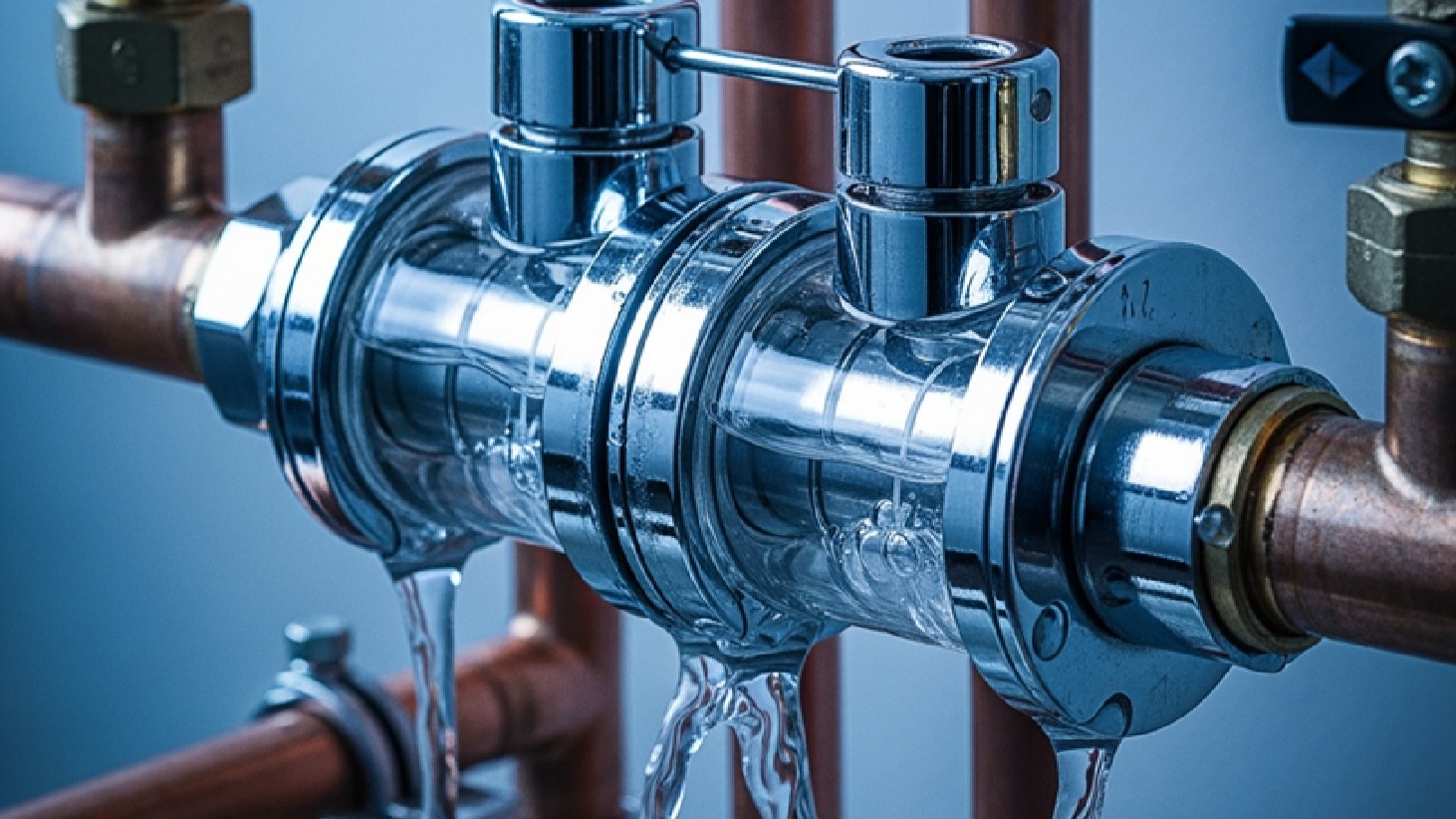
Water flowing through your central heating system tells a story. When that flow stops unexpectedly, your boiler needs to know immediately. That's where flow switches step in; these small devices monitor water movement and protect your entire heating system from damage.
Understanding how these devices detect water movement and communicate with your boiler helps property owners appreciate their critical role. A small component prevents substantial problems by constantly monitoring circulation.
What Flow Switches Actually Do in Your Heating System
A flow switch acts as your boiler's early warning system. When water moves through your pipes at the correct rate, the switch stays quiet. The moment the flow drops below safe levels or stops entirely, it triggers an immediate shutdown sequence.
Think of it as a security guard for your boiler. Just as a guard watches for trouble and raises the alarm, a flow switch monitors water movement 24/7. Without this protection, your boiler would continue firing even when no water flows through the heat exchanger, a recipe for catastrophic failure.
Failed flow switches demonstrate their value dramatically. A commercial client in Birmingham avoided a £15,000 boiler replacement because their flow switch caught a circulation pump failure within seconds. The switch detected the problem, shut down the system, and prevented the heat exchanger from cracking.
How Flow Switches Detect Water Movement
Central heating flow switches use three main detection methods, each suited to different system requirements:
Paddle switches work like tiny windmills inside your pipes. Water flow pushes against a paddle, keeping an electrical circuit closed. When the flow stops, the paddle drops, breaking the circuit and signalling your boiler to shut down. These mechanical switches handle residential systems brilliantly, are simple, reliable, and cost-effective.
Magnetic switches take a different approach. A magnet attached to a moving piston responds to water flow. As water pushes the piston, the magnet moves away from a reed switch, changing the electrical state. These switches excel in systems where debris might jam a paddle mechanism.
Thermal flow switches measure temperature differences to detect flow. They heat a small sensor element and monitor how quickly flowing water carries away that heat. No flow means no cooling, triggering the safety shutdown. Commercial properties often prefer these because they have no moving parts to wear out.
Each type serves specific needs. Paddle switches suit standard domestic boilers, magnetic switches work well in older systems with potential debris issues, and thermal switches fit high-end commercial installations.
Common Problems That Trigger Flow Switch Activation
Your flow switch springs into action when several issues threaten your heating system:
Pump failure tops the callout list. When your circulation pump stops moving water, the flow switch detects the problem within 3-5 seconds. Quality circulator pumps from Grundfos deliver reliable performance, but even the best pumps eventually wear out. The flow switch provides essential protection when pump bearings seize during cold weather.
Airlocks create pockets where water can't flow properly. These often develop after summer shutdowns or system maintenance. The flow switch recognises the disrupted flow pattern and protects your boiler until you bleed the system.
Blocked filters gradually restrict water flow over months or years. As debris accumulates, flow rates drop until they cross the switch's threshold. Regular filter cleaning prevents this, but when forgotten, the flow switch provides crucial protection.
Low system pressure means insufficient water to maintain proper flow. Whether from a leak or natural pressure loss, the switch detects the problem before your boiler suffers damage. Quality expansion vessels from Altecnic help maintain stable system pressure.
Frozen pipes stop flow completely during extreme cold. The switch shuts down your boiler, preventing it from overheating, while ice blocks the pipes.
Installing Flow Switches: Position Matters
Proper flow switch installation determines whether it protects your system effectively or causes nuisance trips. Positioning switches where they'll detect genuine flow problems without false alarms is critical.
The ideal location sits on the return pipe, close to the boiler, but after any system branches. This placement ensures the switch monitors the total system flow, not just one zone. Installing too close to pump outlets causes turbulence-triggered false readings. Being too far away delays problem detection.
Pipe orientation affects paddle and magnetic switches significantly. These must be installed in horizontal pipe runs with the paddle hanging down. Vertical installation prevents proper paddle movement, rendering the switch useless.
Professional installation includes proper electrical connections to your boiler's control board. The switch must integrate with existing safety circuits, creating a fail-safe shutdown system. Quality pipe fittings and connectors ensure leak-free connections that last.
This flow switch installation guide emphasises several critical factors:
Distance from pump: Position switches at least 300mm downstream from the pump to allow flow stabilisation. Turbulent flow immediately after the pump can cause false activations.
Access for maintenance: Ensure sufficient space around the switch for future inspection and replacement. Switches buried behind panels or in tight spaces become maintenance nightmares.
Vibration isolation: Mount switches securely but with some vibration isolation. Excessive vibration from pumps or pipework can affect mechanical switch operation over time.
Wiring routes: Route electrical connections away from hot pipes and ensure proper strain relief. Heat and movement damage insulation, creating electrical faults.
Testing Your Flow Switch Performance
Regular testing keeps your flow switch ready for emergencies. Quarterly checks suit commercial systems while annual tests work for domestic installations.
Start by switching off your boiler and closing the isolation valves around your pump. This simulates pump failure, the most common flow problem. Turn your boiler back on and observe its response. A working flow switch should prevent ignition or shut down the burner within seconds.
Listen for clicking sounds from mechanical switches as they activate. Digital multimeters help verify electrical continuity changes when flow stops. For thermal switches, monitor the LED indicators that show operational status.
Professional testing goes deeper. Flow meters verify switch activation at specified flow rates. This ensures your switch responds appropriately, not too sensitive (causing nuisance trips) or too tolerant (risking damage).
Document test results to track switch performance over time. Gradually increasing activation times often indicate impending failure, allowing preventive replacement.
Maintaining Flow Switches for Reliable Operation
Flow switches need minimal maintenance, but that small effort pays huge dividends. Mechanical switches with paddles benefit from annual inspection and cleaning. Scale buildup or debris can prevent paddle movement, disabling your protection.
Start maintenance by isolating and draining the switch section. Remove the switch body carefully using quality tools. Inspect the paddle or piston for damage, scale, or debris. Clean gently with descaling solution if needed, avoiding aggressive scrubbing that might damage sensitive components.
Check electrical connections for corrosion or looseness. Heating system vibrations can gradually loosen terminals, causing intermittent failures. Tighten connections and apply contact cleaner to corroded terminals.
Magnetic switches need their pistons checked for smooth movement. Stuck pistons won't respond to flow changes, leaving your boiler vulnerable. Thermal switches require sensor element inspection; any coating or scale reduces sensitivity.
Replace rubber seals during maintenance to prevent leaks. Old seals harden and crack, especially in high-temperature applications. Replacement parts from leading manufacturers like Danfoss and Honeywell ensure proper fit and function.
Choosing the Right Flow Switch for Your System
Selecting an appropriate flow switch requires understanding your system's specific needs:
Flow rate requirements determine switch sensitivity. Domestic systems typically need switches activated at 1-2 litres per minute. Commercial installations might require 5-10 LPM thresholds. Undersized switches cause nuisance trips; oversized ones won't detect genuine problems.
Pipe size must match switch connections. Reducers compromise flow detection accuracy. Exact-fit switches work best, using appropriate plumbing fittings from Polypipe for secure installation.
System pressure affects switch selection. High-pressure systems need robust switches rated for those conditions. Low-pressure systems benefit from sensitive switches that detect minimal flow variations.
Water quality influences longevity. Hard water areas need switches designed to resist scale buildup. Systems with known debris issues suit magnetic or thermal switches over paddle types.
Temperature ratings ensure safe operation. Standard switches handle typical heating system temperatures, but high-temperature applications need specially rated components.
Troubleshooting Flow Switch Issues
When heating systems fail, flow switches often get blamed unfairly. Before replacing a "faulty" switch, investigate these common issues:
Nuisance tripping usually indicates system problems, not switch failure. Check for partially closed valves, air in the system, or pump cavitation. The switch simply reports what it detects.
Failure to activate might mean seized mechanical parts or electrical faults. Test with a multimeter to isolate mechanical from electrical issues. Sometimes, simple cleaning restores function.
Intermittent operation points to borderline flow conditions. Your system might operate right at the switch's activation threshold. Adjustable switches allow fine-tuning; fixed switches might need replacement with different specifications.
Delayed response suggests worn mechanical components or scale-restricted movement. Paddle switches develop this fault as the pivots wear. Replacement becomes necessary when cleaning doesn't restore quick response.
Systematic diagnosis checks flow rates, electrical continuity, and mechanical operation. This approach identifies the real problem, whether it's the switch, the system, or the installation.
Integration with Modern Boiler Controls
Today's boilers integrate central heating flow switches into sophisticated control systems. The switch no longer simply breaks a circuit; it communicates with digital controllers that manage your entire heating system.
Modern controllers use flow switch signals for more than emergency shutdown. They adjust pump speeds to maintain optimal flow, compensate for system changes, and even predict maintenance needs. Advanced control systems from EPH Controls turn simple switch signals into comprehensive system management.
Smart boilers from manufacturers like Andrews and Morco log flow switch activations, building a picture of system health over time. Frequent activations might indicate developing problems before they cause breakdowns. This predictive maintenance approach saves money and prevents winter emergencies.
Some systems use multiple flow switches for zone control. Each zone's switch reports to the central controller, enabling precise heating management. This setup requires careful programming but delivers exceptional efficiency and comfort.
Professional Installation vs DIY Considerations
While competent DIYers can replace like-for-like flow switches, professional installation offers significant advantages. Proper switch selection, optimal positioning, and correct electrical integration require experience and knowledge.
Professional installation includes system analysis to identify why the original switch failed. Simply replacing a failed switch without addressing underlying causes wastes money and risks repeated failures. Investigating pump performance, system pressure, and water quality issues that might affect switch longevity prevents recurring problems.
Electrical connections require particular care. Flow switches must integrate with boiler safety circuits without compromising other protections. Incorrect wiring might disable essential safety features or create dangerous operating conditions.
Installation warranties and follow-up testing ensure long-term reliability. This peace of mind proves valuable when your heating system protects your property through harsh winters.
The Cost of Flow Switch Failure
Understanding failure costs emphasises the importance of proper flow switch maintenance. Direct costs include:
Heat exchanger replacement ranges from £400-£800 for domestic boilers, reaching £5,000+ for commercial units. Flow switches costing £30-£100 prevent these expensive failures.
Labour costs for emergency repairs during the winter peak at £150-£300 per hour. Preventive maintenance during summer costs a fraction of emergency callouts.
Consequential damage from overheating extends beyond the boiler. Melted pipes, damaged pumps, and scorched boiler casings result from flow switch failures.
Business interruption costs commercial properties thousands per day. Hotels, restaurants, and offices can't operate without heating. Reliable flow switches prevent these costly shutdowns.
Indirect costs include increased energy consumption as damaged systems work harder, shortened equipment life requiring premature replacement, and potential insurance complications from neglected maintenance.
Integration with Complete Heating Systems
Flow switches work alongside other critical components to maintain system health. Understanding these relationships helps ensure comprehensive protection.
Cylinders from manufacturers like Gledhill and Kingspan benefit from flow switch protection, preventing dry firing that damages coils and internal components.
System pressure management through quality expansion vessels and pressure relief valves works with flow switches to maintain optimal operating conditions. Each component protects different aspects of system health.
Pump performance directly affects flow switch operation. Variable-speed pumps from Grundfos or Lowara provide consistent flow that allows precise switch calibration.
Future Developments in Flow Detection Technology
Flow detection technology continues advancing, offering improved reliability and functionality:
Ultrasonic flow detection measures flow without any pipe intrusion. These switches use sound waves to detect water movement, eliminating mechanical wear and debris sensitivity. Early adoption in commercial systems shows promising results.
IoT-enabled switches report system status remotely. Property managers monitor multiple sites from central locations, receiving alerts before occupants notice problems. Installation in apartment blocks and commercial properties increases annually.
AI-powered predictive analysis uses flow patterns to predict failures. By learning normal system behaviour, these systems identify developing problems weeks before traditional switches would activate.
Self-cleaning mechanisms address the primary maintenance need. New designs use system flow to prevent debris accumulation, extending service intervals significantly.
Ensuring Long-Term Protection
Flow switches stand guard over your heating system every hour of every day. These unassuming devices prevent catastrophic boiler damage, save thousands in repair costs, and ensure your property stays warm when needed most.
Regular testing and maintenance keep flow switches ready for action. Whether you choose paddle, magnetic, or thermal technology, proper installation and integration determine their effectiveness. Professional installation ensures optimal protection, while regular maintenance extends switch life and reliability.
Expensive failures from neglected flow switches occur too frequently. Don't let a £50 component failure cost thousands in boiler repairs. Check your flow switch operation today, schedule regular maintenance, and enjoy the peace of mind that comes from a protected heating system.
For quality central heating flow switches and expert guidance on selection, following this flow switch installation guide, Heating and Plumbing World supplies certified products suitable for both residential and commercial installations. If you need specific advice on flow switch selection or installation requirements, get in touch for expert recommendations tailored to your heating system.