

Choosing High-Efficiency Toilet Cisterns with Dual Flush Valves
Toilets are undeniably the biggest consumers of water in any domestic or commercial property. If you are still installing old-fashioned, single-flush nine-litre tanks, you are actively wasting your client's money. Upgrading bathrooms with high-efficiency toilet cisterns is a mandatory step for any professional plumbing refit. It completely changes how a property manages its daily fluid resources and drastically lowers annual utility bills.
Modern plumbing requires strict adherence to strict water conservation standards. You simply can't dump massive volumes of highly processed, potable water down the soil pipe anymore. To meet modern building regulations, you must understand exactly how to specify and install advanced flushing technology. By selecting the correct internal components, you build incredible long-term resilience into the washroom.
The Shift to Smart Water Usage
A modern household expects their plumbing to work flawlessly while keeping resource consumption incredibly low. You achieve this by installing highly engineered valves that dictate exactly how much water is released per flush. Heating and Plumbing World provides the commercial-grade components necessary to build these environmentally responsible washrooms. You actively protect the local reservoir levels while delivering a premium aesthetic finish.
This shift in technology means plumbers must now act as precision water managers. You are no longer just connecting a pipe to a plastic bucket. Installing high-efficiency toilet cisterns means calculating exact flush ratios, usually sitting around four and a half litres for a full flush and three for a half. It requires a detailed understanding of internal valve mechanics and fluid dynamics.
Understanding Drop Valves versus Syphons
The industry has relied heavily on standard dual flush valves for the past twenty years. They are exceptionally easy to operate and provide a sleek, push-button aesthetic that clients absolutely love. However, these drop valves rely entirely on a submerged silicone washer sitting flat against the plastic seating to hold the water back.
Think of a traditional drop valve exactly like a rubber plug in a bathtub. If a tiny piece of grit gets trapped under that seal, or the rubber degrades, the water silently drains away forever. By contrast, a high-quality WRAS approved syphon physically forces water up and over an internal U-bend. It is physically impossible for a syphon to leak silently into the bowl, making it the ultimate choice for long-term reliability.
The Threat of Silent Toilet Leaks
A weeping toilet valve can easily waste four hundred litres of water a day without making a single sound. On a recent office block refit, the facility manager complained about an astronomical water bill. We opened up the bathroom ducts and found twelve cheap drop valves silently leaking straight into the pans. We ripped them out and installed modern tanks fitted with syphon technology, instantly dropping their quarterly bill by forty percent.
Sometimes, the cause of these leaking toilet valves actually traces back to aggressive mains pressure. If the incoming supply is too high, it constantly forces water past the delicate inlet float valve. Checking the expansion vessel connection on the main hot water cylinder can often reveal if the entire property is suffering from dangerous, system-wide pressure spikes. If you don't tame the incoming pressure, the toilet valves will fail repeatedly.
Securing Wall-Hung Installations
Modern high-end bathroom designs frequently use floating sanitaryware to create an illusion of floor space. This requires bolting a heavy-duty concealed cistern frame directly to the solid floor slab and structural wall. You absolutely must ensure this steel framework is perfectly level and anchored with heavy-duty masonry fixings. If the frame flexes even slightly when a user sits down, it will instantly crack the expensive porcelain pan against the tiles.
Mounting a concealed cistern frame behind a false wall also means you must leave a generous, removable access hatch behind the flush plate. You need sufficient physical room to reach your hands inside and swap out the internal mechanisms when they eventually wear out. Sourcing reliable push fit on copper pipe connectors for the final water supply is incredibly smart here. They provide a guaranteed watertight seal in tight wall cavities where using a blowtorch is a massive fire hazard.
Inlet Valves and Air Gap Compliance
Getting water into the tank safely is just as important as getting it out efficiently. You must install a brass-shank inlet valve to handle the kinetic shock of the water shutting off rapidly. A cheap plastic threaded shank will easily cross-thread or snap under the tension of a tightened supply hose, flooding the entire bathroom.
Furthermore, you must ensure your inlet valve complies strictly with the Water Supply Regulations 1999 regarding backflow prevention. The outlet nozzle of the fill valve must sit significantly higher than the maximum overflow water level, creating a strict Type AG air gap. This physical separation guarantees that dirty cistern water can't ever get siphoned back into the clean residential water pump network if the street pressure drops suddenly.
Tuning the Flushing Mechanism
You shouldn't just install a cistern, turn the water on, and walk away without calibrating it. Most premium dual flush valves allow you to dictate exactly how much water releases during a full or partial flush. Dialling in the precise flush volume adjustment ensures the toilet clears the bowl efficiently without wasting a single drop of excess water.
You make this flush volume adjustment by sliding specific floats up or down on the central valve body. If you set the half-flush too low, the bowl won't clear, forcing the user to flush a second time and ruining the water savings entirely. You must test the flushing power multiple times during the commissioning phase to find the perfect mechanical balance.
Routing Supply Lines Safely
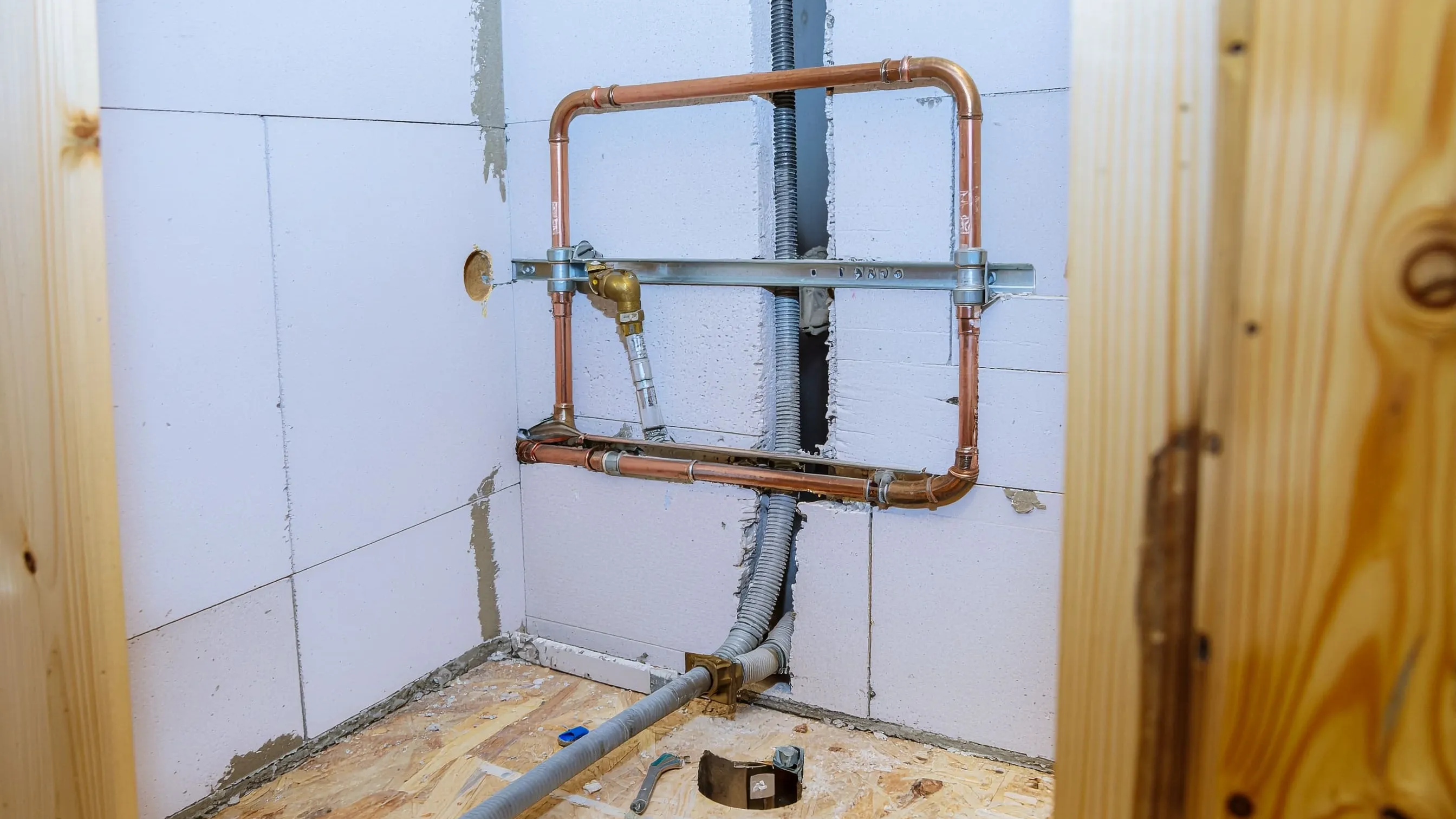
Feeding water to these modern sanitary units requires pristine pipework preparation behind the drywall. Sourcing high-quality plumbing fittings and supplies guarantees your concealed pipe runs won't develop pinhole leaks over time. You must carefully deburr the ends of every single copper pipe to ensure the internal O-rings are never sliced during the final assembly process.
Running flexible water pipe systems through timber stud work makes the installation process incredibly fast and straightforward. You must securely clip these supply lines to the wooden joists to prevent the pipes from rattling violently when the fast-acting inlet valve snaps shut. Finally, incorporating high-grade push fit plumbing fittings allows you to isolate the cistern instantly if future maintenance is required, without shutting down the whole building.
Conclusion
Fitting high-efficiency toilet cisterns is a fundamental requirement for any serious bathroom upgrade. Combining a highly reliable WRAS approved syphon with accurate water volume calibration completely eliminates the risk of silent, expensive leaks. You are delivering a robust, highly engineered sanitary solution that genuinely protects your client's property and their wallet.
Never attempt to guess the required flow rates or structural frame load capacities. If you are dealing with complex commercial washrooms or tricky residential layouts, don't leave the specification to chance. Please get expert advice from our team to ensure you select the absolute best hardware for your upcoming plumbing project.