

Choosing the Best App-Controlled Heating Systems
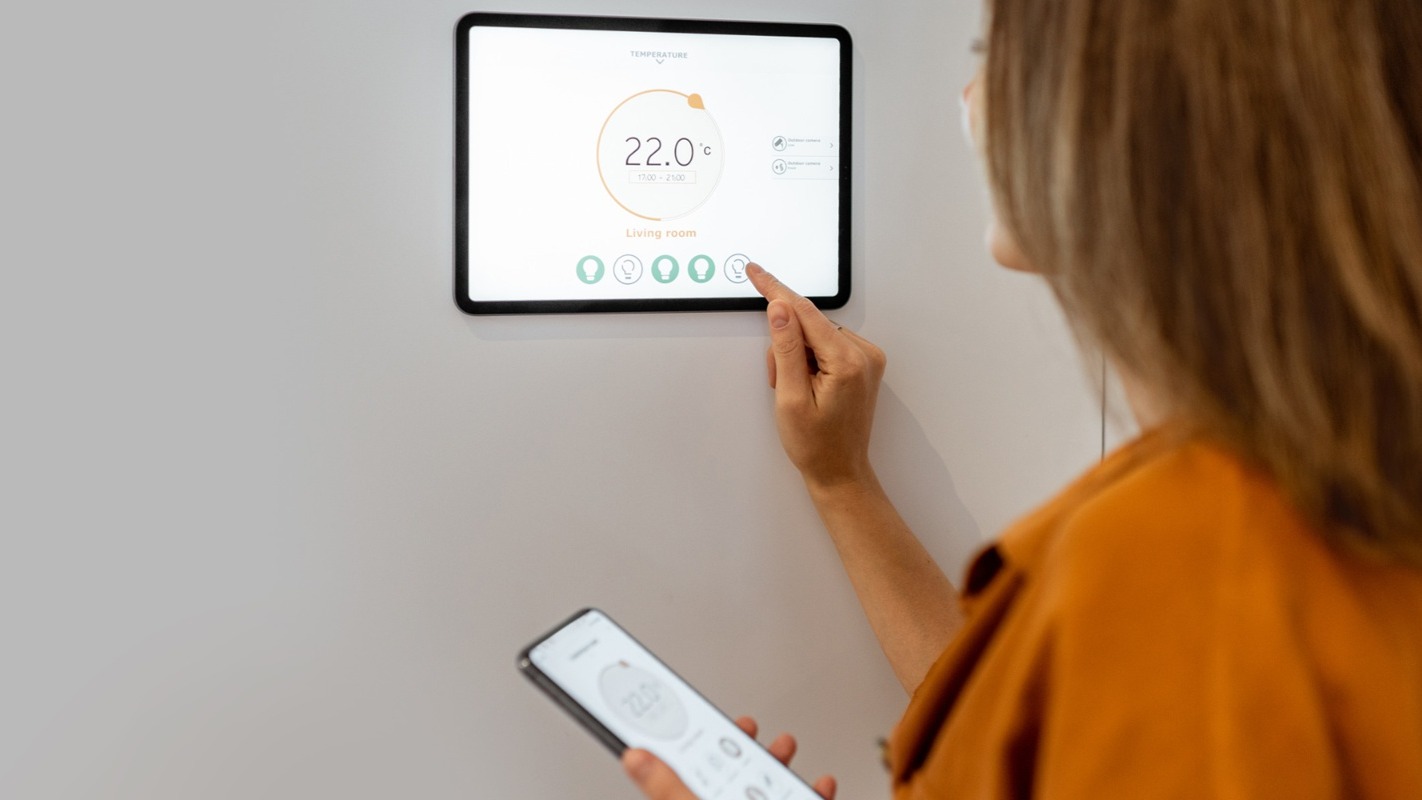
Forget wrestling with stiff thermostat dials or squinting at those little mechanical timers. These days, complete control over a home’s heating is right there on your smartphone. App-controlled heating systems have gone from a tech novelty to a standard bit of kit in many UK homes.
But picking the right system isn't just about the box on the wall. The app you use every day is just as important. With so many options out there, it's easy to get bogged down. This is a straightforward look at what actually matters, from checking your boiler is compatible to spotting the difference between a great app and a gimmick.
What is an App-Controlled Heating System?
This isn't just about sticking a Wi-Fi chip in a thermostat. A proper app-controlled system gives you full command from your phone or tablet.
Think of it this way: a basic programmable timer is like an old landline phone. It does one job, but it’s inflexible. App-controlled heating systems are the smartphones of the heating world. They are connected, intelligent, and give you far more control.
A typical setup includes a smart thermostat that talks to the boiler, a solid Wi-Fi link, and the brand's smartphone app. For room-by-room control, you'll also have smart radiator valves (TRVs). This gives you a clear, graphical way to make changes from anywhere, a world away from fiddly buttons and rigid schedules.
The Real-World Gains: Control, Savings, and Comfort
The benefits of these systems are practical, delivering real improvements in cost, convenience, and comfort.
Unmatched Flexibility
Let's be honest, life doesn't run on a timer. If a homeowner is stuck in traffic, they can delay the heating. If they’re heading home early, a few taps on the app means they'll get a warm welcome. This sort of control works around you, not the other way around. It stops you from heating an empty house.
Genuine Energy Savings
This is where you see the real payback. These systems are built to tackle common energy waste head-on.
- Geofencing: Many systems use your phone's location to automatically turn the heating back on when everyone leaves and turn it off again as you head home.
- Remote Adjustments: Forgetting to turn the heating down is no longer an expensive mistake. It can be sorted from anywhere with an internet connection.
- Smart Optimisation: Modern systems use clever algorithms to run the boiler more efficiently, using features like load and weather compensation.
Enhanced Comfort
You get the temperature you actually want, no more guessing. Features like 'optimum start' are clever; they learn how long your house takes to warm up so it’s comfortable right on schedule, not half an hour later. Adding zoning with smart TRVs lets you have a toasty living room and a cool bedroom, all at the same time.
Useful Usage Data
Many of the best heating control apps provide reports on energy consumption. You can see exactly how many hours the heating was on, which helps you spot patterns and find ways to save a bit more.
Groundwork: Checking Your System is Ready
Before you start looking at brands, the existing system needs a once-over to make sure it’s compatible.
Boiler and System Compatibility
Most modern UK boilers will work with smart thermostats, but it's always the first thing to check. Manufacturers have online tools for this. And remember, a smart thermostat is a brain, not a miracle worker. It can't fix a knackered boiler. Having access to reliable parts, like Halstead Spares for older models, is just good practice. The same checks apply if you have a separate hot water cylinder from brands like Gledhill.
The Wiring Situation
The big question is often wiring. Most smart thermostats need a constant trickle of power to stay online, which comes from a 'C-wire'. A lot of older UK setups don't have one. While some thermostats have workarounds, a C-wire gives the most reliable performance. If there isn't one, an engineer will need to add it.
The Hardware on the Wall: Key Features to Compare
Once you know it's compatible, you can start comparing the kit itself.
Learning vs. Manual Scheduling
Some thermostats, like the Google Nest, try to learn your routine and build a schedule for you. It's clever when it works, but it can get things wrong. Others, like many Honeywell Home models, put you in full control of the schedule through the app. It takes a bit more setting up, but it does exactly what you tell it to.
The Power of Zoning
If you want different temperatures in different rooms, you need a system that supports zoning, usually with smart TRVs. Systems from Drayton Wiser and Honeywell Evohome are well-regarded for this. It's a massive feature for efficiency, as you're not wasting heat on empty rooms. It does rely on good-quality TRVs, like those from Danfoss, to work properly.
The App in Your Hand: What Makes a Good Interface?
The box on the wall is only half the battle. A rubbish app can make even the best hardware useless. That's why finding one of the best heating control apps is so important.
I was on a job once where the client had invested in a top-of-the-range system with all the bells and whistles. The hardware was solid, but the app was a nightmare. It was slow, crashed frequently, and burying the schedule function three menus deep was a terrible design choice. The client was so frustrated that they were ready to rip it out. It was a perfect example of how the software is just as important as the hardware.
You want an app with a clean layout that's easy to use and doesn't crash. Always check the latest reviews in the app store; an update can make or break the experience.
Getting It Fitted: DIY or Pro Install?
If it's a simple wireless swap for an existing thermostat, a clued-up DIYer can often handle it. But if you're dealing with complex wiring, adding a C-wire, or you're not 100% sure, call a pro. It's not worth the risk. They’ll make sure it’s installed correctly and working properly with the rest of the system's parts, including circulation pumps from brands like Grundfos.
Take Control with the Right App-Based System
Moving to an app-controlled system is a serious upgrade in both convenience and efficiency. The "best" system isn't about the flashiest features; it's about solid hardware paired with an app that just works. By checking compatibility first and paying close attention to the app's quality, you can choose a system that puts smart, effective heating control right at your fingertips.
Ready to explore the options? You can find a full range of smart thermostats from leading manufacturers at Heating and Plumbing World. If you need help navigating the choices, feel free to get in touch with our team.