

Choosing the Best Heat Pump Condensate Pumps for Tight Spaces
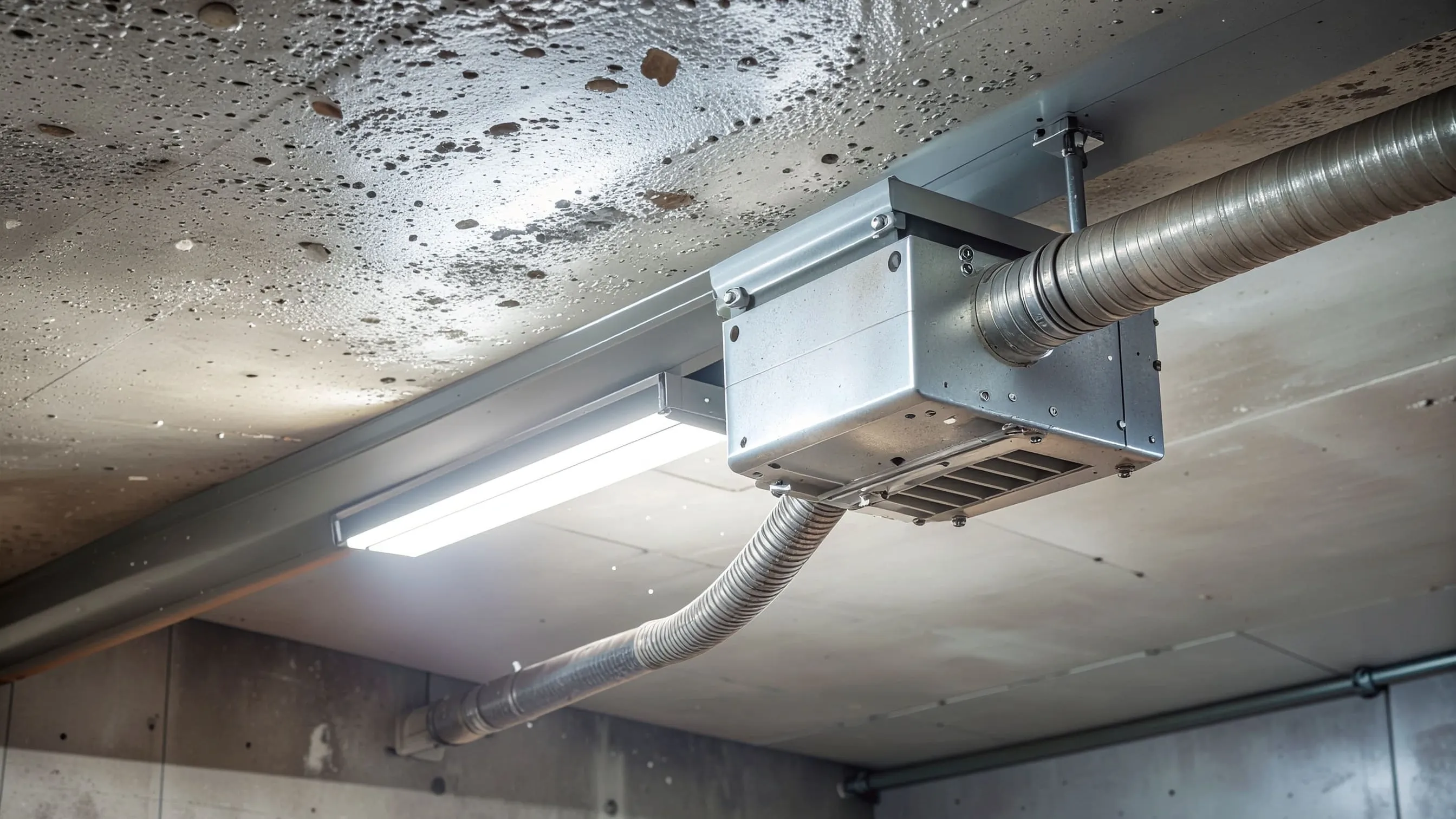
Modern air source heat pumps generate a surprising amount of water during their standard cooling cycles or internal defrost sequences. When you install an indoor unit in a basement, a central hallway, or a tight ceiling void, relying on a traditional gravity drain is physically impossible. Gravity always wins, but when you cannot slope a pipe downwards, a reliable heat pump condensate pump is absolutely essential. Choosing the right mechanical solution for a restricted space requires balancing physical size, acoustic output, and vertical lifting power. You must select and install these units with absolute precision to prevent devastating water damage to the surrounding property.
Understanding Condensate Generation and Space Constraints
Indoor evaporator coils strip massive amounts of humidity from the ambient air, resulting in water collecting rapidly in the mini split drain pan. During peak summer humidity, a standard residential unit can easily produce several litres of water every single hour. When working within the tight confines of a modern apartment ceiling or a retrofitted loft space, you simply do not have the necessary physical drop to run a standard plastic drain pipe to the exterior of the building.
To overcome this lack of physical space, you must utilise mechanical extraction. Heating and Plumbing World stocks a highly specialized range of compact extraction units designed specifically for these challenging, restrictive installation environments.
Choosing the right heat pump condensate pump requires balancing the physical dimensions of the pump block against the available void space. You cannot simply wedge a vibrating plastic box against plasterboard and hope for the best. Vibration transfers into acoustic noise, which will inevitably generate complaints from the homeowner every time the unit activates to clear the collected water.
Evaluating Pump Types for Restricted Voids
Standard oscillating piston pumps are incredibly common, but they can be noisy and struggle if they run dry. For extremely tight and noise-sensitive areas, a peristaltic pump installation offers immense benefits. These specific rotary units use a mechanical roller to squeeze water through a flexible silicone tube.
When planning a peristaltic pump installation, you can mount the actual noisy motor mechanism several metres away from the indoor unit itself. This allows you to hide the mechanical components in an adjacent utility cupboard or roof space, leaving only a tiny sensor block inside the actual living area.
Selecting the correct form factor means evaluating your specific site conditions carefully. Accessing quality heating plumbing supplies ensures you always have the right technological solution available for the specific architectural constraints you are facing.
You must also match the mechanical capabilities to the thermal output of the system. Choosing a tiny, ultra-quiet pump is useless if it lacks the required water flow capacity to keep up with a large ten-kilowatt commercial ducted unit running at maximum load.
Managing Vertical Lift and Resistance
Pushing water vertically against gravity requires significant mechanical force. Every single extraction unit on the market has a strictly rated maximum discharge head. This metric defines the absolute highest vertical point the motor can push a column of water before gravity overcomes its internal pumping pressure.
Last summer, an installer fit a cheap, underpowered extraction block in a loft conversion without calculating the vertical lift required to reach the external roof vent. The pump ran continuously trying to beat gravity, eventually overheating and burning out entirely. The resulting overflow ruined a freshly plastered ceiling downstairs. Always calculate the total vertical lift first.
Exceeding the maximum discharge head means the water simply stalls in the vertical tube and eventually flows backwards into the indoor unit. The physics of pushing water vertically remain exactly the same whether you are sizing a tiny condensate remover or a large domestic shower pump for a residential property.
Similar engineering rules apply when you specify a robust water supply pump for wider property circulation. You must account for static head height and the internal friction loss of the plastic tubing. Every sharp ninety-degree bend in the discharge line adds artificial resistance, effectively reducing the overall lifting capability of the motor.
Electrical Safety and Sensor Integration
Every modern heat pump condensate pump relies on precise electronic or mechanical sensors to detect rising water levels. Think of the internal switching mechanism like the simple ball valve inside a standard toilet cistern. As the water level rises, the float lifts and triggers the action. If that float jams due to biological sludge or construction dust, the mechanism fails instantly and the water overflows.
To prevent catastrophic flooding, proper float switch wiring separates professional installations from amateur attempts. This secondary safety circuit is completely non-negotiable.
If you execute the float switch wiring correctly, it breaks the low-voltage signal to the outdoor compressor the moment water reaches a critical, dangerously high level. The system shuts down gracefully before any water can physically spill over the edges of the indoor mini split drain pan.
You must never bypass these safety circuits simply to save time during commissioning. Placing the sensor directly inside the mini split drain pan requires careful alignment so the float can travel smoothly up and down without catching on the plastic chassis.
Installation Best Practices and Pipework
Routing the discharge tube demands careful planning to avoid internal kinks or sharp, restrictive bends. When executing a peristaltic pump installation, securing the rotary silicone tubing firmly prevents it from slipping off the main chassis under load.
Using rigid, high-quality plumbing pipe solutions for the final horizontal discharge run prevents the pipe from sagging between joists. Sagging creates artificial water traps where biological slime and algae will eventually grow and cause blockages.
Ensure every single push fit joint on the discharge line is fully inserted and securely clipped to the surrounding timber framework to prevent highly destructive leaks inside the ceiling void.
Before closing the ceiling or replacing the unit covers, always calculate your actual vertical lift against the manufacturer's stated maximum discharge head one final time. Testing the float switch wiring before commissioning involves manually pouring clean water into the collection tray until the pump activates, and then overfilling it slightly to verify the safety circuit successfully shuts down the compressor. Don't guess. Test.
Conclusion
Installing a heat pump condensate pump correctly protects the property from devastating water damage while ensuring the HVAC system operates efficiently in tightly constrained spaces. Always respect the physical lifting limits of the equipment, route your discharge pipework securely to avoid kinks, and never bypass the critical safety break circuits. If you encounter unusual installation constraints, need to calculate complex static head resistance, or require assistance matching a specific extraction unit to a high-capacity commercial system, please reach out to our experts for dedicated technical support today.