

Choosing the Correct Expansion Vessel Size
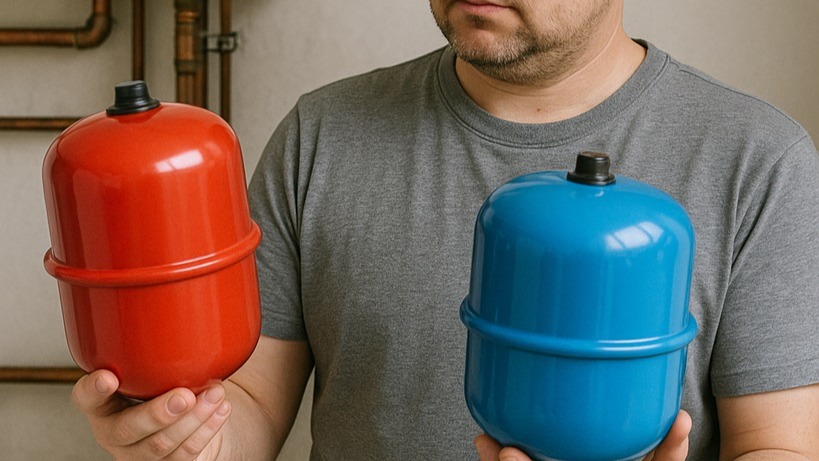
Selecting the right expansion vessel ensures your heating system runs efficiently and safely. In this detailed guide, part of our pillar category, Comprehensive Guide to Expansion Vessels, we’ll explore the factors you must consider when choosing the correct expansion vessel size. We’ll walk through how expansion vessels work and the impact of vessel size on system performance. We will also offer practical tips and personal insights to help you make an informed decision.
Imagine the relief of knowing that your heating system is running efficiently and safeguarded against pressure fluctuations and potential damage. With the right expansion vessel, you can ensure that your system absorbs pressure changes, protects vital components, and operates at peak performance throughout its lifespan.
What Is an Expansion Vessel and Why Is It Important?
An expansion vessel is a critical safety component in many heating systems, designed to absorb the expansion of water as it heats up. This helps maintain consistent pressure levels within your system and prevents over-pressurisation, which can lead to leaks, equipment damage, or even system failure.
The Role of the Expansion Vessel
- Pressure Regulation: As the water heats up, it expands. The expansion vessel provides a cushion accommodating this extra volume, maintaining steady system pressure.
- System Protection: By absorbing pressure spikes, the vessel helps protect pipes, boilers, and other components from damage.
- Efficiency: A well-sized vessel contributes to overall system efficiency, ensuring your heating system runs smoothly and consistently.
Check out our Expansion Vessels page for a wide selection of quality expansion vessel components and expert advice.
Understanding System Requirements
Before you choose an expansion vessel, it’s essential to understand the specific needs of your heating system. This involves assessing the system’s total water volume, operating pressure, and the characteristics of your boiler.
Factors to Consider
- System Water Volume:
The total water volume in your heating system determines the capacity required for the expansion vessel. A larger system typically needs a ship with a higher capacity to manage the water expansion effectively. - Operating Pressure:
The standard operating pressure of your heating system is a key factor. The expansion vessel must be sized to handle the pressure changes without compromising the system’s integrity. - Temperature Range:
Consider the maximum temperature your system will reach during operation. Higher temperatures result in greater water expansion, influencing the vessel size required. - Boiler Type and Manufacturer Recommendations:
Always refer to your boiler manufacturer’s guidelines, which often include recommendations for the appropriate expansion vessel size for your particular model and system setup.
Calculating the Correct Vessel Size
The process of determining the right expansion vessel size may sound daunting, but it essentially comes down to understanding your system’s specifications. Manufacturers typically provide calculation formulas or guidelines to help with this process. Here’s a simplified approach:
- Determine the Expansion Volume:
Estimate how much water will expand when heated to the maximum operating temperature. - Select the Vessel with the Right Capacity:
Choose an expansion vessel whose capacity exceeds the calculated expansion volume, factoring in a safety margin.
Explore our detailed guides on Expansion Vessels for a more in-depth explanation of these calculations and guidance on selecting the right capacity.
Types of Expansion Vessels
Several types of expansion vessels are available, each designed for specific applications. Understanding the differences will help you select the one that best suits your heating system.
Diaphragm Expansion Vessels
These vessels contain a flexible diaphragm that separates the water from a pre-charged air cushion. They are commonly used in domestic heating systems because of their reliability and ease of maintenance.
- Benefits:
- Simple design and straightforward installation
- Consistent performance in maintaining pressure
- Low maintenance requirements
Bladder Expansion Vessels
Bladder vessels are similar to diaphragm vessels but use a bladder instead of a diaphragm. They are designed to offer greater durability and can be ideal for larger systems or those with higher temperature fluctuations.
- Benefits:
- Higher durability and performance under variable conditions
- Often recommended for commercial or high-demand systems
Custom and Hybrid Options
Custom expansion vessels or hybrid models may be necessary for unique or larger heating systems. These vessels can be tailored to meet the specific demands of your system, ensuring optimal performance.
Practical Tips for Choosing the Correct Expansion Vessel Size
Choosing the right expansion vessel doesn’t have to be overwhelming. Here are some practical tips and personal insights to guide you through the process:
1. Assess Your System’s Specifications
Begin by gathering all relevant information about your heating system. Review your boiler’s manual for recommended operating pressures and temperatures. Measure the total water volume in your system, as this is a key factor in determining the vessel size.
- Personal Insight: I once helped a homeowner who was experiencing frequent pressure fluctuations. After carefully assessing, we discovered that the expansion vessel was undersized for their system’s water volume. Upgrading to a correctly sized vessel resolved the issues entirely.
2. Consult the Manufacturer Guidelines
Always refer to the manufacturer’s boiler and heating system components guidelines. These guidelines are designed to ensure compatibility and optimal performance.
- Tip: If you’re uncertain about any specifications, contact customer support or a professional heating engineer. This can save you time and prevent costly mistakes.
3. Consider Professional Advice
While many homeowners can perform basic calculations, consulting a heating engineer or specialist is often beneficial. They can precisely calculate and recommend the best expansion vessel options based on your specific system requirements.
- Example: A local heating engineer once recommended a slightly larger vessel for a system with variable pressure needs. This proactive approach helped the homeowner avoid future issues and improve system efficiency.
4. Factor in Future Needs
Think ahead about potential changes to your heating system. If you’re planning any upgrades, renovations, or expansions, choose an expansion vessel that can accommodate future demands. This forward-thinking approach can help avoid the need for replacements or additional adjustments later.
5. Compare Options and Prices
Once you’ve determined the specifications, compare different expansion vessels from reputable suppliers. Look for quality products that offer a balance between price, performance, and durability.
- Internal Link: For a range of high-quality options, visit our Expansion Vessels section to see the latest products and recommendations.
Installation and Maintenance Best Practices
Choosing the right expansion vessel is only the first step. Proper installation and ongoing maintenance are essential to ensure the vessel performs as intended.
Installation Considerations
- Professional Installation:
Even if you’re confident in your DIY skills, having a certified heating engineer install the expansion vessel can ensure it’s correctly integrated into your system. - Correct Placement:
Ensure the vessel is installed where it can be easily accessed for future maintenance and inspections.
Routine Maintenance
- Regular Inspections:
Periodically check the expansion vessel for wear, corrosion, or pressure issues. Keeping a maintenance log can help you track the performance over time. - Pressure Checks:
Verify that the pre-charge pressure in the vessel is maintained according to the manufacturer’s guidelines. If you notice any deviations, it might be a sign that the vessel needs attention or replacement. - Professional Servicing:
Schedule an annual service with a qualified engineer to inspect not only the expansion vessel but your entire heating system. This proactive approach can prevent minor issues from escalating into costly repairs.
Personal Anecdotes and Real-Life Examples
Over the years, I’ve encountered various situations where selecting the correct expansion vessel dramatically affected system performance. One memorable case was with a family home experiencing erratic pressure spikes during peak winter usage. After detailed calculations and a thorough assessment of the system’s water volume, it turned out that the installed expansion vessel was too small. Replacing it with an appropriately sized vessel stabilised the pressure and improved overall energy efficiency, resulting in lower bills and increased comfort throughout the home.
Another instance involved a commercial property where the heating system was critical to daily operations. The property manager had been dealing with frequent maintenance issues, and after a detailed analysis, we discovered that the expansion vessel was undersized. Upgrading to a boat with the appropriate capacity eliminated the recurring problems and improved system reliability, ensuring that the property maintained a comfortable environment for employees and customers.
Expert Recommendations and Internal Links
At Heating and Plumbing World, we’re passionate about providing quality products and advice to keep your home comfortable and energy efficient. Here are some recommendations to explore further:
- Worcester Bosch Boiler Spares: Ensure your boiler is always performing at its best by checking out our range of Worcester Bosch Boiler Spares.
- Oil Boiler Spares: For those with oil heating systems, our selection of Thermecon Oil Boiler Spares offers reliability and quality.
- Photo Cells for Oil Heating: Discover efficient solutions with our photo cells designed for oil heating systems.
- Worcester Bosch Condensate Pump: Enhance performance with our Worcester Bosch Condensate Pump.
- Baxi Boiler Spares: Complement your system with our offerings for Baxi Boiler Spares.
- Oil Boilers by Firebird: Consider our Firebird Oil Boilers for an upgrade.
- Fire Valves and More: Check out our range of fire valves to ensure safety.
- Brassware and Fittings: Our selection of pressure relief valves provides peace of mind.
- Crystal Fireplaces: For alternative heating options, explore our Crystal fireplace spares.
- Burners for Oil Heating: Upgrade components with our burners.
- Water Tanks: Consider our Kingspan Ferham Tanks for efficient water storage.
- Greenstar Junior Spares: For Worcester Bosch systems, our Greenstar Junior spares are highly recommended.
- Expansion Vessels: Enhance reliability with our range of expansion vessels.
- Cannon and Crystal Brands: Browse our selections from leading brands like Cannon and Crystal for quality assurance.
- Radiant Fire Spares: Finally, for those with radiant heating systems, check out our radiant fire spares.
Final Thoughts: Making the Right Choice
Choosing the correct expansion vessel size is an investment in your heating system's longevity, efficiency, and safety. By understanding your system’s requirements, consulting manufacturer guidelines, and considering professional advice, you can select an expansion vessel that meets both your current and future needs.
Remember, even the smallest components play a significant role in the overall performance of your heating system. With the right expansion vessel, you’re protecting your investment and ensuring that your home remains warm, efficient, and safe.
For further assistance or to browse a wide range of high-quality expansion vessels, visit our Expansion Vessels page. You’ll find expert advice, detailed product descriptions, and reliable options to suit any heating system here.