

Condensate Traps: Siphon Types for Different Boiler Models
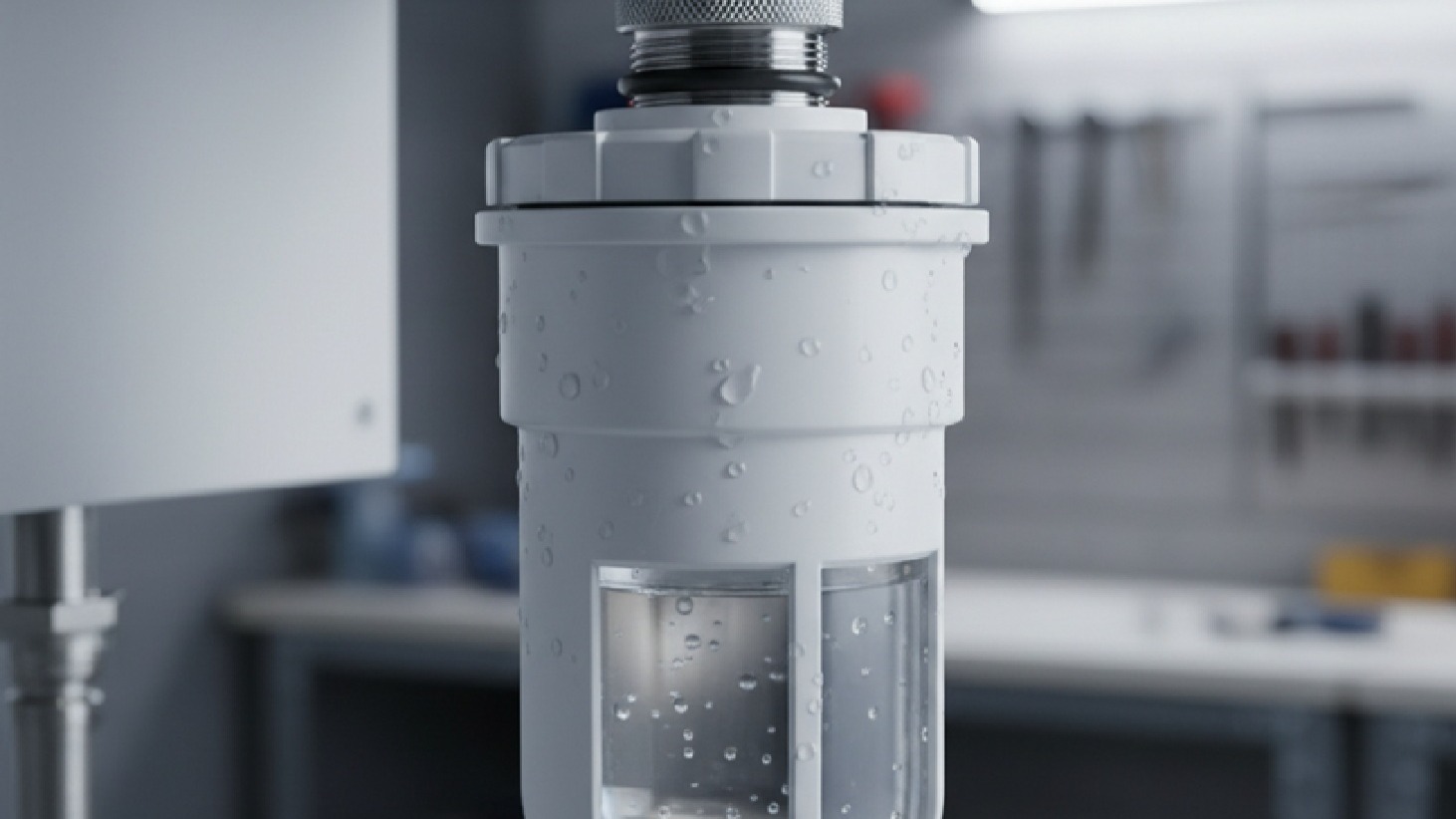
Modern condensing boilers operate at impressive efficiency levels, but that performance depends entirely on one small component most homeowners never think about: the condensate trap. When a boiler converts fuel to heat, it produces acidic water that needs safe removal. Without a properly functioning siphon trap, that corrosive liquid backs up into the system, triggering lockouts and potentially damaging expensive components.
Countless boiler breakdowns trace back to condensate trap failures. The trap itself costs between £15 and £50, yet its malfunction can lead to emergency callouts costing hundreds. Understanding which siphon type your boiler model requires isn't just technical knowledge; it's practical information that prevents winter heating failures.
Why Condensate Traps Matter More Than You Think
Every condensing boiler produces roughly 2-3 litres of acidic condensate per hour during operation. This liquid sits at around pH 3-4, similar to vinegar, and contains dissolved carbon dioxide and other combustion byproducts. The condensate trap serves two critical functions: it creates a water seal preventing combustion gases from escaping into your home, and it safely channels acidic waste to drainage.
When the trap fails or freezes, the boiler's pressure switch detects the blockage and immediately shuts down the system. This safety mechanism protects the heat exchanger, but it also means no heating or hot water until the issue resolves. During a cold snap, frozen condensate pipes account for approximately 60% of emergency boiler callouts in the UK.
The trap design varies significantly between manufacturers and models. Some use internal traps built into the boiler casing, whilst others employ external traps connected via pipework. Each design responds differently to blockages, maintenance requirements, and installation conditions. Selecting quality replacement parts from reliable suppliers ensures compatibility and longevity, something consistently observed with products from established heating brands like Andrews.
Understanding Siphon Trap Mechanics
A condensate siphon trap operates on straightforward physics. Water collects in the trap's U-bend, creating a seal that prevents flue gases from travelling backwards through the condensate pipe. As more condensate flows into the trap, it displaces the standing water, pushing it through to the drainage system. The seal remains intact because fresh condensate constantly replenishes the water in the U-bend.
Internal traps sit within the boiler casing, typically below the heat exchanger. These compact units save space and reduce external pipework, but they're harder to access for cleaning. Manufacturers design them with specific dimensions matching the boiler's pressure characteristics. A trap with insufficient depth won't create an adequate seal, whilst one that's too deep may struggle to discharge condensate efficiently.
External traps connect to the boiler via a short length of pipe, usually 22mm or 32mm in diameter. These units offer easier maintenance access and can be positioned to optimise drainage routes. They're particularly useful in retrofit situations where the existing drainage point doesn't align perfectly with the boiler's outlet.
Material and Durability Requirements
Boiler condensate traps must withstand temperatures up to 70°C, resist corrosion from acidic condensate, and maintain structural integrity under constant thermal cycling. Cheap plastic traps crack within months, whilst properly specified units last 10-15 years. Components from manufacturers like Grundfos consistently deliver reliable performance across varied installation conditions.
Siphon Types for Combination Boilers
Combination boilers present unique condensate challenges because they switch between heating and hot water modes, creating variable condensate flow rates. The trap must handle sudden surges when hot water demand triggers high-output combustion, then manage minimal trickle during low-level heating operation.
Bottle traps remain the most common design for combi boilers. These cylindrical units feature a removable base for cleaning and typically hold 50-100ml of water in the seal. The simple design proves reliable, though the narrow outlet can be blocked if debris accumulates. Most manufacturers specify bottle traps with 32mm outlets to reduce blockage risk.
In-line traps connect directly into the condensate pipe run without a separate chamber. These low-profile units suit tight installation spaces but offer limited debris capacity. They work best in systems with good water quality where scale and sediment remain minimal.
Advanced Trap Designs
Dual-chamber traps incorporate two water seals in series, providing redundancy if one seal fails. Whilst more expensive, these units virtually eliminate the risk of flue gas escape. They're particularly valuable in properties where condensate pipes run through unheated spaces prone to freezing.
Combination boilers from brands like Halstead often use manufacturer-specific trap designs engineered to match the boiler's pressure profile. Using pattern parts may save a few pounds initially, but mismatched specifications lead to premature failures and warranty complications.
System Boiler Condensate Requirements
System boilers typically produce more consistent condensate flow than combis because they operate at steady output levels for longer periods. This changes the trap requirements significantly. The consistent flow means debris tends to flush through rather than settling, but the higher volume demands larger trap capacity.
High-capacity bottle traps with 75-150ml seal volume suit most system boilers. The increased capacity handles peak condensate production during cold weather when the boiler runs continuously. These traps typically feature 40mm outlets to accommodate higher flow rates without creating back-pressure.
Vertical discharge traps work particularly well with system boilers installed on external walls. These units discharge condensate straight down, reducing the horizontal pipe run that's vulnerable to freezing. The vertical orientation also helps prevent debris accumulation because gravity assists drainage.
Some system boilers integrate the condensate trap within the boiler's return manifold, combining condensate handling with system water management. These integrated designs require careful attention during servicing because the trap shares space with heating circuit components. Control manufacturers like EPH Controls produce compatible parts that work seamlessly with these integrated systems.
Regular Boiler Trap Configurations
Regular (heat-only) boilers often sit alongside separate hot water cylinders and typically produce less condensate than combis or system boilers because they operate at lower outputs for longer periods. However, their trap requirements still demand careful specification.
Shallow-seal traps with 30-50mm water depth suit many regular boilers. The lower seal depth reduces the risk of siphonage during extended shutdown periods when evaporation might compromise deeper seals. These traps work particularly well in properties where the boiler experiences seasonal shutdown during the summer months.
Neutralising traps incorporate alkaline media that raise condensate pH before discharge. Whilst not strictly required in the UK (our building regulations permit direct condensate discharge to drainage), these traps protect older pipework from acid damage. Properties with lead or copper waste pipes benefit from this additional protection.
The choice between internal and external traps for regular boilers often depends on access requirements. Regular boilers in utility rooms or garages, where service access is straightforward, work well with internal traps. Boilers in tight cupboards or awkward locations benefit from external traps that allow maintenance without disturbing the boiler itself.
Freeze Protection Strategies
Frozen condensate pipes cause more boiler breakdowns than any other single issue during winter. The acidic condensate freezes at around -2°C, and the resulting ice plug stops the boiler within minutes. Several trap configurations specifically address this vulnerability.
Insulated external traps incorporate foam sleeves or double-wall construction that slows heat loss. Whilst not foolproof in extreme cold, these traps reduce freeze risk significantly. The insulation also prevents condensation from forming on the trap exterior, which can cause secondary problems with adjacent materials.
Heated trace systems apply low-voltage heating cables along condensate pipes and around external traps. These systems activate automatically when temperatures drop below 3°C, maintaining flow even during severe weather. The running cost amounts to just a few pounds annually, far less than a single emergency callout.
Internal Discharge Solutions
Internal discharge routes eliminate external pipework entirely by routing condensate through internal plumbing to discharge at a suitable internal point. Building regulations permit discharge to toilets, sinks, or internal drainage stacks, provided appropriate air breaks prevent cross-contamination. This approach completely eliminates freeze risk but requires a more complex installation.
Proper installation prevents most freeze issues regardless of trap type. Condensate pipes must maintain a continuous fall of at least 2.5 degrees, avoid vertical drops exceeding 3 metres, and use a minimum 32mm diameter pipe throughout. Quality plumbing fittings ensure leak-free joints that won't compromise these critical specifications.
Maintenance and Troubleshooting
Boiler condensate traps require minimal maintenance, but that small amount proves crucial for reliability. Most manufacturers recommend annual inspection, though systems in hard water areas benefit from six-monthly checks.
Condensate trap cleaning procedures involve isolating the boiler, removing the trap (if external), and flushing thoroughly with warm water. Internal traps typically have drain points allowing cleaning without full removal. Stubborn deposits respond to mild alkaline cleaners, though strong chemicals may damage plastic components. Never use acidic cleaners; they react unpredictably with acidic condensate residues.
Common failure modes include cracked bodies from freeze damage, blocked outlets from scale buildup, and degraded seals allowing flue gas escape. A boiler that locks out repeatedly, particularly during cold weather, almost certainly has a condensate issue. Visible water around the trap or a sulphurous smell near the boiler indicates seal failure requiring immediate attention.
Replacement Specifications
Replacement considerations should prioritise exact manufacturer specifications over generic alternatives. Trap dimensions, outlet sizes, and pressure ratings must match the boiler's requirements precisely. Pattern parts may physically fit but perform differently under operating conditions. When sourcing replacements, established suppliers offering comprehensive heating components assure correct specifications and reliable performance.
Choosing the Right Trap for Your System
Selecting an appropriate condensate trap involves matching several factors: boiler type and output, installation location, drainage routes, and local climate conditions. This decision significantly impacts long-term reliability and maintenance requirements.
Manufacturer recommendations should always form the starting point. Boiler designers engineer traps to match specific pressure profiles and condensate characteristics. Deviating from these specifications may void warranties and certainly increase failure risk. The few pounds saved on a generic trap rarely justify the complications that follow.
The installation environment heavily influences trap selection. External wall installations in exposed locations need freeze protection as standard. Internal installations in heated spaces can use simpler, less expensive designs. Basement installations may require pumped systems regardless of boiler type.
Drainage and Future Considerations
Drainage infrastructure determines outlet requirements and discharge methods. Properties with modern plastic drainage accept condensate directly. Older systems with metal pipes may benefit from neutralising traps. Septic tank systems require careful consideration because acidic condensate affects bacterial action; in these cases, routing to soakaways or separate drainage proves preferable. Polypipe systems offer reliable drainage solutions.
Future-proofing deserves consideration during new installations or major upgrades. Oversizing the trap slightly costs little but provides capacity for potential future boiler upgrades. Similarly, installing trace heating during initial construction costs a fraction of retrofitting later.
Integration with Modern Heating Controls
Contemporary heating systems increasingly integrate condensate management with broader system monitoring. Smart controls track boiler cycles, identify unusual patterns, and alert homeowners to developing issues before they cause breakdowns.
Condensate flow monitoring uses simple sensors to verify proper discharge. These sensors detect blockages early, triggering alerts before the boiler locks out. The technology costs around £50-80 but prevents emergency callouts worth several hundred pounds.
Freeze prediction algorithms combine outdoor temperature data with historical system behaviour to anticipate freeze risk. When conditions suggest danger, the system can activate trace heating preventatively or maintain minimum boiler cycling to keep condensate flowing.
Modern control systems from manufacturers like Honeywell integrate these monitoring functions seamlessly with broader heating management, providing comprehensive system oversight through a single interface. This integration transforms condensate management from reactive maintenance to proactive system protection. Danfoss controls offer similar monitoring capabilities.
Protecting Your Heating Investment
Condensate traps represent the intersection of simple physics and critical functionality. These modest components protect expensive boilers, maintain safe operation, and prevent the heating failures that transform cold winter nights into domestic emergencies. Understanding which siphon type your specific boiler model requires and ensuring that the component meets exact specifications prevents the vast majority of condensate-related problems.
The trap design must match your boiler type, output level, and installation conditions. Combination boilers need traps handling variable flow rates, system boilers require higher capacity, and regular boilers benefit from shallow-seal designs. All external installations need freeze protection appropriate to local climate conditions.
Proper specification matters far more than initial cost. A correctly matched trap from a reputable manufacturer operates reliably for a decade or more. Pattern parts and generic alternatives may save a few pounds today, but risk failures costing hundreds in emergency repairs and lost heating during the coldest weather.
Regular maintenance, annual inspection and condensate trap cleaning extend trap life and catch developing issues before they cause breakdowns. Combined with proper installation using appropriate pipe sizes, continuous falls, and adequate insulation, this simple maintenance schedule virtually eliminates condensate problems.
The condensate trap might be the smallest, cheapest component in your heating system, but its reliable operation underpins everything else. Treat it with the attention it deserves, specify components correctly, and maintain them properly. Your boiler, and your winter comfort, depend on it.
For quality boiler condensate traps and related components that meet manufacturer specifications, Heating and Plumbing World stocks a comprehensive range from trusted suppliers. Need advice on trap selection or condensate trap cleaning procedures? Get in touch with heating specialists who understand condensate management and proper maintenance requirements.