

Conservation Area Constraints on External Heating Units
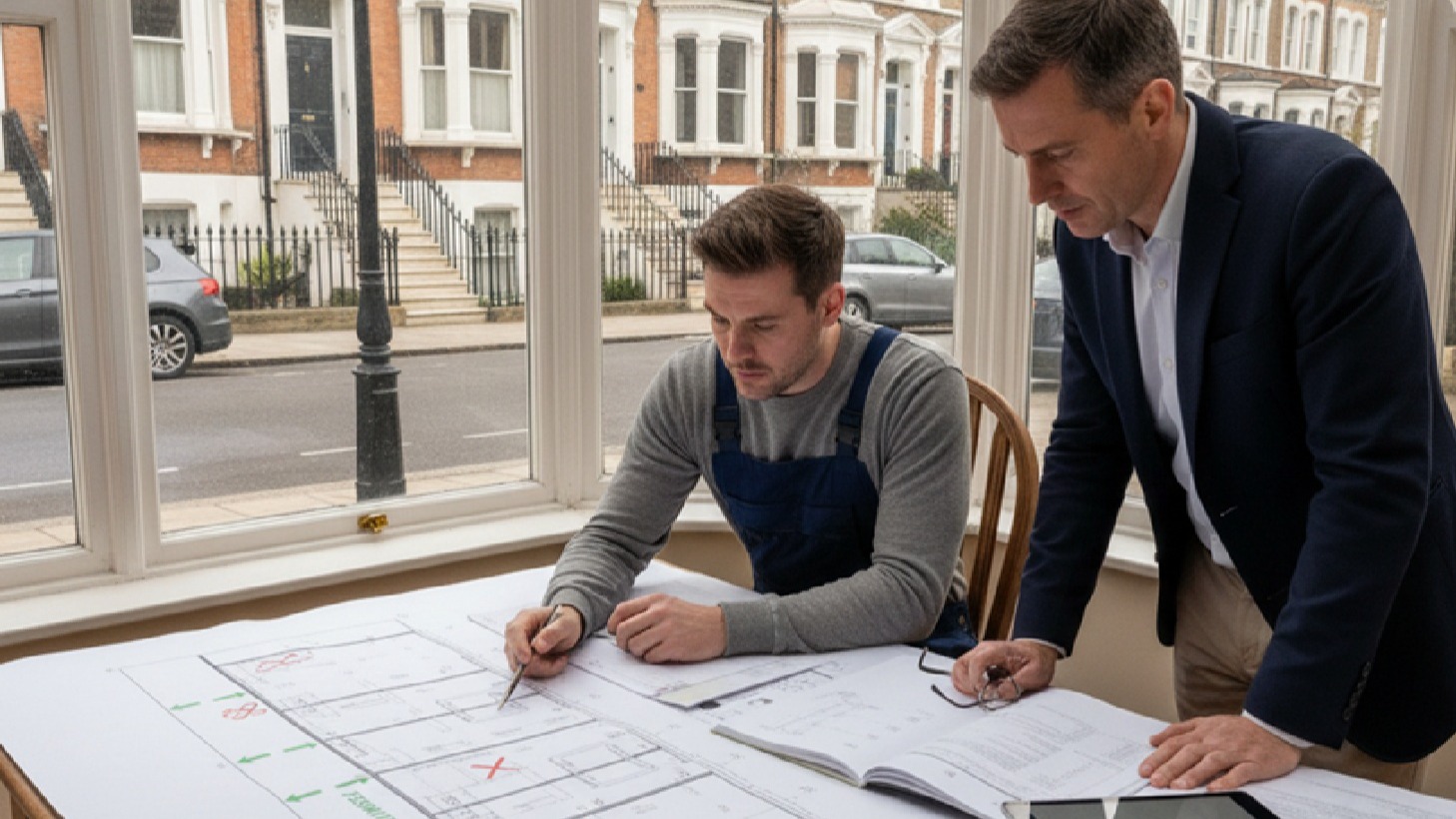
Planning a new heat pump or replacing an old boiler with modern external heating equipment? Conservation area rules might determine where you can install it, or whether you can install certain types at all.
These restrictions exist in over 10,000 designated conservation areas across England, Wales, Scotland, and Northern Ireland. They protect the character of historically or architecturally significant neighbourhoods, but they also add layers of approval to what would otherwise be straightforward installations.
What Qualifies as Permitted Development
Most external heating units fall under permitted development rights, meaning you don't need full planning permission. But conservation areas strip away some of these automatic rights.
Standard permitted development allows you to install air source heat pumps, boilers with external flues, and oil tanks without planning permission, provided they meet specific conditions. These include:
- Volume limits (typically 0.6 cubic metres for air source heat pumps)
- Distance requirements from boundaries (usually 1 metre minimum)
- Noise restrictions (42 decibels at 1 metre for heat pumps)
- Height constraints relative to the property
Conservation area heating restrictions remove these automatic rights for any installation on walls facing a highway or public space. That front-facing wall where you planned your heat pump? It now requires planning permission.
The Highway-Facing Rule
"Highway" doesn't just mean main roads. Planning law defines it as any public right of way, including footpaths, bridleways, and minor lanes. If pedestrians can legally walk past your property, that elevation counts as highway-facing.
This catches many homeowners off guard. A quiet residential street with minimal traffic still qualifies. Side walls visible from public footpaths require the same permissions as front walls.
Installations have been delayed by 8-12 weeks because homeowners assumed their quiet cul-de-sac didn't count as a highway. Local planning authorities confirmed it did, requiring retrospective applications and, in two cases, complete relocations of the units.
Planning Permission Requirements
When your installation requires planning permission, expect to submit:
Detailed site plans showing the exact position of the unit, distances from boundaries, and relationship to neighbouring properties. Hand-drawn sketches rarely suffice; most councils want scaled drawings.
Elevation drawings demonstrating how the unit appears from street level. These need to show the unit in proportion to the building and in context with surrounding properties.
Noise assessments for heat pumps, particularly if the unit sits close to neighbours. Some conservation area committees request independent acoustic reports showing predicted noise levels at property boundaries.
Heritage statements explaining how your proposal preserves or enhances the conservation area's character. This sounds bureaucratic, but it's often the deciding factor. Strong statements address the unit's visual impact, screening measures, and why the chosen location minimises harm to the area's appearance.
Application fees range from £206 for householder applications in England to different rates in Scotland, Wales, and Northern Ireland. Processing takes 8 weeks minimum, often extending to 12-16 weeks if the council requests additional information.
Alternative Installation Locations
Conservation area heating restrictions push installations toward less visible locations.
Rear walls not visible from public spaces usually retain permitted development rights. Even in conservation areas, you can often install heat pumps and external boilers on rear elevations without planning permission, provided you meet the standard technical requirements.
Side passages work when they're not visible from the street. If your property has a side return or passage that doesn't face the highway, this often provides the easiest path to compliant installation.
Ground-level installations behind walls or fencing reduce visual impact. Ground-mounted air source heat pumps positioned behind existing brick walls make them invisible from public viewpoints while maintaining efficient operation. Proper system design requires careful consideration of pipework runs and system protection components.
Internal flue routes eliminate external visibility entirely for boiler installations. Modern condensing boilers can work with horizontal flues that exit through rear walls, avoiding conservation area complications on street-facing elevations. Andrews and Morco both offer suitable models for sensitive installations.
Listed Building Considerations
Properties with listed status face stricter rules than conservation area designation alone. Listed building consent adds another approval layer, even for installations on rear walls.
The listing grade matters. Grade I and Grade II* buildings face intense scrutiny for any external alterations. Grade II listings, the most common, still require consent but allow more flexibility for sympathetic modern heating solutions.
Listed building consent examines:
- Impact on the building's historic fabric
- Reversibility of changes
- Effect on the building's special architectural or historic interest
- Appropriateness of materials and finishes
This process runs separately from planning permission. You might need both approvals for a single installation, doubling your application work and waiting time.
Heat Pump-Specific Challenges
Air source heat pumps face particular scrutiny in conservation areas due to their size and appearance. A typical external unit measures 900mm x 1200mm x 350mm, substantially larger than a boiler flue.
Visual impact assessments form the core of heat pump applications. Conservation officers evaluate how the unit affects the street scene. Dark-coloured units against matching walls typically gain easier approval than light units on brick elevations.
Acoustic considerations extend beyond standard permitted development noise limits. Conservation areas often contain properties in close proximity, and officers consider cumulative noise impact from multiple installations.
Screening Solutions
Screening options can make or break applications. Timber screens, trellis panels with climbing plants, or purpose-built enclosures reduce visual impact while maintaining airflow. Applications have been approved specifically because of well-designed screening proposals that planning officers initially leaned toward refusing.
Ground source heat pumps avoid most external visibility issues since the main components sit underground. The manifold and pump are usually installed in utility rooms or garages, creating no external impact. But the ground works themselves might require permission if they affect the property's curtilage or setting. Grundfos manufactures reliable ground source circulation equipment suitable for heritage installations.
Oil and LPG Tank Regulations
External oil tanks face similar highway-facing restrictions in conservation areas. Standard permitted development allows tanks up to 3,500 litres, but conservation areas remove this right for highway-facing installations.
Tank positioning becomes critical. Rear garden locations usually work without planning permission. Side passages might require permission depending on visibility from public spaces.
Secondary containment requirements apply regardless of conservation area status. Tanks installed after 2005 need bunds or double-skinned construction to prevent oil leaks. This adds bulk to the installation, increasing visual impact. Quality pipework and fittings ensure leak-free connections that meet building regulations.
Fire separation distances can conflict with conservation area preferences for discrete positioning. Oil tanks need 1.8 metres of separation from buildings, sometimes forcing them into more visible locations than heritage considerations prefer.
LPG tanks follow similar rules but with different safety distances. Underground LPG tanks eliminate visual impact entirely, an option worth considering when conservation area heating regulations make above-ground installation problematic.
Working with Conservation Officers
Conservation officers hold significant influence over applications. Early engagement improves approval chances substantially.
Pre-application advice costs £50-150 in most areas, but it clarifies whether your proposal stands a realistic chance. Officers indicate which locations might gain approval and what supporting information strengthens your case.
Site visits help officers understand context. Photos rarely capture how screening, existing vegetation, or surrounding buildings reduce a unit's visual impact. Inviting officers to assess the site before formal application submission can shift their perspective.
Design adjustments often emerge from these conversations. An officer might suggest relocating a unit 2 metres to place it behind an existing chimney stack, or recommend powder-coating to match existing paintwork.
Conservation officers generally support heating upgrades; they recognise the environmental and practical benefits. But they need applications that demonstrate thought about heritage impact, not just technical compliance.
Common Approval Conditions
Approved applications typically carry conditions that affect installation and ongoing use.
Colour specifications commonly require units to match existing building colours. Standard white heat pumps become grey, black, or custom colours. Powder coating adds £200-400 to equipment costs but often determines approval success.
Screening requirements might mandate specific fence heights, materials, or planting schemes. Conditions usually require screening installation before the heating unit becomes operational.
Noise limits sometimes go beyond standard permitted development requirements, particularly for installations near shared boundaries. Some approvals specify operational time restrictions, though this rarely works practically for heating systems. Modern heating controls from Honeywell or EPH Controls can help manage system operation efficiently.
Maintenance access conditions ensure screening doesn't prevent necessary servicing. Applications should demonstrate how engineers can access heat pump components for routine maintenance without removing permanent screening.
Enforcement and Retrospective Applications
Installing without the required permission risks enforcement action. Conservation area breaches receive priority attention from planning enforcement teams because they affect the wider area's character.
Enforcement notices can require the complete removal of non-compliant installations. Cases exist where homeowners had to remove and relocate heat pumps at costs exceeding £4,000, far more than the original planning application fee.
Retrospective applications offer a path to legitimise existing installations but carry no guarantee of approval. Some councils charge higher fees for retrospective applications, and approval rates run lower than for pre-installation applications.
The risk calculation rarely favours proceeding without permission. An 8-week planning delay costs less than potential removal and reinstallation.
Article 4 Directions
Some conservation areas impose Article 4 directions that remove additional permitted development rights beyond standard conservation area restrictions. These can affect rear installations that would normally avoid planning permission requirements.
Article 4 directions vary by location. Some remove all permitted development rights for external alterations. Others target specific changes like satellite dishes or solar panels while leaving heating equipment unaffected.
Checking for Article 4 directions requires contacting the local planning authority directly. These directions don't appear on standard property searches, and many homeowners remain unaware until they submit applications or face enforcement action.
Areas with Article 4 directions usually have particular heritage significance, historic town centres, Georgian terraces, or architecturally unified estates. The additional restrictions reflect the area's sensitivity to visual change.
Financial Support and Grants
Conservation area heating restrictions shouldn't deter heat pump installations; several grant schemes help offset both equipment and planning costs.
The Boiler Upgrade Scheme provides £7,500 toward air source heat pump installations and £6,000 for ground source systems. This grant applies regardless of conservation area status and covers systems installed with proper permissions.
Local authority grants sometimes offer additional support in conservation areas, recognising that heritage constraints increase installation costs. Some councils provide planning fee waivers or enhanced grants for heritage properties adopting low-carbon heating.
Energy company obligations under ECO4 can fund heating system upgrades for eligible households. Conservation area properties qualify on the same basis as properties elsewhere, though installation complexity might affect available installers.
Making Your Application Stronger
Successful conservation area applications share common features that demonstrate heritage awareness.
Professional photographs showing the proposed installation location from multiple viewpoints help officers assess visual impact accurately. Include long-range street views and close-up shots of the specific wall or location.
Photomontages superimposing the proposed unit onto site photographs give concrete evidence of visual impact. Basic image editing software can create these; they don't require professional architectural visualisation.
Neighbour consultation before submission can prevent objections. If adjacent properties support your application or confirm no concerns about noise or appearance, include their statements as supporting documents.
Installer expertise matters. Using certified heating engineers familiar with conservation area requirements ensures your installation meets both technical and planning standards. Their professional credentials and experience with similar projects can strengthen applications. Specifying quality components, whether Danfoss valves, Kingspan cylinders, or Gledhill thermal stores, demonstrates commitment to long-term reliability.
Planning Your Conservation Area Heating Installation
Conservation area heating restrictions add complexity but rarely prevent sensible installations. The key lies in understanding which walls trigger planning requirements, choosing appropriate locations, and demonstrating heritage awareness in your application.
Highway-facing installations need planning permission; that's the fundamental rule. But rear walls, screened locations, and well-designed proposals regularly gain approval, even in sensitive conservation areas.
Start by checking your property's exact designation with the local planning authority. Identify which elevations face public spaces. Consider rear or side locations that avoid conservation area complications entirely. When front or side installations make technical sense, invest time in a thorough application that addresses heritage impact directly.
The 8-12 week planning process feels frustrating when you need heating upgrades urgently. But it's substantially shorter and cheaper than retrospective applications or forced removals. Conservation area designation protects neighbourhood character that benefits all residents, including you. Working within these constraints produces installations that serve both your heating needs and the area's long-term heritage value.
For technical guidance on equipment suitable for conservation area installations, Heating and Plumbing World stocks components from leading manufacturers designed for sensitive heritage applications. Need specialist advice on planning requirements or system design? Reach out to specialists who understand both heating performance and planning requirements.