

Converting Coal Effect to Pebble Effect Gas Fires
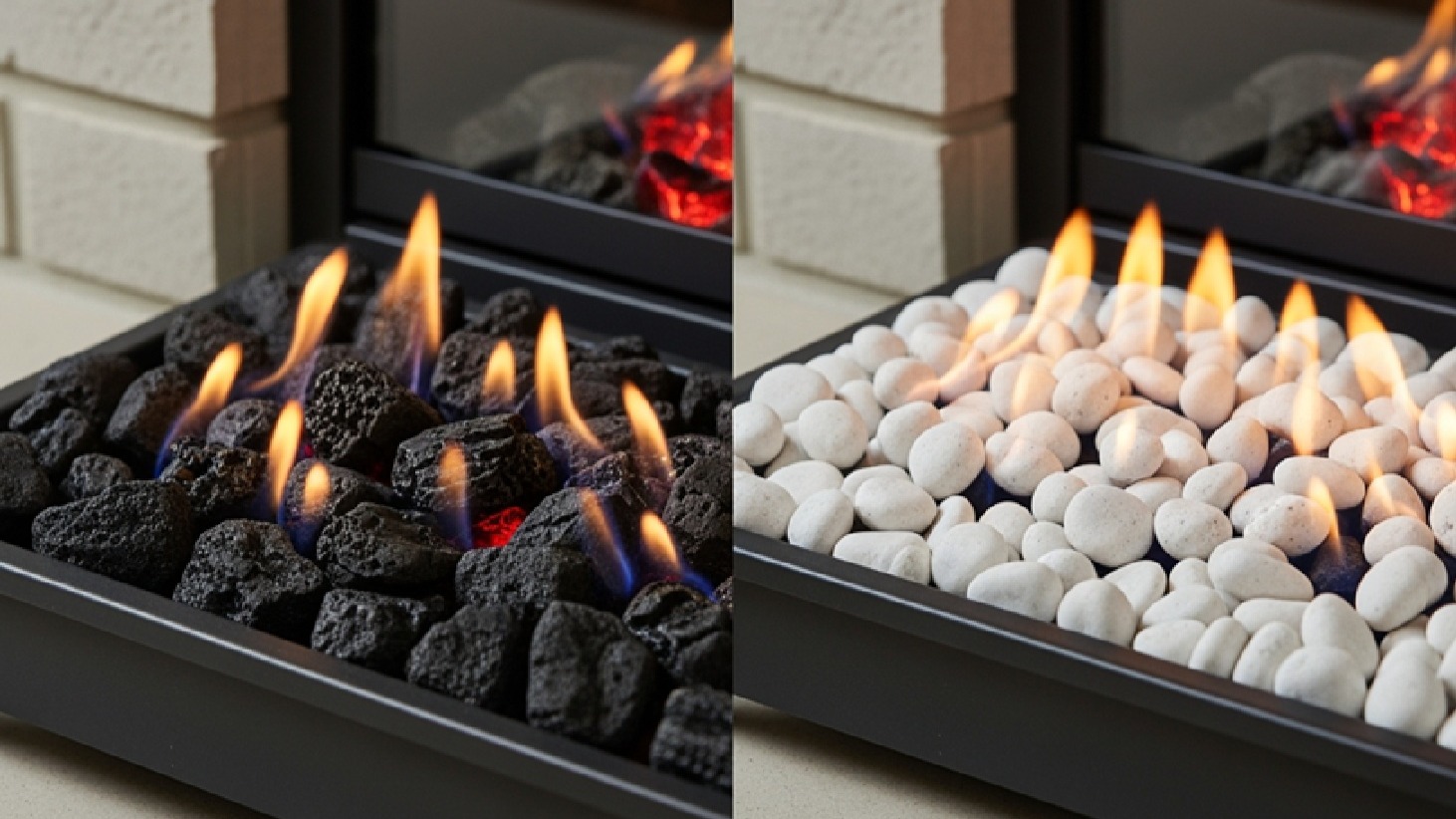
Gas fires have come a long way from the artificial-looking flames of decades past. If you've got an older coal-effect gas fire and fancy a change, switching to a pebble effect could give your living room a completely fresh look without replacing the entire unit. The process isn't as complicated as you might think, and it's considerably cheaper than buying a brand new fire.
Many homeowners stick with their coal effect simply because they don't realise how straightforward the coal to pebble conversion can be. Most modern gas fires are designed with interchangeable fuel beds, meaning you can swap between coal, pebbles, logs, or even driftwood effects with minimal fuss. The question isn't usually whether you can convert, but rather how to do it safely and which option suits your existing appliance.
Understanding Your Current Gas Fire Setup
Before you start ordering pebble sets online, you need to know exactly what type of gas fire you're working with. Not all fires are created equal, and compatibility matters enormously when it comes to changing fuel bed effects.
Most contemporary gas fires fall into three main categories: conventional flue fires, balanced flue fires, and flueless fires. Each has different ventilation requirements and burner designs, which affect what you can safely place on top. The coal effect you currently have will be sitting on a specific burner tray designed to distribute gas evenly across the fuel bed. This burner design determines whether pebbles will work effectively.
Check your fire's manual first. If you've lost it (and let's be honest, most of us have), the manufacturer's website usually has downloadable versions. Look for the model number, typically found on a data plate inside the fire or on the outer casing. This tells you whether your fire accepts alternative fuel beds and which specific sets are approved for your model.
Burner Type Compatibility
The burner type makes all the difference. Ribbon burners, which create a linear flame pattern, work brilliantly with pebbles because the stones sit naturally along the flame line. Radiant burners with multiple ports can also accommodate pebbles, though you need to ensure proper gas flow isn't restricted. Matrix burners, common in older coal-effect fires, sometimes struggle with pebbles because they're explicitly engineered for coal's shape and weight distribution.
Why Switch from Coal to Pebbles?
The aesthetic difference between coal and pebbles is stark. Coal effects, whilst traditional, can look dated in modern interiors. They suit period properties and classic décor schemes but often clash with contemporary design. Pebbles offer a cleaner, more natural appearance that complements minimalist and Scandinavian-inspired spaces particularly well.
Beyond looks, pebbles typically show less sooting than coal effects. The smooth surface of polished pebbles doesn't trap carbon deposits as readily as the craggy texture of ceramic coals. This means less frequent cleaning and a fire that maintains its appearance longer between maintenance sessions.
Heat distribution changes slightly, too. Pebbles tend to radiate warmth more evenly across their surface once heated, whereas coal effects can create more concentrated hot spots. This doesn't dramatically affect overall room heating, but some people find the gentler heat spread more comfortable.
The flame pattern shifts as well. With coal, you get flickering flames that weave between the individual pieces, creating a busy visual effect. Pebbles produce a calmer, more flowing flame that dances across the stones rather than darting between them. It's a matter of personal preference, but many find the pebble flame more relaxing to watch.
Checking Compatibility and Safety Requirements
Safety isn't negotiable when modifying any gas appliance. Using the wrong fuel bed can cause incomplete combustion, carbon monoxide production, or even damage to your fire. Manufacturers specify approved fuel beds for good reason; these combinations have been tested to ensure safe operation.
Start by contacting the manufacturer directly if you're uncertain. Most have technical support lines where you can quote your model number and ask about compatible pebble sets. They'll tell you not only whether a coal-to-pebble gas fire conversion is possible but also which specific product codes work with your fire.
Gas Safe registration matters here. Whilst swapping a fuel bed isn't technically "gas work" in the sense of touching pipework or burners, it affects how the appliance operates. If you're uncomfortable or uncertain about anything, getting a Gas Safe-registered engineer to advise or carry out the work is money well spent. They'll ensure the conversion maintains proper combustion and ventilation.
The instruction manual for your chosen pebble set will specify placement patterns. This isn't just for aesthetics; the arrangement affects how gas flows through the burner and how flames develop. Blocking gas ports or creating uneven distribution can lead to yellow-tipped flames (indicating incomplete combustion) or excessive sooting.
Some fires have specific weight limits for fuel beds. Pebbles are generally lighter than ceramic coals, so this rarely causes issues, but it's worth checking. Overloading the burner tray can stress the fire's structure and affect the flame picture.
Choosing the Right Pebble Set
Not all pebble effects are identical. You'll find variations in stone size, colour, material, and finish that dramatically change the final appearance. The key is matching the pebble set to both your fire's specifications and your room's aesthetic.
Most pebble sets use ceramic stones that mimic natural river rocks. These are specially manufactured to withstand high temperatures without cracking or discolouring. Genuine stones would eventually degrade under the constant heating and cooling cycles, so ceramic replicas are the standard.
Colour options typically range from white and cream through to grey, black, and mixed natural tones. Lighter pebbles create a contemporary, airy feel and reflect more light, making the fire area appear larger. Darker stones suit moody, dramatic interiors and show less sooting over time.
Size and Arrangement Considerations
Size matters for both practical and visual reasons. Larger pebbles (40-60mm) create a bold statement but require careful placement to avoid blocking burner ports. Smaller stones (20-30mm) allow a more flexible arrangement and better gas flow, but can look busy if your fire has a large viewing area. Many people find medium-sized pebbles (30-40mm) offer the best balance.
Some sets include mixed sizes, which creates a more natural, riverbed appearance. These can be particularly effective in larger fires where uniformity might look artificial. The variation in stone size adds visual interest and helps the eye move naturally across the fire.
For heating systems requiring reliable performance alongside your gas fire, Grundfos pumps ensure consistent circulation, whilst Honeywell controls provide seamless integration with modern gas fires.
The Conversion Process Step by Step
Once you've confirmed compatibility and chosen your pebble set, the actual coal-to-pebble conversion is relatively straightforward. You'll need to work carefully and methodically, but it's not beyond most DIY-capable homeowners.
First, ensure the gas supply to the fire is completely turned off. Don't just switch off the fire itself; turn off the isolation valve on the gas pipe feeding the appliance. If you can't locate this or aren't certain, don't proceed without professional help.
Allow the fire to cool completely if it's been used recently. Ceramic components retain heat for longer than you'd expect, and burns from fire parts are particularly nasty because the material holds temperature so well.
Remove the existing coal effect carefully. Most fuel beds simply lift out once you've taken off the front glass or decorative trim. Some fires have retaining clips or brackets that need releasing first. Photograph the coal arrangement before removal; whilst you won't be replacing it identically, seeing how the manufacturer intended fuel bed placement helps understand the principles.
Inspection and Cleaning
With the coal removed, inspect the burner tray thoroughly. Look for any damage, cracks, or corrosion that might affect performance. Check all burner ports are clear and unblocked. This is your opportunity to clean the burner properly before installing the new fuel bed.
Use a soft brush and vacuum to remove dust and debris from the burner tray and fire chamber. Pay attention to the areas around burner ports where blockages can affect flame quality. Don't use water or cleaning chemicals on gas components unless specifically recommended by the manufacturer.
Lay out your pebbles before final installation. Most manufacturers provide a recommended arrangement pattern in the instructions. Follow this precisely; it's engineered to ensure proper gas flow and flame development. The pattern isn't arbitrary; it's tested to deliver safe, efficient combustion with an attractive flame picture.
Place pebbles gently but firmly according to the pattern. Ensure no block burner ports are completely blocked, and maintain the spacing recommended by the manufacturer. Some designs require pebbles to sit directly over certain ports, whilst others need clearance. Getting this right is crucial for safe operation.
Testing and Initial Operation
After installing your pebble fuel bed, testing is essential before regular use. Turn the gas supply back on at the isolation valve. Check all connections for gas smells. If you detect any odour, shut off immediately and call a Gas Safe registered engineer.
Light the fire following your appliance's normal operating procedure. Observe the flame pattern carefully during the first few minutes. You should see even, blue flames dancing across the pebbles. Yellow tips, excessive flickering, or uneven flame distribution suggest incorrect pebble placement.
Run the fire for 30-60 minutes during this first test. Monitor flame behaviour, check for unusual sounds, and ensure the pebbles heat evenly without hotspots or cold areas. If anything seems off, shut down the fire and review the installation instructions.
Some pebbles may shift slightly during initial operation as they settle into their positions. This is normal. After the first burn, allow complete cooling, then check the arrangement. Adjust any stones that have moved out of position, ensuring burner ports remain properly exposed or covered according to the manufacturer's pattern.
Maintenance and Long-Term Care
Your converted pebble effect fire requires the same annual servicing as any gas appliance. A Gas Safe registered engineer should inspect, clean, and test the fire annually to ensure safe operation. Mention the fuel bed conversion during servicing so they can verify correct installation and combustion quality.
Between services, clean the pebbles periodically to remove dust and light sooting. Turn off and isolate the gas supply, allow complete cooling, then remove the pebbles carefully. Wash them in warm soapy water, rinse thoroughly, and dry completely before replacing. Never use harsh chemicals or abrasive cleaners that might damage the ceramic finish.
Vacuum the burner tray gently when pebbles are removed for cleaning. This prevents dust accumulation that can affect combustion. Use a soft brush attachment and low suction to avoid damaging burner components.
Check the pebble arrangement every few months. Vibration from the fire's operation or accidental knocks can shift stones out of position. If the flame pattern changes or you notice increased sooting, inspect and adjust placement as needed.
For comprehensive heating solutions and quality components, Danfoss controls and EPH Controls offer precise temperature management across your heating system.
When Professional Help Is Necessary
Whilst fuel bed conversion is often DIY-friendly, certain situations absolutely require professional involvement. If you're uncertain about any aspect of the process, calling in expertise is the sensible choice.
Any modifications to gas pipework, burner components, or fire structure need a Gas Safe-registered engineer. Swapping the fuel bed itself doesn't fall into this category, but if you discover damage or want to upgrade other components simultaneously, get professional help.
If your fire is still under warranty, check whether DIY fuel bed changes affect coverage. Some manufacturers specify that only approved engineers should modify appliances, even for simple changes. Voiding your warranty to save a modest call-out fee rarely makes financial sense.
Older fires without clear model identification or available documentation should be assessed professionally before conversion. An engineer can determine compatibility, check the appliance's overall condition, and advise whether conversion is worthwhile or whether replacement makes more sense.
If you experience any gas smells, unusual noises, or operational problems after conversion, shut off the gas supply immediately and contact a Gas Safe registered engineer. These symptoms indicate potentially dangerous issues that need expert diagnosis.
Cost Considerations and Value
Converting from coal to pebble effect is significantly cheaper than replacing your entire gas fire. A quality pebble set typically costs between £30 and £80, depending on size, brand, and stone type. Compare this to £500-£2,000 for a complete new fire installation, and the value becomes obvious.
Professional fitting, if you choose that route, adds £80-£150 depending on your location and the engineer's rates. Even with professional installation, you're still spending a fraction of what a new fire would cost.
The aesthetic refresh can genuinely transform a room. If your coal-effect fire is the only dated element in an otherwise modernised space, swapping to pebbles might be all you need rather than embarking on more extensive renovations.
Energy efficiency remains unchanged by fuel bed conversion. The burner and heat output stay identical; only the appearance alters. Don't expect reduced gas bills or increased warmth, but you won't see any negative impact either.
Resale value is worth considering. Whilst a gas fire's presence adds appeal to property listings, an outdated coal effect can make the whole room feel tired. A contemporary pebble effect suggests the property has been maintained and updated, even if the fire itself is older.
Alternative Options Beyond Pebbles
If you're considering conversion, it's worth knowing what else is available. Pebbles aren't the only alternative to coal effects, and your fire might accommodate several different fuel bed types.
Log effects remain popular, offering a traditional wood-burning appearance without the mess and maintenance of real logs. Ceramic logs are arranged to mimic a stacked wood fire, with flames weaving between the pieces. This suits country, cottage, and traditional interiors particularly well.
Driftwood effects have gained popularity recently, creating a coastal or beach-inspired aesthetic. The weathered, organic appearance of ceramic driftwood pieces works beautifully in relaxed, informal spaces and pairs well with natural materials like linen and rattan.
Some fires accept mixed fuel beds combining pebbles with logs or driftwood. These create visual complexity and can be adjusted seasonally if you're so inclined. The combination offers flexibility but requires careful arrangement to maintain proper gas flow.
Contemporary fires sometimes offer geometric or abstract fuel bed options using cubes, shards, or irregular shapes in metallic or coloured finishes. These suit ultra-modern interiors and make a statement, though they're less widely available than traditional options.
Making the Final Decision
Converting your coal effect to pebble effect comes down to three main factors: compatibility, preference, and confidence. If your fire accepts pebble fuel beds, you like the aesthetic, and you're comfortable following instructions carefully, conversion makes excellent sense.
The visual impact is immediate and substantial. Walking into a room with a freshly converted pebble-effect fire feels completely different from the same space with tired coal. It's one of those small changes that delivers disproportionate impact.
Safety must remain paramount throughout. If anything feels uncertain or unclear, pause and seek advice. The cost of a professional consultation is negligible compared to the risks of incorrect gas appliance modification.
For those maintaining older heating systems, quality replacement parts matter enormously. Halstead spares ensure your boiler keeps running efficiently, whilst Andrews components maintain system reliability over years of service.
Completing Your Coal to Pebble Gas Fire Conversion
Switching from coal to pebble effect transforms your gas fire's appearance without the expense and disruption of complete replacement. The process is manageable for careful DIY enthusiasts, though professional help remains available for those who prefer it. Checking compatibility, choosing appropriate pebbles, and following placement instructions ensures safe, attractive results that refresh your living space immediately.
The key is approaching conversion methodically. Verify your fire accepts alternative fuel beds, select pebbles that suit both your appliance and your interior style, and arrange them precisely according to manufacturer guidelines. Test thoroughly after conversion, maintain the fire properly, and don't hesitate to seek professional advice when needed.
Done correctly, coal to pebble conversion delivers a contemporary aesthetic update that costs a fraction of replacement whilst maintaining the warmth and convenience you already enjoy. It's a practical way to modernise your home's focal point and create a fresh look that better reflects your current style preferences.
For quality gas fire components and expert advice on fuel bed conversions, Heating and Plumbing World stocks everything you need for successful updates. Need guidance on compatibility or installation? Get in touch with specialists who understand gas fire systems and can help ensure your conversion is both safe and stunning.