

Cost Comparison: Gas, Electric, Oil, and Renewable Heating
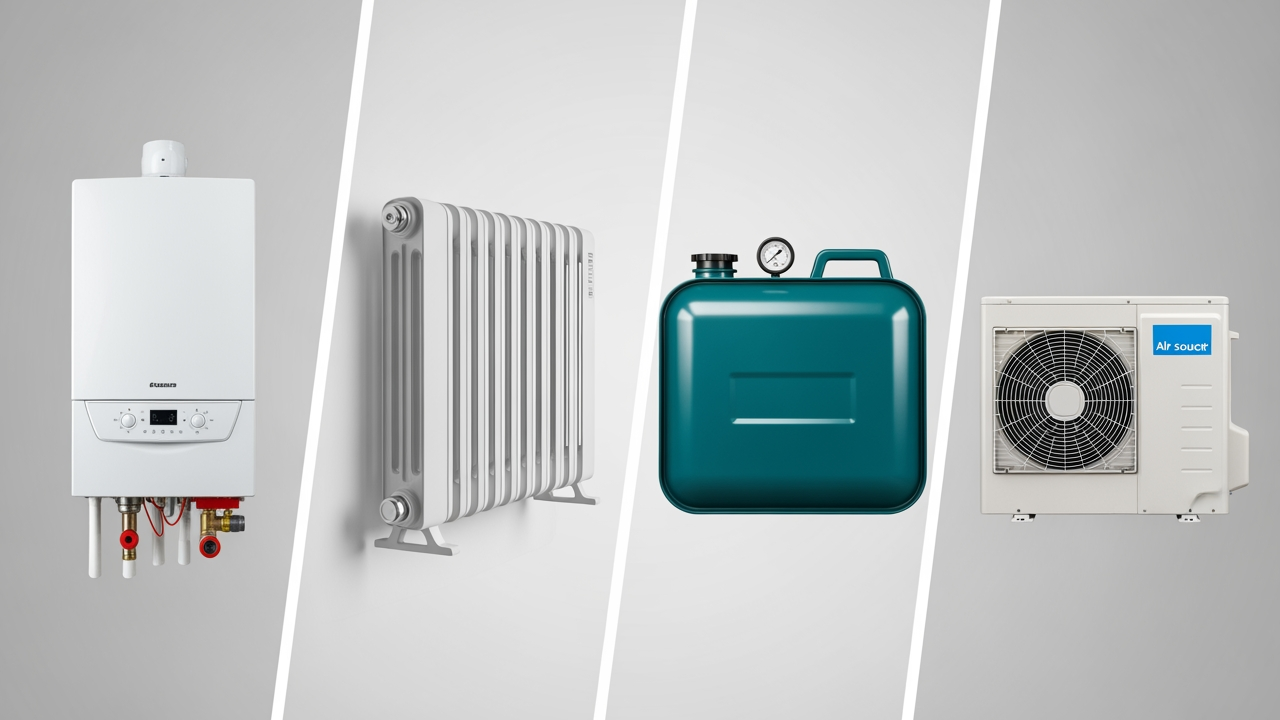
Choosing the right heating system isn't just about finding the cheapest fuel; it's about balancing installation outlay, running costs, maintenance, and even potential grants. A thorough heating cost comparison helps you uncover the true lifetime expense of gas, electric, oil, and renewable options, so you can decide which solution suits your home and budget. In this expanded guide, we'll walk you through each choice in detail, share real-world example,s and recommend services and products from Heating and Plumbing World to ensure you get maximum value.
Why a Proper Heating Cost Comparison Matters
When you consider switching or upgrading your heating, it's tempting to focus solely on the "pence per kilowatt-hour" of fuel. In reality, a comprehensive heating cost comparison needs to account for:
Installation and capital spend: New boilers, heat pumps or cylinders can range from a few hundred to several thousand pounds.
Fuel or electricity price: Gas might be 4-5 p/kWh; electricity nearer 28 p/kWh; oil and renewables sit in between or vary with market conditions.
System efficiency: Modern condensing boilers reach 90-95 per cent efficiency; heat pumps deliver 3-4 units of heat per unit of electricity (COP).
Ancillary electricity use: Circulating pumps, controls, and smart thermostats add to your bill, however modestly.
Maintenance and part replacement: Annual servicing, anode changes in the cylinder, and occasional valve or pump swaps are unavoidable costs.
Available incentives: Grants such as the Boiler Upgrade Scheme can significantly reduce your net outlay on renewable systems.
Real UK examples demonstrate how proper analysis pays off: one homeowner ran a side-by-side cost comparison before investing in a ground-source heat pump. By modelling fuel price rises and grant support, the payback period was closer to 12 years, slightly longer than the anticipated move date. Armed with that insight, an air-source heat pump was chosen instead, matching the timeline and budget far better.
Conventional Heating Systems
Gas Central Heating
Installation and Setup
- Typical cost: £2,000-£3,500 for a new condensing boiler, complete with flue, controls and standard warranty.
- Cylinder requirements: If you have a separate hot-water cylinder, you may need to fit safety valves or magnetic filters. Altecnic Ltd offers high-quality pressure-reducing valves, while Andrews provides magnetic filters to protect your heat exchanger.
Running Costs
- Fuel price: Around 4-5 p per kWh, depending on supplier and tariff.
- Efficiency: Seasonal efficiency of 90-95 per cent means almost every penny spent on gas heats your home.
- Electricity for pumps and controls: Generally no more than £20-£30/year. Grundfos and Lowara pumps are designed for minimal power draw.
Top tip: Fit a Honeywell smart thermostat to learn your routine, automatically reduce temperature when you're out and boost only when needed, saving up to 15 per cent on your gas bill.
Maintenance
Annual servicing keeps combustion efficient and prolongs your boiler's life. Genuine boiler spares for diverter valves, gaskets, and condensate traps keep systems running smoothly. A well-maintained gas boiler can reliably last 12-15 years.
Electric Heating
Types and Costs
Electric boilers or thermal stores
- Installation: £1,500-£2,500, no flue required and no gas-safe certification.
- Suitability: Ideal for homes off the gas grid or as a secondary system.
Direct-acting electric radiators
- Cost: £200-£400 per radiator fitted.
- Benefit: Individual room control with minimal pipework. Myson electric radiators come with built-in thermostats and programmers.
Storage heaters on Economy 7
- Cost: £300-£600 per unit.
- Mechanism: Charge at night on off-peak rates, slowly discharge during the day.
Running Expenses
- Electricity tariff: Approximately 28 p/kWh during peak hours.
- Off-peak advantage: Economy 7 can reduce rates to around 14 p/kWh for 7 hours overnight.
- Point-of-use efficiency: Nearly 100 per cent, every joule of electricity becomes heat in the room.
Real-life insight: One homeowner replaced aged storage heaters with programmable electric radiators from Myson, scheduling them around work hours. Annual heating bills fell by 20 per cent.
Enhancing Efficiency
- Programmable water heating: Pair with off-peak immersion switches, discover programmable tips in the article on Off-Peak Water Heating.
- Smart controls: Danfoss room thermostats and TRVs can reduce heat waste by zoning your home.
- Insulation: Lag cylinders (from the Fittings range) and exposed pipework to preserve every watt of energy.
Oil-Fired Boilers
Upfront and Running Costs
- Installation: £2,500-£4,000 for a condensing oil boiler, including tank, flue and safety accessories.
- Fuel price: Roughly 6 p/kWh when buying in bulk (1,000-litre deliveries).
- Efficiency: Modern condensing models reach 85-90 per cent seasonal efficiency.
Practical example: A rural household formed a buying co-op with neighbours to secure better oil prices. Their collective purchase shaved nearly £200 off annual bills, and the savings were invested in loft insulation.
Maintenance Needs
- Annual service: Clean burners and inspect combustion; essential for safe operation.
- Filter and nozzle replacement: Available via Andrews suppliers.
- Pump upkeep: Lowara and Grundfos oil-resistant pumps keep your system circulating smoothly.
- Safety components: Quality fire valves provide essential protection for oil heating systems.
Renewable Heating Solutions
When you start comparing renewable heating costs with conventional fuels, remember that grants and running-cost savings can radically shift the balance. Understanding the true renewable heating cost requires factoring in installation, incentives, and long-term efficiency gains.
Air-Source Heat Pumps (ASHP)
- Installation: £6,000-£9,000, including external unit, cylinder, and bespoke controls.
- Running expense: Roughly 8-10 p/kWh of heat delivered, based on a COP of 3-3.5.
- Efficiency: Seasonal COP often sits around 3.2, meaning more than three units of heat for each unit of electricity.
Pro tip: Choose a Kingspan solar-ready cylinder so you can integrate solar thermal panels and pre-heat your water, further slashing bills.
Ground-Source Heat Pumps (GSHP)
- Installation: £12,000-£18,000, accounting for borehole drilling or horizontal loops.
- Running expense: As low as 7 p/kWh, thanks to COPs of 3.5-4.5 in temperate UK soils.
- Longevity: Ground loops can last 50+ years; pump units usually need renewal after 15-20 years.
Case Study: A listed cottage installed a GSHP and saw winter heating spend plunge by 70 per cent, transforming an old stone home into a cosy, low-carbon haven.
Solar Thermal Systems
- Installation: £3,000-£5,000 for a two-panel system with cylinder integration.
- Contribution: Supplies up to 60 per cent of domestic hot-water demand.
- Maintenance: Annual glycol-level checks and pump servicing; parts from Stuart Turner.
Government Incentives and Grants
- Boiler Upgrade Scheme: Up to £5,000 off qualifying heat-pump installations.
- Energy Company Obligation (ECO): Help with insulation and some renewable measures.
Before you invest, visit GOV.UK to confirm the latest eligibility criteria. The team at Heating and Plumbing World can also guide you through the application process.
Hybrid and Combination Systems
You don't have to choose one fuel; combining technologies often delivers superior economics and performance.
Solar Pre-Heat Plus Backup
Fit solar thermal panels to a Gledhill cylinder, then top up with gas or off-peak electricity. This hybrid approach captures free solar energy and only uses your primary system when needed.
Heat Pump With Gas or Electric Backup
An ASHP can meet most of your heating needs, but in very cold snaps, a conventional boiler or immersion heater can bridge the gap. Custom control packages with Danfoss switching kits provide seamless integration.
Practical Strategies to Maximise Savings
Whether you run gas, oil or renewables, these tactics help you squeeze every penny of value:
Smart Controls and Zoning
- Install smart thermostats from Honeywell or Danfoss.
- Fit thermostatic radiator valves to create separate heating zones, and heat living areas only when occupied.
Fabric-First Insulation
- Loft insulation up to 270 mm and cavity-wall fill dramatically reduce heat loss. The Polypipe range includes all the rolls and fixings you need.
- Draught-proof windows and doors, and lag pipework with jackets from Fittings, to preserve more warmth.
Regular Maintenance
- Annual boiler service or heat-pump check keeps efficiency high.
- Replace sacrificial anodes in cylinders (available from Gledhill) every 3-5 years to avoid corrosion.
- Clean or replace filters on oil and gas lines via Andrews stock.
- Properly sized expansion vessels maintain correct system pressure and prevent component damage.
Behavioural Adjustments
- Lower the thermostat by 1 °C to save 3-5 per cent on heating bills.
- Keep radiator vents clear and bleed air regularly to ensure full heat output.
- Shorten shower time by a minute or two; it adds up!
Real-World Case Studies
Urban Semi
Mrs Patel upgraded her 15-year-old gas boiler to a new condensing model with a Honeywell smart thermostat. She dropped her winter gas usage by 18 per cent and recouped the installation cost in under five years.
Rural Cottage
Without mains gas, the Johnson family combined a small ASHP with a solar-thermal array feeding a Kingspan cylinder. Their annual heating and hot-water spend is now under £600, down from over £1,400 three years ago.
Frequently Asked Questions
What is included in a full renewable heating cost analysis?
It covers equipment purchase, installation labour, groundworks or roof-fit, running electricity, maintenance, and net cost after grants.
Can I phase in renewables over time?
Absolutely. Start with solar thermal or an ASHP for hot water, then add ground loops or PV panels later.
How do I know which system suits my home?
Book a free survey; the team will assess your property's insulation, site constraints and budget.
Is oil still competitive off-grid?
With bulk buying and efficient condensing models, oil can be cost-effective; hybrids with renewables often yield the best long-term savings.
How Heating and Plumbing World Can Help
Whether you're comparing gas, electric, or the latest in renewable technology, Heating and Plumbing World has the expertise and product range to guide you:
- Free home surveys to tailor solutions to your property.
- No-obligation quotes covering boilers, heat pumps, cylinders, and controls.
- Expert installation by Gas Safe and MCS-certified engineers.
- Full aftercare, including maintenance contracts and genuine spares from Worcester Bosch.
Ready to start your heating cost comparison journey and find the most cost-effective, comfortable, and low-carbon way to keep your home warm all year round? Contact us today for expert guidance.