

Creating a Winter Emergency Plumbing Kit
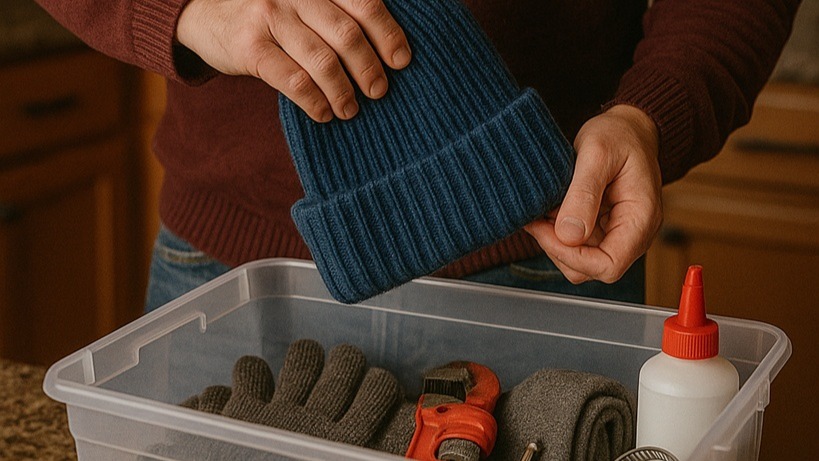
When temperatures drop below freezing, plumbing systems face their toughest test. A frozen pipe or sudden leak can happen in minutes, and without the right tools to hand, even a small problem can quickly escalate into a household disaster. Building a winter plumbing kit is one of the simplest ways to stay prepared, a ready-to-use box of essentials that doubles as an emergency plumbing kit for any cold-weather crisis.
This guide walks you through exactly what to include, how to use it, and how to keep your kit in peak condition, with reliable, trade-grade recommendations from Heating & Plumbing World.
Why Every Home Needs a Winter Plumbing Kit
Winter brings a unique set of plumbing hazards:
- Frozen pipes: When water expands into ice, it splits pipes and joints with ease.
- Blocked drains: Cold weather thickens residues, restricting flow.
- Seized valves: Low temperatures make metal fittings stiff or immovable.
Having a winter plumbing kit ready means you can act fast when something goes wrong. Instead of scrambling for supplies, you’ll know exactly where your tools and materials are, allowing you to limit damage and keep your heating and water running safely.
Gathering the Essentials for Your Kit
Store your emergency plumbing kit in a strong, clearly labelled box or toolbox near the stopcock or boiler. The contents should allow you to isolate, seal, and stabilise almost any domestic plumbing issue until a professional arrives.
Essential Hand Tools
- Adjustable spanners: Keep a small and large set for tightening or loosening joints.
- Pipe wrench: Crucial for large copper or steel fittings.
- Screwdrivers: Both flat-head and Phillips types for valve plates and appliance covers.
- Radiator bleed key: Helps release trapped air after repairs or refills.
- Stopcock key: Most UK homes need a dedicated key for mains valves, available via Halstead Spares.
Repair Consumables
- PTFE tape: Perfect for sealing threaded joints; find rolls in our Fittings collection.
- Self-amalgamating silicone tape: Wraps securely around small leaks to create a watertight seal.
- Two-part epoxy putty: Sets hard within minutes for cracks or pinholes.
- Emergency pipe clamps: Metal bands with rubber gaskets for fast, firm sealing. Reliable kits are available from Polypipe.
- Compression nuts and olives: Keep a selection of common pipe sizes for quick replacements.
Safety and Containment Gear
- Waterproof gloves and goggles: Protect against sharp metal and high-pressure water.
- Absorbent cloths and towels: Essential for containing spills and drying surfaces.
- Buckets and trays: Catch drips from pipework while repairs are underway.
- Heavy-duty duct tape: Handy for securing insulation or making temporary seals.
Lighting and Miscellaneous
- Head torch or flashlight: Many valves sit in dark cupboards or loft corners.
- Spare batteries: For torches and water-leak alarms.
- Contact list: Include Heating & Plumbing World’s 24/7 plumbing support number.
- Laminated checklist: A short reminder of your emergency water shutoff steps.
Winter-Specific Additions for Extra Protection
Cold weather demands more than just standard tools. Strengthen your winter plumbing kit with insulation and freeze-prevention supplies.
Pipe Insulation Materials
Fit foam sleeves around exposed pipework in lofts, garages, or unheated extensions. They’re inexpensive, easy to install, and cut heat loss dramatically. Choose reliable options from the Polypipe insulation range.
Use self-adhesive foiled tape to seal joints between sleeves; it keeps draughts out and ensures complete coverage.
Trace Heating and Temperature Control
Prevent pipes from freezing in severe cold by installing trace heating cables along vulnerable runs. When paired with thermostatic controllers, these cables switch on automatically as temperatures drop. Honeywell thermostats offer dependable, responsive control for this setup.
Leak Detection Devices
Add simple water alarms or moisture sensors around tanks, boilers, and washing machines. These battery-powered devices alert you early to leaks, giving you valuable reaction time before damage spreads.
How to Use Your Emergency Plumbing Kit
Knowing what’s in your kit is one thing; using it calmly in the moment is another. Familiarity and practice are key.
Practise Your Shutoff Routine
- Locate your main stopcock, typically under the kitchen sink or beside the internal water meter.
- Turn it clockwise until the water stops flowing.
- Open taps at both the highest and lowest points of the house to drain excess water.
- Repeat this exercise every few months so it becomes second nature.
Sealing Minor Leaks
For quick containment:
- Pinhole leaks: Mix epoxy putty and press it firmly over the breach, allowing it to cure as directed.
- Small cracks: Wrap self-amalgamating silicone tape tightly, stretching it to activate bonding.
- Larger splits: Apply an emergency pipe clamp, positioning the gasket directly over the leak and tightening evenly.
All these items should be readily available in your emergency plumbing kit, so you can act before serious flooding occurs.
Restoring Pressure After Repairs
Once leaks are sealed:
- Close all taps and valves you’ve opened.
- Reopen the main stopcock slowly to repressurise the system.
- Check for drips around joints or new fittings.
- Bleed radiators with your bleed key to release trapped air.
If pressure won’t stabilise, it could indicate a deeper system issue. In that case, contact the Heating & Plumbing World team to arrange a service visit.
Keeping Your Kit Up to Date
An outdated or half-stocked kit won’t help when you need it most. Keep yours effective by following these checks:
- Inspect epoxy putty, tape, and sealants annually; replace if expired or hardened.
- Restock used consumables immediately after any repair.
- Test torches and leak alarms before winter begins.
- Review your checklist to ensure every tool is accounted for.
Store your kit in a frost-free, easily accessible location, and make sure every household member knows where to find it.
When to Call a Professional
Even the best-prepared DIYer reaches limits. Contact a qualified engineer when:
- A pipe bursts extensively or near electrics.
- Corroded joints require soldering or compression repair.
- A frozen valve refuses to move without risk of snapping.
- There’s visible damage around the boiler or pressure controls.
Our engineers at Heating & Plumbing World carry genuine components, from Grundfos pumps to Danfoss thermostatic valves, and can complete emergency repairs quickly and safely.
Integrating Your Kit into a Home Preparedness Plan
Think of your winter plumbing kit as part of a larger household safety routine:
- Trace pipe routes in lofts and walls; label vulnerable areas.
- Mark all isolation valves with clear tags.
- Share the kit’s location and contents with everyone in the house.
- Schedule an annual plumbing service to flush debris, test valves, and inspect heating circuits, all available through Heating & Plumbing Services.
Combining a rehearsed shutoff routine with a complete emergency plumbing kit transforms potential chaos into calm control.
Staying Ready for the Cold
Preparation is your greatest ally during winter. By gathering essential tools, insulation materials, and quick-fix supplies, you create a reliable defence against frozen pipes and sudden leaks.
From Polypipe fittings and Halstead Spares tools to Honeywell controllers, Heating & Plumbing World provides everything you need to build and maintain a robust winter plumbing kit.
For guidance, product advice, or to arrange professional assistance, you can contact the Heating & Plumbing World team directly. Preparation today ensures warmth, safety, and peace of mind through every cold snap.