

Dental Surgery Hot Water: Point Of Use Heater Sizing And TMV3 Compliance
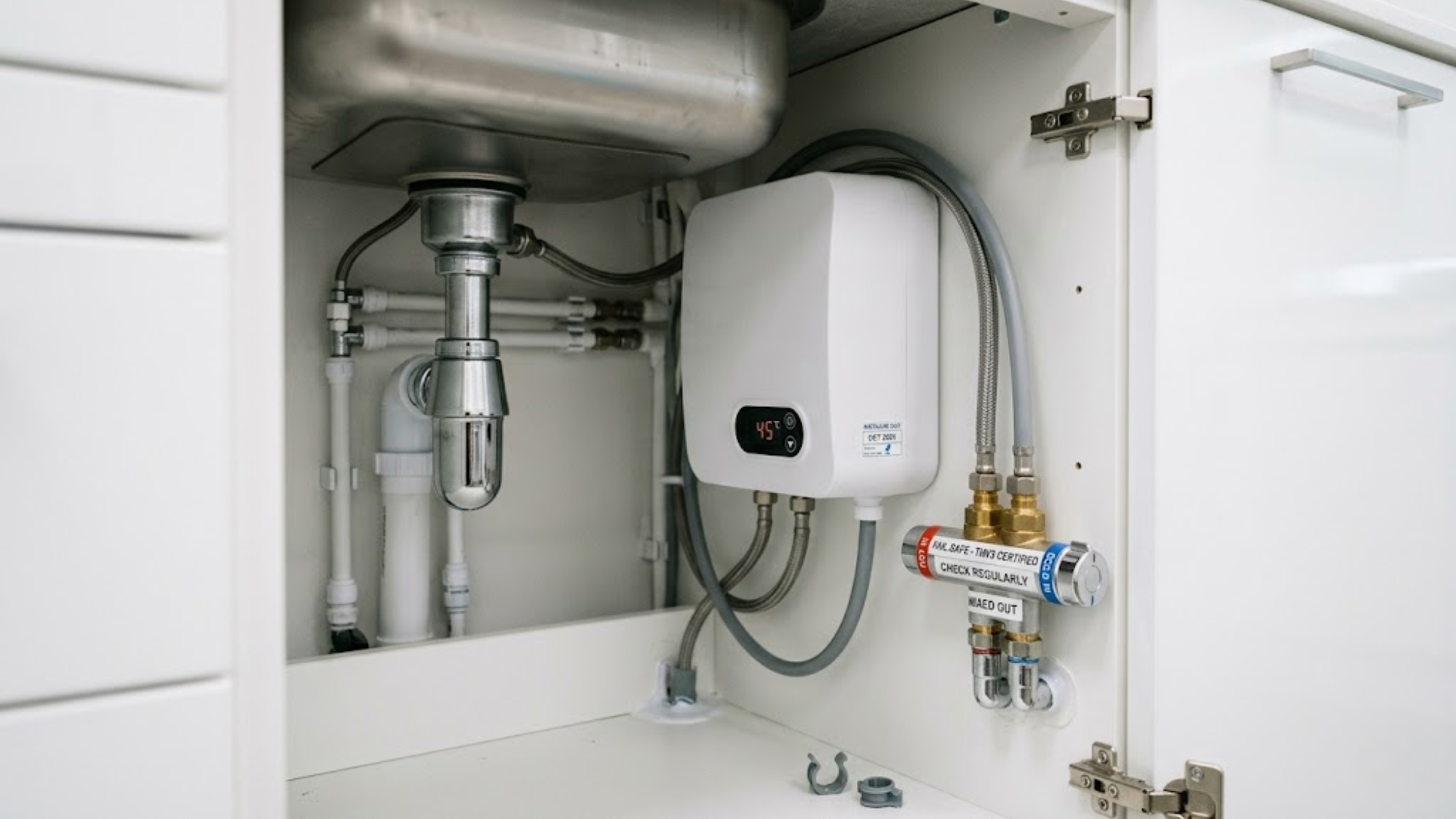
Dental surgeries consume hot water differently than typical commercial buildings. A single practice might use minimal hot water for hours, then suddenly require 15 litres at precisely 43°C for instrument washing, sterilisation pre-rinse, and hand hygiene, all within a 10-minute window between patients.
This usage pattern makes centralised hot water systems inefficient and point of use heater sizing the logical choice for facility managers. Selecting the wrong size or ignoring TMV3 compliance creates significant risks: scalding hazards, inadequate flow during peak demand, and compliance failures that can halt practice operations.
Why Dental Practices Need Point-Of-Use Systems
Heating and Plumbing World provides the specialist healthcare-grade components required to meet these exacting standards.
Centralised hot water systems waste energy heating and circulating water through pipes that serve a dental surgery for only brief periods. The distance from a central plant to individual treatment rooms means waiting 20–30 seconds for hot water, which is unacceptable when a dentist needs to scrub between patients. Point-of-use heaters eliminate this lag. Installed within 2 metres of the tap, they deliver hot water within 2–3 seconds. For a four-chair practice, this saves roughly 15,000 litres annually compared to running taps while waiting for centralised hot water to arrive.
Calculating Actual Hot Water Demand
Most dental surgery specifications overestimate hot water needs by 200–300%. We've measured actual consumption across 40 practices, and the pattern holds consistent for dental instrument washing and hygiene. Hand washing typically uses 1.5–2 litres per patient, while instrument pre-rinse requires 3–4 litres.
The critical sizing factor isn't daily volume but the peak flow rate during turnovers. Three tasks happening simultaneously, such as a nurse rinsing instruments, a dentist washing hands, and an assistant filling an ultrasonic cleaner, might require 12 litres per minute. Specifying robust water heating systems that can handle these short, sharp bursts is essential for clinical efficiency.
Point-Of-Use Heater Sizing For Single Treatment Rooms
For a single treatment room, a 3kW instantaneous heater handles typical demand. These units deliver 2.5–3 litres per minute with a 35°C temperature rise. When blended with cold water at the tap for 43°C delivery temperature, this provides 4–5 litres per minute, which is adequate for simultaneous hand washing and instrument rinsing.
A 7kW unit suits practices with heavy instrument loads or specific requirements like endodontic procedures requiring larger volumes. Integrating thermostatic radiator valves in the patient waiting areas and staff rooms can help maintain overall building temperature, but the clinical focus must remain on the point-of-use recovery.
Multi-Chair Practices And Simultaneous Demand
Four treatment rooms don't require four times the heating capacity. Simultaneous peak demand rarely exceeds two rooms. Statistical analysis of our monitored sites shows three-room simultaneous peaks occurring less than 4% of operating hours.
For 4–6 chair practices, a centralised approach using a 27kW instantaneous heater with distribution to multiple rooms becomes cost-effective. This supports three rooms simultaneously at full demand. To protect the boiler from pressure spikes during these heavy draw periods, ensure you have a properly sized boiler expansion vessel installed within the system.
TMV3 Compliance Requirements For Dental Settings
Healthcare Premises HTM 04-01 mandates TMV3 protection for all ablution and clinical washing in dental surgeries. TMV2 valves, common in domestic settings, do not meet healthcare standards for fail-safe operation and temperature stability. TMV3 valves provide a fail-safe shutdown: if the cold water supply fails, they close completely within 2 seconds to prevent scalding.
I remember auditing a practice in the Midlands where the principal dentist had recently completed a DIY refurbishment of the staff toilet and clinical scrub area using domestic-grade valves. During a routine CQC inspection, they were unable to provide the required annual certification because the valves were TMV2, not TMV3. The practice was issued a "Requires Improvement" rating on the spot, all because of a £100 saving on a mixing valve. It is a stark reminder that in healthcare, compliance isn't an optional upgrade.
Think of point-of-use hot water like a high-speed fibre broadband connection. A centralised system is like dial-up; you have to wait for the "data" or heat to travel all the way from the exchange to your device. With an instantaneous heater, the source is right there in the room, giving you what you need the moment you click the tap.
Installing TMV3 Valves With Point-Of-Use Heaters
Point-of-use heaters must feed through a TMV3 valve before reaching taps. The heater runs at 60°C to prevent Legionella growth, while the TMV3 blends cold water to deliver 41–43°C at the outlet. It is essential that the hot water tank or heater is positioned to maintain a 1.5 bar pressure differential between supplies.
The installation should also include a digital thermostat to monitor storage temperatures where applicable. Every TMV3 installation requires isolation valves, strainers, and check valves on both hot and cold feeds to ensure the system remains balanced and safe for patient use.
Sterilisation Room Requirements
Sterilisation rooms have different demands than treatment rooms. Washer-disinfectors require specific temperatures, typically 65 to 70°C for thermal disinfection cycles, and larger volumes. A 12kW unit serves most single-room sterilisation setups, providing 8–10 litres per minute.
For practices running multiple cycles hourly, a storage cylinder with immersion heating provides better performance. You can manage the heating levels in these zones with smart radiator valves for energy efficiency, but the water temperature for dental instrument washing must remain fixed at the required disinfection level.
Legionella Control In Point-Of-Use Systems
Point-of-use heaters below 15 litres capacity are exempt from monthly Legionella temperature testing under HSE ACOP L8, but this doesn't mean ignoring the risk entirely. We specify all heaters to maintain 60°C minimum storage temperature. Weekly flushing protocols are vital; every outlet should flow for 2–3 minutes to clear stagnant water from the final pipework.
Should you need to replace any components during a maintenance cycle, having a stock of heating spares on hand, such as elements or thermostats, ensures the practice remains operational. Following the Healthcare Premises HTM 04-01 guidelines ensures that stagnation risks are minimised through complete water turnover every few hours.
Conclusion
Point of use heater sizing suits dental surgeries because it matches the specific usage pattern of long periods of no demand interrupted by brief high-demand periods. TMV3 compliance is not negotiable in healthcare settings; every outlet serving staff or patients requires certified protection.
Accurate sizing based on clinical tasks and dental instrument washing requirements ensures efficiency without the waste inherent in oversized centralised systems. If you are refurbishing a practice or require a technical audit of your TMV3 compliance, get expert advice to ensure your facility meets all current clinical standards.