

DHW Temperature Sensors: Domestic Hot Water Monitoring
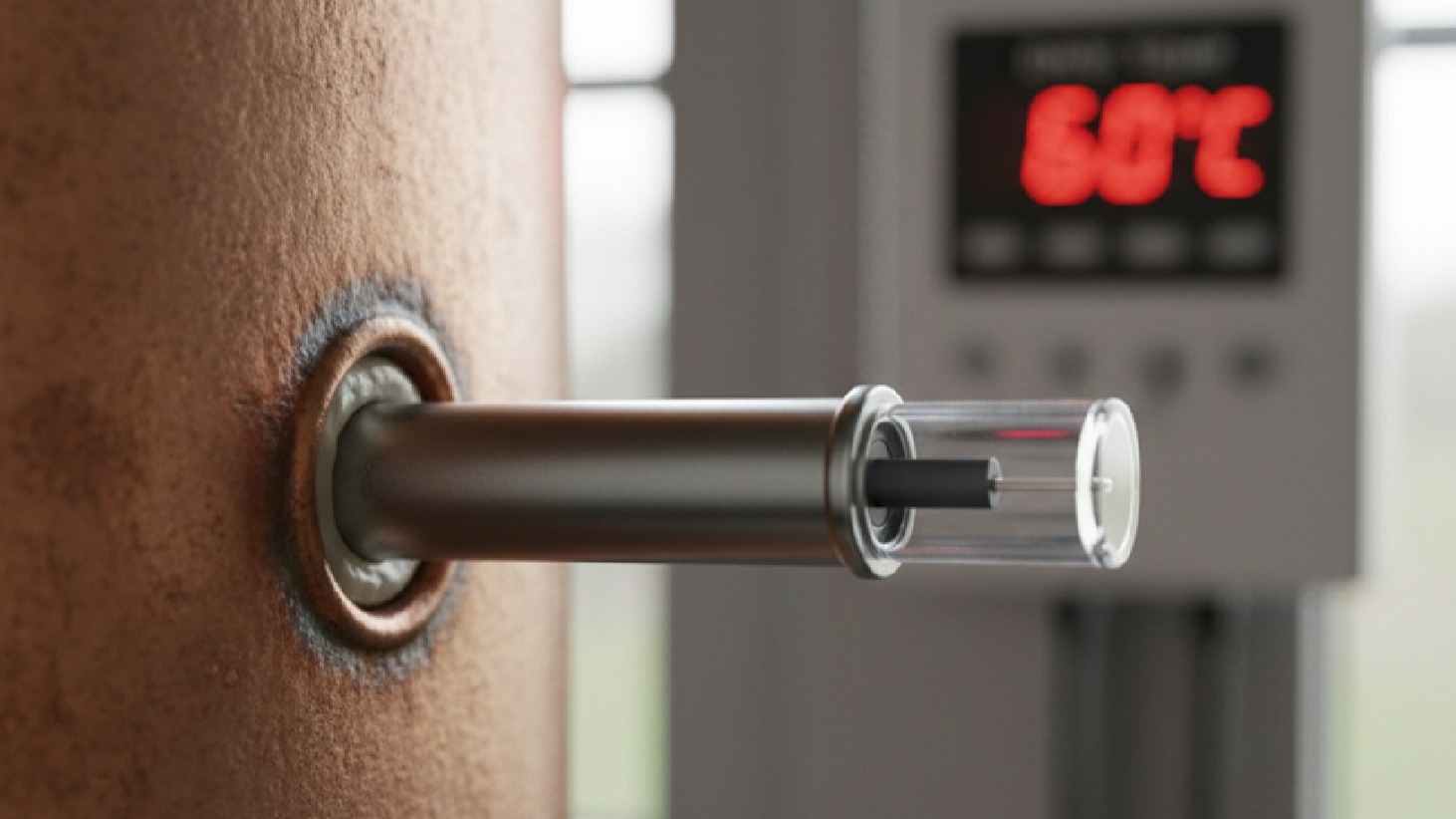
Temperature sensors sit at the heart of every reliable domestic hot water system, quietly working to prevent scalding injuries while ensuring your morning shower stays comfortably warm. These small but critical components monitor water temperature throughout your system, triggering safety mechanisms and maintaining the precise heat levels that modern households expect.
In British homes, where hot water safety regulations grow increasingly stringent, DHW temperature sensors have evolved from simple thermostats into sophisticated monitoring devices. They protect families from dangerously hot water, optimise energy consumption, and help heating engineers diagnose system faults before they become expensive repairs.
Understanding DHW Temperature Sensor Technology
Modern DHW temperature sensors operate on several different principles, each suited to specific applications within your hot water system. The most common type, the thermistor-based sensor, changes electrical resistance as temperature fluctuates. This resistance change translates into precise temperature readings that your boiler or hot water controller can interpret.
Platinum Resistance Thermometers
Platinum resistance thermometers (PT100 or PT1000 sensors) offer even greater accuracy, particularly in commercial installations or high-end domestic systems. These sensors maintain consistent readings across a wider temperature range, making them ideal for systems that need to monitor both cold feed temperatures and hot water output simultaneously.
Thermocouple Sensors
Thermocouple sensors, although less common in domestic applications, appear in some older systems and specialised equipment. They generate a small voltage proportional to temperature, providing rapid response times that suit applications where quick temperature changes need immediate detection.
Sensor Placement
The placement of these sensors proves just as crucial as their type. Primary sensors typically mount directly on hot water cylinders, measuring stored water temperature. Flow sensors are installed in pipework, monitoring water temperature as it travels to taps and showers. Return sensors on recirculation systems ensure hot water loops maintain proper temperatures without wasting energy.
Critical Safety Functions in Modern Systems
DHW temperature sensors serve as the first line of defence against scalding injuries, particularly protecting children and elderly residents who face higher risks from hot water burns. When water temperature exceeds safe levels, these sensors trigger immediate responses, shutting down heating elements, activating mixing valves, or alerting control systems to potential dangers.
Building Regulations Part G mandates maximum hot water temperatures at outlets, with 48°C limits for baths in new builds. Temperature sensors enable compliance by continuously monitoring output temperatures and triggering thermostatic mixing valves when needed. This regulatory framework has dramatically reduced scalding incidents across the UK, with sensors playing the starring role in this safety improvement.
Fail-Safe Mechanisms
Beyond basic temperature limiting, advanced sensors now incorporate fail-safe mechanisms. If a sensor fails or provides erratic readings, backup systems engage to prevent water temperatures from reaching dangerous levels. Some Honeywell control systems feature dual-sensor configurations, cross-checking readings to identify sensor faults before they compromise safety.
Anti-Legionella Protection
Modern sensors also enable anti-Legionella cycles, periodically raising water temperatures above 60°C to eliminate harmful bacteria. These cycles run automatically, with sensors ensuring temperatures reach bactericidal levels throughout the entire hot water storage system during the prevention of scalding risks during normal operation.
Installation Best Practices for Optimal Performance
Proper sensor installation determines whether your hot water system operates safely and efficiently or becomes a source of constant problems. The sensor pocket or well must make direct contact with the water or tank wall, using thermal paste or conductive compound to ensure accurate heat transfer. Air gaps or poor thermal contact create delayed responses, allowing water temperatures to overshoot safe limits before the sensor reacts.
Cable Routing
Cable routing requires careful attention, particularly in retrofit installations. Sensor cables should run separately from mains voltage wiring, avoiding electromagnetic interference that can corrupt temperature readings. Many heating engineers overlook this detail, leading to erratic system behaviour that proves difficult to diagnose.
Calibration Verification
Sensor calibration, which is often automatic in modern systems, benefits from verification during installation. A simple comparison against a calibrated thermometer confirms accurate readings before commissioning the system. This five-minute check prevents countless callbacks and ensures customer satisfaction from day one.
Compatibility Considerations
When installing sensors in older systems, compatibility becomes paramount. Not all sensors work with all controllers; resistance values, connection types, and signal protocols must match. EPH Controls offers comprehensive compatibility charts that help installers select appropriate sensors for existing equipment.
Common DHW Sensor Problems and Solutions
Temperature sensors fail in predictable ways, and recognising these patterns speeds diagnosis and repair. Understanding these DHW sensor problems helps engineers resolve issues quickly and prevent recurring faults.
Sensor Drift
The most frequent issue involves sensor drift, gradual changes in resistance that cause increasingly inaccurate readings. A sensor reading 55°C when the water actually measures 65°C creates both safety risks and energy waste.
Moisture Ingress
Moisture ingress ranks as another common failure mode, particularly in sensors mounted in humid plant rooms or poorly sealed sensor pockets. Water penetrating the sensor housing causes erratic readings, often showing impossible temperature swings within seconds. The solution involves proper sensor selection, IP65-rated units for exposed locations, and careful cable entry sealing.
Scale Buildup
Scale buildup on sensor pockets gradually insulates the sensor from actual water temperature. This problem particularly affects hard water areas, where limescale accumulation can add several degrees of error to temperature readings. Regular descaling during annual service visits prevents this issue, though some installers now specify self-cleaning sensor designs for problematic installations.
Wiring Faults
Wiring faults create intermittent problems that frustrate both engineers and homeowners. Loose connections cause temperature readings to jump between actual values and open-circuit defaults. Poor crimping, oxidised terminals, or cables damaged during other maintenance work often lie behind these mysterious faults. Systematic connection checking, starting at the sensor and working back to the controller, usually identifies the problem point. Quality electrical connections using professional fittings ensure reliable signal transmission.
Integration With Smart Home Systems
DHW temperature sensors now form part of broader home automation ecosystems, enabling remote monitoring and intelligent control strategies. Smart sensors communicate water temperature data to mobile apps, allowing homeowners to check their hot water status from anywhere. This visibility proves particularly valuable for holiday homes or when caring for elderly relatives.
Intelligent Control Strategies
Integration with heating controls enables sophisticated efficiency optimisation. When sensors detect falling hot water temperatures, smart systems can pre-emptively fire the boiler, ensuring hot water availability without maintaining unnecessarily high storage temperatures. Danfoss smart controls exemplify this approach, learning usage patterns to minimise energy consumption during maintenance of comfort.
Predictive Maintenance
Predictive maintenance represents the next frontier in sensor applications. By monitoring temperature rise rates, recovery times, and temperature stability, smart systems identify developing faults before they cause system failures. A gradually slowing recovery time might indicate scale buildup in the heat exchanger, prompting preventive maintenance before efficiency drops significantly.
Data Logging
Data logging capabilities in modern sensors create valuable diagnostic tools. When intermittent faults occur, historical temperature data helps engineers identify patterns, perhaps temperature drops coinciding with specific times or weather conditions. This forensic capability transforms troubleshooting from guesswork into data-driven diagnosis.
Selecting the Right Sensor for Your Application
Choosing appropriate DHW temperature sensors requires matching technical specifications to system requirements. The temperature range represents the primary consideration, as most domestic hot water operates between 10°C and 70°C; some applications demand wider ranges. Solar thermal systems, for instance, can generate temperatures exceeding 100°C during summer stagnation conditions.
Response Time
Response time affects system performance, particularly in instantaneous water heaters or combination boilers. Fast-responding sensors enable tighter temperature control, reducing temperature overshoot during demand changes. However, faster response times often mean more delicate sensors that require careful handling during installation.
Accuracy Specifications
Accuracy specifications merit careful consideration. During ±0.5°C, accuracy might seem excessive for domestic hot water; this precision enables energy-saving strategies impossible with less accurate sensors. Tight temperature control allows systems to operate closer to minimum safe temperatures, reducing standing losses without compromising safety.
Physical Robustness
Physical robustness varies significantly between sensor models. Grundfos pump-mounted sensors feature vibration-resistant construction, while cylinder-mounted units prioritise corrosion resistance. Matching sensor construction to the installation environment prevents premature failures and reduces maintenance requirements.
Maintenance and Testing Procedures
Regular sensor testing prevents gradual accuracy degradation from compromising system performance. Annual calibration checks using a reference thermometer identify sensors beginning to drift, enabling preventive replacement before problems develop. This proactive approach costs far less than emergency callouts when sensors fail completely.
Visual Inspection
Visual inspection during routine maintenance often reveals developing problems. Corrosion on sensor housings, damaged cables, or loose mounting hardware all indicate potential failure points. Addressing these issues during scheduled service visits prevents unexpected breakdowns and maintains system reliability.
Sensor Cleaning
Sensor cleaning, particularly in hard water areas, extends operational life and maintains accuracy. Careful removal of scale deposits from sensor pockets restores proper thermal contact. However, aggressive cleaning can damage sensor elements; following manufacturer guidelines prevents well-intentioned maintenance from causing sensor failure.
Documentation
Documentation of sensor readings during each service visit creates valuable trend data. Recording storage temperature, flow temperature, and return temperature (where applicable) helps identify gradual system changes. This historical record proves invaluable when diagnosing complex problems or justifying system upgrades.
Future Developments in Temperature Sensing
Wireless Technology
Wireless temperature sensors eliminate installation complexity in retrofit applications. Battery-powered units communicate via radio frequency, enabling sensor placement without cable runs. Currently more expensive than wired alternatives, falling costs and improved battery life make wireless sensors increasingly attractive for specific applications.
Multi-Parameter Sensors
Multi-parameter sensors represent another emerging trend. Rather than measuring temperature alone, these devices monitor pressure, flow rate, and water quality parameters simultaneously. This comprehensive monitoring enables sophisticated diagnostics, identifying not just temperature problems but their underlying causes.
Self-Diagnostic Capabilities
Self-diagnostic capabilities in advanced sensors promise reduced maintenance requirements. Sensors that monitor their own accuracy, alerting service engineers to impending failures, could transform maintenance from reactive to genuinely predictive. Several manufacturers already offer sensors with basic self-test functions, with more sophisticated capabilities under development.
AI Integration
Integration with artificial intelligence and machine learning opens new possibilities for system optimisation. Sensors that learn normal operating patterns can identify anomalies more effectively than simple threshold alarms. This intelligence enables earlier fault detection and more efficient operation without constant human oversight.
Ensuring Safe and Efficient Operation
DHW temperature sensors have evolved from simple safety devices into sophisticated components that enhance comfort, efficiency, and reliability throughout domestic hot water systems. Their critical role in preventing scalding injuries during enabling energy-efficient operation makes proper selection, installation, and maintenance essential for every heating professional.
Understanding sensor technology, recognising common DHW sensor problems, and implementing best practices ensures these vital components deliver years of reliable service. As smart home integration and predictive maintenance capabilities expand, temperature sensors will play an increasingly central role in creating safer, more efficient hot water systems.
Whether upgrading an existing system or designing new installations, investing in quality temperature sensors and proper installation practices pays dividends through improved safety, reduced callbacks, and enhanced customer satisfaction. The small additional cost of premium sensors pales against the protection and performance benefits they provide throughout their operational life.
For heating engineers and system designers, staying current with sensor technology developments ensures installations meet both today's standards and tomorrow's expectations. As regulations tighten and customer expectations rise, DHW temperature sensors remain the silent guardians of hot water safety and efficiency in British homes.
For reliable DHW temperature sensors compatible with modern hot water systems, Heating and Plumbing World stocks precision monitoring components from specialist manufacturers. Quality sensors from brands including Honeywell, Danfoss, and EPH Controls ensure accurate temperature monitoring for safety and efficiency. Professional-grade cylinders from Gledhill and Kingspan feature properly designed sensor pockets for optimal accuracy. For technical guidance on sensor selection, installation best practices, or troubleshooting DHW sensor problems, experienced heating specialists can provide support on maintaining safe and efficient domestic hot water systems.