

Direct vs Indirect Unvented Cylinders Explained
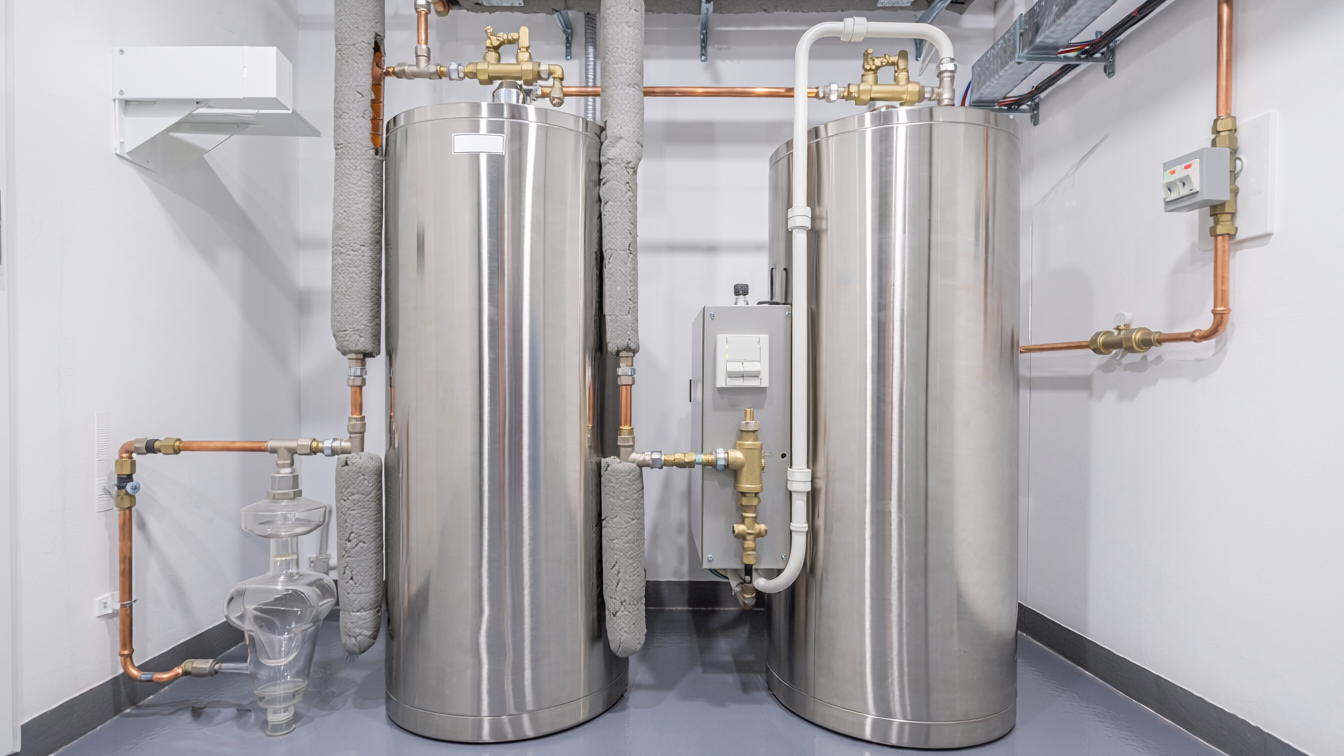
Choosing between a direct and indirect unvented cylinder isn't just about ticking a box on a quote; it's about matching the heat source to the system design, understanding energy flows, and avoiding comebacks. Both cylinder types deliver mains-pressure hot water, but they do it in fundamentally different ways. Get the specification wrong, and you'll either waste energy, limit future system flexibility, or end up ripping out a perfectly good cylinder when the client decides to add solar thermal panels two years down the line.
The difference boils down to this: direct cylinders heat water using an immersion heater inside the tank, while indirect cylinders use a coil heat exchanger fed by an external heat source like a boiler or heat pump. That distinction affects everything from installation cost and running efficiency to compatibility with renewable technologies and system redundancy. Understanding which one suits a particular project separates a competent installer from someone who just fits what the merchant has in stock.
What Makes an Unvented Cylinder Different from a Vented One
Before diving into the specific differences between direct cylinders and indirect cylinders, it's worth clarifying what "unvented" actually means. An unvented cylinder is a sealed hot water storage system that operates at mains pressure, unlike traditional vented cylinders that rely on a cold water storage tank in the loft and gravity to deliver pressure. Unvented systems eliminate the header tank, the vent pipe, and the associated pipework, which means fewer components to fail and no risk of frozen pipes in the loft.
At Heating and Plumbing World, we always emphasise that because unvented cylinders are pressurised, they require specific safety controls: a temperature and pressure relief valve, an expansion vessel, and often a pressure-reducing valve if mains pressure exceeds 3.5 bar. Installation must comply with Building Regulations Part G, and in the UK, you need to be G3-qualified to install them legally. That isn't just paperwork; these systems store a significant amount of energy, and incorrect installation can lead to dangerous over-pressure or scalding.
The payoff is excellent shower performance without pumps, faster fill rates at multiple outlets, and a cleaner, more compact installation. Both direct and indirect models share these benefits, but the way they generate and store that hot water differs completely.
How Direct Unvented Cylinders Work
A direct unvented cylinder is essentially a large insulated tank with one or more electric elements mounted inside it. Cold water enters at the base, and the immersion heater, typically a 3kW or 6kW element, heats the water directly. There's no external boiler, no pipework carrying heated water from another source, and no internal heating coil. It's a completely self-contained unit.
Think of it like a giant kettle. You fill it with cold water, flick the switch, and the element heats the water to the set temperature. The thermostat cuts power when the target temperature is reached, and the cylinder's heavy insulation keeps the water hot until you need it. Draw off hot water, and the cylinder refills with cold mains water, ready for the next heating cycle.
These units are common in properties without gas, or where extending a heating system to include hot water isn't practical. They're also popular in commercial settings like small offices, hair salons, or workshops where hot water demand is predictable and installing a boiler would be overkill. When selecting a hot water cylinder for these situations, keep in mind that running costs are higher than gas-fired systems due to electricity prices, but the actual physical installation is simpler and much cheaper.
Key Components of a Direct Unvented Cylinder
The primary component is the immersion heater, which often features dual thermostats for economy and boost modes. A control thermostat manages water temperature, typically set between 60-65°C to prevent Legionella. You also have an expansion vessel that absorbs the increase in water volume as it heats. Safety devices include a temperature and pressure relief valve (TPRV) that vents if the temperature exceeds 90°C or pressure gets too high, alongside a pressure-reducing valve (PRV) and a visible tundish discharge point.
One advantage of direct cylinders is simplicity. Fewer components mean fewer things to go wrong, and troubleshooting is exceptionally straightforward. If there's no hot water, you're looking at the heating element, the thermostat, or the electrical supply. There are no boiler faults, no heat exchanger scale, and no diverter valves to diagnose.
How Indirect Unvented Cylinders Work
An indirect unvented cylinder doesn't heat water directly. Instead, it contains a coil heat exchanger, usually made of copper or stainless steel, through which hot water from a boiler, heat pump, or solar thermal system circulates. The heat transfers through the coil wall into the stored water, warming it up without the two water supplies ever mixing.
The boiler or heat source sends hot water through the internal coil, and the stored secondary water absorbs that heat. It's exactly like running a radiator inside a tank of water; the radiator gets hot, and the surrounding water heats up by conduction. Once the cylinder reaches temperature, modern water heating systems shut off the boiler or divert it to heating the house, and the insulated cylinder holds that heat until you draw it off.
This setup allows you to use the most efficient or cost-effective heat source available. If you've got a condensing gas boiler, a heat pump, or even a solid fuel stove with a back boiler, indirect cylinders can efficiently harvest heat from any of these sources. You can also combine multiple heat sources, meaning solar thermal panels can preheat the water while the boiler tops it up if needed. Many models also include a backup immersion heater if the primary boiler fails.
Direct vs Indirect: When to Specify Each Type
The choice between direct and indirect comes down to the heat source, the property's energy infrastructure, and the client's long-term plans. You should choose a direct unit when there's no gas supply and installing a boiler isn't justified by the heating load. They also make perfect sense if the property uses electric panel heating and adding a wet boiler circuit would be a costly retrofit.
On the other hand, you should specify an unvented hot water cylinder with an indirect coil when there's an existing boiler that can supply hot water efficiently. It's the right call if you want to integrate renewable heat sources like solar thermal or air source heat pumps. Running costs matter significantly more than installation cost here, and gas or heat pump-heated water is typically far cheaper than electric immersion heating.
Installation Differences and What They Mean on Site
Installing a direct cylinder is faster and cheaper because you're only running cold mains in, hot water out, and an electrical supply to the heating element. There is no need to pipe in flow and return lines from the boiler, no zone valve wiring, and no coordination with the central heating circuit. You can often fit it in a couple of hours, including commissioning.
Indirect setups require far more pipework and controls integration. You'll need to run 22mm flow and return from the boiler to the coil heat exchanger, fit a motorised zone valve or diverter valve, and wire the cylinder thermostat into the heating controls. Many modern setups even integrate a heating control app to give the homeowner better scheduling access over their hot water timings. It's more labour, more materials, and more potential for mistakes, but the payoff is lower running costs and greater system flexibility.
On a recent residential conversion, an apprentice piped an indirect cylinder's coil backwards, sending flow into the return port. The system technically heated the water, but the recovery time was painfully slow and the boiler kept short-cycling. Reversing the connections to the correct flow path instantly fixed the issue, proving that getting the basics right saves hours of frustrating troubleshooting later.
Sizing the Expansion Vessel
One thing installers sometimes overlook is proper expansion vessel sizing. Direct cylinders often come with an integral expansion vessel sized for the cylinder capacity, but if mains pressure is high or the cylinder is large, you may need an external vessel.
Indirect systems also need an expansion vessel, and if the heating system doesn't already have an adequate one, you'll need to add it. Get the sizing wrong, and the TPRV will weep or discharge, leading to frustrating callbacks. Unvented cylinders rely completely on these pressure management components to remain safe and functional.
Energy Efficiency and Running Costs
Direct systems are less efficient in terms of energy cost because electricity is typically three to four times more expensive per kWh than gas. Even with a well-insulated cylinder, you're paying premium rates to heat water. However, if you're on an Economy 7 or similar tariff, you can heat water overnight at reduced rates, which narrows the cost gap considerably.
Indirect systems fed by a modern condensing boiler or heat pump are significantly cheaper to run. A condensing boiler running at 90% efficiency, or a heat pump with a high coefficient of performance, will heat water for a fraction of the cost of electric elements. Over a year, that difference can be hundreds of pounds, especially in properties with high hot water use.
Legionella Control and Safety Considerations
Both direct and indirect models must be designed and operated to control Legionella bacteria, which thrive in water temperatures between 20-45°C. The key is to store water at 60°C or above and ensure the entire cylinder volume reaches that temperature regularly.
In direct models, this is straightforward: the thermostat is set to 60-65°C, and the whole tank heats evenly. In indirect setups, you need to make sure the boiler or heat source can deliver enough heat to raise the cylinder to 60°C. If you're using a heat pump, which typically runs at lower flow temperatures, you may need a much larger coil heat exchanger or a twin-coil cylinder with an element for periodic pasteurisation.
Common Mistakes and How to Avoid Them
Undersizing the unit is a classic error. A 150-litre cylinder might sound generous, but if you've got a family of four all showering in the morning, it won't keep up. Work out the peak demand and size accordingly; 250 to 300 litres is often more realistic for a typical household relying on unvented cylinders.
Ignoring mains pressure is another pitfall. If mains pressure is low, a pressurised cylinder won't deliver the performance clients expect. You'll need a booster pump or, in extreme cases, stick with a vented system. Conversely, if pressure is too high, you must fit a pressure-reducing valve or risk damaging the cylinder and safety controls. Skipping the annual service leads to TPRV failures, expansion vessel air loss, and eventually leaks.
Conclusion
Direct and indirect systems both have their place, and neither is inherently better. It all depends on the system, the site, and the client's needs. If you're working on a small property with no gas and modest hot water demand, an all-electric unit is a cost-effective, reliable solution. If you're specifying for a family home with a boiler, or a new build targeting low carbon emissions, a coil-fed unit offers better efficiency, lower running costs, and the flexibility to integrate renewables.
The key is to ask the right questions upfront to point you to the right cylinder type every time. For a full range of components, along with all the associated controls and safety devices, contact our technical team to ensure you've got the right kit for any specification.