

Drain-Off Valves: Essential Access Points for Maintenance
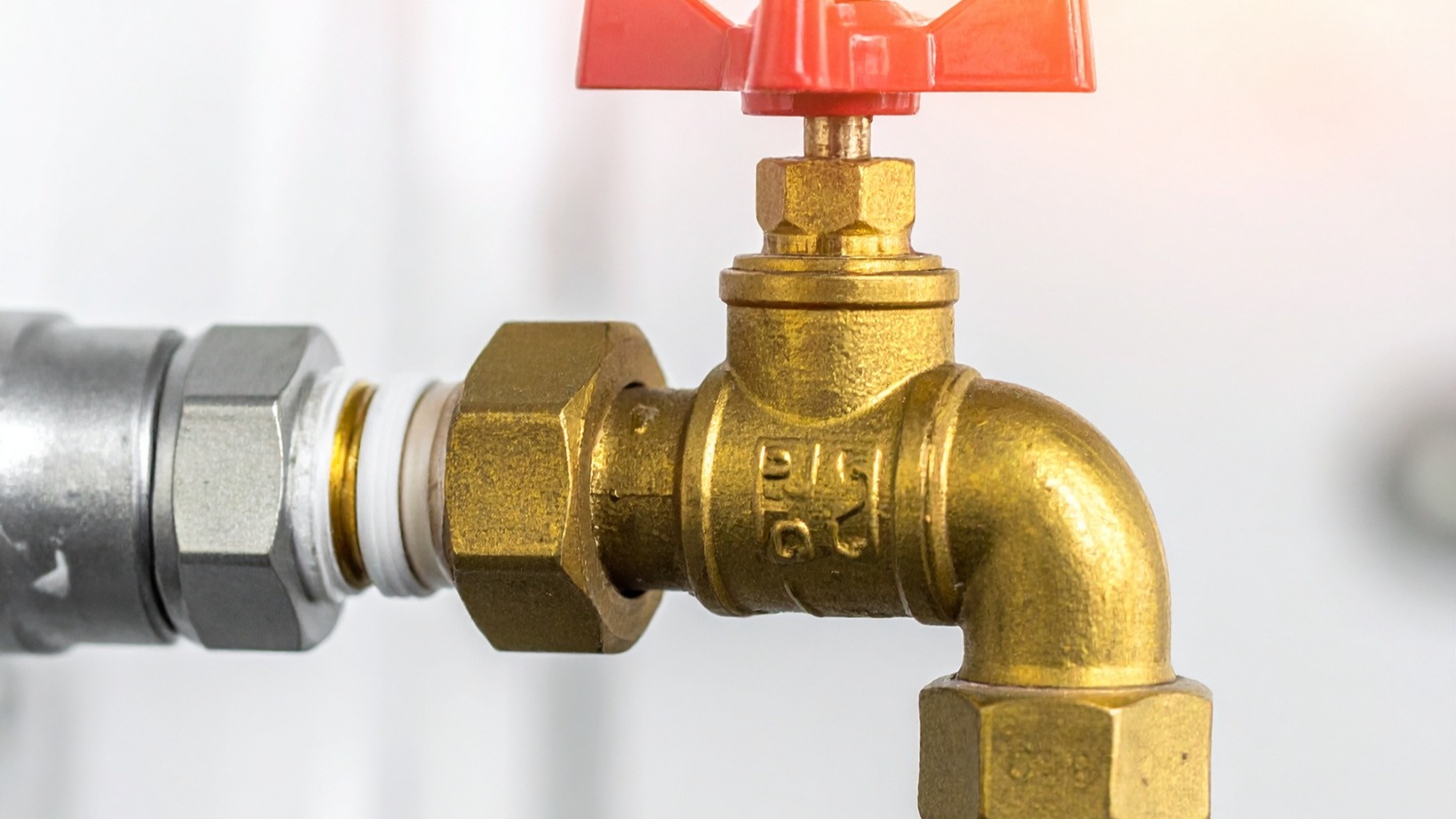
Every heating system eventually needs maintenance, and when that time comes, drain-off valves determine whether you face a quick 15-minute job or hours of system shutdown and water damage. These small brass components serve as strategic access points throughout heating systems, allowing controlled water removal without dismantling pipes or draining entire installations.
Drain-off valves get installed at specific low points in heating systems where water naturally collects. When positioned correctly, they let you isolate sections for repair, flush out sediment, or prepare systems for seasonal shutdown. Without them, even simple radiator replacements require draining hundreds of litres from an entire system.
What Drain-Off Valves Actually Do
A drain-off valve creates a controlled exit point for water in closed heating systems. The standard design uses a quarter-turn brass body with a hose connection outlet, typically ½" BSP thread. When closed, the valve maintains full system pressure. When opened, it allows water to flow out through an attached hose, directing drainage away from the property.
The valve sits at system low points, beneath boilers, at the bottom of vertical pipe runs, or on the return leg of heating circuits. Gravity does most of the work, pulling water down and out through the open valve. This positioning matters more than most installers realise: a valve placed just 300mm higher can leave significant water trapped in pipes below it.
Modern systems typically include 3-5 drain-off valves, depending on layout complexity. A basic two-storey home might have one beneath the boiler, another at the ground floor radiator circuit, and a third serving upstairs zones. Larger properties with multiple heating zones need additional valves to isolate each section independently.
The Engineering Behind Proper Placement
Water seeks the lowest point in any system. Drain valve locations get positioned to intercept this natural flow, creating drainage zones that don't require pumping or complex procedures. The physics is straightforward: every vertical drop in pipework needs a drain point at its base, and every horizontal run should slope slightly toward a valve location.
Commercial installations demonstrate this principle clearly. A three-storey office building required 12 drain-off valves across its heating system. Each floor had two valves, one for flow and one for return circuits, plus additional valves at plant room low points. This arrangement lets maintenance teams isolate and drain individual floors without affecting the entire building's heating.
The valve body itself uses a simple quarter-turn ceramic disc mechanism, unlike gate valves that require multiple rotations. Drain-off valves open and close with a 90-degree turn of the handle. This design reduces wear and provides a clear visual indication of valve position: handle parallel to pipe means open, perpendicular means closed.
Integration with System Components
Drain-off valves work alongside other system components, particularly radiator valves and isolation valves. Whilst radiator valves control flow to individual heat emitters, drain-off valves manage bulk water removal from entire circuits. The distinction matters during maintenance: closing radiator valves won't stop water from draining from pipes when you open a drain-off valve below them.
Installation typically combines drain-off valves with service valves on boiler connections. This pairing lets you isolate the boiler, drain it completely, then service or replace components without touching the rest of the system. The same principle applies to circulation pumps; drain-off valves positioned on either side of the pump allow replacement without system-wide drainage. Grundfos pump installations benefit significantly from strategic drain valve locations.
System pressure complicates drainage in sealed systems. Modern heating installations maintain 1-1.5 bar pressure, which can force water out rapidly when you first open a drain-off valve. Initial flow rates can reach 15-20 litres per minute from a fully pressurised system, dropping to 3-5 litres per minute as pressure equalises. This makes proper hose connection critical; loose fittings spray water across several metres during those first high-pressure seconds.
Common Installation Mistakes and Their Consequences
The most frequent error encountered is valve placement too high above the actual system low point. An installer might mount a drain-off valve at a convenient working height, perhaps 400mm above floor level, leaving a U-bend of pipe below it that never fully drains. This trapped water causes three problems: it harbours sediment that accelerates corrosion, it freezes in cold weather, causing pipe splits, and it prevents proper system inhibitor concentration during refills.
A 2023 service call documented this issue, where a five-year-old system showed severe corrosion in the ground floor circuit. The drain-off valve sat 350mm above the pipe's true low point, leaving approximately 8 litres of stagnant water that had never been changed. The trapped water had depleted its corrosion inhibitor within 18 months, leading to £2,400 in pipe replacement costs.
Thread Sealing Issues
Incorrect thread sealing causes another common failure. Drain-off valves need PTFE tape or thread sealant on male threads, but over-application creates problems. Three to four wraps of PTFE tape provide an adequate seal without forcing the valve body out of alignment. Excessive tape, 8-10 wraps, can crack brass bodies during installation, creating hairline fractures that weep water under pressure.
Some installers position valves where the hose connection becomes impractical. A drain-off valve tucked behind a boiler with only 50mm clearance to the wall can't accept a hose connection, making it effectively useless. Maintaining a minimum of 150mm clearance in front of drain-off valves provides enough space to attach a hose and operate the valve handle comfortably.
Maintenance Procedures Using Drain-Off Valves
Annual system draining and refilling removes accumulated sludge and refreshes the corrosion inhibitor. Start by connecting a hose to the lowest drain-off valve, running it to an external drain or collection vessel. After closing the system's filling loop and opening the drain valve, open the radiator bleed valves on the top floor. This creates an air path that breaks the vacuum and accelerates drainage.
A typical domestic system, 10 radiators across two floors, drains completely in 35-45 minutes using this method. Larger systems take proportionally longer, but the principle remains: drain from the bottom whilst admitting air at the top. Without proper air admission, drainage slows dramatically as a vacuum forms in the system, sometimes taking 3+ hours for what should be a 45-minute job.
Drain-off valves get used for power flushing, a procedure that circulates cleaning chemicals through heating systems to remove sludge. The process connects a power flush machine to a drain-off valve at the system's low point and a corresponding valve at a high point. This creates circulation independent of the boiler, pushing cleaning solution through radiators and pipework at 3-4 times the normal flow rate.
Seasonal Shutdown Procedures
Seasonal shutdown for properties left unoccupied in winter requires complete drainage to prevent freeze damage. Drain-off valves make this practical for holiday homes or commercial properties with irregular occupancy. Drain the system, leave drain valves open, and add labels warning against refilling until proper recommissioning. This approach has prevented freeze damage in dozens of properties maintained across the winter months.
Troubleshooting Valve Failures
Drain-off valves fail in predictable ways. The most common issue is jamming in the closed position due to sediment buildup around the ceramic disc mechanism. This typically occurs in systems that haven't been drained for 5+ years. The valve handle turns, but no water flows, or it requires excessive force to move. Sixty per cent of jammed valves can be freed by repeated quarter-turn movements whilst applying penetrating oil, but the remaining 40% need replacement.
Weeping around the valve body indicates thread seal failure or body cracking. Small drips, one drop every 10-15 seconds, usually mean degraded PTFE tape on threads. This requires valve removal, thread cleaning, and reinstallation with fresh sealant. Continuous weeping or spraying indicates body damage requiring immediate replacement. Measuring weep rates proves useful because they worsen over time: a valve losing 5ml per hour today will likely lose 50ml per hour within six months as pressure cycling enlarges the leak path.
Hose connection threads suffer damage from overtightened or cross-threaded hose fittings. The brass threads on drain-off valves are relatively soft, approximately 65 HRB on the Rockwell scale, and strip easily under excessive torque. Hand-tighten hose connections only, never using wrenches or pliers. Damaged threads can sometimes be restored with a ½" BSP die, but severely stripped valves need replacement.
Some valves develop internal scale buildup that restricts flow even when fully open. This manifests as slow drainage, perhaps 2 litres per minute instead of the expected 8-10 litres per minute. The scale accumulation depends on water hardness in your area. Properties in hard water regions show significant scale after just 3-4 years, whilst soft water areas might run 10+ years without flow restriction.
Specifications and Selection Criteria
Standard drain-off valves use ½" BSP parallel threads for system connection and ¾" BSP threads for hose connection. This sizing suits domestic and light commercial systems with pipe diameters up to 28mm. Larger commercial installations might use ¾" or 1" drain-off valves on main circuits, though the principle remains identical.
Brass body construction provides the best balance of cost, durability, and corrosion resistance. DZR (dezincification resistant) brass suits systems using aluminium radiators or components, as standard brass can deteriorate in contact with mixed metals. DZR brass costs approximately 30% more but prevents the selective corrosion that causes valve failure in multi-metal systems. Altecnic components offer reliable DZR brass options for mixed-metal installations.
Pressure Ratings and Special Features
Working pressure ratings matter for sealed systems. Standard drain-off valves handle 3 bar working pressure, adequate for typical domestic installations running at 1-1.5 bar. Commercial systems with higher operating pressures need valves rated to 6 bar or higher. Standard valves can fail catastrophically when used in systems pressurised above their rating; the ceramic disc shatters and the valve becomes a water jet.
Some manufacturers offer lockable drain-off valves with removable handles or key-operated mechanisms. These prevent unauthorised drainage in commercial buildings or multi-occupancy properties. The lock mechanism adds £8-12 per valve but eliminates the risk of vandalism or accidental operation. Lockable valves suit accessible locations like communal plant rooms or external boiler housings.
Cost-Benefit Analysis of Proper Installation
A drain-off valve costs £6-15, depending on specification. Installation takes 15-20 minutes, including pipe cutting, fitting, and testing. This modest investment, perhaps £200-300 for comprehensive coverage of a typical domestic system, prevents maintenance costs that routinely exceed £1,000.
Maintenance cost tracking across 50 properties over three years compared systems with adequate drain-off valve coverage (one valve per circuit zone) against systems with minimal coverage (one valve only at the boiler). Properties with comprehensive valve placement averaged £140 in annual maintenance costs. Those with single-valve systems averaged £380 annually, primarily due to extended labour time for repairs requiring full system drainage.
The time savings compound over the system's lifetime. Replacing a single radiator valve in a well-valved system takes 45 minutes: isolate the radiator, drain the local circuit via the nearest drain-off valve, replace the valve, refill, and test. The same job without local drainage requires 90+ minutes: drain the entire system from the boiler, replace the valve, refill the complete system, bleed all radiators, and rebalance the system. Over 15-20 years of typical maintenance, this adds 20-30 hours of labour costs.
Integration with Modern System Design
Sealed heating systems with expansion vessels require different drainage approaches than traditional open-vented systems. The pressurisation means drain-off valves must work against system pressure initially, then handle the rush of water as pressure equalises. Position valves to manage this: never at high points where air locks can form, always with clear drainage paths that won't back-fill.
Underfloor heating systems need drain-off valves on each manifold circuit. The horizontal pipe runs and shallow gradients make complete drainage difficult without multiple access points. A typical eight-circuit underfloor system needs drain valves on the manifold plus additional valves at the furthest point of any circuit extending more than 15 metres from the manifold. This arrangement ensures complete drainage for repairs or antifreeze addition.
Combination Systems
Combination systems serving both radiators and underfloor heating benefit from separate drain-off valves for each subsystem. This lets you service one heating type without affecting the other, particularly useful in homes where underfloor heating serves living areas but radiators heat bedrooms. Independent drainage saved one client 18 hours of heating downtime during a radiator circuit repair, as the underfloor system kept running throughout.
Smart heating controls and zone valves don't affect the drain-off valve function directly, but they change drainage procedures. Close all zone valves before draining to prevent backflow through valve mechanisms. The motorised valves contain rubber seals that can stick if water drains past them whilst open, potentially causing valve failure. This procedural detail prevents £80-120 zone valve replacements during routine maintenance. Danfoss zone valves and EPH Controls both require this protection during drainage procedures.
Strategic Planning for Drain Valve Locations
Drain-off valves represent one of the highest-value installations in any heating system relative to their cost. These £10 brass components prevent hundreds of pounds in unnecessary maintenance expenses whilst enabling repairs that would otherwise require complete system drainage. Proper placement at circuit low points, combined with adequate coverage across heating zones, transforms maintenance from a major disruption into a routine procedure.
The engineering is straightforward: water flows downward, and drain-off valves intercept it at strategic points. Yet systems consistently show inadequate valve coverage or poor placement that multiplies maintenance time and cost. Adding drain-off valves during initial installation costs minimal time and materials. Retrofitting them later, after experiencing the frustration of draining entire systems for minor repairs, costs the same in materials but requires system shutdown and drainage to install them.
One drain-off valve per heating circuit zone is recommended, positioned at the true low point of that circuit's pipework. Add valves on either side of major components like boilers and circulation pumps to enable isolated servicing. Ensure 150mm clearance for the hose connection and operation. These simple specifications create a maintainable system that serves reliably for decades whilst minimising service costs and downtime.
For quality drain-off valves and associated plumbing components suitable for professional installations, Heating and Plumbing World stocks comprehensive ranges from trusted manufacturers. Need advice on optimal drain valve locations for your specific system layout? Get in touch with specialists who understand both system design and long-term maintenance requirements.