

Drayton Wiser Multi-Zone System: Smart Radiator Thermostat Calibration
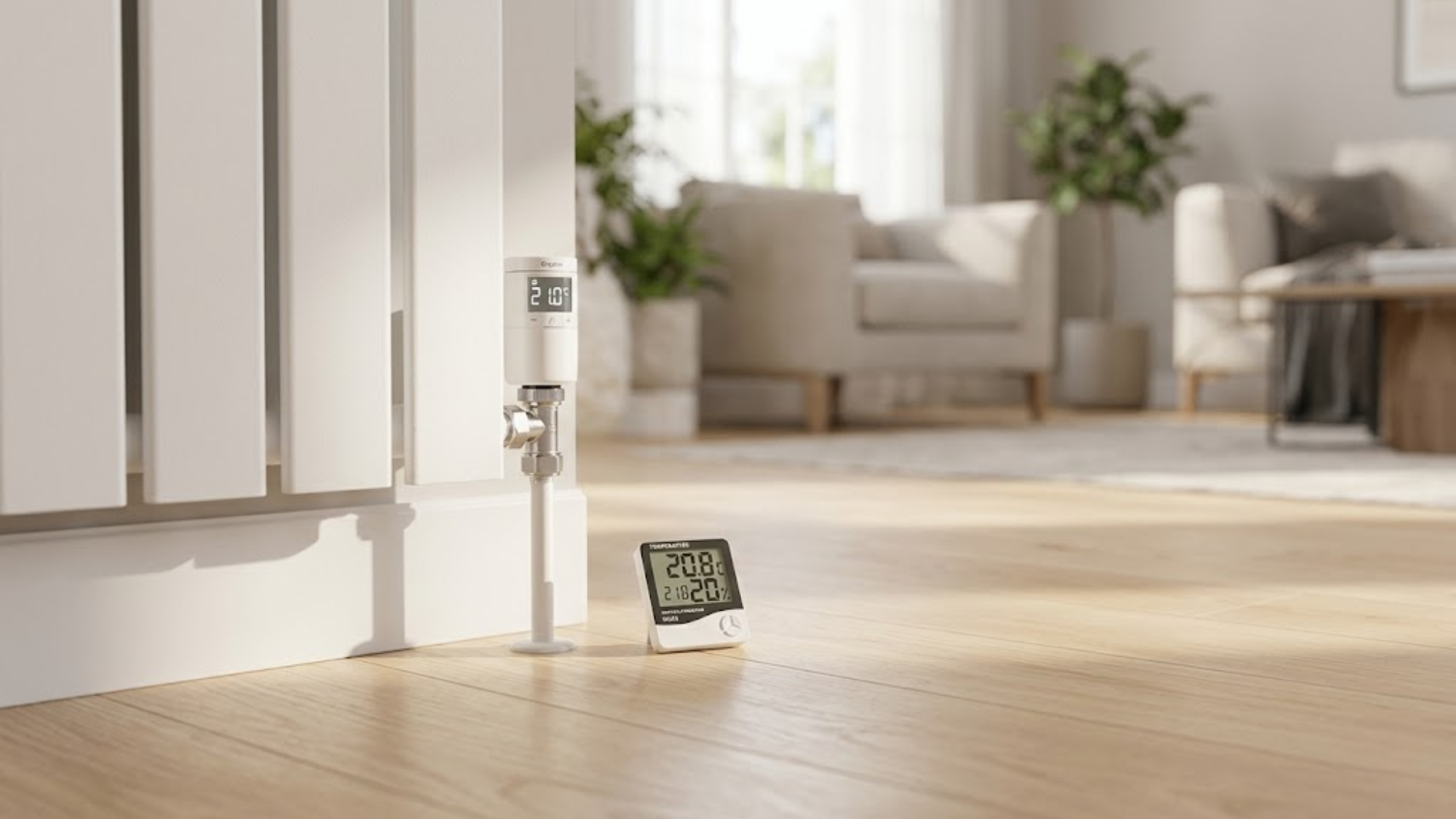
Multi-zone heating sounds perfect in theory with different temperatures for different rooms, automated schedules, and smartphone control. The Drayton Wiser Multi-Zone System delivers on these promises, but only when each smart radiator thermostat accurately reads the room temperature. When calibration drifts by even a few degrees, you end up with bedrooms that overheat at night and living rooms that never reach comfortable levels. Engineers frequently configure these multi-zone setups across commercial and residential properties. The pattern repeats consistently where the system works perfectly for the first few weeks, then occupants gradually notice rooms running too hot or too cold. The system hardware rarely fails. The thermostats simply require methodical calibration adjustments.
Why Smart Radiator Thermostats Lose Accuracy
The Wiser Smart Radiator Thermostat mounts directly onto the valve. This physical positioning creates an inherent problem because the sensor sits inches from a powerful heat source. As the unit heats up, the thermostat experiences a microclimate several degrees warmer than the actual room temperature. If you need reliable replacement parts or modern TRVs, sourcing directly from Heating and Plumbing World guarantees authentic, warranty-backed hardware.
Think of checking a radiator-mounted thermostat like trying to accurately measure the weather outside while holding your thermometer directly over a boiling kettle. The intense, localised heat completely skews the reality of the wider room.
The manufacturer compensates for this with factory calibration settings, but these assume standard environmental conditions. Your actual installation varies drastically based on radiator size, output, and valve positioning. Thermostats mounted on valves at the bottom experience entirely different thermal conditions than those on side-entry valves. Airflow patterns near doors or in corners create distinct convection currents that heavily influence sensor readings. The device measures the temperature every 30 seconds and uses this precise data to execute accurate valve motor control. When the sensor misreads the radiator surface temperature, the valve closes prematurely.
Testing Current Calibration Accuracy
Before adjusting any software settings, you must establish an accurate baseline. You need a reliable reference thermometer positioned at least 1.5 metres from any radiator and at seated head height. Do not use another smart device for this baseline check.
Take accurate readings at three different times during the day. First, perform a cold start check when the room hasn't been heated for at least four hours. Compare the digital display temperature with your reference thermometer and record both values. Second, take a mid-cycle reading exactly 30 minutes after the heating starts, when standard panel radiators reach full operating output. Finally, record an end-of-cycle temperature just before the thermostat satisfies the demand and closes the valve.
This three-point check reveals whether calibration errors remain constant or vary wildly with the heating cycles. Constant offsets require a simple software adjustment. Variable offsets suggest far more complex issues, like poor valve placement or extreme thermal interference. Proper smart radiator thermostat calibration prevents the system from wasting energy by constantly overshooting the required ambient temperature.
Accessing Calibration Settings Through The App
The application buries these calibration settings several menus deep to prevent casual users from accidentally causing major heating imbalances. To locate them, open the main application and select the specific room requiring adjustment. Tap the settings gear icon, then scroll down to the advanced settings menu. You will locate the temperature calibration slider ranging from -5°C to +5°C.
The calibration adjustment works opposite to what most users expect. If your device reads 22°C but the room measures 20°C on your reference thermometer, you must apply a -2°C calibration offset. The Drayton Wiser Multi-Zone System software subtracts this exact value from the raw sensor reading to calculate the actual room temperature.
Make all adjustments in 0.5°C increments. Change the setting, wait 15 minutes for the system to physically stabilize, and then verify the new ambient temperature with your reference thermometer. The digital display on the valve won't change, but the internal system now uses the corrected value for all control decisions. Every single unit requires completely independent smart radiator thermostat calibration to achieve perfect thermal balance across the property. Upgrading to highly accurate smart radiator valves ensures that these fine adjustments translate into tangible energy savings.
Physical Factors That Affect Calibration Needs
Some installations fight against accurate temperature control regardless of the software calibration settings. Radiators fitted with decorative wooden or metal covers trap heat heavily around the thermostat, creating dense temperature pockets highly elevated above the room ambient. Remove these restrictive covers where possible.
South-facing rooms with large windows present another massive challenge. Direct Drayton Wiser Multi-Zone Systemsunlight heats the plastic thermostat body much faster than the room air, causing premature valve closures on sunny winter afternoons. Software calibration cannot fix this dynamic physical problem. It requires scheduled temperature adjustments or adequate window shading to prevent inaccurate radiator temperature control and maintain a steady environment.
Radiators positioned deeply in alcoves suffer from restricted airflow that prevents proper thermal convection, leaving the thermostat sitting in stagnant warm air while the broader room remains cold. These problematic zones frequently require aggressive negative calibration offsets or temperature sensor relocation to improve functionality.
Seasonal Calibration Requirements
Calibration settings that work flawlessly in January frequently fail in April when outdoor temperatures moderate. This happens because the direct relationship between the radiator surface temperature and the actual room heating needs changes heavily alongside the ambient outdoor conditions.
During deep winter, the system runs at maximum flow temperatures, usually between 65°C and 75°C. The temperature differential between the thermostat location and the room air remains relatively constant. However, in milder shoulder seasons, modern boilers often reduce the flow temperature through automated weather compensation. This creates much smaller temperature gradients around the sensor. The exact same calibration offset that perfectly corrected a 3°C error in January might heavily overcorrect in April, making the rooms run cold.
Check your calibration accuracy three times annually. Review it in late autumn as the heating season begins, in mid-winter when heating demand absolutely peaks, and in early spring as the weather moderates. This proactive schedule catches calibration drift before it significantly impacts occupant comfort. Proper maintenance of all heating system components guarantees these seasonal transitions happen smoothly without requiring emergency callouts.
Using Room Thermostats As Primary Sensors
The Drayton Wiser Multi-Zone System fully supports dedicated wall-mounted units that serve as the primary temperature sensor for an entire zone. When you assign a dedicated room thermostat to a specific zone, the radiator-mounted units in that room instantly become slave devices. They open and close based entirely on the wall unit's readings, ignoring their own localized sensors completely.
This configuration immediately solves calibration problems in challenging installations. A wall unit mounts at the standard 1.5-metre height on an interior wall away from direct heat sources, windows, and doors. Its readings naturally reflect the true room temperature without the severe thermal interference that constantly plagues radiator-mounted sensors. It is the most effective form of temperature sensor relocation available.
This approach works exceptionally well for large open-plan rooms containing multiple radiators. One primary sensor controls several slave units simultaneously, ensuring consistent thermal delivery throughout the space. While it adds an upfront hardware cost, it eliminates endless software tweaking and callbacks for rooms with stubbornly problematic radiator placements.
Troubleshooting Persistent Calibration Issues
Some specific zones resist accurate calibration despite highly methodical adjustments. These persistent problems usually indicate physical hardware defects or severe installation issues rather than simple calibration drift.
If the digital display shows the correct temperature but the valve simply doesn't respond, the motor mechanism has likely failed or jammed. Remove the unit, check for accumulated debris around the brass valve pin, and verify the pin moves freely. Replace the entire unit if you cannot achieve reliable valve motor control when manually testing through the application.
Temperature readings that fluctuate wildly usually point to extreme airflow patterns affecting the readings. Test this by temporarily moving the unit to a completely different radiator. If readings stabilize in a new position, the original issue stems from environmental interference rather than hardware failure, making temperature sensor relocation the most practical fix.
On a recent commissioning of a newly built property, six thermostats required the maximum negative calibration possible to function. Investigation revealed the installer had lazily set the boiler flow temperature to 80°C instead of the recommended 65°C for condensing operation. The excessive heat overwhelmed the sensors completely. Reducing the flow temperature instantly allowed normal calibration settings to work properly.
Conclusion
Smart radiator thermostats deliver genuine multi-zone comfort, but only when precisely calibrated to match your specific installation environment. The Drayton Wiser Multi-Zone System provides all the software adjustment tools you need. The real challenge lies in methodical testing and patient optimization rather than relying on factory defaults.
Always start with highly accurate reference measurements using a quality thermometer positioned properly in each room. Test your smart radiator thermostat calibration thoroughly during actual heating cycles, not just when the system sits idle. Make adjustments in small increments and verify the results before moving on to the next heating zone. For rooms where localized sensors simply cannot achieve acceptable accuracy despite repeated calibration, invest in dedicated wall units as primary sensors.
Check calibration accuracy seasonally as outdoor temperatures and heating patterns inevitably change. What works perfectly in January usually requires a slight adjustment by April. If you encounter persistent faults regarding precise valve motor control or need assistance troubleshooting fluctuating radiator surface temperature readings, contact our technical team for dedicated support and system matching.