

Earthing And Surge Protection For Boiler Electronics
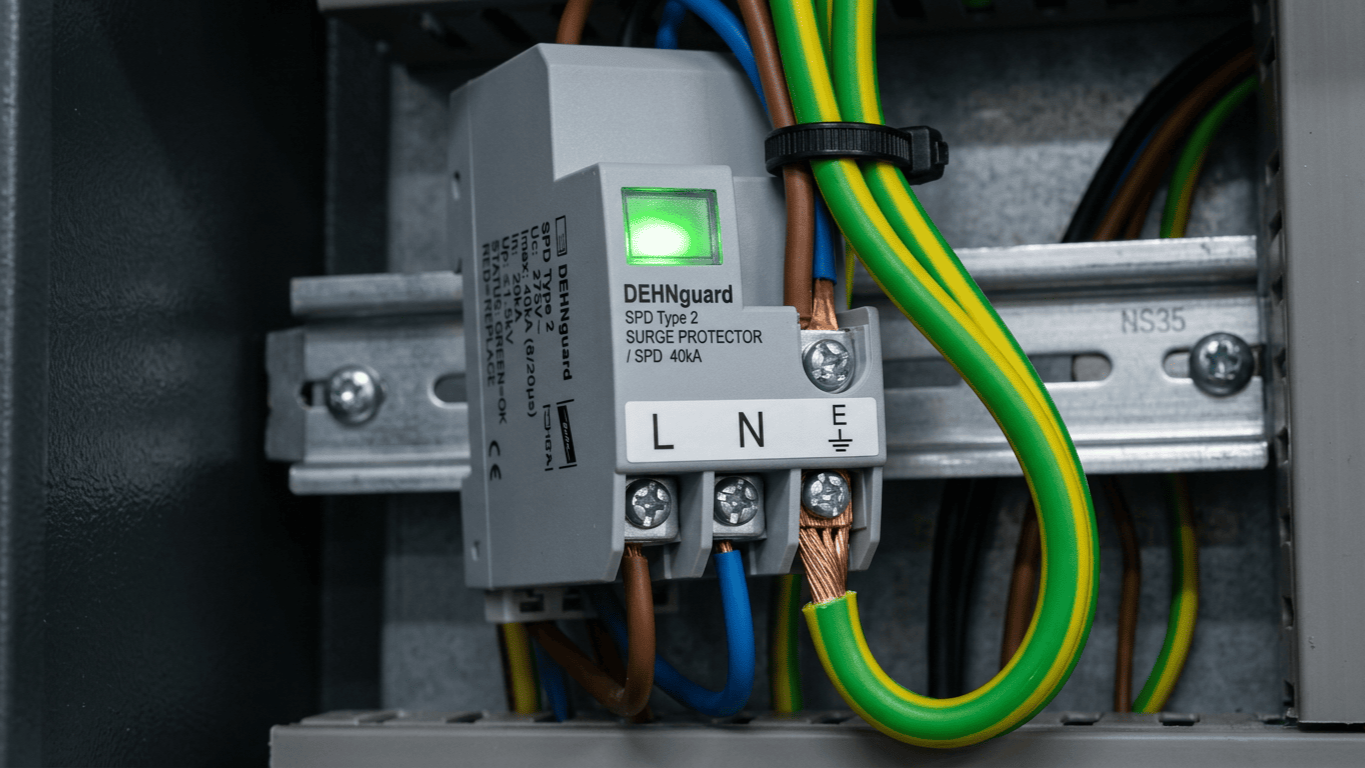
Modern boilers aren't just metal boxes with burners anymore. Instead, they're packed with circuit boards, sensors, and control systems. These components manage everything from flame detection to weather compensation. While these electronics make boilers efficient, they're also incredibly vulnerable. A single voltage spike can fry an expensive PCB in milliseconds.
Think of earthing and surge protection like the sea walls protecting a coastal village. On a calm day, you don't even notice them. However, when a massive tidal wave of voltage hits the local grid, those walls are the only thing stopping your client's heating system from being washed away. Without them, you're looking at a frustrated customer and a very expensive emergency callout.
We've seen boilers knocked out by lightning strikes three streets away. We've also diagnosed failed controls after simple utility switching operations. These aren't optional extras for modern systems. They are essential safeguards that prevent failures and protect your hard-earned reputation.
Why Boiler Electronics Need Protection
Boiler control boards operate on very low voltages. Typically, they use 5V to 24V DC for their logic circuits. These are designed for stable, clean power. However, the mains supply can deliver transient voltage spikes exceeding 6,000V. These last only microseconds but carry enough energy to destroy components instantly.
At heating and plumbing supplies, we know that modern appliances rely on high-tech microprocessors. These electronics are designed for stable, clean power delivery. However, the mains supply can deliver dangerous transients.
Modern equipment like the AIC Nesta 80kW condensing boiler uses sophisticated control logic. Lightning creates electromagnetic pulses that travel through house wiring. Additionally, utility companies switching heavy loads generate frequent transients.
The problem is much worse than it was a decade ago. Older boilers used simple mechanical controls that could tolerate electrical noise. Modern condensing units rely on flame ionisation sensors and modulating gas valves. Consequently, these components fail at voltage levels that wouldn't have troubled their predecessors. Consistent earthing and surge protection is now a requirement for reliability.
Earthing Fundamentals For Boiler Systems
Earthing serves two distinct functions in your installation. The first is safety earthing. This provides a low-resistance path to ground that allows fuses to blow if a live wire touches the casing. The second is functional earthing. This is vital for electronics because it establishes a stable reference voltage for logic circuits.
Every boiler must connect to the building's main earthing system. This is required by BS 7671 wiring regulations. However, the quality of that connection varies wildly between properties. Poor earthing directly impacts how well a circuit board functions. Functional earthing also provides a safe path for electrical noise to dissipate harmlessly.
Check the earth loop impedance at the boiler location using a proper tester. Don't rely on a simple visual check. We target readings below 0.5 ohms for TN-S systems. Lower impedance means faster fault clearance. It also ensures better high-frequency noise dissipation for the sensitive logic components on the board.
Common Earthing Mistakes That Damage Electronics
The worst error we encounter is the isolated boiler. This often happens in outbuildings or garages where no proper earth was ever run. Some installers rely on water or gas pipes for earthing. This is dangerous and ineffective. Gas pipes must never be used for earthing under any circumstances.
Other common mistakes include:
- Relying on pipework: Never assume water pipes provide a continuous earth path, especially with modern plastic sections.
- Shared neutrals: Connecting neutral and earth together at the boiler creates circulating currents that scramble logic.
- Loose connections: A wire that is present but not tightened will fail during the first electrical storm.
- Undersized cables: Long runs to remote boilers need thicker earth conductors to maintain low impedance.
Measuring the earth loop impedance usually reveals these hidden issues immediately. Taking thirty seconds to check continuity can prevent a six-hundred-pound repair bill later.
Surge Protection Device Fundamentals
Specific surge protection devices clamp voltage spikes before they reach the equipment. They sit in parallel with the circuit and do nothing under normal conditions. When the voltage exceeds a safe threshold, they conduct briefly. This diverts the surge energy safely to earth.
Most surge protection devices use metal oxide varistors as their active components. These respond in nanoseconds to catch fast transients. Quality units often combine metal oxide varistors with gas discharge tubes. The gas tube handles the big hits, while the varistor catches the smaller, faster spikes.
The clamping voltage determines what voltage actually reaches your equipment. A device with a 600V clamping voltage will limit spikes to that level. However, that is still enough to damage some delicate electronics. Better devices clamp at 400V or lower. This provides tighter protection for sensitive logic boards and sensors.
Where To Install Surge Protection
Placement follows a simple principle: protect at the point of entry and again at the appliance. For boiler installations, this means two levels of protection. Primary protection installs at the main distribution board. This protects the entire house from surges entering via the utility supply.
Secondary protection installs at the boiler location. This catches residual surges that get past the primary board. We often install these within the boiler's electrical enclosure. If you are fitting a sensitive Worcester fan assembly, secondary protection is highly recommended to ensure longevity.
On a recent commercial project, we replaced three identical PCBs in a single month. The root cause was a faulty contactor on a nearby pump cycling dozens of times per hour. Each time it fired, it injected a spike into the building's wiring. After we fitted proper surge protection devices, the failures stopped immediately. It was a classic case of internal building noise destroying sensitive controls.
Selecting Appropriate SPDs For Boiler Installations
Not all surge protectors suit every boiler. The device must match the electrical characteristics of the supply. For standard homes on TN-S earthing systems, we use Type 2 SPDs at the main board. Then, we use Type 3 at the boiler itself. This provides fine protection for the controls.
TT earthing systems in rural areas need Type 1 SPDs at the main board. They are more exposed to direct lightning effects. Always check the maximum continuous operating voltage of the device. For 230V supplies, it should be at least 275V. This avoids nuisance operation during normal voltage fluctuations.
Look for devices with these visual indicators:
- Green Status: The device is active and protecting the system.
- Red Status: The internal metal oxide varistors have reached the end of their life and need replacement.
- Thermal Disconnectors: Ensure your SPD has these to prevent fire risks if a component fails.
Without these indicators, you won't know the protection has failed until the next surge destroys the boiler.
Installation Best Practices
Installing surge protection devices isn't complicated, but small details matter. You must connect the device to live, neutral, and earth with appropriately sized cables. For secondary protection, 1.5mm² cable is usually adequate. However, primary protection at the main board may require 6mm² cables.
Keep the connection cables as short as practical. Every metre of cable adds inductance. This limits how quickly the device can respond to transient voltage spikes. We aim for earth connections under 500mm in length. If you need longer runs, you should increase the cable size to compensate for the distance.
Mount the device where the status indicator is visible. There's no point installing protection if you can't tell if it's working. We prefer locations that are visible during routine boiler servicing. If you are replacing a Bentone burner motor, ensure the nearby electrical protection is still active and showing a green light.
Protecting Low-Voltage Control Circuits
Control circuits operating at 24V or below need protection just as much as the mains. A room thermostat 30 metres away creates a perfect antenna for electromagnetic interference. If a surge hits that cable, it travels straight into the control board's logic input.
Low-voltage protectors install directly at the board. These clamp at much lower voltages, typically 30V to 50V. They are smaller and cheaper than mains units but provide essential safety. We have seen many cases where the mains input was fine, but the microprocessor was fried by a spike entering through a sensor wire.
Interference can also corrupt data on OpenTherm or eBUS circuits. This causes erratic operation even when nothing is actually broken. When you are installing an Ecoflam Max 8 TC burner or other high-precision equipment, shielding and surge protection on data lines are vital.
Using a high-quality IMIT capillary limit thermostat won't help if the electronic control logic is being scrambled by noise. Therefore, you must protect every communication path. This prevents the diagnostic headaches that come with intermittent electronic faults.
Economic Case For Surge Protection
Adding earthing and surge protection costs between £150 and £400 depending on the level of protection. A replacement boiler PCB can cost over £500 plus labour. One prevented failure pays for the protection entirely. However, the real cost of failure is much higher than just the part.
It includes the emergency callout and the parts ordering delay. We've had customers move into hotels while waiting for parts during a cold snap. That is a relationship-damaging experience. From a business perspective, installations with proper protection generate fewer callbacks and warranty claims.
Insurance companies now expect proper surge protection in commercial buildings. A claim for lightning damage may be challenged if you lacked basic protection. We factor these costs into every quote. We have learned that prevention is always cheaper than a messy emergency repair.
Integration With Smart Controls
Modern boilers connect to internet gateways and smart home systems. These connections create new vulnerabilities. They extend the boiler's electronic reach beyond the building's immediate electrical protection. WiFi modules and ethernet cables can carry surges into the heart of the system.
Data line protectors should be installed where ethernet cables enter the control system. We've seen boilers damaged by surges entering through routers in other parts of the building. The surge essentially came in through the back door. Even if the mains supply was protected, the data connection wasn't.
For systems with multiple zones and gateways, you need a comprehensive protection plan. This covers every connection point. It is more complex than protecting a simple boiler, but the principles are the same. Protect at the entry points and at the sensitive equipment.
Conclusion
Boiler electronics have transformed efficiency, but they have also created new vulnerabilities. The boards that enable modulation and smart connectivity cannot tolerate the electrical environment of the past. Proper earthing and surge protection is the only way to ensure modern systems remain reliable.
Good earthing establishes the foundation for reliability. It provides the reference voltage that logic circuits need to operate accurately. Surge protection devices provide the active defence that earthing alone cannot deliver. They clamp dangerous transient voltage spikes before they reach sensitive microchips.
The investment in proper protection is modest compared to the equipment it saves. For every HVAC professional, electrical protection should be a routine part of the job. It protects the hardware, ensures customer comfort, and safeguards your professional reputation. If you need help selecting the right components for your next installation, contact our support team for technical assistance.