

Eco-Friendly Drainage Solutions for Sustainable Urban Renovation
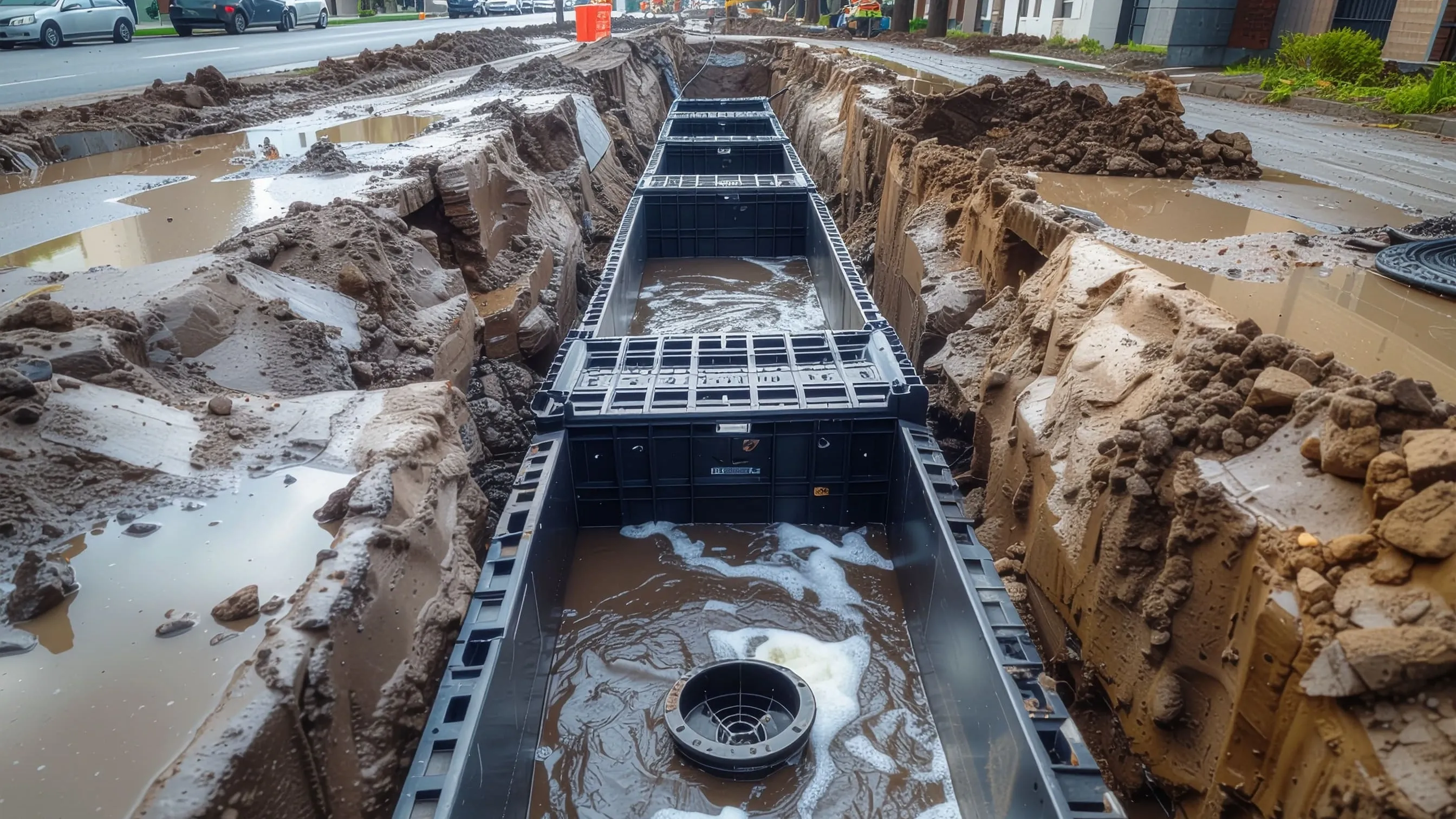
Urban flooding is a massive structural issue for modern infrastructure. When heavy rainfall hits solid concrete, it accelerates instantly and overwhelms traditional combined sewers in a matter of minutes. Upgrading properties with eco-friendly drainage solutions actively prevents these catastrophic surface water floods. It's a critical shift in how the industry manages fluid dynamics across heavily built-up areas.
You can no longer just pipe rainwater away and make it the local municipality's problem. Modern engineering requires you to hold, manage, and release that water slowly. When you properly design these systems, you protect the immediate property while doing something genuinely beneficial for the regional environment.
The Shift Away From Traditional Sewers
For decades, the standard plumbing approach was to pipe surface water into the main sewer as quickly as physically possible. This outdated method just pushes the flooding problem further down the line, creating massive bottlenecks at the treatment works. A proper sustainable urban renovation focuses entirely on managing the water exactly where it falls. You strip the burden away from the over-stressed Victorian infrastructure.
This approach requires highly specific, heavy-duty materials designed to handle massive volumes of water safely. Heating and Plumbing World supplies the commercial-grade components required to build these modern, highly resilient networks. You can't achieve true environmental efficiency if you're still relying on outdated clay pipes and direct sewer connections.
Permeable Surfaces and Infiltration
Think of a traditional tarmac car park like a giant plastic sheet. Water hits it, accelerates rapidly, and causes absolute chaos at the nearest low point. By contrast, using modern permeable paving blocks acts exactly like a giant sponge. The precise gaps allow rainfall to filter safely into a designated sub-base layer, drastically slowing the kinetic flow rate.
This natural infiltration process allows the water to soak harmlessly back into the natural water table. However, you must ensure a high-quality geotextile membrane is installed beneath the blocks to stop fine mud from rising up. If you don't maintain the surface and it clogs with silt, the entire infiltration effect is completely ruined.
Underground Attenuation and Storage
Sometimes you can't rely on natural ground infiltration due to heavily compacted clay soils. In these scenarios, you have to engineer artificial storage using heavy-duty underground crates. Calculating the exact attenuation tank capacity is vital to ensure your system can handle a massive, once-in-a-century storm event. If you undersize this holding cell, the water will simply back up out of the drainage gullies.
These underground cells act as a temporary waiting room for the storm water. You must build these holding cells using robust poly pipe plumbing to handle the intense hydrostatic pressure safely. A vortex flow controller then limits the water leaving the tank to just a few litres per second, ensuring the main sewer is never overwhelmed.
Managing Subsurface Flow
On a recent retail park upgrade, the original contractor piped three acres of roof runoff directly into the municipal sewer. When the autumn storms hit, the local drains backed up instantly and flooded the anchor stores. We redesigned the site with proper eco-friendly drainage solutions and a massive attenuation crate system. Slowing the water discharge rate down to two litres per second completely solved the flooding issue.
That specific site failure proves why capturing and holding water is always superior to rapidly dumping it. You shift your entire water management strategy from reactive panic to planned, passive control. It prevents expensive structural damage and keeps commercial sites fully operational during extreme weather.
System Integration and Component Selection
Routing the captured water requires pristine pipework preparation and perfectly calculated fall gradients. You can assemble these intricate runoff networks securely using a reliable push fit joint to guarantee watertight integrity. If the surrounding soil shifts slightly, these flexible connections prevent the entire pipe run from cracking open under the stress.
Ensuring your water pipe systems remain free of debris guarantees the downstream attenuation crates won't silt up over time. You absolutely must install deep catch-pits and silt traps on every single incoming drain run. A blocked underground system is completely useless during a sudden torrential downpour.
Pumped Drainage Operations
Not every site has the natural gravity fall required to slowly empty a deep storage tank. When you are working with deep commercial basements, you often need a dedicated water pump system to lift the water up to the main sewer level. You must configure the float switches to ensure the pumps only activate when the storage tank reaches a specific fill line.
Carefully installing water pump hardware ensures the tank empties at a highly controlled, legally permitted rate. If your attenuation tank capacity is massive, you absolutely need industrial-grade lifting equipment and twin-motor redundancies. If one pump fails during a storm, the secondary unit automatically kicks in and triggers a high-level alarm on the control panel.
Legal Compliance and Planning Standards
UK planning authorities now strictly enforce the Flood and Water Management Act for all new commercial developments. A successful SuDS implementation is no longer just an optional green initiative; it's a strict legal requirement. You must prove your site design actively reduces surface runoff before you ever get permission to break ground.
Combining permeable paving blocks with calculated underground storage is the most reliable way to pass these stringent building inspections. Furthermore, many water authorities offer substantial financial rebates on your drainage bills if you can prove you don't use their surface sewers. It's a highly profitable upgrade that permanently adds value to the property.
Conclusion
Integrating modern eco-friendly drainage solutions is a mandatory requirement for any serious commercial or residential upgrade. A well-planned sustainable urban renovation protects the immediate property from flood damage while easing the severe burden on municipal networks. You actively improve the local environment while satisfying highly complex planning regulations.
Never attempt to guess the required flow rates or underground storage volumes without running proper hydraulic calculations. A poorly specified SuDS implementation will fail exactly when you need it most. Please contact our technical team if you need expert guidance on specifying a compliant, highly resilient drainage network for your next major project.