

Emergency Heating: Fast-Track Boiler Hire Solutions
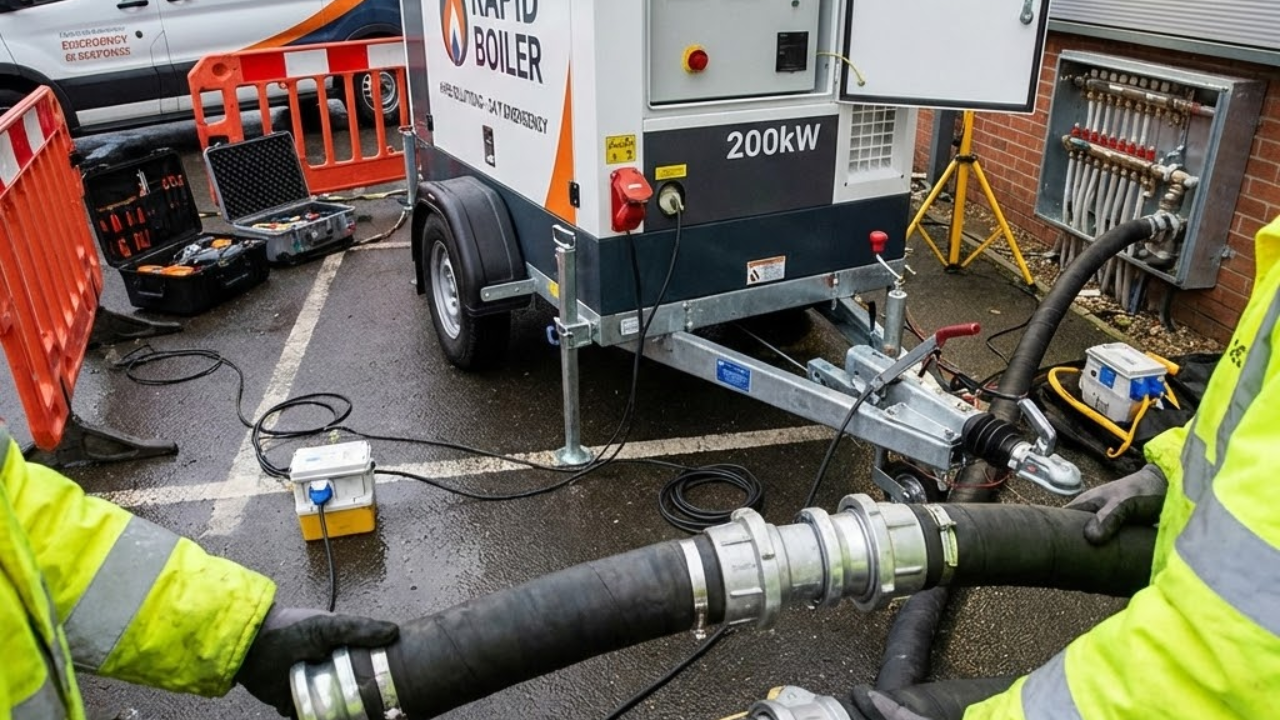
The call comes at 6:30 on a Monday morning in January. The primary boiler's locked out with a cracked heat exchanger, and the building temperature's already dropping through 15°C. The care home has forty vulnerable residents, temperatures below 18°C trigger regulatory breaches, and the replacement part won't arrive for three days. This is when emergency hire transforms from a contingency plan into the only viable solution.
Emergency boiler hire provides temporary heating capacity during primary system failures, delivering mobile heating plant to site within hours rather than days. These aren't makeshift workarounds—they're professionally specified temporary installations that maintain full heating capacity whilst permanent repairs proceed. For facilities managers, understanding how emergency hire works means being prepared when crisis strikes. Heating and Plumbing World partners with established hire companies offering rapid emergency response for commercial installations.
When Minutes Matter: Emergency Scenarios That Demand Hire
Emergency boiler hire serves one primary purpose: restoring heat to occupied buildings when permanent systems fail catastrophically. The urgency varies by building type, but every scenario shares a common thread—immediate heating capacity matters more than permanent solutions.
Residential care homes face the most time-critical situations. Regulatory temperature minimums, typically 21°C in resident areas, exist for good reason—vulnerable occupants risk hypothermia when heating fails. The Care Quality Commission can issue enforcement notices within hours of discovering inadequate heating. Emergency hire isn't optional, it's mandatory to maintain registration and safeguard residents.
Hospitals and healthcare facilities can't function without reliable heating. Operating theatres require precise temperature control, patient wards need consistent warmth, and equipment rooms demand frost protection. A boiler failure in a 500-bed hospital affects thousands of people—patients, staff, visitors. Emergency boiler hire maintains clinical operations whilst engineering teams source replacement components or commission new plant.
Commercial buildings housing vulnerable occupants—schools, nurseries, sheltered accommodation—face similar regulatory pressures. A school heating failure in mid-winter doesn't just cause discomfort, it triggers building closures, disrupts hundreds of families, and creates safeguarding concerns. Temporary heating via emergency hire keeps doors open whilst permanent fixes happen.
Industrial facilities with temperature-sensitive processes need heating for production continuity rather than comfort. Food processing plants, pharmaceutical manufacturing, chemical production—these operations halt without controlled temperatures. Every day of downtime costs thousands in lost production. Emergency hire delivers faster than expedited component delivery.
Even standard commercial buildings benefit from emergency hire when repairs extend beyond a day or two. Staff productivity collapses in cold environments, tenants threaten lease breaches, and building value deteriorates if prolonged heating failures become common knowledge.
Heat Output Matching: Specifying Capacity Correctly
Heat output matching—getting capacity right—matters enormously in emergency situations. Under-specification leaves parts of the building cold. Over-specification wastes money and may exceed available connection points. The calculation requires speed and accuracy under pressure.
Start with the failed boiler's nameplate capacity as a baseline. If the primary boiler was rated at 400 kW and served the building adequately, the emergency hire unit needs similar output. Don't assume you need less just because it's temporary—heat loss doesn't decrease because the boiler's hired.
Account for weather conditions at deployment time versus original design. If the primary boiler was sized for -3°C external temperatures but you're hiring in a cold snap with -8°C conditions, you'll need 15-20% additional capacity to maintain target temperatures. Hire companies can advise, but the initial specification comes from you understanding the building's thermal characteristics.
Consider distribution losses if the temporary boiler sits far from connection points. A unit positioned in the car park loses heat through 30 metres of temporary pipework—potentially 5-10% of output depending on insulation quality. Factor this into capacity calculations. Better to have excess capacity than insufficient heating.
Multiple smaller units sometimes work better than one large boiler, particularly if connection points are distributed or redundancy matters. Two 250 kW units provide 500 kW combined output with N+1 redundancy if one fails, whereas a single 500 kW unit creates a single point of failure. For critical facilities, redundancy trumps simplicity.
Gas Safe registered engineers conducting the site survey can verify capacity requirements, but the initial hire specification often happens before engineers arrive. Having building heat loss data, original boiler specifications, and current occupancy levels ready accelerates the whole process.
Fuel Type Selection and Site Constraints
Emergency situations limit fuel options. You're constrained by what's available at site, what the hire company can deliver quickly, and what regulatory frameworks permit.
Natural gas offers the fastest deployment if the building has an adequate gas supply. Connection happens in hours—most hire boilers use quick-connect gas trains compatible with existing infrastructure. The gas meter must have sufficient capacity. Check existing meter size and compare to proposed hire unit demand. If the meter's undersized, you'll need LPG or oil instead.
LPG provides gas-equivalent operation without mains connection. Bottled LPG or bulk tanks deliver fuel independence, critical when gas meters are maxed out or supply capacity's marginal. The trade-off involves fuel delivery coordination—LPG bottles need changing regularly, bulk tanks require lorry access for refills. Budget for higher fuel costs. LPG typically runs 30-50% more expensive than natural gas per kWh delivered.
Heating oil suits sites without adequate gas infrastructure or where fuel storage already exists. Oil-fired hire boilers need tanks positioned near the unit—either site-existing tanks or temporary bunded storage. Oil delivery's straightforward but watch consumption rates. A 300 kW boiler running continuously consumes roughly 30 litres per hour. A 1,000-litre temporary tank lasts barely a day at full load.
Electric boilers avoid combustion entirely but demand substantial electrical supply. A 100 kW electric unit draws approximately 145 amps at 400V three-phase. Few sites have spare capacity of this magnitude without temporary generator sets, which adds complexity and cost. Electric hire works for smaller capacity requirements or sites with robust electrical infrastructure.
Site access constraints affect fuel selection. Oil tanks and LPG bulk storage need vehicle access for deliveries. Gas connections need proximity to existing pipework. Electric supplies demand cable runs from distribution boards. Survey these limitations during the emergency call, not when the hire unit arrives on site.
Site Preparation Requirements and Pre-Deployment Planning
Even emergency deployments need site preparation—rushing installation without groundwork creates problems that delay heating restoration.
Access and Positioning
Identify a suitable location before the hire unit arrives. Requirements include level ground supporting 3-5 tonnes (loaded boiler plus fuel), proximity to connection points (ideally within 20 metres), and clearances for combustion air inlet and flue terminal (typically 2-3 metres from openings). The area needs vehicle access for delivery and removal—hire units arrive on flatbed lorries or specialist trailers.
For soft ground, lay steel plates or timber mats preventing the unit from sinking. Winter emergencies often coincide with saturated ground. A laden boiler positioned on wet soil sinks and tilts, damaging connections and creating operational hazards. Spend thirty minutes on ground preparation rather than spending hours correcting a poorly positioned unit.
Hydraulic Connection Points
Locate accessible connection points on the existing heating system. Most hire companies use large-bore flexible hoses (50-100mm diameter) with cam-lock or flange couplings. The building system needs isolation valves close to suitable connection points, or engineers must drain down sections to fit tees and valves. Pre-identifying connection points accelerates installation by hours.
Check system pressure and verify compatibility with the hire unit's pump capacity. Sealed systems operating at 1.5-2 bar need hire boilers with adequate pump head to overcome system resistance. Open-vented systems require careful consideration of static head and flow characteristics.
Electrical Supply
Confirm available electrical supply before units arrive. Small gas boilers need single-phase 230V at 10-16 amps, larger units require three-phase 400V at 16-32 amps. The supply must be dedicated, protected by appropriately rated MCBs or RCBOs, and routed safely from distribution boards. Don't assume site lighting circuits will power a hire boiler—insufficient supply causes control failures and safety lockouts.
For temporary installations, weatherproof electrical connections are mandatory. Cable runs crossing vehicle routes or pedestrian areas need protection from damage. Emergency doesn't mean unsafe—temporary boiler installation electrical installations must meet BS 7671 requirements even for short-term deployment.
Flue Gas Dispersal
Plan flue terminal positioning carefully. Hire boilers typically use balanced flue system terminals with integral fans, but terminals still need positioning away from windows, air intakes, and pedestrian areas. Temporary flue extensions may be necessary if the unit positions far from building exteriors. Flue gases at 50-80°C pose scald risks—position terminals where people won't inadvertently contact them.
Rapid Deployment Timeline and Logistics
Speed defines emergency hire. Understanding realistic timelines helps manage expectations and coordinate resources during crises.
Hour 0-2: Initial Contact and Specification
The emergency call triggers assessment. Hire companies need boiler capacity requirements, fuel preferences, site address, access constraints, and urgency level. Have building documentation ready—heat loss calculations, existing boiler specifications, and site plans accelerate this conversation. Good hire companies maintain 24/7 emergency response—calls answered promptly even at 3 AM on Sundays.
Within two hours, the hire company confirms unit availability, provides pricing, and schedules delivery. Payment terms for emergency hire are typically more flexible than planned work—commercial customers with accounts receive rapid approval, others may need purchase orders or upfront payment.
Hour 2-8: Unit Selection and Transport
Hire companies allocate appropriate equipment and arrange transport. Delivery timescales depend on distance, unit size, and transport availability. Local emergencies within 50 miles often see units on site within 4-6 hours. Remote locations or very large capacity requirements (1 MW+) may need 12-24 hours for specialist transport.
Meanwhile, site teams prepare the installation location—clear access routes, position ground protection, identify connection points, and confirm electrical supply. This parallel activity means the site's ready when the unit arrives, not scrambling for resources after the lorry departs.
Hour 8-16: Installation and Commissioning
Installation begins immediately upon delivery. Gas Safe registered engineers connect fuel supply, hydraulic circuits, electrical power, flue terminals, and controls from Honeywell heating controls or similar systems. Commissioning includes pressure testing, leak checks, combustion analysis, and safety system verification. First ignition happens only after complete checks—rushing commissioning creates safety risks and unreliable operation.
Simple gas-fired units with straightforward connections commission in 2-4 hours. Complex installations requiring extensive temporary pipework, multiple connection points, or integration with existing controls take 6-8 hours. The goal's heat into the building before the end of first day on site, not perfection.
Hour 16-24: Heat Restoration and Handover
Heat reaches the building once the hire unit fires and Grundfos circulation pumps run. Buildings with wet radiator systems respond quickly—temperatures rising within 30-60 minutes. Underfloor heating systems take longer due to thermal mass. Document everything: settings, operating parameters, fuel consumption rates, and emergency contact numbers. Hire companies provide 24/7 support, but initial handover ensures building staff understand operation basics.
Temporary Boiler Installation Standards and Safety
Temporary doesn't mean substandard. Emergency boiler installations must meet the same safety and performance standards as permanent plant—just achieved more rapidly.
Gas Safety Compliance
All gas installations require competent person certification under Gas Safe regulations. Hire companies employ registered engineers who complete installations to current standards: pressure testing to verify gas-tightness, ventilation checks ensuring adequate combustion air, safety device verification confirming flame failure protection and overheat cutouts operate correctly. Emergency timelines don't excuse regulatory shortcuts.
Gas connections use temporary pipework rated for operating pressure and temperature. Quick-connect couplings from quality plumbing fittings suppliers simplify installation but still require torque verification and leak testing. The installation must be purged and tested before first ignition. No exceptions even in emergencies.
Electrical Safety
Temporary electrical supplies must be earthed properly, protected by RCDs, and rated correctly for load. The hire boiler's metal enclosure bonds to the site's main earth terminal. Cable runs avoid trip hazards and damage risks—secured properly rather than taped down or strung loosely across access routes.
Weatherproof connections are mandatory for outdoor installations. Water ingress into electrical terminations causes failures, shocks, and fire risks. Use proper industrial connectors rated IP44 minimum, not domestic plugs extended with household cable.
Pressure System Safety
Hire boilers operating above 0.5 bar fall under pressure system regulations. Safety valves from Altecnic's valve solutions must be set correctly and discharge pipes terminate safely—not spraying escaping steam across walkways. Check safety valves weekly by manually lifting the test lever. Verify discharge pipes are clear and unobstructed.
Access Control and Barriers
Temporary boiler sites need physical access control. Fence or barrier off the installation area preventing unauthorised access, particularly in public-facing locations like schools or commercial buildings. Post warning signs indicating hot surfaces, electrical hazards, and restricted access. Lock control panels preventing inadvertent adjustment of settings.
Operational Management During Hire Period
Once the emergency hire unit's operational, focus shifts to maintaining reliable performance throughout the hire period.
Fuel Management
Monitor fuel levels obsessively, particularly for oil and LPG installations. Running out of fuel stops heating immediately, potentially requiring system re-priming and bleeding that wastes hours. Check levels daily, schedule deliveries with margin for weather delays or traffic disruption. Most hire companies offer fuel management as part of service packages—monitoring tank levels remotely and scheduling deliveries automatically.
Calculate consumption rates early in the hire period. Record fuel delivered, note operating hours, and compute consumption per hour. This data informs delivery scheduling and highlights efficiency problems if consumption spikes unexpectedly.
On a recent commercial office emergency, the facilities team assumed a 2,000-litre oil tank would last a week. They didn't account for continuous operation during a severe cold snap. The tank ran dry on day four at 11 PM, requiring an emergency out-of-hours delivery at triple the normal cost. Thirty minutes calculating consumption rates upfront would have prevented a £800 surcharge.
Performance Monitoring
Check system temperatures daily at multiple points: flow and return at the hire boiler, temperatures in occupied spaces, and pressure readings throughout. Declining performance indicates developing problems—perhaps air in the system, pump issues, or fouled heat exchangers. Catching problems early prevents complete failures.
Remote monitoring systems on modern hire boilers provide real-time data via mobile connection. Engineers receive alerts for faults, fuel issues, or abnormal operation without site visits. For critical installations, specify remote monitoring at hire stage—don't wait until problems develop.
Routine Maintenance
Hire companies typically include maintenance in weekly rates, but verify who's responsible for what. Daily checks—visual inspections, fuel management—usually fall to building staff. Weekly technical service—combustion analysis, component inspection—comes from hire company engineers. If maintenance responsibilities are unclear, failures become disputes about who should have acted.
Keep logs of all service visits, faults, and resolutions. These records become valuable during disputes over responsibility for failures or when planning future emergency hire specifications.
Cost Structures and Budget Management
Emergency hire costs more than planned temporary installations, reflecting 24/7 availability, rapid response, and premium equipment deployment. Understanding cost structures helps manage budgets and avoid surprises.
Hire Rates
Weekly rates vary by capacity, specification, and urgency. A basic 100 kW gas-fired unit might cost £200-300 per week on emergency callout. A large 1 MW oil-fired system with full telemetry could reach £2,000-3,000 weekly. Long-term hire beyond four weeks sometimes qualifies for reduced rates—negotiate if repairs will extend over months.
Delivery and Installation
Emergency delivery and installation costs £500-1,500 depending on distance, unit size, and installation complexity. Some hire companies bundle delivery into weekly rates for multi-week hires, others charge separately. Clarify billing structure during initial contact, not when invoices arrive.
Fuel Consumption
Fuel represents the largest operational cost in most hire situations. A 300 kW boiler running 12 hours daily at 70% load consumes roughly 2,500 litres of heating oil per week (approximately £3,750 at current prices)—dwarfing the hire cost itself. Budget for fuel separately from hire charges. Consumption varies with weather and occupancy.
Removal and Demobilisation
Removal costs mirror delivery charges—typically £300-800 depending on size and access. Schedule removal promptly once permanent heating's restored. Unnecessary hire weeks waste budget. Most contracts require 24-48 hours notice for collection. Plan accordingly.
Insurance and Liability
Verify insurance coverage before hiring. Check whether project insurance covers temporary plant, or if hire company policies provide adequate protection. Clarify responsibility for theft, vandalism, or accidental damage during hire. Emergency situations sometimes involve rushed contracting, but insurance gaps create costly disputes.
Transitioning Back to Permanent Heating
The hire period ends when permanent heating's restored, but the transition requires planning to avoid gaps or damage.
Permanent System Recommissioning
Before removing hire equipment, verify the permanent system works reliably. Commission repaired or replacement boilers fully, test under load, and confirm adequate performance. Don't disconnect hire units until permanent heating demonstrates consistent operation for 24-48 hours. The cost of maintaining hire another day or two's trivial compared to risks of premature removal followed by permanent system failure.
Hydraulic Disconnection
Drain temporary connections carefully. Flexible hoses contain residual water that spills during disconnection—have buckets and absorbent materials ready. Cap building connection points properly preventing debris ingress or future leaks. Remove temporary isolation valves only after permanent system demonstrates reliable operation.
Site Reinstatement
Remove ground protection materials, repair any surface damage, and restore areas to original condition. Hire agreements typically require sites left clean and undamaged, with penalties for excessive remediation requirements.
Documentation and Lessons Learned
Document the entire emergency hire experience whilst details remain fresh. Record what went well, what caused delays, and what would improve future responses. This analysis informs emergency preparedness planning and business continuity procedures. Every emergency hire's an expensive lesson—capture the learning whilst it's recent.
Building Resilience Through Emergency Hire Relationships
Facilities managing critical infrastructure benefit from establishing relationships with hire companies before emergencies strike. Pre-qualified suppliers, agreed pricing frameworks, and documented site access arrangements accelerate response when crises happen.
Pre-survey site characteristics with potential hire suppliers. Identify connection points, document electrical supply capacity, measure access dimensions, and photograph installation locations. This information on file means faster deployment when needed urgently.
Negotiate framework agreements specifying emergency response times, equipment availability commitments, and pricing structures. Commercial customers with regular temporary heating requirements sometimes secure preferential rates and guaranteed equipment allocation.
Test emergency procedures periodically. A dry-run exercise where you contact hire companies, specify requirements, and verify response times reveals gaps in preparedness. The time to discover your emergency plan has holes is during testing, not during actual crises.
Think of emergency hire preparedness like fire drills—you're not hoping for a fire, but you're rehearsing the response so when it happens, everyone knows their role. The same principle applies to heating failures. Practice the process, and the real emergency becomes a managed inconvenience rather than a catastrophe.
Making the Call: When Emergency Hire Becomes Necessary
The decision to initiate emergency heating hire's rarely difficult—heating failures in occupied buildings demand action. The real challenge is making the call early enough to avoid extended cold periods whilst avoiding premature hire when repairs might complete quickly.
If temporary repairs can restore heating within 4-6 hours, emergency hire may be unnecessary. A simple component replacement, clearing a blocked condensate pipe, or resetting lockouts after transient faults—these fixes complete faster than mobilising hire equipment.
When failure diagnosis takes more than an hour, or parts require overnight delivery, or repairs need specialist engineers not immediately available, initiate emergency hire. The cost of unnecessary hire for one day if repairs complete unexpectedly fast is modest compared to leaving a building unheated whilst waiting for parts.
For critical facilities—care homes, hospitals, schools with vulnerable occupants—the threshold's lower. Initiate emergency hire whenever heating restoration timeframes exceed 2-3 hours. Regulatory compliance and safeguarding responsibilities trump cost considerations.
Professional heating components suppliers like Heating and Plumbing World partner with established hire companies offering rapid emergency response. For guidance on emergency heating options or pre-planning temporary heating strategies, get expert advice to discuss your facility's specific requirements and develop preparedness plans before crises strike.