

Emergency Heating for Care Homes: Legal Requirements
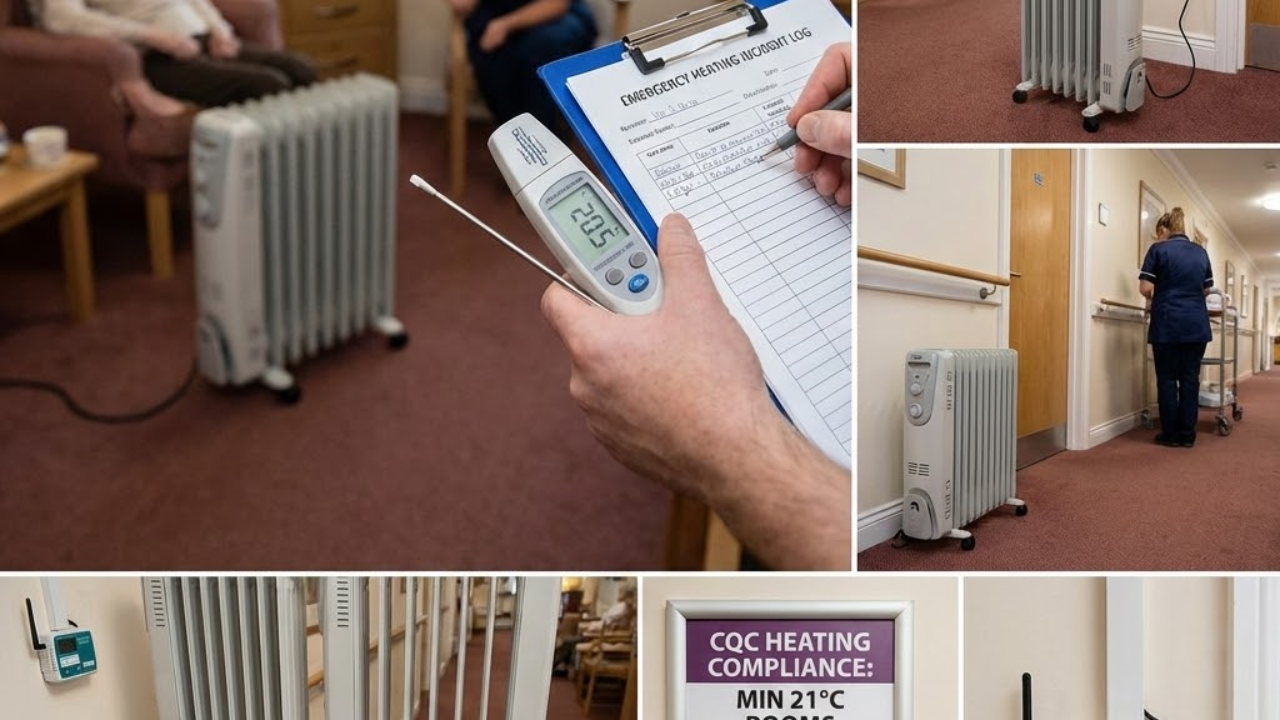
Care homes carry a responsibility that goes beyond comfort. They're legally bound to maintain safe, habitable temperatures for some of society's most vulnerable residents. When heating systems fail during winter months, the clock starts ticking on both regulatory compliance and resident welfare.
The regulatory framework governing emergency heating in care homes isn't a suggestion. It's a legal requirement backed by the Health and Social Care Act 2008 (Regulated Activities) Regulations 2014, which mandates that registered care providers maintain premises and equipment to protect resident health and welfare. Temperature control sits squarely within that mandate. Heating and Plumbing World supplies emergency heating equipment and backup systems specifically designed for care home compliance requirements.
The Legal Temperature Threshold
The Chartered Institute of Building Services Engineers (CIBSE) recommends minimum temperatures of 21°C in residents' rooms and 18°C in circulation spaces for care home environments. These aren't arbitrary numbers. They're calculated based on the reduced mobility and metabolic rates common in elderly residents.
The Care Quality Commission (CQC) inspects against these standards. During CQC inspection assessments, inspectors check:
- Actual room temperatures during cold weather
- Documented evidence of heating system maintenance
- Emergency heating protocols and backup systems
- Records of temperature monitoring
- Resident comfort complaints and responses
A care home that fails to maintain adequate heating during a system breakdown faces enforcement action ranging from improvement notices to prosecution under the Health and Safety at Work Act 1974.
What Constitutes an Emergency Heating Failure
Not every heating hiccup triggers emergency protocols. A heating emergency in a care setting occurs when:
- The primary heating system fails completely during cold weather (external temperatures below 10°C)
- Partial system failure affects vulnerable residents' rooms
- Boiler breakdown will take more than 4 hours to repair
- Heating output drops below minimum safe temperatures despite a functioning system
The critical factor is time to restoration. If your heating engineer can't guarantee a fix within four hours, you're legally obligated to implement emergency heating measures immediately.
Primary Legal Obligations
Regulation 15: Premises and Equipment
This regulation requires care home operators to ensure premises are "properly maintained and safe for use." For heating systems, this means:
Preventive maintenance contracts with qualified engineers who understand the critical nature of care home systems. Annual boiler servicing isn't enough; quarterly inspections catch deteriorating components before they fail.
Backup heating capacity sufficient to maintain minimum temperatures in resident areas. This doesn't necessarily mean a second boiler (though larger homes often install dual-boiler systems), but it does require a documented plan for rapid deployment of alternative heating.
The Care Act 2014 Duty of Care
Section 9 of the Care Act establishes a duty to meet residents' care and support needs. Adequate heating directly impacts:
Physical wellbeing: Hypothermia risk increases dramatically in elderly populations below 18°C
Mental wellbeing: Cold environments cause distress and confusion in dementia patients
Control over daily life: Residents shouldn't need to retreat to bed during daytime hours due to cold
Failing to maintain heating could constitute neglect under this framework, particularly if residents suffer health consequences.
Health and Safety at Work Act 1974
As an employer, you owe a duty of care to staff as well as residents. The Workplace (Health, Safety and Welfare) Regulations 1992 specify minimum workplace temperatures of 16°C where work involves physical activity, or 13°C for strenuous work.
Care work involves both sedentary periods (administrative tasks) and physical activity (manual handling). Staff working in cold conditions face increased injury risk from reduced dexterity and distraction.
Emergency Heating Response Requirements
When your primary heating fails, the law doesn't give you days to sort it out. You've got hours. Here's what compliance looks like in practice:
Immediate Actions (0-2 Hours)
Notify your heating contractor and confirm emergency response time. Most commercial heating firms offer priority callouts for care settings, but you need this agreed in advance. If they can't attend within four hours, activate your backup plan.
Deploy electric panel heaters to the most vulnerable residents first. Prioritise those with:
- Respiratory conditions (COPD, pneumonia history)
- Cardiovascular disease
- Dementia or cognitive impairment
- Limited mobility
Document everything. Start an incident log recording failure time, temperatures, actions taken, and resident welfare checks. The CQC will want to see this if they inspect following a complaint.
Short-Term Measures (2-24 Hours)
If repairs extend beyond a few hours, you'll need industrial-capacity temporary heating. Domestic fan heaters won't cut it. You need equipment rated for continuous operation in commercial settings.
Think of deploying emergency heating like setting up a field hospital. Just as medics prioritise the most critical patients first, you deploy oil-filled radiators to the most vulnerable residents' rooms before worrying about communal spaces.
Electric panel heaters with thermostatic control provide the safest option for resident rooms. Place them away from beds and chairs to prevent burns, and ensure electrical circuits can handle the additional load. An electrically overloaded care home creates a fire risk that compounds your heating emergency.
Portable oil-filled radiators offer slower heat distribution but greater thermal stability. They're particularly useful in corridors and communal spaces where constant heat output matters more than rapid temperature rise.
Avoid portable gas heaters in resident rooms. The combustion byproducts and oxygen depletion create unacceptable risks in enclosed spaces occupied by vulnerable people. If you must use them, restrict placement to large, well-ventilated communal areas with constant supervision.
Communication Obligations
You're legally required to notify:
- The CQC if the heating failure affects service delivery or resident safety
- Residents' families as part of your duty of transparency
- The local authority if residents require temporary relocation
- Your insurer to document the incident for potential claims
Failure to report a significant heating incident to the CQC can result in prosecution for breach of Regulation 18 (notification of other incidents).
Backup Heating System Specifications
The most compliant care homes don't rely on scrambling for portable heaters. They design resilience into their heating infrastructure from the start.
Dual-Boiler Systems
Larger care homes (30+ beds) increasingly install dual-boiler configurations where two smaller boilers share the heating load. If one fails, the other maintains reduced heating while repairs proceed.
This approach requires careful hydraulic design to ensure both boilers can operate independently. Grundfos pumps and control systems automatically switch between boilers and alert maintenance staff to failures.
The capital cost runs 40-60% higher than a single large boiler, but the operational resilience often justifies the investment for facilities with high regulatory scrutiny.
Emergency Electric Heating Circuits
Purpose-installed emergency heating circuits provide the fastest response to boiler failure. These systems typically include:
- Fixed electric panel heaters in each resident room, wired to a separate circuit
- Central control allowing staff to activate all units simultaneously
- Thermostatic regulation to prevent overheating
- Visual indicators showing which rooms have active emergency heating
The electrical infrastructure must support this additional load, which often requires three-phase supply and careful load balancing. Budget around £800-1,200 per room for a properly specified system including installation.
Portable Heating Equipment Inventory
Even with fixed backup systems, maintaining an inventory of portable heaters provides flexibility for localised failures or spot heating during repairs.
For a 40-bed care home, a reasonable inventory includes:
- 15-20 oil-filled radiators (2-3kW each) for resident rooms
- 6-8 electric panel heaters (1-2kW) for offices and circulation spaces
- 2-3 industrial fan heaters (3kW) for rapid heating of communal areas
- Extension leads rated for heater load (13A minimum)
Store this equipment in an accessible location with annual electrical safety testing documented. The Electricity at Work Regulations 1989 require portable electrical equipment in care settings to undergo PAT testing at least annually.
Maintenance Requirements for Compliance
Legal compliance starts long before an emergency. The CQC expects documented evidence of preventive maintenance designed to avoid heating failures.
Annual Boiler Servicing
Gas Safe registered engineers must inspect and service gas boilers annually. For care homes, this service should include:
- Combustion analysis and efficiency testing
- Heat exchanger inspection for corrosion or blockages
- Safety device testing (pressure relief valves, thermostats)
- Flue integrity checks
- Control system verification
Having access to genuine Halstead parts ensures rapid repairs when components need replacement during servicing. Schedule servicing during warmer months (May-September) when temporary heating requirements are minimal if issues arise.
Quarterly System Checks
Between annual services, quarterly inspections catch deteriorating components:
- Pressure checks: System pressure should remain stable; drops indicate leaks
- Pump operation: Listen for unusual noise indicating bearing wear
- Radiator surveys: Check for cold spots suggesting sludge buildup
- Control testing: Verify thermostats and zone valves respond correctly
These checks take 2-3 hours for a typical care home and cost £150-300, but they prevent the £5,000+ emergency callout when your boiler fails at 11pm on a Saturday in January.
Water Treatment Programmes
Closed heating systems accumulate debris, sludge, and scale that reduce efficiency and accelerate component failure. A proper water treatment programme includes:
- Chemical inhibitors preventing corrosion and limescale
- Annual water sampling checking inhibitor levels and contamination
- System flushing every 5-7 years to remove accumulated debris
Danfoss controls manufacture dosing systems that automatically maintain correct inhibitor concentrations, reducing maintenance burden whilst extending system life. Additionally, Altecnic products including expansion vessels and pressure relief valves are essential components in maintaining safe system operation.
Temperature Monitoring and Documentation
The CQC increasingly expects care homes to demonstrate continuous temperature monitoring rather than reactive responses to complaints.
Digital Temperature Logging
Wireless temperature sensors placed in representative rooms (typically 10-15% of resident rooms plus communal spaces) provide continuous data logging. These systems:
- Record temperatures at 15-30 minute intervals
- Alert staff when temperatures drop below thresholds
- Generate reports for CQC inspections
- Identify heating system performance trends
Installation costs run £1,500-3,000 for a 40-bed home, with annual sensor battery replacement the only ongoing cost.
Manual Temperature Checks
Where digital systems aren't feasible, manual temperature monitoring requires:
- Daily checks during cold weather (external temperature below 10°C)
- Twice-daily checks if heating system is operating sub-optimally
- Hourly checks during emergency heating situations
- Documented readings with date, time, location, and staff signature
Use calibrated digital thermometers (±0.5°C accuracy) rather than analogue devices. Place thermometers at seated head height (approximately 1.2m) away from radiators and windows for representative readings.
Emergency Heating Equipment Sourcing
When your boiler fails at 6pm on Friday, you can't wait for Monday morning deliveries. Establish supplier relationships before emergencies strike.
Pre-Arranged Hire Agreements
Industrial heating equipment hire companies offer emergency callout services, but response times and equipment availability improve dramatically with pre-arranged agreements. These contracts typically include:
- Priority response (2-4 hour delivery during business hours)
- Pre-approved credit terms avoiding payment delays during emergencies
- Equipment reservations during peak winter demand
- Technical support for correct equipment specification
Expect to pay £50-150 monthly for standby agreements, but the cost pales compared to emergency hire premiums (often 200-300% standard rates) without pre-arrangement.
Local Trade Supplier Relationships
Building relationships with trade suppliers means you've got a contact who understands your facility when emergency component replacement is needed. Register your care home as a commercial account to access:
- Extended trading hours for emergency purchases
- Technical advice on component selection
- Delivery services for urgent orders
- Account terms avoiding credit card limits during large emergency purchases
Staff Training Requirements
Your emergency heating plan only works if staff understand their roles. The Care Certificate (Standard 13: Health and Safety) requires care staff to recognise and respond to environmental hazards, including heating failures following HTM 04-01 guidance.
Training Components
Effective emergency heating training covers:
- Recognition of heating failure (what temperatures trigger emergency response)
- Immediate actions (who to notify, how to deploy portable heating)
- Resident prioritisation (identifying most vulnerable residents)
- Equipment safety (correct placement and operation of portable heaters)
- Documentation requirements (what to record and when)
Conduct this training annually during autumn months before winter heating season. Document attendance and competency assessment for CQC evidence.
Designated Responsibility
Assign emergency heating responsibility to specific senior staff members (typically the registered manager and deputy). These individuals should have:
- Direct contact details for heating contractors
- Authority to approve emergency equipment hire
- Access to emergency heating equipment storage
- Training in heating system basics (how to check boiler pressure, reset controls, etc.)
This designation prevents the "somebody else's problem" syndrome where critical actions get delayed because nobody feels responsible.
When Emergency Heating Isn't Enough
Sometimes heating failures coincide with extreme weather or extend beyond reasonable temporary measures. At what point does resident relocation become necessary?
On a bitterly cold February evening in 2023, a 35-bed care home in Yorkshire lost heating when their boiler developed a critical fault. The engineering firm promised repairs within 24 hours, but sub-zero temperatures meant portable heaters couldn't maintain 18°C. By midnight, the manager made the difficult decision to relocate residents to a neighbouring facility. The move disrupted residents, particularly those with dementia, but prevented what could have been a serious hypothermia incident.
Relocation Triggers
Consider temporary resident relocation when:
- Heating cannot be restored within 48 hours during cold weather
- External temperatures drop below freezing with no heating
- Emergency heating cannot maintain 18°C minimum in resident areas
- Multiple residents show signs of cold-related illness
Relocation represents a major disruption for vulnerable residents, particularly those with dementia. Exhaust all reasonable alternatives first, but don't delay if resident safety is genuinely at risk.
Legal Process for Emergency Relocation
Temporary relocation requires:
- Notification to CQC under Regulation 18 (significant events)
- Consent from residents or their representatives where possible
- Receiving facility assessment ensuring appropriate care provision
- Transport arrangements suitable for residents' mobility needs
- Documentation of decision rationale and resident welfare throughout
The receiving facility must have capacity and appropriate registration to care for your residents' specific needs. You can't simply move dementia residents to a facility registered only for physical care.
Insurance Considerations
Emergency heating incidents trigger several insurance implications that affect both immediate response and long-term compliance.
Business Interruption Cover
Standard care home insurance policies include business interruption coverage for heating system failures, typically covering:
- Emergency heating equipment hire (reasonable costs to maintain operations)
- Increased utility costs from temporary electric heating
- Emergency repair callout fees and out-of-hours labour premiums
- Alternative accommodation costs if relocation becomes necessary
Review your policy's indemnity period (the maximum time for which claims are paid). Care home policies typically offer 12-24 month indemnity periods, but heating system failures rarely extend beyond days or weeks.
Liability Exposure
Inadequate emergency heating response creates liability exposure if residents suffer:
- Hypothermia or cold-related illness
- Falls caused by confusion or distress from cold conditions
- Respiratory infections exacerbated by cold environments
Your liability insurer will scrutinise your maintenance records and emergency response documentation if defending such claims. Demonstrating compliant preventive maintenance and rapid emergency response significantly strengthens your position.
Conclusion
Emergency heating compliance in care homes rests on three foundations: preventive maintenance that minimises failure risk, documented emergency procedures that ensure rapid response, and backup heating capacity that maintains resident safety during repairs.
The legal requirements aren't bureaucratic box-ticking. They're the practical minimum for protecting vulnerable people from a preventable hazard. A care home that maintains its heating systems properly, trains staff in emergency response, and invests in backup capacity rarely faces CQC enforcement action or resident harm.
Start by auditing your current position against the requirements outlined here. If you're relying on "we'll figure it out if it happens," you're not compliant, and you're gambling with both resident welfare and your registration. Establish relationships with contractors, invest in backup systems appropriate to your facility size, and document everything. When your boiler inevitably fails during the coldest week of winter, you'll be ready.
For care home heating system components, emergency equipment, and technical advice, contact our technical team to discuss your specific requirements with specialists who understand the critical nature of care home environments.