

Emergency Heating Options During a Power Cut
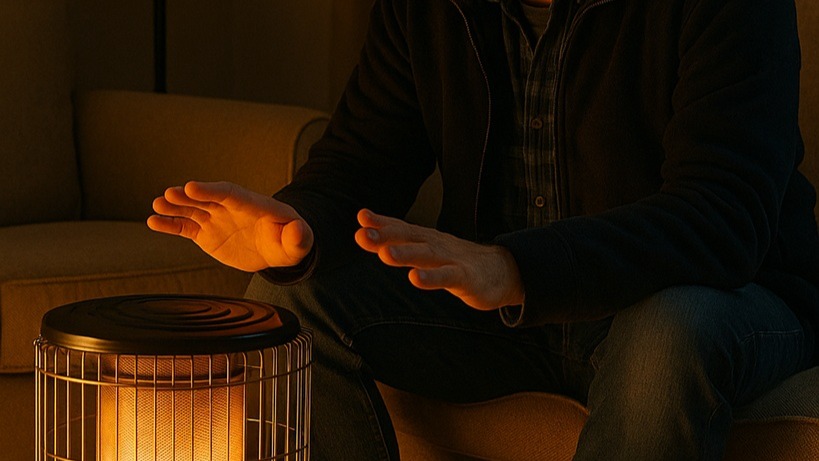
When the wind starts to howl and the lights flicker, you quickly realise how dependent every modern home is on electricity. Once the power’s gone, the boiler sits silent, the radiators cool, and the temperature starts dropping faster than you’d expect. A sudden blackout can turn a comfortable house into an icy box within hours, especially during a British winter.
Experienced engineers know that planning for this situation isn’t complicated; it’s just about foresight. With the right backup heating solutions in place, you can keep your household safe, warm, and calm even when the grid goes down.
This guide walks you through practical emergency home heating options that work whether you live in a city flat or a countryside cottage, along with professional recommendations from Heating and Plumbing World.
How Power Cuts Affect Your Heating System
Most homes in the UK rely on electrically controlled boilers. When the power cuts out, a few things happen immediately:
- Boiler ignition stops: Modern boilers need an electric spark to fire.
- Circulation halts: Pumps such as those made by Grundfos stop moving hot water around the system.
- Thermostats fail: Smart and programmable controls, including Honeywell units, shut down entirely.
Without heat circulation, pipes can freeze and burst, one of the most common reasons for winter callouts. The key is to have ready-to-go backup heating solutions that don’t rely on mains electricity.
Plug-In and Portable Backup Heating Solutions
If your power cut is temporary or you’ve got generator access, plug-in heaters are your fastest route to warmth. Keep one or two stored safely so they’re ready when you need them.
Oil-Filled Radiators
These plug-in heaters are ideal for longer outages. The oil retains heat, meaning you’ll still get gentle warmth even after switching off a generator.
- Quiet operation: No fan noise, perfect for bedrooms or studies.
- Consistent heat: Slow to cool down, reducing energy spikes.
- Built-in safety: Look for thermal cut-outs and tip-over protection.
You’ll find reliable models from Myson, offering steady, energy-efficient warmth for emergencies.
Fan Heaters
For instant results, fan heaters push hot air into the room within seconds. They’re compact, portable, and a great short-term fix.
- Fast heat-up: Ideal for small areas such as hallways or bathrooms.
- Adjustable thermostat: Helps prevent overheating and saves fuel if you’re using a generator.
- Low cost: Simple, budget-friendly relief from the chill.
Pairing one with a Honeywell plug-in thermostat gives more precise temperature control.
Convector Heaters
Convector units warm air that rises naturally, creating a gentle circulation without any noise.
- No moving parts: Durable and maintenance-free.
- Slim profile: Ideal for tight spaces or flats.
- Even heat distribution: Keeps rooms uniformly warm.
Models from Myson offer efficient, steady heat with minimal setup.
Battery-Powered Ceramic Heaters
For short outages, particularly where solar panels or UPS systems are available, battery-powered heaters can bridge the gap.
They’re lightweight, heat up quickly, and are perfect for bedrooms or studies. If you’re considering a home backup battery system, the Heating and Plumbing World team can advise on safe wiring and setup.
Gas-Fuelled Heating During Blackouts
When the electricity’s off for hours, gas-powered heaters become essential emergency home heating devices. They’re independent of the grid but must be used with proper ventilation.
Portable Propane Heaters
These units produce powerful, adjustable warmth using bottled gas.
- Output range: Around 2–5 kW, enough for an average lounge.
- Long runtime: A 13 kg bottle can provide heat all evening.
- Simple ignition: Manual controls make them reliable in outages.
Look for Morco propane heaters for dependable, CE-certified safety.
Paraffin (Kerosene) Heaters
These are old favourites that still work brilliantly. Paraffin heaters don’t need electricity and burn steadily in cold environments.
- Quiet operation: Great for night-time use.
- Slight moisture output: Helps prevent dry indoor air.
- Simple maintenance: Replace wicks and filters regularly for best results.
Replacement parts are stocked under Halstead Spares, ensuring your heater lights first time every winter.
Using Generators with Electric Heaters
An inverter generator gives you the flexibility to run electric heaters safely during long outages.
- Calculate the load: Add up the wattage of all devices you’ll power.
- Size the generator properly: Choose one at least 20% above total demand.
- Position outdoors: Always keep it clear of windows or vents.
The specialists at Heating and Plumbing World can supply weatherproof sockets and connection gear to make your setup safe and compliant.
Solid-Fuel and Alternative Heating Options
If your property has a working chimney or flue, a solid-fuel stove provides excellent long-term backup heating solutions.
Wood-Burning Stoves
Wood stoves remain one of the most dependable ways to heat a space without electricity.
- High output: Perfect for large rooms or open-plan areas.
- Cooking potential: Many include flat tops for boiling water or simple meals.
- Long burn times: A single log load can provide heat for several hours.
For accessories such as stove pipes, hearth plates and flue kits, explore the Polypipe collection.
Multifuel Room Heaters
These compact appliances burn a variety of fuels, from briquettes to smokeless coal.
- Quick heat: Easy to light and control.
- Low residue: Minimal ash and odour.
- Supplementary use: Excellent when combined with other heat sources.
Installation guidance is available from Heating and Plumbing World, simply get in touch with the team for practical advice.
Keeping Hot Water Available
A hot shower or even warm washing-up water can make all the difference during a blackout.
Immersion Heater Backups
Many modern unvented cylinders, such as those from Gledhill, feature a backup immersion element. When powered by a generator, they can heat stored water within an hour.
If your cylinder doesn’t include this option, you can ask about retrofit kits through Heating and Plumbing World.
Simple Heat-Retention Tips
Sometimes, basic solutions are the most effective:
- Gas hob or camping stove: Boil water safely for tea or hot-water bottles.
- Thermal flasks: Fill them early to store hot water through the night.
- Layer blankets and clothing: Conserve body heat while waiting for power to return.
These small actions, combined with your emergency home heating setup, keep morale high when the rest of the street is freezing.
Safety Above All
Whenever you’re using non-electric heat sources, safety must come first.
- Install carbon monoxide alarms: Place them in any room with fuel-burning heaters.
- Ventilate properly: Crack open a window when using propane or paraffin.
- Keep clear space: Always position heaters away from curtains or furniture.
- Store fuel safely: Gas cylinders and fuel cans should be upright and in ventilated areas.
If in doubt about a heater or generator’s safety, contact the Heating and Plumbing World team for guidance before use.
Building Your Emergency Heating Plan
A well-thought-out plan turns chaos into calm. Before winter arrives, take an hour to prepare:
- Identify key rooms: Focus on keeping kitchens, hallways, and bathrooms above freezing.
- Assign heaters: Label each unit and note which fuel it uses.
- Stock fuel early: Keep spare gas bottles, logs, or kerosene in ventilated storage.
- Test equipment quarterly: Make sure everything still operates correctly.
- Save emergency contacts: Keep Heating and Plumbing World’s number stored on your phone.
These steps make every power cut a manageable inconvenience instead of a full-blown emergency.
A Short Field Story
A facilities manager once called late on a January evening: their rural office had lost power, and the central heating was out. Within an hour, we had a small inverter generator running a few Myson radiators and a Morco propane heater in the reception area. Staff stayed warm through the night, and the pipes were saved from freezing.
That job confirmed what every experienced engineer already knows, preparedness beats panic every time.
Staying Warm and Ready
When the lights go out and the temperature plummets, your comfort depends on what you’ve planned ahead. With the right mix of backup heating solutions, safe fuels, and practical tools, you’ll always have a way to keep warm.
For reliable parts, expert advice, and certified equipment, from Polypipe flue accessories and Halstead Spares to Grundfos pumps, Heating and Plumbing World has you covered.
If you need tailored guidance or installation support for your emergency home heating setup, you can contact the Heating and Plumbing World team directly. Preparation today means warmth and safety tomorrow.