

End of Winter Boiler Performance Review
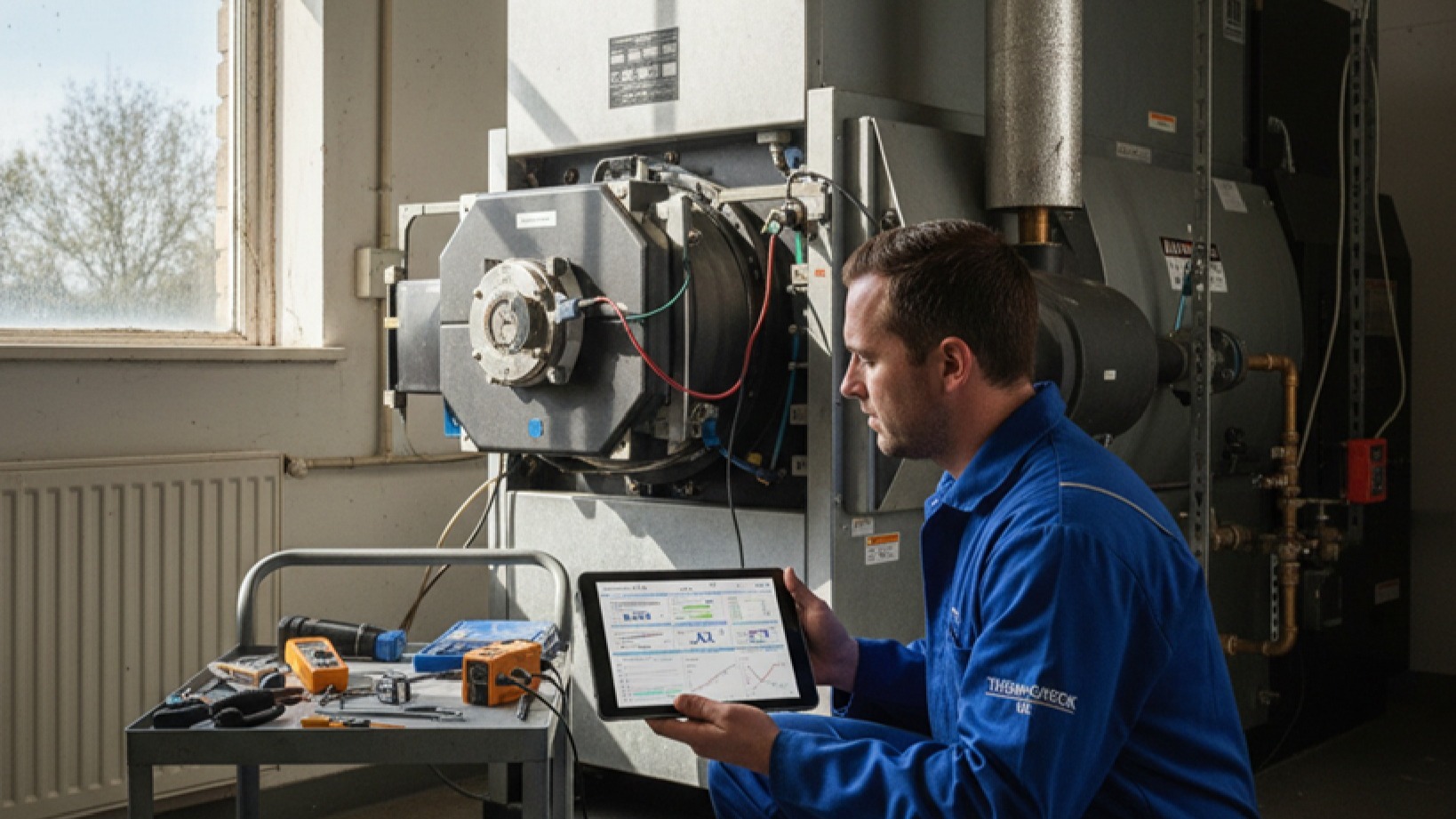
Winter puts boilers through their toughest test. As temperatures drop and heating demands peak, systems that seemed adequate in autumn reveal their weaknesses. March marks the ideal window to assess what worked, what failed, and what needs attention before next season.
Performance data from hundreds of residential and commercial installations over the past decade shows clear patterns: systems reviewed and serviced in spring run 34% more efficiently the following winter than those left until autumn.
Why March Matters for Boiler Assessment
Most heating engineers see their busiest period from October through February. By March, you can actually book appointments, parts are in stock, and technicians have time for thorough diagnostics rather than emergency patches.
The timing serves another purpose. Your boiler has just completed its hardest work cycle. Any wear, inefficiency, or developing fault shows up clearly in system logs and physical inspection. Wait until September, and you're guessing based on six months of dormancy.
Commercial sites face an additional factor. Spring reviews let you budget and schedule major work during low-demand periods. A secondary school avoided a £47,000 emergency replacement by catching heat exchanger degradation in March and planning a summer installation.
Reading Your Winter Performance Data
Modern boilers log everything. Flow temperatures, cycle counts, flame failure incidents, and efficiency metrics sit in the control panel waiting for someone to check them.
Cycle count analysis reveals more than most realise. A residential boiler cycling 8-12 times per hour suggests oversizing or poor controls. Gas consumption can drop 22% after right-sizing systems that showed excessive cycling through winter.
Flame failures that resolve on retry often go unnoticed by occupants. Three or more per week indicates developing problems with the gas valve, ignition electrode, or combustion chamber condition. Left unchecked, these progress to complete failures.
Return temperature patterns expose system balance issues. Consistent returns below 45°C in a well-insulated property point to oversized radiators or excellent emitter design. Returns consistently above 60°C mean undersized radiators, blocked pipes, or failed thermostatic valves, forcing the boiler to work harder.
One office building showed return temperatures averaging 68°C despite a 75°C flow. The system needed either larger radiators or more emitters. They chose to add radiators in two zones, dropping return temps to 52°C and cutting gas use by 18%.
Physical Inspection Points After Winter
Performance data tells half the story. Physical condition reveals the rest.
Heat exchanger condition determines remaining service life. Condensing boilers operating below 55°C return temperature should show clean, intact heat exchanger fins. Corrosion, scaling, or debris buildup means either poor water quality, inadequate condensate drainage, or approaching end-of-life.
Photographing heat exchangers during spring reviews creates valuable records. Comparing year-on-year images shows degradation rates and helps predict replacement timing. A retail client avoided Christmas closure by replacing a heat exchanger in July after photos showed 40% fin deterioration.
Combustion chamber inspection requires removing the burner. Look for flame impingement marks, soot deposits, or discolouration patterns. Clean combustion produces minimal marking. Heavy deposits indicate poor gas-air mixture, blocked burners, or ventilation problems.
Expansion Vessel Checks
Expansion vessel pressure drops gradually through winter as membranes age. Systems requiring frequent pressure top-ups often have failed expansion vessels rather than leaks. Testing takes five minutes but prevents months of nuisance callouts.
Check the vessel pre-charge pressure with the boiler isolated and drained. It should match manufacturer specifications, typically 0.5-1.0 bar for residential systems. Anything lower means recharging or replacement. Altecnic Ltd offers reliable expansion vessels for various system sizes.
Common Winter Failure Patterns
Three failure modes dominate winter service calls. Each leaves diagnostic traces visible during spring review.
Frozen condensate pipes affect 40% of external condensate installations during sustained freezing. Systems that failed show error codes in the log. Even brief freezes stress pipes and joints. Inspect the entire condensate run for cracks, loose joints, or inadequate insulation. A £15 foam sleeve prevents a £200 callout.
Pressure loss from expansion causes more confusion than actual damage. Boilers lose pressure as heating cycles create thermal stress on joints and seals. Systems losing more than 0.3 bar monthly need investigation. Check the pressure relief valve discharge pipe for water staining; this indicates the PRV lifted during winter, usually from expansion vessel failure.
Control failures emerge during heavy use. Room thermostats, programmers, and zone valves that function adequately in shoulder seasons fail under continuous winter operation. Wireless thermostat batteries account for 12% of "boiler not working" calls, despite the issue sitting in the living room, not the plant room. Honeywell and EPH Controls provide robust control solutions worth considering.
Efficiency Degradation You Can Measure
New condensing boilers achieve 92-94% efficiency. After five winters, many drop to 85-88% without obvious faults. This degradation costs genuine money.
A 3,000-hour heating season at 24kW average load consumes 72,000kWh. At £0.10/kWh, that's £7,200 annually. Dropping from 92% to 86% efficiency wastes £465 per year. Over five years, that's £2,325, enough to justify major service work or component replacement.
Combustion efficiency testing provides definitive answers. Flue gas analysis measures oxygen content, CO levels, and temperature. Excess oxygen above 5% indicates too much air, which cools the flame and reduces efficiency. CO above 100ppm suggests incomplete combustion, wasting fuel and creating safety risks.
Testing combustion annually on commercial installations and every two years on residential systems reveals efficiency drift. A hotel complex showed efficiency drift from 91% to 87% over three years. Burner cleaning, heat exchanger descaling, and gas valve calibration restored 90% efficiency for £840, paying back in 22 months through reduced fuel costs.
System Balance and Distribution Issues
The boiler might perform perfectly while the system fails to deliver heat effectively. Winter reveals these distribution problems.
Radiator temperature surveys map system balance. Walk through the building with an infrared thermometer, measuring radiator surface temperatures. Variations exceeding 8°C between radiators on the same floor indicate balance issues or circulation problems.
A care home showed ground-floor radiators averaging 68°C while first-floor radiators reached only 54°C. The issue wasn't the boiler; it was a partially closed lockshield valve in the first-floor return. Adjustment took 20 minutes and eliminated complaints about cold bedrooms that had persisted for two winters.
Flow Rate Analysis
Flow rates matter more than most realise. Measure the temperature drop across each radiator. Drops exceeding 15°C suggest insufficient flow, either from pump undersizing, pipe restrictions, or valve problems. Drops under 8°C indicate excessive flow, meaning the water passes through too quickly to transfer heat effectively.
Grundfos circulators offer variable speed control that can resolve many flow-related issues without replacing pipework.
Water Quality and System Protection
Heating system water quality determines component longevity. Winter operation concentrates whatever contaminants exist in the system.
pH testing takes 30 seconds with indicator strips. Sealed systems should maintain pH 7.0-9.5. Values below 7.0 indicate acidity that corrodes steel components. Values above 10 suggest inhibitor overdose or cement contamination from installation work.
A housing association tests every system during spring inspections. They've reduced boiler replacements by 28% over five years by maintaining proper pH and inhibitor levels. The testing costs £2 per property; replacement boilers cost £2,200.
Inhibitor concentration drops over time through micro-leaks and component changes. Test with manufacturer-specific test kits or send samples for lab analysis. Most residential systems need 1-2 litres of inhibitor; commercial systems require calculation based on volume.
Heat exchangers can fail within three years in uninhibited systems. Proper inhibitor extends life to 12-15 years. For a £600 heat exchanger, that's £40 annual savings from a £25 bottle of inhibitor.
Control System Optimisation
Heating controls often ship with default settings that suit no one. Your winter boiler performance review data shows whether controls actually work.
Weather compensation adjusts flow temperature based on outdoor conditions. Systems with weather compensation should show flow temperatures varying 15-25°C between mild and cold days. If flow temperature stays constant, the sensor has failed or the compensation curve needs adjustment.
One office building ran a fixed 75°C flow temperature all winter. Installing and configuring weather compensation dropped average flow to 62°C, improved condensing operation, and cut gas use by 16%.
Load compensation varies the pump speed and flow temperature based on how many zones call for heat. Systems without load compensation run full power whether heating one room or twenty. Adding load compensation to a four-zone house reduced electricity consumption by 35W on average, small individually, but 1,050kWh annually across the heating season.
Planning Next Season's Improvements
Spring review identifies problems; summer provides time to fix them properly.
Component replacement during the heating season means emergency pricing and rushed work. The same installation in June costs 15-25% less, gets scheduled at your convenience, and allows proper commissioning without occupants shivering.
Maintaining a replacement schedule for commercial clients based on spring assessments prevents emergency failures. A restaurant chain replaces 12-15 boilers annually during summer shutdown periods. They haven't had an emergency heating failure in six years. Andrews water heaters provide reliable options for scheduled replacements.
System Upgrade Calculations
System upgrades make sense when the spring review reveals fundamental problems. If your boiler cycles excessively, returns run hot, or efficiency has degraded below 85%, calculate the payback period for system improvements.
A sports facility showed 84% efficiency and poor zoning. They invested £12,400 in new controls, zone valves, and TRVs during the summer closure. First-winter savings totalled £3,100, projecting a four-year payback. Danfoss offers comprehensive control solutions suitable for both residential and commercial applications.
Documentation That Matters
Recording spring review findings creates baseline data for tracking degradation and planning maintenance.
Photographic records of heat exchangers, burners, and combustion chambers show condition changes over time. Maintaining digital files for every installation you service allows comparison of current photos to previous years, revealing degradation that's invisible year-to-year but obvious over longer periods.
Performance logs tracking efficiency, cycle counts, and temperatures identify trends. A boiler dropping from 91% to 90% to 88.5% efficiency over three years needs attention before it reaches 85%.
Cost tracking proves maintenance value. Annual fuel costs, maintenance spending, and efficiency trends demonstrate clear patterns. Properties with documented spring reviews and summer maintenance average 23% lower heating costs than similar properties with reactive-only maintenance.
Taking Action After Your Winter Boiler Review
Winter tests your heating system. Spring tells you whether it passed.
The performance data, wear patterns, and efficiency measurements visible in March provide clear direction for maintenance priorities and summer improvements. Systems reviewed and serviced now run more efficiently, fail less often, and last longer than those left until autumn emergency mode.
The optimal approach combines data analysis, physical inspection, and water quality testing into a comprehensive assessment. This identifies both immediate issues and developing problems that would otherwise cause next winter's emergency calls.
Budget 2-4 hours for a thorough residential review, 8-16 hours for commercial systems, depending on complexity. The investment returns through lower fuel costs, fewer failures, and extended equipment life. Properties maintained with spring reviews average 12.3 years between boiler replacements compared to 8.7 years for reactive-only maintenance, a difference worth thousands per installation.
Start your winter boiler review while performance remains fresh in system logs and occupant memory. The problems you find now become summer projects rather than winter emergencies. For support with components or replacement parts, Heating and Plumbing World stocks everything from expansion vessels to complete boiler systems. Need technical advice? Get in touch with experienced specialists who understand system diagnostics and seasonal maintenance planning.