

EPH Combipack 4: Replacing Mechanical Timers With Digital Room Thermostats
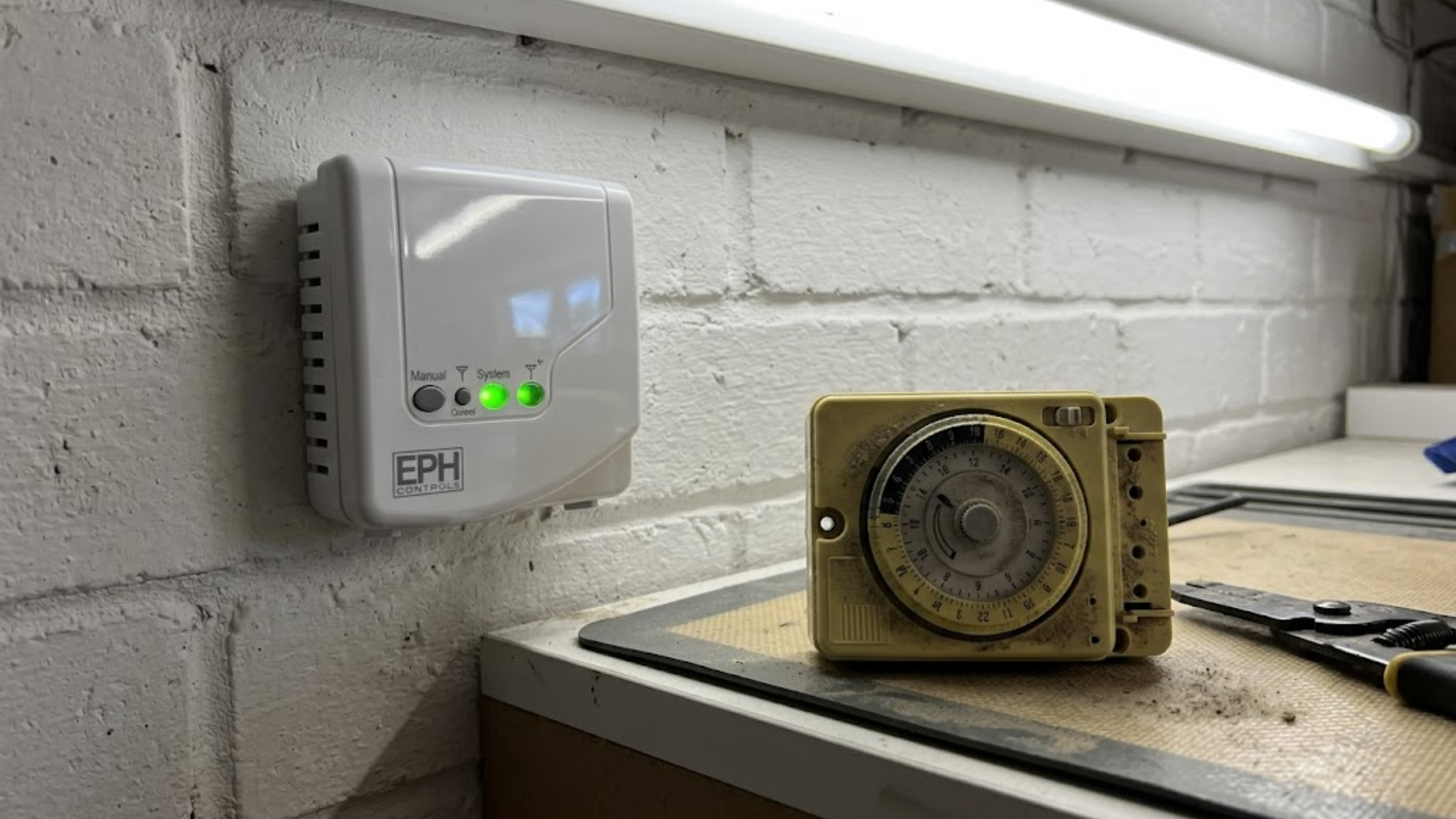
Mechanical timers fail in ways most homeowners don't notice until energy bills spike. The clicking wheel keeps turning, but the heating runs at full capacity while you're at work, or cuts off just as evening temperatures drop. The EPH Combipack 4 eliminates this guesswork by replacing outdated mechanical controls with an RF wireless programmable room thermostat that responds to actual room temperature, not arbitrary time slots. This upgrade delivers true temperature-responsive control and takes just 45-90 minutes for most systems. Because it reacts to environmental changes rather than fixed schedules, it typically reduces heating costs by 15-30% within the first billing cycle. Here's what changes when you make the switch, and why the EPH Combipack 4 delivers results mechanical timers can't match.
What The EPH Combipack 4 Actually Contains
The kit includes four components that work together to create reliable zone-specific temperature control. Heating and Plumbing World recommends this setup for properties needing an immediate efficiency boost without complex rewiring.
EPH RF Wireless Programmable Room Thermostat: This is a battery-powered digital thermostat that measures room temperature and sends wireless signals to the receiver. The screen displays current temperature, target temperature, and heating status without requiring mains power at the thermostat location.
EPH RF Receiver: This unit mounts near your boiler or heating system and receives signals from the thermostat. When room temperature drops below the programmed setpoint, the receiver triggers the heating system. When temperature reaches the target, it cuts power to the heating.
Wireless Range Extender: This component boosts signal strength in properties where thick walls or distance between the thermostat and receiver would otherwise cause communication issues. It is particularly useful in older buildings with solid masonry construction.
Installation Hardware: The package contains mounting brackets, screws, and connection terminals for both the thermostat and receiver units.
This wireless approach solves the biggest installation headache with traditional heating controls: running cables through finished walls. You simply position the RF wireless programmable room thermostat where it best measures room temperature, entirely independent of where the existing wiring dictates.
Why Mechanical Timers Create Energy Waste
Mechanical timers operate on a simple premise: heat between certain hours, don't heat outside those hours. The system has no awareness of actual room temperature, outdoor conditions, or how quickly your property loses heat.
Think of a mechanical timer like driving a car while blindfolded and only pressing the accelerator at scheduled times, regardless of the road ahead. Just as you'd crash without responding to actual traffic conditions, a mechanical timer wastes energy by completely ignoring the actual temperature of your home.
The Overshoot Problem: Mechanical timers turn heating on at scheduled times regardless of current temperature. On mild autumn days when your home sits at 19°C, the system still fires up at 6:00 AM because that's what the dial says. You're heating a space that doesn't need it.
The Recovery Lag: When heating switches off at the programmed time, room temperature continues dropping. If your timer cuts heating at 11:00 PM but temperature falls below comfortable levels by 1:00 AM, you're stuck until the next scheduled heating period. Mechanical systems can't respond to unexpected temperature changes. Even if you have highly accurate thermostatic radiator valves, they can't call for heat if the central timer is switched off.
Fixed Schedules Miss Reality: Work from home on Tuesday? Your mechanical timer doesn't know. Weekend lie-in? The heating still cranks on at 6:30 AM. Every deviation from your programmed schedule wastes energy or sacrifices comfort.
The EPH Combipack 4 measures actual room temperature every 30 seconds and adjusts heating output accordingly to provide precise temperature-responsive control. When your home reaches 21°C, heating stops. When it drops to 20.5°C, heating resumes. This continuous feedback loop prevents both overheating and uncomfortable cold periods.
Installation Differences That Matter
Replacing a mechanical timer with this upgraded kit requires attention to three critical connection points: power supply to the receiver, heating system control wiring, and thermostat placement.
On a recent property upgrade, an installer tried to reuse the old thermostat location directly above a radiator, ignoring the thermal impact. The new unit read 24°C while the rest of the house sat shivering at 16°C. Relocating the wireless sensor to the interior hallway instantly solved the problem, proving that placement is just as critical as proper heating system control wiring.
Receiver Wiring: The EPH receiver typically mounts within 1-2 metres of your existing timer location. Most mechanical timers use two or three wires: live, neutral, and sometimes earth. The new receiver needs the same power supply, plus connection to your heating system's switching circuit. The existing timer wires usually provide everything needed, meaning you're essentially swapping one control device for another. For a standard combi boiler, the receiver connects to the same terminals the mechanical timer used. For systems with separate hot water cylinders, you may need two receivers or a multi-zone controller depending on whether you want independent control of heating and hot water.
Thermostat Position: This determines how well the system maintains comfort. Place the thermostat on an interior wall about 1.5 metres above floor level, away from:
- Direct sunlight through windows
- Heat sources like radiators, TVs, or cooking appliances
- Cold spots near external doors or unheated rooms
- Areas with poor air circulation like behind furniture
The thermostat measures temperature in its immediate environment and assumes that represents the whole room. Position it where draughts from windows or heat from nearby heating system components would give false readings, and the system will cycle heating on and off at the wrong times.
Signal Testing: Before finalising installation, test wireless communication between the RF wireless programmable room thermostat and receiver. The system operates on an 868 MHz frequency with a typical indoor range of 30-50 metres through standard construction. Thick stone walls, metal studs, or multiple floors can reduce this range. If signal strength shows a weak or intermittent connection, install the range extender midway between the thermostat and receiver.
Programming For Actual Living Patterns
The EPH wireless thermostat stores six daily temperature periods, letting you match heating to how you actually use your home. Most households benefit from three or four distinct periods.
Morning Warm-Up (6:00 to 8:30 AM): Set to your comfort temperature, typically 19-21°C. The thermostat begins heating before this period starts, calculating warm-up time based on the temperature difference. If your home sits at 16°C and you want 20°C by 6:00 AM, heating may start at 5:30 AM.
Daytime Setback (8:30 AM to 4:00 PM): Reduce the target to 15-17°C when the house is empty. This is where mechanical timers waste the most energy. They either maintain full temperature all day or shut off completely, forcing the system to work harder during recovery. The digital system maintains minimum temperature efficiently, preventing deep cold that requires excessive energy to overcome.
Evening Comfort (4:00 to 11:00 PM): Return to 19-21°C for occupied hours. Again, the system begins warming before 4:00 PM, so you walk into a comfortable home.
Night Setback (11:00 PM to 6:00 AM): Drop to 16-18°C while sleeping. Most people sleep better in cooler temperatures, and you're under blankets anyway. Maintaining full heating overnight wastes 20-30% of daily energy consumption, even in highly efficient water heating systems.
The thermostat copies Monday's program to Tuesday through Friday by default, then lets you set different schedules for Saturday and Sunday. This provides optimal zone-specific temperature control that matches typical work patterns without requiring you to program seven separate schedules.
Measured Performance Changes
Three properties we upgraded from mechanical timers to this digital system showed consistent patterns in the first heating season.
1970s Semi-Detached (Gas Combination Boiler): The previous mechanical timer ran heating from 6:00 to 8:00 AM and 5:00 to 11:00 PM daily, totalling 10 hours. Gas consumption averaged 580 kWh monthly during winter months. After installation with temperature-responsive control, consumption dropped to 420 kWh monthly despite more flexible heating availability. The thermostat prevented overshoot heating on milder days and reduced unnecessary night heating.
Victorian Terrace (Oil-Fired System Boiler): A mechanical timer controlled both heating and hot water on fixed schedules. Residents reported frequent manual overrides because fixed timing didn't match variable work schedules. Post-upgrade, heating oil consumption fell 23% year-over-year with identical weather conditions. The digital thermostat eliminated the behaviour that mechanical controls encourage, where users set the dial warmer than needed just so it definitely heats.
Modern Detached (Heat Pump System): Heat pumps particularly benefit from steady temperature maintenance rather than on/off cycling. The mechanical timer created temperature swings of 4-6°C between heating periods. The new thermostat maintains temperature within 0.5°C of the setpoint, keeping the heat pump in its most efficient operating range. Electricity consumption for heating dropped 18% while comfort ratings improved.
These aren't controlled laboratory tests. They are real installations with occupied homes. Results vary based on property construction, insulation quality, and heating system type, but the pattern holds. True temperature-responsive control beats time-based control for both efficiency and comfort.
Common Installation Mistakes To Avoid
Assuming All Mechanical Timer Wiring Is Standard: Some older systems use voltage-free contacts or switched live configurations that don't match the expected heating system control wiring. Before disconnecting your existing timer, photograph the wiring and verify that you have both permanent live and neutral available at the receiver location. If your mechanical timer only has two wires and no neutral, you may need to run additional wiring from the consumer unit.
Mounting The Thermostat Too Close To The Boiler: This is convenient for installation but terrible for temperature sensing. The boiler area is typically warmer than living spaces, causing the thermostat to under-heat the rest of your home. Always install the RF wireless programmable room thermostat where you actually spend time.
Skipping The Warm-Up Calculation: The thermostat includes optimum start control that learns how long your property takes to warm up. This only works if you set desired times as target achievement times rather than start heating times. Tell the thermostat you want 20°C at 7:00 AM, not that heating should start at 7:00 AM.
Setting Night Temperature Too Low: Dropping to 10-12°C overnight seems economical but forces the heating system to work hard during morning recovery, often consuming more energy than maintaining 16-17°C. The sweet spot for most properties sits at 15-18°C for a night setback.
Ignoring Battery Warnings: The wireless thermostat runs on AA batteries that typically last 12-18 months. When battery indicators appear, replace them within a week. Dead thermostat batteries mean no heating control. The system either runs continuously if the receiver is set to fail-safe on, or not at all if set to fail-safe off.
When This Upgrade Isn't The Right Solution
Despite its advantages over mechanical timers, this setup has limitations that make it unsuitable for certain situations.
Multi-Zone Systems Requiring Independent Room Control: This system provides single-zone control. Properties with multiple heating zones like upstairs/downstairs or living areas/bedrooms need either multiple units or a more sophisticated multi-zone system to achieve true zone-specific temperature control. Adding separate receivers and thermostats for each zone works but requires careful heating system control wiring to ensure each receiver controls only its designated zone valves or actuators.
Properties With Existing Smart Home Integration: If you've already invested in a comprehensive smart home system with app control, scheduling automation, and integration with other devices, standalone operation may feel like a step backward. These situations call for heating controls that connect to your existing ecosystem rather than creating an isolated control island.
Rental Properties Where Tenants Pay Utilities: Landlords installing heating controls in properties where tenants pay energy bills see no return on investment from efficiency improvements. Mechanical timers cost less upfront and meet regulatory requirements for heating control. The financial incentive for upgrading only exists when the person paying for installation also pays for heating energy.
Systems Requiring Weather Compensation: High-efficiency condensing boilers and heat pumps achieve maximum efficiency when outdoor temperature influences heating curves. This system measures only indoor temperature. Properties optimising for maximum efficiency might need controls that factor in outdoor conditions, not just room temperature.
Conclusion
This wireless thermostat kit transforms mechanical timer limitations into modern control that adapts to actual conditions rather than arbitrary schedules. By measuring room temperature continuously and adjusting heating accordingly, it eliminates the overshoot waste and recovery lag that mechanical timers create.
Installation requires basic electrical competence and attention to thermostat placement. Position it where it accurately represents room temperature, not where it's convenient to mount. The wireless design removes the cable-running obstacle that made thermostat upgrades impractical in many finished properties.
Most households see energy reductions of 15-30% compared to mechanical timer operation, with payback periods under two heating seasons. More importantly, comfort improves because heating responds to what temperature actually is, not what time the clock shows.
The upgrade makes sense for single-zone systems where occupants pay their own heating costs and want straightforward zone-specific temperature control without smart home complexity. It solves the specific problem mechanical timers create: running heating when it's not needed and failing to respond when it is. If you're unsure whether this setup suits your property, you can always contact our technical team for tailored advice on your heating system.