

Essential Spare Parts for R290 Propane Heat Pumps
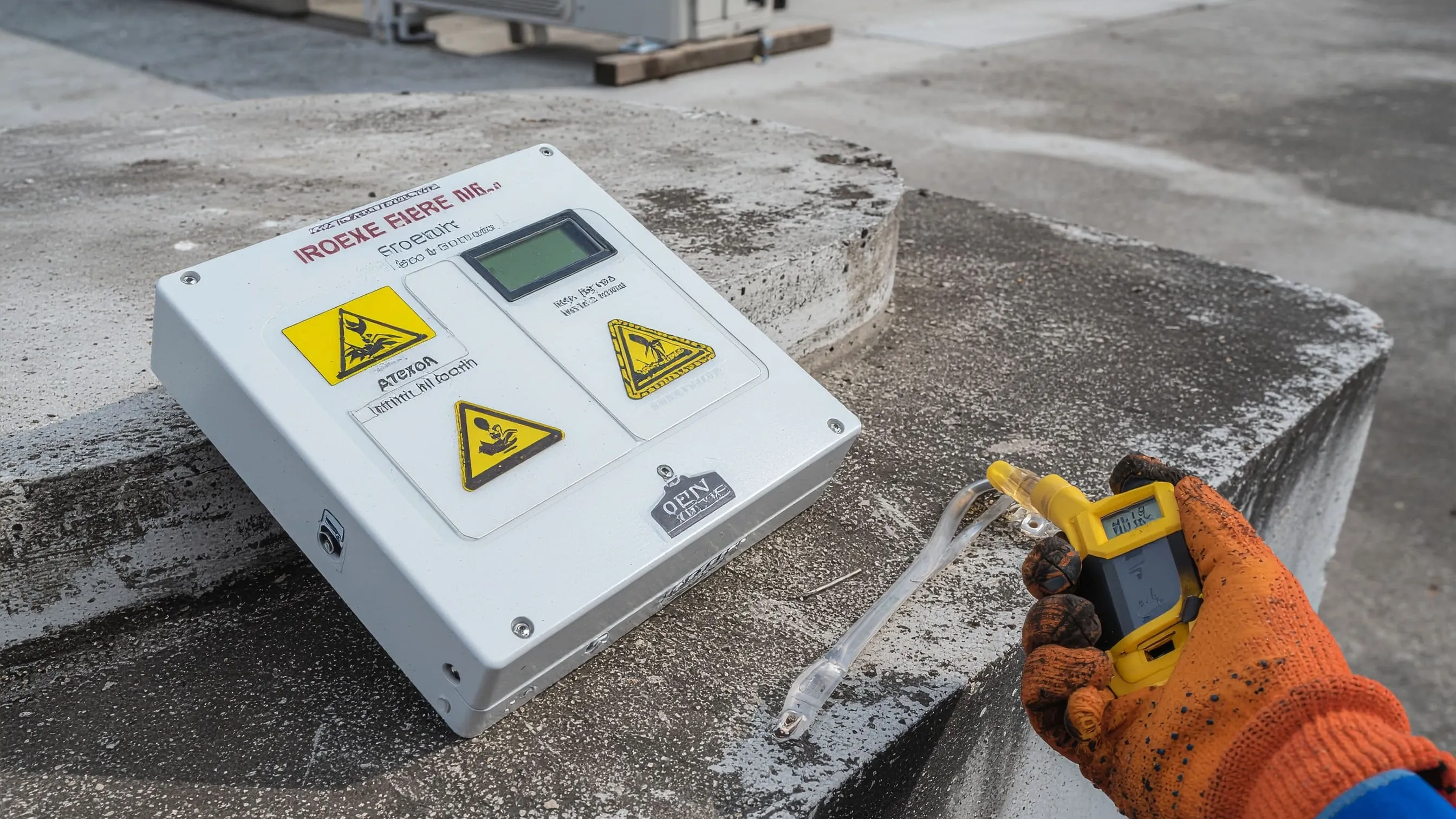
The heating industry is undergoing a massive shift toward natural refrigerants. R290, commonly known as propane, is rapidly becoming the gold standard for modern air source heat pumps due to its incredibly low Global Warming Potential of just three. It offers exceptional heat transfer capabilities and allows systems to reach much higher flow temperatures, making it the perfect candidate for retrofitting older properties with existing radiators. However, servicing an A3 highly flammable refrigerant requires a completely different technical mindset. If you are transitioning from traditional R410a or R32 splits, you must understand that standard electrical procedures will no longer suffice. Stocking the correct R290 heat pump spare parts is not just about restoring heating efficiency; it is about maintaining absolute site safety.
Understanding Hydrocarbon Refrigerant Safety
Propane operates efficiently at lower pressures than older synthetic gases, but the trade-off is its extreme flammability. You must respect hydrocarbon refrigerant safety on every single site visit. Propane is significantly heavier than air. When a leak occurs within the outdoor unit casing, the gas pools at the lowest possible point rather than dissipating upwards into the atmosphere. This creates a highly volatile, invisible puddle of explosive vapour waiting for an ignition source.
If you attempt to use standard power tools, unsealed vacuum pumps, or traditional leak detectors near a suspected fault, you are risking a catastrophic flash fire. Heating and Plumbing World supplies the specific, intrinsically safe diagnostic equipment required to navigate these environments securely.
Last November, an untrained plumber tried to recover an R290 charge using a standard R410a recovery machine in a tight domestic courtyard. The internal sparking of the standard recovery motor ignited the vented gas immediately. Thankfully, the engineer escaped with only singed eyebrows, but the expensive outdoor unit was completely destroyed. You cannot cut corners with hydrocarbon refrigerant safety.
Every engineer must carry dedicated combustible gas detectors and ensure the immediate area is strictly isolated before removing a single panel. Proper hydrocarbon refrigerant safety dictates that you must continuously monitor the lower flammability limit in the ambient air while you work. Do not guess. Check the atmosphere.
The Importance of ATEX Rated Components
Because of the extreme flammability risk, any electrical component housed near the compressor or refrigerant lines must be certified as intrinsically safe. Standard contactors, mechanical switches, and relays create microscopic electrical arcs every time they switch states. In a traditional system, this arcing is entirely harmless. In a propane system, that tiny arc is a lethal ignition source. Therefore, you must use ATEX rated components exclusively.
Using non-rated electrical parts near a propane circuit is like lighting a match to check the fuel level in your diesel transit van. It is an absolute recipe for disaster. Genuine ATEX rated components prevent internal sparking from interacting with the surrounding atmosphere, keeping the flammable gas completely isolated from the electrical switching mechanisms.
Leading manufacturers producing a modern R290 heat pump system engineer their outdoor monoblocs with physically separated chambers. The highly sensitive electrical components live in a positively pressurised or completely sealed compartment, away from the refrigeration pipework.
Replacing a blown contactor means sourcing specific intrinsically safe heating controls that will not ignite a lingering vapour cloud. If you cannot source the exact certified replacement part, you must leave the system safely isolated until the correct component arrives. Never substitute ATEX rated components with generic van stock.
Managing the Inverter Drive Module
The inverter drive module is the expensive electronic brain that controls the rotational speed of the compressor. In R290 systems, this module works incredibly hard to manage the highly specific pressure and temperature dynamics of propane. It constantly calculates the optimal frequency required to satisfy the indoor heating demand without over-pressurising the condenser coil.
If a power surge or a severe lightning strike destroys this board, sourcing exact R290 heat pump spare parts requires meticulous attention to the manufacturer data plate. Generic boards simply do not carry the necessary safety logic to shut down the system safely in the event of a sudden pressure drop or a suspected leak.
When the inverter drive module commands the compressor to ramp up, it simultaneously sends a PWM signal to the wet side of the system. This ensures the primary circulation pump increases water flow across the plate heat exchanger simultaneously, transferring the thermal energy away from the propane circuit efficiently.
Replacing an inverter drive module requires you to apply fresh thermal paste to the rear heatsink to prevent the new board from cooking itself. Failing to dissipate heat from the new module guarantees another expensive failure within a matter of months. Ensure your diagnostic tests verify both the incoming mains voltage and the outgoing DC voltage before condemning the expensive electronic components.
Sourcing Sealed System Repair Parts
Most modern R290 units are monoblocs, meaning the entire flammable refrigeration circuit is built, tested, and hermetically sealed at the factory. The installer only pipes standard hot water from the outdoor unit into the property. While this keeps the explosive gas safely outside the home, conducting a sealed system repair on propane pipework requires specialist techniques.
You cannot simply braze a copper pipe with a standard oxy-acetylene torch without flushing the lines meticulously with oxygen-free nitrogen first. Every sealed system repair demands the use of Lokring crimp fittings or highly specialized flameless joining tools to eliminate open flames from the working environment entirely.
On the primary water side, ensuring your heating pipe systems are incredibly robust protects the outdoor unit from circulating debris. If sludge blocks the plate heat exchanger, the propane circuit will immediately trip on a high-pressure fault, forcing the compressor to shut down abruptly. Genuine R290 heat pump spare parts guarantee that the replacement sensors will read these pressure spikes accurately.
Fitting a correctly sized expansion vessel prevents hydraulic shock from travelling back into the monobloc heat exchanger. A ruptured plate heat exchanger mixed with highly pressurised propane is a catastrophic failure that usually results in an entire unit replacement. Tackling a sealed system repair without addressing the underlying water quality issues is completely pointless.
Best Practices for Stocking the Van
A successful first-time fix rate depends entirely on the inventory sitting in the back of your van. Categorising your R290 heat pump spare parts logically ensures you are never caught out on a freezing Friday evening. You must carry certified leak detectors, anti-static clothing, and proper grounding straps alongside your standard multimeters.
Keeping a solid supply of high-quality push fit plumbing fittings means you can fix the wet side of the system immediately without leaving the site. The wet side is where ninety percent of your breakdown calls will originate anyway.
You must follow strict hydrocarbon refrigerant safety guidelines when storing any recovered propane cylinders in your vehicle. They must be secured upright in a highly ventilated cage, completely isolated from any potential spark sources or heavy tools that could puncture the valves.
Never hoard old, uncertified electrical components just to save a few pounds. When working with explosive gases, the margin for error is absolutely zero. Protect your clients, protect your licence, and protect your life by stocking only the correct, certified components.
Conclusion
The transition to natural refrigerants requires heating engineers to elevate their diagnostic skills and embrace incredibly strict safety protocols. Using quality R290 heat pump spare parts ensures your installations remain robust, highly efficient, and intrinsically safe for the homeowner. Always verify your electrical replacements match the exact ATEX ratings, invest in the correct flameless tooling, and never compromise on ventilation protocols. If you encounter an unusual fault code on a propane system or need help identifying a specific intrinsic safety relay, please contact our technical team for dedicated expert support today.