

Fernox Leak Sealer: When and How to Use It
Central heating systems develop leaks. It's not a question of if, but when. Spotting a slow drip behind a radiator or tracing a pressure drop to a pinhole in buried pipework can turn a straightforward maintenance call into a disruptive, expensive excavation job. That's where Fernox leak sealer enters the picture: a chemical solution designed to seal minor leaks from within the system, without draining down or ripping up floors.
But here's the reality check. Leak sealers aren't miracle workers. They won't fix a corroded 22mm pipe split or a cracked heat exchanger. Used correctly, though, they can buy you time, avoid unnecessary disruption, and keep a system running whilst you plan a proper repair. Used incorrectly, they can clog pumps, foul boiler heat exchangers, and leave you with a bigger mess than you started with.
This guide cuts through the marketing claims and explains exactly when Fernox leak sealer works, when it doesn't, and how to apply it properly so you don't create more problems than you solve. If you're a heating engineer dealing with slow pressure loss or a facilities manager trying to avoid shutting down a commercial system mid-winter, this is what you need to know. Heating and Plumbing World supplies professional heating system maintenance products for reliable installations.
What Fernox Leak Sealer Actually Does
Fernox leak sealer is a polymer-based sealant formulation that circulates through your heating system and reacts with oxygen at the leak point. When system water escapes through a small hole or crack, the sealer particles bond together and form a solid plug, stopping further water loss. Think of it like blood clotting. The leak itself triggers the seal.
The product is designed to target weeping joints, pinhole leak sealing applications, and hairline cracks in radiators, pipework, and fittings. It works best on leaks that are slow and stable. Drips rather than gushes. The sealer needs time to circulate, locate the leak, and cure, which is why it's ineffective on anything larger than a pinhole or on leaks where water pressure forces the sealer out faster than it can set.
Fernox leak sealer is compatible with all metals commonly found in heating systems, including copper, steel, and aluminium. It's safe to use in systems with Grundfos pumps or other high-efficiency circulators, provided you follow the dosage instructions and don't overdose the system.
What It Won't Fix
Let's be clear about the limitations. Fernox leak sealer won't seal:
- Large leaks or splits: Anything bigger than a pinhole will blow out the sealer before it cures.
- Cracked heat exchangers: Boiler manufacturers explicitly warn against using sealers in systems with heat exchanger faults, as they can mask the problem and cause dangerous flue gas leaks.
- Active gushing leaks: If water's pouring out, the sealer won't have time to bond.
- Leaks in pumps or valves: Sealers can gum up moving parts and cause mechanical failures.
If you've got a leak you can see and access easily, fix it properly. Leak sealer is for the leaks you can't find or can't reach without major disruption.
When to Use Fernox Leak Sealer
Leak sealer isn't a first-choice repair. It's a tactical tool for specific situations. Here's when it makes sense.
Slow Pressure Loss with No Visible Leak
You've topped up the system three times this month. The pressure gauge creeps down over a few days, but there's no puddle, no staining, and no obvious drip. The leak's probably buried in a screed or behind a stud wall. Digging it out means lifting floors or opening walls.
This is where Fernox leak sealer earns its keep. Dose the system, run it for a few days, and monitor the pressure. If the leak's small enough, the sealer will plug it and you've avoided a destructive investigation.
Temporary Fix Whilst Planning a Proper Repair
You've found a weeping radiator valve or a corroded pipe section, but the client can't afford downtime right now. Maybe it's mid-winter, or they're waiting for parts. Fernox leak sealer can hold the system together for weeks or even months whilst you schedule the permanent fix.
A community centre installation presented exactly this challenge. The heating circuit developed a slow leak buried under a newly tiled floor. The client couldn't shut down the heating or rip up the tiles until the summer break. The system was dosed with Fernox leak sealer in November, and it held until June when the proper repair could be completed without disrupting operations.
Older Systems with Multiple Minor Leaks
Heritage properties and older commercial buildings often have heating systems with dozens of small weeps across radiators, valves, and pipework. Fixing every single one isn't practical or cost-effective. A dose of leak sealer can stabilise the system and extend its working life until a full replacement is feasible.
When You Can't Isolate the Leak
Some systems are a maze of buried pipework with no isolation valves. Tracing a leak in a multi-zone commercial system can take days. If the leak's minor and the system's still functional, dosing with Fernox leak sealer is a pragmatic call.
How to Apply Fernox Leak Sealer Correctly
Using leak sealer isn't complicated, but doing it right matters. Here's the step-by-step process that actually works.
Step 1: Diagnose the Leak Properly
Before you reach for the bottle, confirm you've actually got a leak and not another issue through proper pressure loss diagnosis. Pressure loss can also be caused by:
- Faulty expansion vessel: Check the precharge pressure on Altecnic's valve solutions. If it's dropped, the vessel isn't absorbing expansion properly and you'll get pressure swings.
- Leaking pressure relief valve: If the PRV's weeping, you'll see discharge at the tundish.
- Air in the system: Trapped air can mimic pressure loss. Vent radiators and check for gurgling.
If you've ruled out those, and the pressure drops steadily over days, you've got a leak.
Step 2: Check System Compatibility
Fernox leak sealer is safe for most systems, but double-check:
- Boiler type: Combination boilers, system boilers, and heat-only boilers are all fine. Don't use it if you suspect a heat exchanger fault.
- System volume: Fernox leak sealer dosage follows system volume dosage calculations. A typical bottle treats up to 100 litres. For larger systems, you'll need multiple bottles.
- Existing inhibitor: Fernox leak sealer works alongside Fernox F1 Protector or other corrosion inhibitors. Don't drain the system first. Add it to the existing water.
Step 3: Dose the System
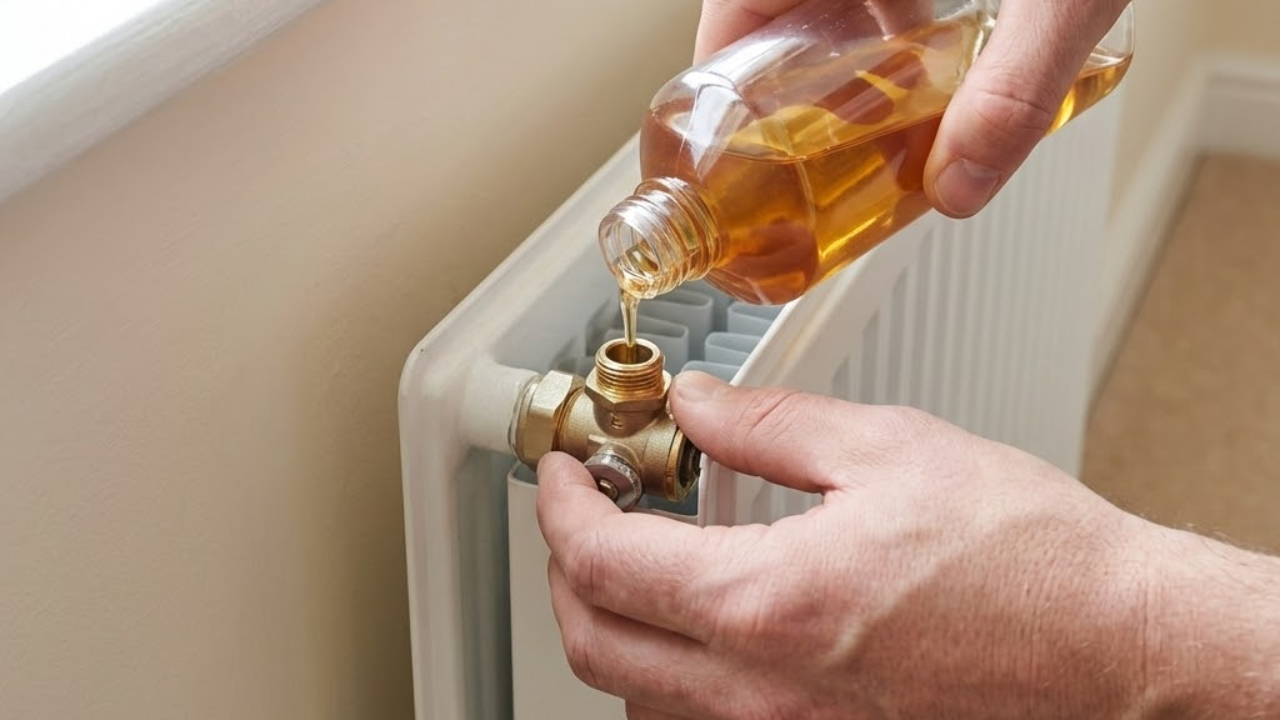
You can add Fernox leak sealer through a radiator bleed point, a drain valve, or a dosing pot. Here's how:
- Turn off the boiler and let the system cool slightly (you don't want scalding water spraying back).
- Locate a suitable dosing point, usually a radiator bleed valve on the return side of the system.
- Attach a dosing bottle or funnel and slowly pour in the sealer. If you're using a dosing pot, inject it directly into the system.
- Top up the system pressure to the recommended level (usually 1.0-1.5 bar for domestic systems).
- Bleed all radiators to remove air introduced during dosing.
Step 4: Circulate and Monitor
Once dosed, the sealer needs time to work. Here's the critical bit:
- Run the system at full temperature for at least 24 hours. The sealer circulates with the water and needs heat to activate.
- Check the pressure daily for the first week. If it stabilises, the sealer's worked. If it keeps dropping, the leak's too big or you've got multiple leaks.
- Vent radiators again after 24 hours. Sometimes dosing introduces more air.
Don't expect instant results. Fernox leak sealer can take 3-7 days to fully cure, depending on the leak size and system temperature.
Step 5: Confirm the Seal
After a week, check the pressure gauge. If it's holding steady, the leak's sealed. If it's still dropping, you've got three options:
- Add a second dose (if you're within the maximum dosage for your system volume).
- Accept the leak's too big and plan a proper repair.
- Investigate further. You might have multiple leaks or a hidden issue.
Common Mistakes (And How to Avoid Them)
Leak sealer gets a bad reputation when it's misused. Here are the mistakes that cause problems.
Overdosing the System
More isn't better. Overdosing can clog pump impellers, foul heat exchangers, and leave sludge in radiators. Stick to the manufacturer's dosage: one 400ml bottle per 100 litres of system volume. If you don't know the system volume, calculate it roughly:
- Radiators: Approximately 10 litres per single radiator, 15 litres per double.
- Pipework: Approximately 0.5 litres per metre of 15mm pipe, 1 litre per metre of 22mm.
- Boiler and cylinder: Add another 20-30 litres for a typical domestic system.
Using It on Large Leaks
If you can see water dripping steadily, leak sealer won't work. Fix it properly. Trying to seal a visible leak is a waste of product and delays the inevitable repair.
Not Venting the System
Air locks after dosing can stop circulation and prevent the sealer reaching the leak. Always vent radiators after adding the product.
Using It as a Long-Term Fix
Fernox leak sealer is a stopgap, not a permanent repair. It's designed to hold the system together whilst you plan a proper fix. Don't rely on it indefinitely. Eventually, the sealed leak or another weak point will fail.
Does Fernox Leak Sealer Work in Commercial Systems?
Yes, but with caveats. Commercial systems are larger, more complex, and often run at higher pressures. Fernox leak sealer can stabilise minor leaks in commercial pipework, but you'll need to:
- Scale the dosage correctly. Large systems may need multiple bottles.
- Ensure good circulation. Commercial systems with multiple zones and pumps need the sealer to reach every circuit. Check that Grundfos or other circulators are running properly.
- Monitor closely. Commercial systems can't afford downtime, so confirm the seal quickly and have a backup plan.
For high-rise buildings or systems with pressurisation units, consult the system designer before dosing. Some systems have specific water treatment requirements that conflict with leak sealers.
Alternatives to Fernox Leak Sealer
Fernox isn't the only option. Other leak sealers on the market include Sentinel Seal, Adey MC3+, and generic polymer-based products. They all work on the same principle: polymer particles that bond at the leak point.
The key differences are:
- Particle size: Smaller particles can seal tighter leaks but risk clogging fine filters and heat exchangers.
- Curing time: Some products cure faster, others need more circulation time.
- Compatibility: Always check compatibility with your boiler and system metals.
Fernox is widely trusted in the UK trade because it's been around for decades and has a proven track record. If you're using an alternative, follow the same application principles: dose correctly, circulate thoroughly, and monitor the results.
When to Call It and Fix the Leak Properly
Leak sealer isn't a substitute for proper repairs. If the pressure keeps dropping after dosing, or you've got a visible leak, it's time to stop messing about and fix it.
Here's when to abandon the sealer and get the spanners out:
- Pressure drops more than 0.5 bar in 24 hours after dosing.
- You've already used two doses with no improvement.
- The leak's visible and accessible. Just fix it.
- The boiler's throwing fault codes or you suspect a heat exchanger issue.
For complex leak investigations, consider a professional leak detection service. Thermal imaging and acoustic testing can pinpoint buried leaks without destructive investigation.
Conclusion
Fernox leak sealer works when used correctly for the right type of leak. It's not a magic bullet, and it won't fix a bodged installation or a corroded system, but it can save you time, money, and disruption when you've got a slow, inaccessible leak that's otherwise manageable.
The key is knowing when to use it and when to walk away. If you've got a stable, minor leak that's buried or hard to reach, dose the system and monitor the results. If the leak's large, visible, or getting worse, stop wasting time and fix it properly.
For more advice on system maintenance and the right products for your heating setup, explore our extensive catalogue, or get expert advice for technical support on your specific system.