

Fixing Low Water Pressure in Kitchen Taps
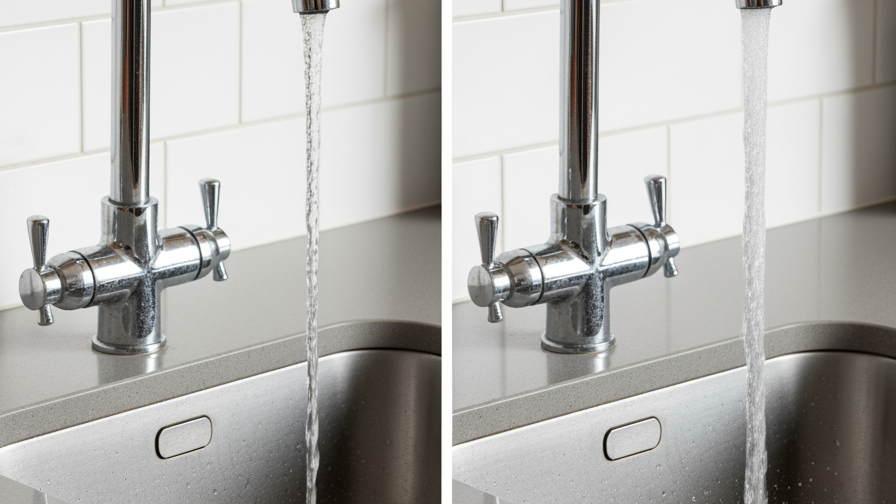
Low water pressure in kitchen taps can turn simple tasks like washing dishes, rinsing vegetables, or filling pots into frustrating ordeals. When water trickles from the tap instead of flowing freely, daily kitchen activities take longer and become less efficient. Heating and Plumbing World understands these challenges and provides expert guidance on diagnosing and resolving pressure issues in kitchen plumbing systems.
This comprehensive guide explores common causes of reduced flow, practical DIY solutions, and when professional intervention becomes necessary. Whether the issue stems from a blocked aerator, faulty valves, or system-wide pressure problems, understanding the root cause enables effective fixes that restore proper water flow.
Understanding Low Water Pressure in Kitchen Taps
What Causes Low-Pressure Issues
Several factors contribute to diminished water flow in kitchen taps. Aerator blockages represent the most common culprit, as mineral deposits from hard water accumulate over time and restrict flow through the small mesh screen. Limescale buildup proves particularly problematic in areas with high calcium and magnesium content in the water supply.
Valve problems present another frequent cause. Under-sink isolation valves may be partially closed, either accidentally or through gradual movement over time. These valves control water supply to individual taps, and even a slight closure significantly reduces pressure. Supply line restrictions develop when internal pipe diameters narrow due to corrosion, sediment accumulation, or manufacturing defects in older plumbing installations.
Pressure regulator failures affect entire properties rather than individual taps. When the main pressure regulator malfunctions, it may reduce incoming water pressure below optimal levels, impacting all fixtures, including kitchen taps. Pressure relief valves throughout the plumbing system also play crucial roles in maintaining proper pressure balance.
How to Identify the Source
Systematic diagnosis determines whether fixing low water pressure requires simple maintenance or professional assessment. Begin by testing other taps throughout the property. If only the kitchen tap exhibits low pressure, the issue likely resides in that specific fixture or its immediate supply lines. Conversely, when multiple taps show reduced flow, the problem stems from the main supply system.
Check both hot and cold water pressure separately. Weak hot water pressure alone suggests issues with the boiler, hot water cylinder, or related heating components. Cold water pressure problems indicate supply line issues, valve restrictions, or main system defects. This distinction narrows diagnostic focus and prevents unnecessary work on unaffected systems.
Inspect visible components beneath the sink. Look for partially closed isolation valves, kinked flexible supply hoses, or signs of corrosion on pipe fittings. These visual checks often reveal obvious problems that simple adjustments can resolve without requiring tools or technical knowledge.
Simple DIY Fixes for Low Water Pressure
Cleaning the Tap Aerator
The aerator cleaning process represents the easiest first step when fixing low water pressure in kitchen taps. This small component screws onto the tap spout and contains a fine mesh screen that mixes air with water for smooth flow whilst reducing splash. However, mineral deposits quickly clog these screens, dramatically reducing pressure.
Unscrew the aerator by hand or use an adjustable spanner with a cloth wrap to prevent scratching the chrome finish. Most aerators feature standard thread patterns and remove anticlockwise. Once removed, disassemble the component carefully, noting the order of internal parts, including the screen, flow restrictor, and rubber washers.
Soak all metal components in white vinegar for 30-60 minutes to dissolve limescale buildup. For stubborn deposits, use an old toothbrush to scrub the mesh screen gently. Rinse thoroughly with clean water before reassembling in the correct order and screwing back onto the tap. This simple maintenance task often restores full pressure immediately and should be performed quarterly in hard water areas.
Checking and Adjusting Isolation Valves
Under-sink isolation valves require periodic inspection to ensure proper positioning. These valves feature handles that turn perpendicular to the pipe when closed and parallel when fully open. Gradual movement or accidental bumping during under-sink storage access can partially close these valves without an obvious indication.
Turn each isolation valve fully anticlockwise to ensure complete opening. The valve should rotate smoothly without excessive force. If resistance occurs or the valve feels stiff, internal corrosion may have developed, requiring valve replacement. Modern quarter-turn valves prove more reliable than traditional multi-turn types and reduce the likelihood of partial closure.
Test water pressure after confirming full valve opening. If pressure improves but remains suboptimal, proceed to additional diagnostic steps. Keep the area beneath the sink accessible and avoid storing items that could accidentally contact valve handles during retrieval.
Clearing Supply Line Blockages
Supply line sediment accumulation develops gradually, particularly in older properties with galvanised steel pipes. Rust particles, mineral deposits, and construction debris can restrict internal pipe diameters, reducing flow rates even when taps and valves function properly.
Flush supply lines by closing the main water valve, opening all taps to drain the system, then opening the main valve whilst keeping taps open. This process forces accumulated sediment through the system and out through open fixtures. Collect expelled water in buckets to avoid a mess, and expect discoloured water initially as deposits clear.
For persistent blockages, consider installing inline filters on supply lines beneath the kitchen sink. These filters capture sediment before it reaches tap components, protecting aerators and internal cartridges from premature clogging. Replace filter cartridges according to manufacturer specifications to maintain optimal flow rates.
Advanced Solutions and Equipment
Installing a Kitchen Faucet Pressure Booster
When standard fixes prove insufficient, a kitchen faucet pressure booster provides mechanical assistance to increase flow rates. These compact pumps install directly on supply lines beneath the sink and actively boost water pressure to the tap without affecting other fixtures.
Modern pressure boosters feature adjustable settings, allowing customisation of output pressure to suit specific needs. Units typically increase pressure by 40-60 PSI, transforming weak trickles into robust flows suitable for efficient kitchen work. Electric models require access to a power socket beneath the sink, whilst some battery-operated versions offer installation flexibility.
Consider water usage patterns before selecting a kitchen faucet pressure booster. Units with flow sensors activate automatically when taps open and shut off when closed, conserving energy and extending component lifespan. Professional installation ensures proper integration with existing plumbing and prevents potential leaks from incorrect fitting connections.
Pressure Regulator Adjustments
Whole-house pressure regulators control incoming water pressure from the main supply, preventing excessive force that could damage household plumbing. These devices install on the main supply line where it enters the property and feature adjustable settings typically ranging from 40-80 PSI.
Locate the pressure regulator near the water meter or where the main supply enters the building. The adjustment screw usually sits atop the regulator body beneath a protective cap. Turn the screw clockwise to increase pressure or anticlockwise to decrease it, making small quarter-turn adjustments and testing results before further changes.
Excessive pressure increases can strain plumbing components, particularly older pipes and joint connections. Ideal household water pressure ranges between 50 and 60 PSI for optimal appliance operation without undue stress on the system. If adjustments fail to improve pressure or the regulator shows signs of corrosion, professional replacement becomes necessary to restore proper function.
Upgrading Old Plumbing Components
Corroded pipes represent a common issue in properties with original plumbing installations over 30 years old. Internal rust buildup and deteriorating pipe walls progressively restrict water flow, requiring complete replacement rather than temporary fixes. Copper and plastic supply lines prove more durable than outdated galvanised steel alternatives.
Modern tap cartridges offer improved flow characteristics compared to older washer-based designs. Ceramic disc cartridges provide smooth operation, resist limescale buildup better than rubber components, and maintain consistent pressure throughout their service life. Upgrading to quality cartridges improves reliability whilst ensuring optimal water flow.
Supply line improvements include replacing rigid pipes with flexible braided hoses that accommodate minor movement and prevent stress on connections. These hoses feature built-in flow characteristics that maintain pressure whilst providing installation convenience. Ensure proper sizing matches tap inlet dimensions to avoid flow restrictions from diameter mismatches.
When Low Pressure Affects the Whole Home
Main Supply Issues
Water meter valve positions significantly impact household water pressure. The main shut-off valve near the meter may sit partially closed following previous maintenance work or gradual movement over time. This valve requires full opening to allow maximum supply pressure into the property's internal plumbing system.
Supply pipe problems between the water main and property connection can develop through ground movement, tree root intrusion, or pipe deterioration. These issues require professional assessment and often necessitate excavation for proper diagnosis and repair. Symptoms include pressure loss affecting all fixtures simultaneously and sometimes discoloured water during initial flow.
Council water pressure standards establish minimum supply requirements, but actual delivered pressure varies based on property elevation, distance from pumping stations, and local demand patterns. Contact the local water authority if consistently low pressure affects the entire property, as supply infrastructure problems may require utility company intervention rather than internal plumbing modifications.
Boiler and Heating System Factors
Central heating boilers influence hot water pressure in properties with combination systems or thermal stores. Combi boilers heat water on demand and their internal pressure directly affects output flow rates to taps. Insufficient boiler pressure reduces hot water flow whilst cold water maintains normal pressure, identifying the issue clearly.
Expansion vessels within heating systems maintain proper pressure balance by accommodating water volume changes during heating cycles. Failed expansion vessels lose their air charge, causing pressure fluctuations that affect hot water delivery. Regular pressure checks and vessel servicing prevent these problems from developing into complete system failures.
Pressure relief valve issues compound pressure problems when valves stick in partially open positions. This condition allows continuous water discharge from the system, preventing pressure buildup necessary for proper tap flow. Inspect relief valves for dripping or continuous discharge, replacing faulty units promptly to restore system integrity and pressure stability.
Preventing Future Low-Pressure Problems
Regular Maintenance Tasks
Quarterly aerator cleaning prevents gradual pressure reduction from mineral accumulation. Mark calendar reminders to maintain this simple task, particularly in hard water areas where limescale forms rapidly. Keep spare aerators available for quick replacement when cleaning schedules slip or components suffer damage during maintenance.
Annual valve inspections ensure isolation valves remain fully operational and properly positioned. Operate each valve through its full range of motion to prevent seizing and verify smooth operation. Apply silicone-based lubricant to valve stems if stiffness develops, avoiding oil-based products that degrade rubber seals and cause premature failures.
Water quality monitoring identifies emerging problems before they cause significant pressure loss. Observe water colour, clarity, and odour when using kitchen taps. Discolouration or sediment particles indicate supply line corrosion requiring attention before internal pipe diameters narrow excessively. Professional water testing services analyse mineral content and corrosion indicators for a comprehensive assessment.
Water Softener Benefits
Water softening systems remove calcium and magnesium ions that cause limescale deposits throughout plumbing systems. Reduced mineral content means less frequent aerator cleaning, extended component lifespan, and maintained water pressure over time. Softeners prove particularly valuable in areas with very hard water where scaling occurs rapidly.
Installing softeners on the main supply line treats all household water, protecting kitchen taps alongside other fixtures, appliances, and the heating system. Modern salt-based softeners regenerate automatically based on water usage patterns, maintaining consistent treatment without manual intervention. Alternative salt-free conditioners prevent scale formation without removing minerals, offering maintenance-free operation.
Long-term pressure maintenance results from preventing rather than reacting to scale buildup. Properties with water softeners experience fewer pressure-related issues, reduced plumbing maintenance costs, and extended fixture lifespans. The investment typically recovers through decreased repair needs and improved appliance efficiency over time.
Conclusion
Fixing low water pressure in kitchen taps requires systematic diagnosis to identify whether simple maintenance, equipment upgrades, or professional intervention provides the most effective solution. Most pressure issues stem from accessible causes, including clogged aerators, partially closed valves, or supply line sediment that homeowners can address with basic tools and minimal technical knowledge.
When simple fixes prove insufficient, advanced solutions, including kitchen faucet pressure booster installations and pressure regulator adjustments, restore optimal flow rates. Properties experiencing whole-house pressure problems benefit from professional assessment of main supply systems, heating components, and infrastructure issues beyond DIY capabilities.
Regular maintenance prevents pressure loss from developing gradually over time. Quarterly aerator cleaning, annual valve inspections, and water quality monitoring preserve optimal flow whilst extending plumbing system lifespan and reducing repair costs.
For persistent pressure problems or complex system issues, contact us for professional diagnosis and repair services that restore proper water pressure throughout the property.