

Flame Sensors and Ionisation Probes: Flame Detection Systems
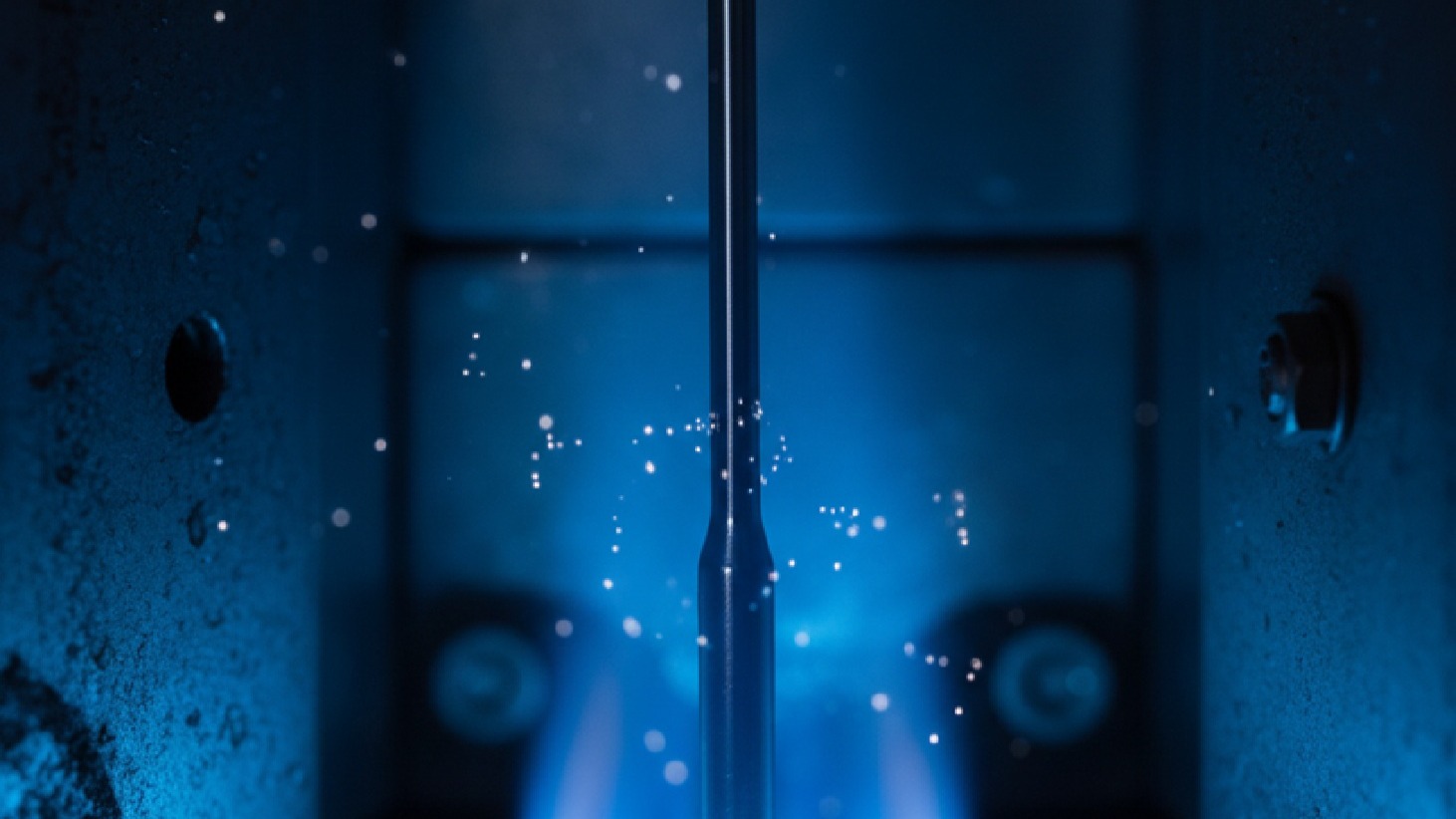
Your boiler fires up each morning, quietly doing its job. But have you ever wondered what stops it from pumping gas into your home when the flame goes out? That's the job of flame sensors and ionisation probes, two small components that act as your boiler's safety guards, working around the clock to prevent dangerous situations.
These devices might be tiny, but they're absolutely critical. When a flame sensor fails, your boiler either won't start at all or shut down unexpectedly. Understanding how these components work helps you recognise problems early and keep your heating system running safely.
What Flame Sensors Actually Do
Think of a flame sensor as your boiler's eyes. Its sole purpose is to confirm that when gas flows into the combustion chamber, there's actually a flame burning it. Without this confirmation, the gas valve should shut immediately.
The process happens in milliseconds. When you switch on your heating, the boiler's control board signals the gas valve to open. Simultaneously, it watches the flame sensor for confirmation that ignition has occurred. If the sensor doesn't detect a flame within a few seconds, the control board cuts the gas supply. This prevents unburned gas from accumulating, a potentially explosive situation.
Modern boilers use this system on every heating cycle. Each time your boiler fires up (which might be dozens of times a day), the flame sensor must verify combustion. This constant verification is why sensor reliability matters so much.
The technology behind flame detection has evolved considerably. Older boilers used thermocouples, devices that generate a small voltage when heated by a flame. Today's systems predominantly use ionisation probes, which work on an entirely different principle and respond much faster.
How Ionisation Probes Detect Flames
Ionisation probes operate on a fascinating physical principle. When gas burns, the flame doesn't just produce heat and light; it creates ions. These are electrically charged particles that form naturally during combustion.
The probe itself is usually a thin metal rod positioned directly in the flame path. The boiler's control board applies a small voltage to this rod (typically around 80-240 volts AC). In normal air, this voltage would do nothing. But when a flame surrounds the probe, those ions allow a tiny current to flow, usually measured in microamps.
This current acts as proof of combustion. The control board continuously monitors it. If the current drops below a certain threshold, the board assumes the flame has gone out and shuts the gas valve within a second.
Probe Positioning and Signal Detection
What makes ionisation probes particularly clever is their selectivity. They respond to the specific ionisation patterns of gas flames. This means they won't be fooled by external light sources or other heat in the boiler. The probe must be surrounded by actual combustion to generate the signal the control board expects.
The positioning of the probe matters enormously. It needs to sit in the hottest part of the flame where ionisation is strongest. Even a few millimetres off-target can weaken the signal enough to cause problems. This is why professional installation and adjustment are so important for heating system components.
Common Flame Sensor Problems
Carbon buildup ranks as the most frequent issue. As gas burns, it produces small amounts of carbon residue. Over months or years, this accumulates on the probe's surface, creating an insulating layer that blocks the ionisation current.
The symptoms are distinctive. Your boiler might fire up normally, burn for a few seconds, then shut down. This happens because the initial flame heats the probe enough to generate a weak signal, but as carbon interferes with the current flow, the control board loses confidence and cuts the gas supply. After a few minutes, the boiler tries again, creating a frustrating cycle.
Physical damage is another common culprit. Ionisation probes are delicate, typically just a thin ceramic insulator surrounding a metal rod. During routine maintenance or repairs, they can get knocked, cracked, or bent. Even a small crack in the ceramic insulator can allow the electrical signal to leak away before reaching the control board.
Corrosion and Connection Issues
Corrosion affects older probes, particularly in areas with hard water or high humidity. The metal components can oxidise, increasing electrical resistance and weakening the signal. Quality boiler components from Honeywell typically use corrosion-resistant materials, but nothing lasts forever in the harsh environment inside a combustion chamber.
Connection problems cause headaches, too. The probe connects to the control board via a wire anda terminal. If this connection loosens, corrodes, or develops resistance, the signal can't reach the control board properly. Boilers won't fire reliably simply because a terminal has worked loose over time from thermal expansion and contraction.
The Difference Between Flame Sensors and Ionisation Probes
These terms often get used interchangeably, which creates confusion. Technically, "flame sensor" is the broader category, any device that detects combustion. Ionisation probes are a specific type of flame sensor.
Other flame sensor technologies exist. Thermocouples, still found in older boilers and many gas fires, generate their own voltage when heated. They're completely passive, no external power needed, which makes them extremely reliable. However, they're slower to respond than ionisation probes.
Optical flame sensors use ultraviolet or infrared light detection. These appear mostly in commercial and industrial applications where the scale of the burner makes ionisation probes impractical. They can detect flames from a distance, but they're more expensive and complex.
For domestic boilers, ionisation probes dominate because they offer the best combination of speed, reliability, and cost. When you're discussing boiler flame sensors with a heating engineer or searching for replacement parts, you're almost certainly dealing with an ionisation probe.
Maintaining Your Flame Detection System
Regular inspection catches problems before they cause breakdowns. During an annual boiler service, a competent engineer should always check the flame sensor. This involves removing it, inspecting for damage, and cleaning off any carbon buildup.
Ionisation probe cleaning is straightforward but requires care. Most engineers use fine emery cloth or steel wool to gently polish the probe's surface. The goal is to remove carbon without scratching the metal or damaging the ceramic insulator. Some technicians use specialised cleaning solutions, though mechanical cleaning usually suffices.
After cleaning, the engineer should check the probe's position. It needs to sit in the correct location within the flame, not too deep, not too shallow. Many boilers have adjustment brackets that allow fine-tuning. Getting this position right can be the difference between reliable operation and constant lockouts.
Signal Testing and Verification
Testing the signal strength provides valuable information. Using a microamp metre, engineers can measure the ionisation current whilst the boiler runs. A healthy probe typically generates 2-6 microamps, though specifications vary by manufacturer. Readings below one microamp usually indicate problems, even if the boiler currently works.
The wiring and connections deserve attention, too. Engineers should check that terminals are tight, wires aren't damaged, and connections show no signs of overheating or corrosion. These simple checks prevent the frustrating intermittent faults that are hardest to diagnose.
When to Replace Rather Than Clean
Ionisation probe cleaning works for carbon buildup, but some problems require replacement. Cracks in the ceramic insulator can't be repaired. Even hairline cracks compromise the probe's function by allowing electrical leakage.
Bent or damaged probes need replacing. Attempting to straighten a bent probe risks breaking the ceramic insulator or weakening the metal rod. The cost of a new probe is minimal compared to the risk of improper repairs.
Heavily corroded probes rarely clean up well enough to provide reliable service. If the metal surface is pitted or oxidised extensively, replacement is the better option. You might get a few more weeks from aggressive cleaning, but you're likely to face the same problem soon.
Age matters too. Even without obvious damage, flame sensors eventually wear out. If your probe is over five years old and causing problems, replacement makes more sense than repeated cleaning attempts. This is where sourcing from reputable suppliers becomes important. Quality replacement parts from manufacturers like those available through Halstead spares ensure you're getting components built to the correct specifications.
The Role of Control Boards
The flame sensor doesn't work alone, it's part of a system. The boiler's control board interprets the signal and makes decisions based on what it receives.
Modern control boards are sophisticated. They don't just check for a simple yes/no signal. They analyse the ionisation current's strength and stability. A weak or fluctuating signal might indicate problems developing before they cause complete failure.
Some advanced boards log flame detection data, recording how many attempts were needed to achieve ignition and whether the flame signal ever dropped below safe thresholds. This diagnostic information helps engineers identify intermittent problems that don't occur during service visits.
The control board also manages timing. It knows exactly how long to wait for flame detection after opening the gas valve. This "flame proving time" is usually just a few seconds. If the sensor doesn't confirm ignition within this window, the board locks out the boiler to prevent gas accumulation.
When troubleshooting flame detection problems, engineers must consider both the sensor and the control board. A perfectly good probe will fail to work if the control board isn't supplying the correct voltage. Conversely, a faulty probe will cause lockouts even with a perfect control board. Proper diagnostics require testing both components.
Integration with Other Safety Systems
Flame detection works alongside multiple other safety devices. The gas valve itself contains safety mechanisms. The flue sensor monitors exhaust gases. The pressure switch confirms the fan is running before allowing ignition.
This layered approach to safety means that even if one component fails, others provide backup protection. However, it also means that problems with any single component can prevent the boiler from operating. Understanding this interconnected system helps explain why a tiny flame sensor can bring your entire heating system to a halt.
The relationship between flame detection and ventilation is particularly important. Modern boilers won't attempt ignition until the fan has been running long enough to clear any residual gases from the combustion chamber. Only then does the control board open the gas valve and watch for the flame sensor to confirm ignition.
This sequencing happens automatically, dozens of times daily, without you noticing. It's only when something disrupts this carefully orchestrated process that you become aware of how complex your boiler actually is.
Choosing Quality Components
When replacement becomes necessary, quality matters. Cheap aftermarket flame sensors might fit physically, but use inferior materials or less precise manufacturing. This can lead to unreliable operation, frequent replacements, and potentially unsafe conditions.
Original equipment manufacturer (OEM) parts or high-quality equivalents from established suppliers provide reliability. These components undergo testing to ensure they meet safety standards and perform consistently across their expected lifespan.
The heating industry has recognised manufacturers whose components deliver dependable performance. Brands like Grundfos for pumps and circulation components, and Danfoss for controls and valves, have built reputations on reliability. The same principle applies to flame detection components.
Price shouldn't be the only consideration. A flame sensor costing a few pounds more but lasting years longer represents better value than repeatedly replacing cheap alternatives. Factor in callout charges and the inconvenience of breakdowns, and quality components quickly justify their cost.
Professional Installation and Calibration
Fitting a flame sensor isn't particularly complex mechanically, usually just screwing it into place. However, proper installation requires knowledge and experience. The probe's position within the flame must be correct. The electrical connections must be secure. The boiler's parameters might need adjustment to account for the new component.
This is why professional installation matters. A heating engineer understands the specific requirements of your boiler model. They know where the probe should sit, how to test the ionisation current, and what readings indicate proper operation. They can also identify any related issues that might have contributed to the original failure.
Attempting DIY replacement of boiler flame sensors carries risks. Beyond the obvious safety concerns of working with gas appliances, incorrect installation can create problems worse than the original fault. An improperly positioned probe might allow the boiler to operate unsafely or cause damage to other components.
The broader heating system context matters too. If your flame sensor failed prematurely, something might have caused it. Perhaps combustion isn't optimal, creating excessive carbon. Maybe water is entering the combustion chamber. A professional can investigate these underlying issues rather than just swapping parts.
Long-Term System Reliability
Flame sensors are part of your boiler's overall health. Keeping them working properly contributes to system longevity and efficiency. When combustion monitoring works correctly, the boiler operates in its design parameters, reducing stress on all components.
Regular servicing that includes flame sensor inspection and ionisation probe cleaning prevents most problems. This proactive approach costs less than emergency repairs and keeps your heating reliable when you need it most.
The relationship between proper combustion and system efficiency deserves emphasis. When flame detection works correctly, the boiler can optimise its firing patterns. This improves fuel efficiency, reduces emissions, and extends component life throughout the system.
Modern heating systems from manufacturers available through EPH Controls and similar quality suppliers integrate flame detection with sophisticated control strategies. These systems adjust firing rates, modulate output, and optimise performance based partly on flame sensor feedback. Morco heating components also demonstrate this integration between safety and efficiency.
Understanding Your Boiler's Safety Systems
Flame sensors and ionisation probes perform a critical but often overlooked function in your heating system. These small components verify combustion on every heating cycle, preventing dangerous situations and keeping your home safe and warm.
Understanding how these sensors work helps you recognise problems early. That boiler that keeps trying to fire but won't stay lit? Probably a flame sensor issue. The heating worked fine yesterday, but won't start today? Check the flame detection system.
Regular maintenance keeps flame sensors working properly. Annual servicing that includes inspection, cleaning, and testing prevents most failures and identifies problems before they leave you without heating. When replacement becomes necessary, choosing quality components from reputable suppliers ensures reliable operation for years to come.
The technology might seem complex, but the principle is straightforward: prove the flame exists before allowing gas to flow. This simple concept, executed through precise engineering and reliable components, keeps millions of homes heated safely every day. Your boiler's flame sensor might be small, but its job is absolutely vital.
For quality flame sensors, ionisation probes, and all boiler components that meet manufacturer specifications, Heating and Plumbing World stocks comprehensive ranges from trusted suppliers. Need professional advice on flame detection systems or component replacement? Get in touch with heating specialists who understand combustion safety and proper diagnostic procedures.