

Floor Vent Heating vs Wall-Mounted Radiators
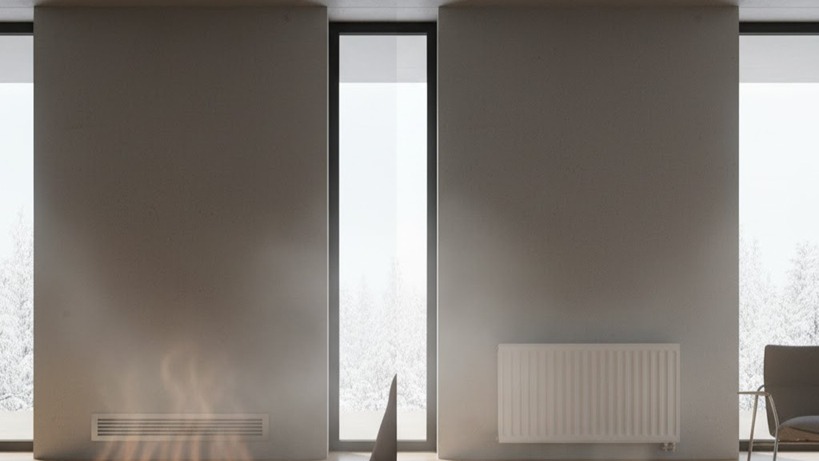
Choosing the right heating system is more than a matter of comfort; it’s a vital design decision that influences aesthetics, functionality and energy efficiency. In this comprehensive guide, we’ll compare Floor Vent Heating and Wall-Mounted Radiators, exploring how each system works, its pros and cons, and which settings suit different home styles. Along the way, we’ll spotlight relevant products and services from Heating & Plumbing World, so you can make an informed choice and enjoy a perfectly heated home.
How Each System Works
Floor Vent Heating
Often found in modern, open-plan homes and commercial settings, Floor Vent Heating (also known as ducted or plenum heating) uses warm air distributed through discreet vents set flush to the floor or skirting. A central air handler or boiler-driven fan unit heats the air, which travels along insulated ducts before emerging through adjustable grilles. Key characteristics include:
- Concealed installation beneath floorboards or within raised access floors
- Rapid heat-up times, as warm air circulates quickly
- Flexible zoning, when paired with adjustable vent dampers
Wall-Mounted Radiators
Wall-mounted radiators remain the most prevalent heating solution in UK homes. They consist of panels or columns fixed to walls and connected to a central-heating circuit. Hot water circulates through the radiator’s metal fins or tubes, emitting heat by convection and radiation. Main features include:
- Wide design range, from slimline panels to decorative column radiators
- Operation at lower flow temperatures (35–45 °C for modern systems)
- Ready compatibility with boilers and renewable heat sources
Benefits and Drawbacks
Floor Vent Heating
Benefits
- Uncluttered Interiors
Floor vents lie flush with the floor, preserving wall space for furniture, artwork or cabinetry. Perfect for minimalist or modern-scandi schemes. - Even Heat Distribution
Warm air flows across the floor and rises gently, reducing cold spots in large, open areas. - Rapid Response
When the system kicks in, air reaches the vents quickly, ideal for when you need to heat a room fast.
Drawbacks
- Installation Complexity
Requires ductwork beneath floors or in ceiling voids, often best installed during major renovations. - Maintenance Needs
Air filters and ductwork must be cleaned periodically to prevent dust buildup and maintain air quality. - Noise
Fans can generate a low hum; the quality of installation and choice of fan unit are critical to minimise sound.
Wall-Mounted Radiators
Benefits
- Simplicity and Reliability
Proven technology with straightforward plumbing connections. Installation is typically faster and less invasive. - Design Versatility
From ultra-slim panels in the Myson range to sculptural column radiators, there’s a style for every interior. - Lower Running Temperatures
Modern radiators perform well at lower water temperatures, pairing efficiently with heat pumps and condensing boilers.
Drawbacks
- Takes Wall Space
Radiators occupy wall real estate, potentially limiting furniture arrangements. - Heat Distribution
Heat is strongest near the radiator; without careful placement and balancing, cold spots can form. - Thermal Inertia
Radiators can be slower to cool down, continuing to emit heat after the thermostat turns off.
Design and Aesthetic Considerations
Concealment and Integration
- Floor Vent Heating allows truly seamless floors, with no visible heat emitters. Heat vents can be colour-matched to the flooring or painted to blend in discreetly.
- Wall-Mounted Radiators can be framed by decorative covers or integrated into joinery. Our bespoke radiator boxing service uses moisture-resistant MDF, complete with laser-cut vents from Polypipe.
Style Matching
- For contemporary lofts or minimalist flats, Floor Vent Heating enhances the open-plan aesthetic.
- In period homes, a traditional column radiator, powder-coated in heritage colours via our Halstead Spares collection, complements skirting boards and cornices.
Accessory Coordination
- Floor Vent Heating benefits from smart grills and adjustable dampers in finishes like brushed stainless (see Honeywell controls for integration).
- Wall-Mounted Radiators pair beautifully with angled or straight thermostatic radiator valves (TRVs) from Danfoss in matching metal finishes.
Performance and Efficiency
Energy Consumption
- Floor Vent Heating blows warm air and can operate at higher supply temperatures (50–60 °C), which may be less efficient unless paired with a high-efficiency system.
- Wall-Mounted Radiators excel at low-temperature operation (35–45 °C), leading to lower running costs with condensing boilers or heat pumps.
Zoning and Control
- Floor Vent Heating relies on dampers in the duct network for zone control, which can be motorised and linked to smart thermostats.
- Wall-Mounted Radiators use individual TRVs on each radiator for precise room-by-room control, perfect for finely tuned comfort in bedrooms, kitchens and living areas.
Response Times
- Floor Vent Heating typically heats a room quickly as blown air fills the space.
- Wall-Mounted Radiators warm up more gradually, but retain heat longer after switching off, offering gentle residual warmth.
Installation and Maintenance
Installing Floor Vent Heating
- Ductwork Layout: Carried out during renovation, beneath a screed or within raised floors.
- Fan/Blower Unit: Sited in a plant room or cupboard; quality brands include those compatible with Grundfos circulators for mixed systems.
- Vents and Controls: Linear or square floor vents, with motorised dampers linked to a central controller, smart-home integration via Honeywell hubs is an option.
Routine maintenance involves filter changes, duct cleaning and occasional fan servicing.
Installing Wall-Mounted Radiators
- Heat-Loss Survey: Determines radiator size and output requirements. Our free on-site survey covers this.
- Wall Brackets and Pipe Connections: Installed by Gas Safe–registered engineers using Altecnic Ltd isolation valves.
- Bleeding and Commissioning: Panels are bled of air, and flow rates are balanced using Danfoss flow valves.
Annual servicing, bleeding, valve checks and cleaning are straightforward and cost-effective.
Choosing the Right Solution for Your Space
Small Flats and Apartments
- Wall-mounted radiators are usually more cost-effective and easier to install in retrofit situations. Slimline models from Myson are ideal.
- Electric Floor Vent Kits (also offered via our electric heating services) can be an alternative if you lack a central heating supply.
Open-Plan Living Areas
- Floor Vent Heating excels at maintaining even temperatures across large, connected rooms with its unobtrusive vents.
- Pair with decorative slimline vertical heaters in Myson for accent zones. View our vertical radiator range for inspiration.
Heritage and Period Properties
- Wall-Mounted Radiators in period-style column designs maintain character. Powder-coat or enamel finishes can be matched to existing paint schemes.
- Floor Vent Heating may require major works incompatible with protected interiors; stick to radiator upgrades and careful pipe concealment.
Hybrid Approaches: Best of Both Worlds
Many homeowners opt for a combination, such as Floor Vent Heating in open-plan zones and Wall-Mounted Radiators in bedrooms or bathrooms. The advantages are:
- Quick heat-up in living areas via ducts
- Low-temperature, efficient radiators in smaller rooms
- Zoning flexibility, with separate controls for each system
Heating & Plumbing World specialises in designing hybrid schemes, coordinating ductwork with our underfloor heating experts and radiator installation teams for a fully integrated solution.
How Heating & Plumbing World Can Assist
Design Consultation and Surveys
Our team provides a free on-site consultation to assess your property, discuss your aesthetic preferences and calculate heat-loss figures, whether you choose Floor Vent Heating or Wall-Mounted Radiators.
Product Supply
- Floor Vent Heating components: quality vents, dampers and compatible fan units.
- Wall-Mounted Radiators: Myson panels, designer vertical radiators and towel rails from Halstead Spares.
- Valves and Controls: TRVs by Danfoss, smart thermostats by Honeywell.
Certified Installation
All work is carried out by Gas Safe–registered, WRAS-approved engineers and, where electrics are involved, by NICEIC-qualified electricians. We ensure:
- Neat duct runs or radiator bracketry
- Pressure testing and system balancing
- Integration with existing boilers, heat pumps or electric supply
Aftercare, Maintenance and Servicing
Maintain peak performance with our annual servicing plans:
- Floor Vent Heating: filter replacements, duct cleans and fan checks.
- Wall-Mounted Radiators: bleeding, valve servicing and panel cleaning.
- Emergency Call-Outs: 24/7 support via our Heating and Plumbing World or contact our team.
Conclusion
Deciding between Floor Vent Heating and Wall-Mounted Radiators comes down to your property’s layout, aesthetic ambitions and budget. Floor vents excel in large, open-plan spaces and deliver truly hidden warmth, while wall-mounted radiators offer design variety, easier installation and efficient low-temperature operation. In many homes, a hybrid approach delivers the best of both worlds.
With expert design advice, premium products and professional installation from Heating & Plumbing World, you can achieve a heating solution that perfectly balances form, function and efficiency. Explore our Heating and Plumbing World to book your free survey and begin transforming your home today.