

Flow Sensors for Combi Boilers: Function and Replacement
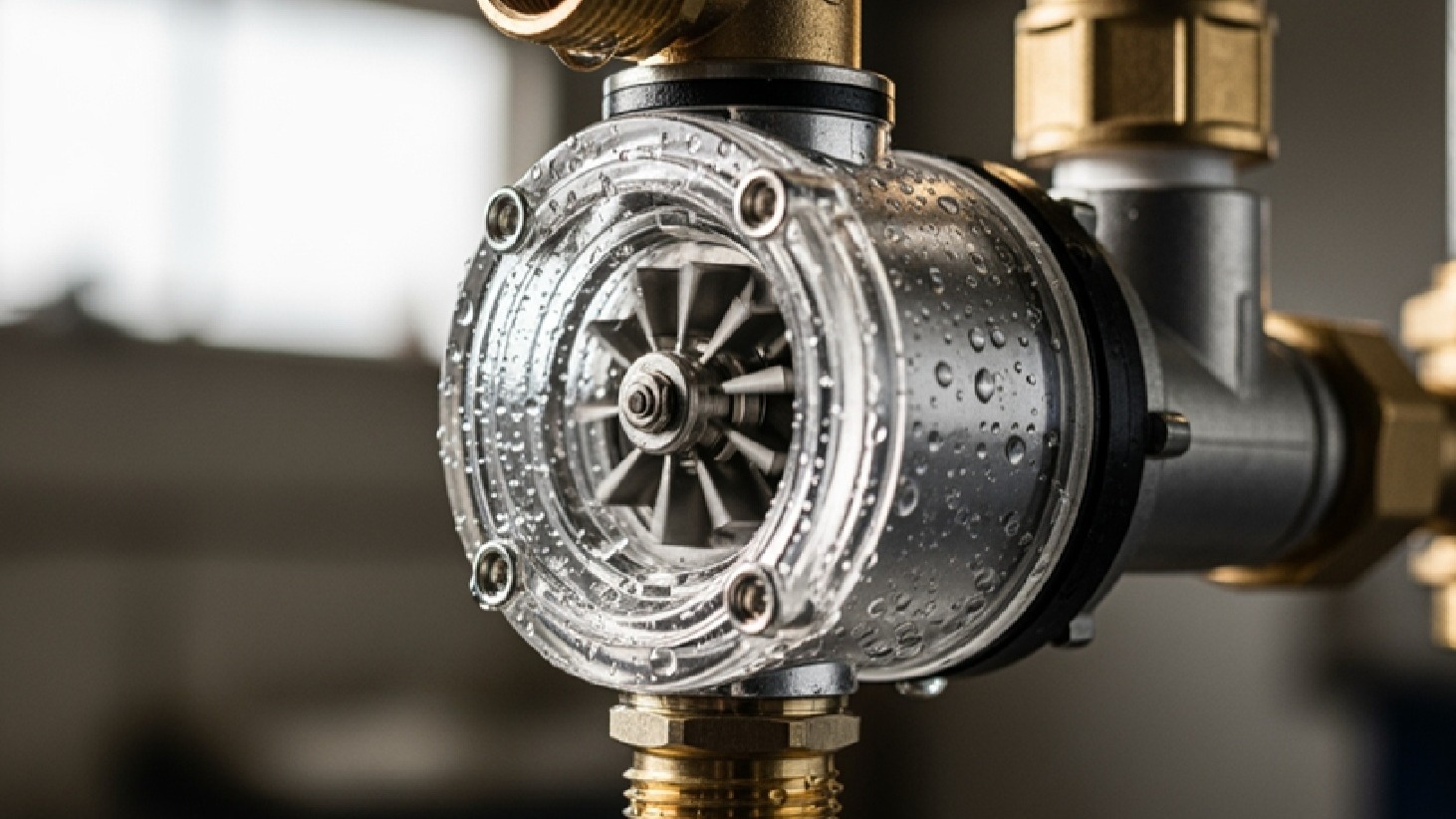
Your combi boiler fires up every time you open a hot tap, delivering instant heat without storing water in a cylinder. That seemingly magical response relies on a small but crucial component: the flow sensor. When this sensor fails, your boiler won't know you've turned on the tap, leaving you with cold water and a boiler that sits idle despite your best efforts to coax it into action.
Hundreds of flow sensors have been replaced across different boiler makes, and the symptoms are remarkably consistent. The tap runs, the boiler stays silent, and homeowners stand there puzzled, wondering why their previously reliable heating system has suddenly stopped responding. Understanding how these sensors work and recognising when they need replacing can save you emergency callout fees and help you make informed decisions about your heating system.
What Flow Sensors Actually Do
A flow sensor sits in your combi boiler's cold water inlet, monitoring the moment you demand hot water. When you turn on a tap or shower, water flows through the boiler, and the sensor detects this movement. It then sends a signal to the printed circuit board (PCB), which fires up the burner to heat the water as it passes through the heat exchanger.
The sensor doesn't measure temperature or pressure. It simply answers one question: is water flowing through the system right now? That binary yes-or-no signal determines whether your boiler springs into action or remains dormant.
Turbine-Style Sensors
Most modern combi boiler flow sensors use turbine-style technology, where the moving water spins a small turbine. This rotation generates electrical pulses that the PCB interprets as flow. The faster the water moves, the more pulses per second the sensor produces. The boiler's control board uses this information not just to detect flow, but to modulate the burner output based on demand.
Differential Pressure Switches
Some older systems use differential pressure switches instead. These mechanical devices detect the pressure difference created by flowing water, physically closing a switch that signals the boiler to fire. Compared to turbine sensors, they're remarkably robust and often outlast their electronic counterparts.
Signs Your Flow Sensor Has Failed
The most obvious symptom appears when you open a hot tap and nothing happens. The boiler doesn't fire, doesn't make any attempt to heat water, and your display shows no error codes. The system seems perfectly content to do absolutely nothing during cold water running through your taps.
Intermittent Operation
Sometimes the failure is more intermittent. The boiler might fire occasionally but not consistently, working fine one moment and failing the next. You might find yourself turning taps on and off repeatedly, trying different flow rates, hoping to hit that sweet spot where the sensor decides to cooperate.
Heating Works, Hot Water Doesn't
Another telltale sign is when your central heating works perfectly but hot water doesn't trigger the boiler. The heating circuit bypasses the flow sensor entirely, using different controls to operate. If your radiators heat up on demand but your taps run cold, the flow sensor sits high on the list of suspects.
Error Codes
Some boilers display specific error codes for flow sensor issues. Honeywell systems, for instance, might show codes indicating no flow detection despite the pump running. Check your boiler's manual for codes related to flow sensing or domestic hot water (DHW) operation.
Water Quality Impact
Water quality plays a significant role in sensor longevity. In hard water areas, limescale builds up inside the sensor housing, restricting the turbine's movement or clogging the pressure ports. Sensors have been opened that looked like they'd been dipped in concrete, with scale deposits completely jamming the moving parts.
How to Test a Flow Sensor
Before replacing a flow sensor, you'll want to confirm it's actually faulty. Start by checking the obvious: is water actually flowing when you open a tap? A blocked filter or closed isolation valve will prevent flow, making a perfectly good sensor appear dead.
Physical Inspection
Remove the sensor from the boiler (turn off the water supply first and depressurise the system). Inspect the turbine for visible scale buildup or debris. Try spinning it gently with your finger. It should rotate freely with minimal resistance. If it's stiff or won't turn at all, scale or debris is likely the culprit.
Electrical Testing
With a multimeter, you can check the sensor's electrical output. Most turbine sensors have two wires and produce a pulsing voltage when the turbine spins. Blow through the sensor while measuring across the terminals. You should see voltage pulses as the turbine rotates. No pulses mean the sensor's electronics have failed, even if the turbine spins freely.
Pressure Switch Testing
For pressure differential switches, the test is simpler but requires careful observation. These switches have two ports and should close (show continuity) when you create a pressure difference between them. Blow into one port while blocking the other and check for continuity across the switch terminals.
Connection Checks
Sometimes the sensor is fine, but the wiring has corroded or come loose. Check the connector for water ingress, corrosion, or loose pins. Countless "faulty" sensors simply needed their connections cleaned and reseated.
Choosing the Right Replacement Sensor
Flow sensors aren't universal. Each boiler manufacturer designs their system around specific sensor specifications, and using the wrong part will cause problems even if it physically fits.
Start with your boiler's model number, usually found on a data plate inside the casing or on the front panel. Use this to order the exact part specified by the manufacturer. Grundfos components, for example, are engineered to precise specifications that match their system designs, and substituting alternatives often leads to erratic operation.
Pulse Rate Specifications
Some sensors look identical but have different pulse rates or pressure switch activation points. Installing a sensor with the wrong specifications means your PCB receives signals it can't properly interpret. The boiler might fire at the wrong times, fail to modulate correctly, or throw error codes despite the sensor working perfectly.
OEM Versus Generic Parts
Original equipment manufacturer (OEM) parts cost more than generic alternatives, but they're matched to your boiler's software and calibration. Generic sensors might work initially, but often fail prematurely or cause nuisance issues that are difficult to diagnose.
When ordering, check what's included. Some sensors come with new sealing washers and mounting hardware, while others are just the bare component. You'll need new washers regardless, as reusing old ones almost guarantees leaks.
Replacement Process and Common Pitfalls
Replacing a combi flow sensor isn't particularly complex, but it does require careful attention to detail. Start by turning off the boiler and closing the cold water isolation valve feeding the system. Open a hot tap to release pressure, then carefully disconnect the sensor's electrical connector.
Removal and Preparation
The sensor typically screws into the boiler's cold water inlet or sits in a housing secured by one or two bolts. Note the orientation before removing it. Some sensors are directional, with an arrow indicating flow direction. Installing them backwards will cause problems.
Clean the mounting surface thoroughly before installing the new sensor. Any debris or old sealant can prevent proper sealing, leading to leaks. Use new washers or O-rings, and tighten the sensor to the manufacturer's specified torque. Over-tightening can crack plastic housings or distort sealing surfaces. Professional-grade pipe fittings ensure reliable connections throughout the system.
Electrical Connections
Before reconnecting the electrics, inspect the wiring and connector. If there's any corrosion or water damage, address it now. A corroded connector will kill your new sensor just as quickly as it killed the old one.
Testing After Installation
Once everything's reassembled, slowly open the isolation valve while watching for leaks. Check around the sensor body and any connections you've disturbed. A small weep now will become a steady drip later, so take the time to ensure everything's properly sealed.
Power up the boiler and run a hot tap. The boiler should fire immediately. Try different flow rates to confirm the sensor responds across its full range. Check that the boiler modulates correctly, increasing and decreasing output as you adjust the tap.
Integration With Other Heating Components
Combi boiler flow sensors don't work in isolation. They're part of a coordinated system that includes pumps, heat exchangers, and control boards. Understanding these relationships helps diagnose problems that might appear to be sensor-related but actually stem from other components.
Pump Performance
The pump must run to circulate water through the heat exchanger. If the pump fails or runs at reduced speed, flow through the sensor might be insufficient to trigger detection. Grundfos pumps are designed to deliver specific flow rates that match sensor thresholds, and when pump performance degrades, sensors can appear faulty.
Heat Exchanger Blockages
Heat exchanger blockages reduce flow rates below sensor detection thresholds. In hard water areas, scale builds up inside the heat exchanger, restricting water passage. The sensor might be working perfectly, but reduced flow means it never generates enough pulses to trigger the boiler.
PCB Function
The PCB interprets sensor signals and makes firing decisions. A failing PCB might ignore valid sensor signals or misinterpret them. Before condemning a sensor, check that the PCB is receiving power and functioning correctly. EPH Controls components work together as a system, and isolating the faulty element requires methodical testing.
System Pressure
Expansion vessels affect system pressure, which indirectly impacts flow sensor operation. A failed expansion vessel causes pressure fluctuations that can affect flow rates and sensor response. Altecnic expansion vessels maintain stable system pressure, ensuring consistent flow sensor operation.
Preventive Maintenance for Longer Sensor Life
Flow sensors fail primarily due to scale buildup and water quality issues. In hard water areas, installing a scale inhibitor or water softener dramatically extends sensor life. These devices prevent mineral deposits from forming inside the sensor housing, keeping the turbine or pressure ports clear.
Annual Servicing
Annual boiler servicing should include flow sensor inspection. A qualified engineer can remove and clean the sensor, checking for early signs of scale buildup or wear. Catching problems early means cleaning rather than replacing the sensor.
System Filtration
System filters protect sensors from debris. A magnetic filter installed on the heating return won't help your flow sensor (it's on the cold water inlet), but ensuring clean water throughout the system reduces the load on all components. Polypipe fittings and quality installation prevent debris from entering the system in the first place.
Pressure Management
Water pressure affects sensor longevity. Excessively high pressure (above 3 bar) stresses sensor components; during very low pressure, it might not generate sufficient flow for reliable detection. Check your system pressure regularly and adjust it to the manufacturer's recommended range.
If you live in an area with particularly aggressive water, consider replacing the sensor proactively during major service intervals. Waiting for complete failure risks being without hot water at inconvenient times, but during planned replacement, it lets you schedule the work around your needs.
When to Call a Professional
Flow sensor replacement is straightforward for anyone comfortable working with basic plumbing and electrics. However, several situations warrant professional involvement.
Gas Safe Considerations
If you're not confident working with gas appliances, leave the job to a Gas Safe registered engineer. Since the sensor itself isn't part of the gas system, accessing it requires opening the boiler casing and working near gas components. The legal and safety implications of unauthorised gas work far outweigh any savings from DIY replacement.
Persistent Issues
Persistent problems after sensor replacement suggest deeper issues. If the new sensor fails quickly or the boiler still won't fire despite a confirmed working sensor, the problem lies elsewhere in the system. Chasing multiple components without proper diagnostic equipment wastes time and money.
Warranty Protection
Warranty considerations matter too. Many boiler warranties require professional installation of replacement parts. Fitting a sensor yourself might save money now, but void your warranty, costing significantly more if a major component fails later.
Complex Systems
Complex systems with multiple zones, mixing valves, or integrated controls benefit from professional diagnosis. These setups have numerous potential failure points, and experienced engineers can quickly isolate problems that might take homeowners days to trace.
Ensuring Reliable Operation
Your combi boiler's flow sensor is a hardworking component that responds to every hot water demand, often dozens of times daily. Understanding its function, recognising failure symptoms, and maintaining water quality will keep it operating reliably for years.
When replacement becomes necessary, using the correct part and installing it properly ensures your boiler responds instantly to hot water demands. The sensor might be small, but its role in your heating system's operation is anything but insignificant.
Regular maintenance, attention to water quality, and prompt replacement when problems arise will keep your combi boiler delivering instant hot water exactly when you need it. The flow sensor might be hidden inside your boiler, but its contribution to your daily comfort is something you'll definitely notice when it stops working.
For flow sensors matched to specific boiler models, ensuring compatibility and reliable operation, Heating and Plumbing World stocks components for all major brands. Quality replacement sensors from manufacturers including Andrews, Halstead, and Morco ensure proper boiler response to hot water demands. For technical guidance on combi flow sensor replacement specific to your boiler model, or advice on diagnosing related system issues, experienced heating engineers can provide support on correct part selection and installation procedures.