

Future-Proofing Your Home with Modular Heating Systems
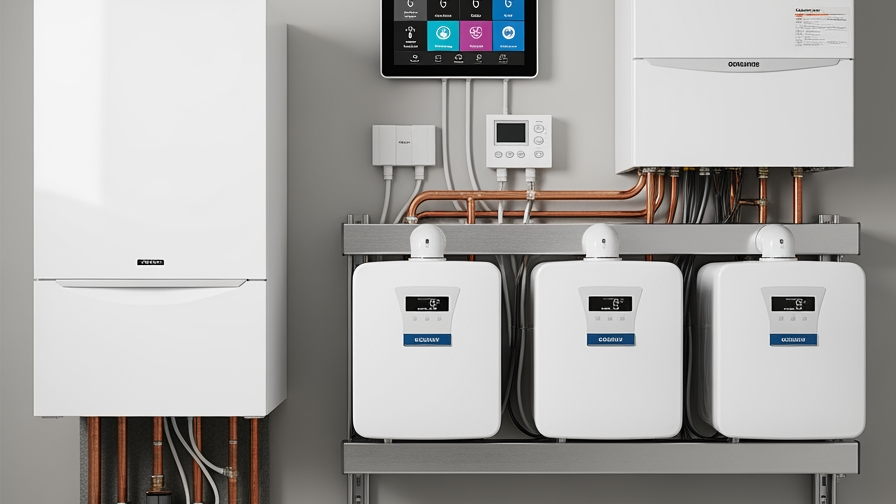
The heating landscape is transforming rapidly. Traditional single-boiler systems that served homes reliably for decades are now giving way to more sophisticated solutions. Homeowners increasingly seek heating installations that can adapt to changing needs, integrate with renewable technologies, and deliver superior efficiency. This shift has brought modular heating systems to the forefront of modern home heating design.
What Are Modular Heating Systems?
Modular heating systems represent a flexible approach to home comfort. Unlike conventional central heating that relies on a single large boiler, these systems utilise multiple smaller heating units or components that work together as an integrated network. Each module can operate independently or in coordination with others, providing unprecedented control over heating delivery.
The fundamental advantage lies in scalability. Homeowners can start with a basic configuration and expand capacity as requirements change. Adding a home extension, converting a loft, or accommodating a growing family no longer necessitates replacing the entire heating infrastructure. Additional modules integrate seamlessly with existing components, making future-proof home heating a practical reality rather than an expensive aspiration.
Adaptability to Changing Home Needs
Modern households evolve. Today's home office might become tomorrow's nursery. Teenagers eventually leave for university, creating different heating demands. Modular heating systems excel in these scenarios because they adapt without wholesale system replacement.
Zone-specific heating control eliminates the inefficiency of heating unused spaces. Ground floor modules can operate independently during daytime working hours, whilst upper floor units remain dormant. Evening routines might reverse this pattern. Smart thermostats communicate with individual modules, creating bespoke heating schedules that traditional systems cannot match.
Integration with smart home technology represents another adaptability dimension. Voice-activated controls, smartphone apps, and automated routines work seamlessly with modular configurations. Heating and Plumbing World offers comprehensive solutions that connect with existing smart home ecosystems, ensuring compatibility with future technological developments.
Energy Efficiency and Environmental Benefits
Energy waste remains a significant concern in UK households. Traditional systems heat entire properties regardless of actual occupancy patterns, consuming unnecessary fuel and increasing carbon emissions. Modular heating systems address this inefficiency through targeted heating delivery.
Each module operates only when needed, responding to real-time temperature data from specific zones. Bedrooms remain cool during working hours, whilst living spaces maintain comfortable temperatures. This precision reduces gas or oil consumption by 20-30% compared to conventional systems, delivering substantial cost savings over the system's lifespan.
Environmental considerations extend beyond immediate energy savings. Future-proof home heating must accommodate evolving regulations and sustainability targets. The UK government's commitment to net-zero emissions by 2050 will inevitably tighten residential heating standards. Modular systems provide the flexibility to integrate renewable technologies as they become more accessible, protecting homeowners from premature obsolescence.
Types of Modular Heating Solutions
Hybrid Systems
Hybrid configurations combine traditional boiler spares technology with renewable alternatives like air source heat pumps. The system intelligently selects the most efficient energy source based on outdoor temperature, electricity prices, and heating demand. Mild weather might favour heat pump operation, whilst extreme cold triggers gas boiler support.
This flexibility future-proofs the installation against fuel price volatility and regulatory changes. Homeowners reduce dependence on single fuel sources whilst maintaining heating reliability during peak demand periods.
Multi-Zone Systems
Multi-zone configurations divide properties into independent heating areas, each controlled by dedicated thermostats and modules. Occupants customise temperatures room by room, accommodating different comfort preferences and usage patterns. Expansion vessels maintain appropriate system pressure across multiple zones, ensuring efficient operation.
Wireless controls eliminate the complex wiring associated with traditional zoned systems. Battery-powered thermostats communicate via radio frequency, simplifying installation and reducing retrofit costs in existing properties.
Modular Boiler Banks
Commercial properties have utilised multiple smaller boilers for decades, recognising efficiency and reliability advantages. This approach is now gaining traction in larger residential properties. Three smaller boilers working in concert provide better turndown ratios than one large unit, matching heat output more precisely to demand.
Maintenance becomes less disruptive because individual units can be serviced whilst others continue operating. Component failure doesn't leave the household without heating - remaining modules compensate until repairs are completed. Worcester Bosch boiler spares ensure long-term parts availability for quality modular installations.
Installation and Compatibility Considerations
Transitioning to modular heating systems requires professional assessment. Existing pipework may need modification to accommodate multiple heating zones. Radiator sizing must match module output capabilities. Water treatment becomes more critical when multiple units share circulation systems.
Heating and Plumbing World provides comprehensive evaluation services, assessing property-specific requirements and recommending optimal configurations. Gas Safe registered engineers ensure installations meet safety standards whilst maximising efficiency potential.
Phased installation offers financial flexibility. Homeowners can implement basic modular infrastructure initially, adding zones and capacity incrementally as budget permits. This approach spreads costs whilst delivering immediate efficiency improvements.
Long-Term Value and Investment Returns
Initial investment in modular heating systems typically exceeds conventional replacements by 15-25%. However, total cost of ownership calculations reveal different conclusions. Reduced energy consumption recovers the premium within 5-7 years through lower utility bills.
Property value considerations add another dimension. Energy Performance Certificate ratings influence buyer decisions increasingly. Homes with future-proof home heating installations command premium prices, particularly as environmental awareness grows among purchasers.
Government incentives further improve investment returns. The Boiler Upgrade Scheme provides grants for low-carbon heating systems. Renewable Heat Incentive payments (where still applicable) offset installation costs. Homeowners should investigate available programmes before committing to specific technologies.
Maintenance and System Longevity
Modular configurations simplify maintenance compared to large single-boiler systems. Annual servicing focuses on individual modules rather than one complex unit. Component replacement costs less because smaller modules contain fewer expensive parts.
System longevity improves through reduced thermal stress. Individual modules operate closer to their optimal efficiency range rather than cycling between extremes. This gentler operation extends component lifespan, reducing long-term replacement costs.
Pressure relief valves, expansion vessels, and other critical components require regular inspection regardless of system type. However, modular installations allow targeted maintenance without affecting whole-house heating provision.
Smart Technology Integration
The Internet of Things has transformed heating control possibilities. Modern modular systems connect to home networks, enabling remote monitoring and control via smartphone applications. Homeowners adjust temperatures from anywhere, ensuring comfort upon arrival whilst avoiding unnecessary heating during absences.
Artificial intelligence algorithms learn occupancy patterns and weather forecasts, automatically optimising heating schedules. Machine learning identifies inefficiencies, alerting homeowners to potential issues before they become failures. This predictive maintenance capability reduces emergency breakdowns and extends equipment lifespan.
Voice control compatibility with Amazon Alexa, Google Home, and Apple HomeKit provides hands-free operation. Simple verbal commands adjust temperatures, override schedules, or activate economy modes without touching physical controls.
Meeting Future Environmental Regulations
Government policy increasingly favours low-carbon heating solutions. The planned phase-out of new gas boiler installations by 2035 signals fundamental change in residential heating approaches. Properties with modular heating systems can integrate heat pumps, solar thermal, or other renewable technologies without replacing entire infrastructures.
This adaptability protects homeowners from regulatory obsolescence. Future-proof home heating requires anticipating policy directions rather than reacting after implementation. Modular systems provide the architectural flexibility to embrace technological advances as they mature.
Carbon emission reporting may become mandatory for residential properties, similar to current requirements for large commercial buildings. Systems with detailed energy monitoring capabilities will simplify compliance whilst helping homeowners optimise efficiency.
Choosing the Right Configuration
Property size, occupancy patterns, and existing infrastructure all influence optimal modular heating system design. Professional consultation ensures configurations match specific requirements rather than applying generic solutions.
Single-storey properties might benefit from lateral zoning, separating living areas from bedrooms. Multi-storey homes typically zone by floor level, accounting for natural heat rise. Large properties might require hybrid approaches combining multiple strategies.
Budget considerations affect implementation timelines. Phased installations allow homeowners to prioritise high-use areas initially, expanding coverage as finances permit. This flexibility makes advanced heating technology accessible to broader audiences.
Taking the Next Step
Future-proofing residential heating requires thoughtful planning and professional expertise. Modular heating systems deliver the adaptability, efficiency, and longevity that modern homeowners demand. Whether building new or retrofitting existing properties, these configurations protect against technological obsolescence whilst reducing environmental impact.
Transitioning to modular heating systems represents a significant decision. Professional guidance ensures optimal outcomes tailored to specific property characteristics and household needs. Contact us to discuss how modular heating solutions can future-proof your home whilst improving comfort and reducing energy costs.