

G3 Unvented Cylinder Installation: Competency Requirements And Training
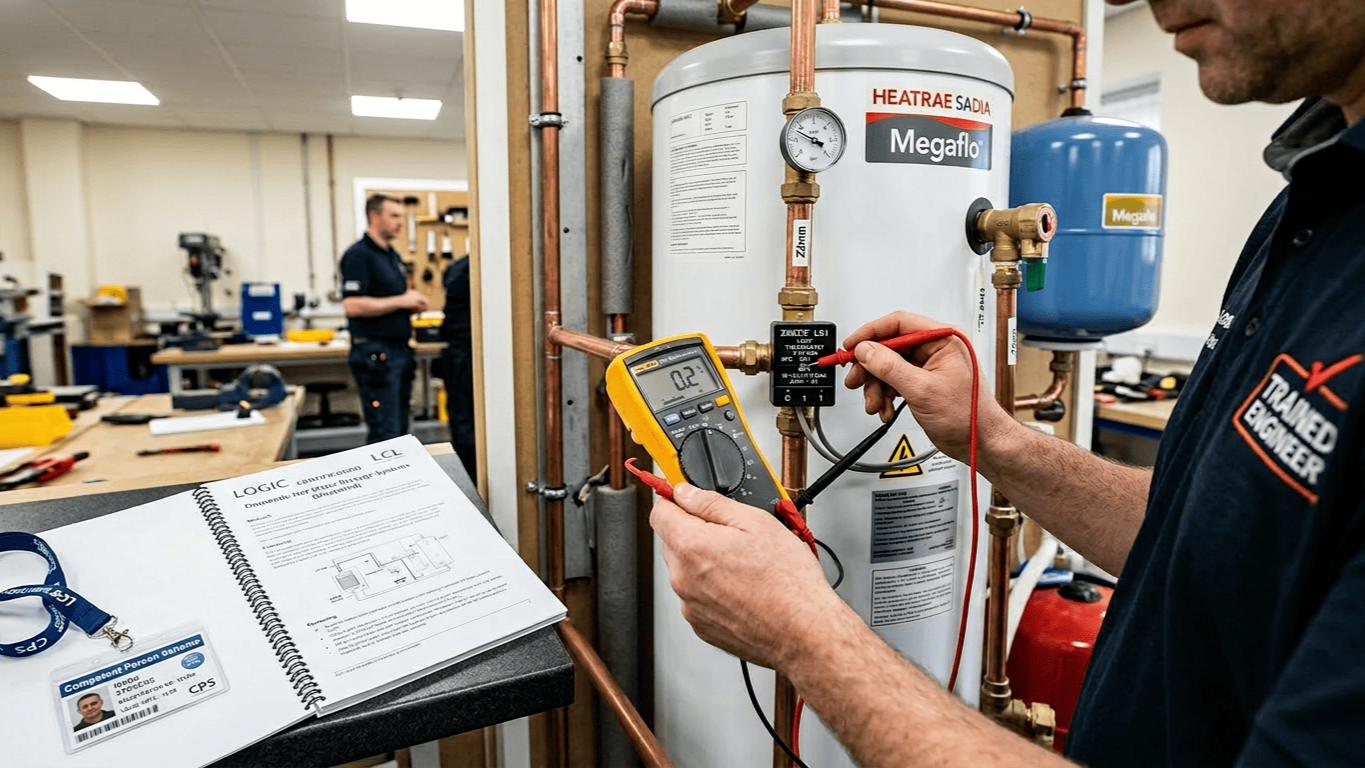
You can't just wake up one morning and decide to execute a g3 unvented cylinder installation. The law strictly won't let you, and your insurer definitely won't cover you. These systems operate at high mains pressure, which means things can go catastrophically wrong. We are talking about superheated water under massive pressure, which can turn a domestic property into a disaster zone in minutes.
The specific qualification exists for one incredibly simple reason. It stops incompetent installations from killing people. It isn't just frustrating bureaucratic red tape. It is a strict legal requirement, and every legitimate heating engineer knows it is completely non-negotiable.
If you are working in the trade, understanding this competency framework isn't optional. It is absolutely fundamental to operating legally, safely, and professionally.
What Makes Unvented Cylinders Different
Traditional vented cylinders rely on a cold water storage tank safely located in the loft. They use an open vent pipe that naturally prevents massive pressure build-up. Conversely, unvented systems connect directly to your mains supply. They store hot water under serious pressure without any open vent at all.
Think of your basic plumbing qualifications like a standard car driving licence. Conversely, a g3 unvented cylinder installation requires the equivalent of an HGV licence. Just because you can safely drive a hatchback doesn't automatically mean you are qualified to navigate a massive articulated lorry.
The pressure inside an unvented cylinder can easily exceed 3 bar. Water heated to 65°C under that pressure represents incredibly massive stored energy. You absolutely must know how to control that energy properly.
The Legal Framework Behind G3
To ensure public safety, building regulations approved document g3 sets out the strict legal requirements across England and Wales. Only fully competent persons may install, commission, or service these highly pressurised systems. That professional competency must be completely demonstrable through recognised certification.
Any mechanical work that involves disconnecting safety devices or modifying the system requires this specific training. Your insurance absolutely will not pay out if an unqualified person touches the system. Furthermore, local authorities have the power to inspect installations and boldly demand concrete evidence of your competency.
In daily practice, most domestic work falls under a competent person scheme registration. These helpful schemes automatically notify Building Control about the job, provided you hold the correct qualifications.
What The G3 Qualification Actually Covers
The standard training isn't just a quick afternoon session involving a few simple slides. Proper training runs for a full day minimum, depending on your chosen provider. The comprehensive syllabus must cover very specific technical and regulatory content thoroughly.
A quality training course will always include the following critical elements:
- Strict legal requirements outlined in building regulations approved document g3.
- Detailed system design principles and component functions.
- Practical hydraulic principles training to understand water behaviour under pressure.
- Thorough fault diagnosis and rigorous system maintenance requirements.
You will work with actual physical cylinders during your training. Competent training providers use live, pressurised systems to demonstrate exactly how safety components interact.
Who Needs G3 Certification
Any heating engineer installing or servicing unvented cylinders urgently needs this exact certification. That rule firmly includes self-employed plumbers and maintenance technicians working in commercial settings.
Gas Safe registered engineers often incorrectly assume their core ticket automatically covers unvented work. However, you need separate unvented certification even when installing a large AIC Nesta 100kW condensing boiler. The two distinct qualifications complement each other beautifully but are never interchangeable.
Electricians installing electric-only cylinders also face this exact same legal requirement. Your electrical qualifications legally permit you to wire the heater. However, you desperately need specific plumbing expertise for the pressurised cylinder itself. That is exactly why the course focuses heavily on proper hydraulic principles training rather than basic electrical content.
Training Providers And Course Selection
Multiple trusted organisations offer this essential training across the country. You should always look for courses thoroughly approved by highly recognised industry bodies.
Certificates from BPEC or standard logic certification are widely accepted across the entire plumbing industry. These specific awarding bodies guarantee your training meets all demanding legal standards. Furthermore, acquiring proper logic certification ensures you can secure your competent person scheme registration without any frustrating administrative headaches.
Course costs typically range from £250 to £400 for a comprehensive one-day programme. That incredibly modest cost is absolutely nothing compared to the massive liability you assume by operating without proper training.
Direct vs Indirect Systems
Training distinguishes very carefully between direct and indirect setups. Understanding an indirect unvented cylinder design matters immensely because the safety considerations vary slightly between models.
An indirect unvented cylinder design uses a clever heat exchanger coil inside the main cylinder. Hot water from an external boiler flows rapidly through this coil to transfer heat safely. Conversely, direct cylinders heat the stored water directly using internal electric immersion heaters.
Most modern installations use the indirect method because it pairs perfectly with high-efficiency boilers. For instance, combining this modern setup with a Kingspan indirect Combi Fortic tank delivers excellent, reliable daily performance.
Key Safety Components You Must Understand
An unvented cylinder operating without properly functioning safety devices is a massive liability waiting to explode. The training rigorously drills these components into you because getting them wrong has truly devastating consequences.
The core safety components include:
- Expansion vessels: These safely absorb the increased volume when water naturally heats up.
- Temperature relief valves: These valves discharge scalding water safely if the cylinder over-heats.
- Pressure relief valves: These open immediately when the overall system pressure exceeds safe limits.
On a recent emergency callout, I found a cylinder installed by an unqualified builder who completely omitted the visible tundish. The pressure relief valve failed, silently flooding the cavity wall for weeks until the ceiling totally collapsed. The homeowner's insurance refused to pay a single penny because there was absolutely no competent person scheme registration on file for the job.
To prevent these horrific disasters, always source reliable trade heating supplies and never cut corners on your safety components.
The Installation Process
Installing these systems isn't dramatically different from standard plumbing, but the technical details matter enormously. A proper g3 unvented cylinder installation requires you to follow incredibly strict assessment protocols.
Site assessment always comes first. You need adequate mains pressure and a high flow rate before accurately quoting the job. Careful positioning also matters immensely for ensuring future maintenance access.
During final commissioning, you will meticulously test each safety device and verify expansion vessel pressures. You might also integrate modern smart controls like a wireless combi pack or verify combustion parts like an Ecoflam gas burner. This thorough commissioning phase is a strict legal requirement that you cannot ignore.
Ongoing Competency And Refresher Training
Your initial certification doesn't officially expire in the traditional sense. However, the plumbing industry expects you to constantly maintain current knowledge. Regulations change frequently, and product designs evolve rapidly.
Most competent schemes require solid evidence of continued professional development. For example, you might need to learn how to properly service a new Worcester boiler fan assembly or master updated sensor technologies.
The smartest approach is to treat your initial qualification as a solid, dependable foundation. You should continuously build upon it through daily practical experience and proactive ongoing learning.
What Happens Without Proper Qualification
Operating without proper certification is completely illegal and instantly exposes you to serious personal liability. Building Control can easily prosecute you for executing non-compliant plumbing work. You will likely receive strict enforcement notices requiring extremely expensive remedial work.
The massive risks of unqualified work include:
- Your business insurance will instantly deny coverage for any resulting property damage.
- You become personally liable for all repair costs and potential injury claims.
- Your professional reputation in the local trade will be completely destroyed.
Conclusion
This vital qualification isn't a frustrating bureaucratic hurdle meant to slow you down. It is the professional standard that permanently separates competent heating engineers from highly dangerous amateurs. Unvented cylinders simply pose too many genuine risks when installed incorrectly.
The initial training investment is incredibly modest compared to the lucrative commercial work opportunities it permanently unlocks. Whether you are expanding your capabilities or just entering the trade, acquiring proper training is completely non-negotiable.
Please contact our technical team today if you need advice on sourcing approved components for your next major installation project.