

Gas Fire Burner Replacement: Signs It's Time to Change
Your gas fire has been the heart of your living room for years, providing warmth and ambience during those chilly British evenings. But lately, you've noticed something's not quite right. Perhaps the flames look different, or there's an odd smell when you switch it on. These subtle changes often signal that your gas fire burner might be reaching the end of its working life.
Gas fire burners don't last forever. Even with proper maintenance, they eventually wear down from constant exposure to heat and combustion. Recognising the warning signs early can save you from inefficient heating, higher energy bills, and potential safety hazards. Understanding when gas fire burner replacement becomes necessary protects both your family's safety and your heating investment.
What Actually Happens When a Gas Fire Burner Wears Out
Gas fire burners operate under extreme conditions. The continuous cycle of heating and cooling causes metal fatigue over time. The burner's ports, where flames emerge, gradually accumulate deposits from combustion. These deposits restrict gas flow and alter flame patterns.
The ceramic components within many modern gas fires also degrade. Thermal shock from repeated heating cycles causes microscopic cracks. These cracks expand over time, eventually compromising the burner's structural integrity and efficiency.
Corrosion presents another challenge. Moisture in the gas supply or condensation from combustion products can corrode burner components. This corrosion creates rough surfaces that disrupt proper gas flow and combustion. Think of it like arteries becoming blocked; the pathway still exists, but flow becomes restricted and inefficient.
Most gas fire burners have a realistic lifespan of 10 to 15 years with regular use. However, this varies based on usage patterns, maintenance quality, and the original build quality. A burner used daily throughout winter will wear faster than one used occasionally.
Visible Flame Changes That Signal Problems
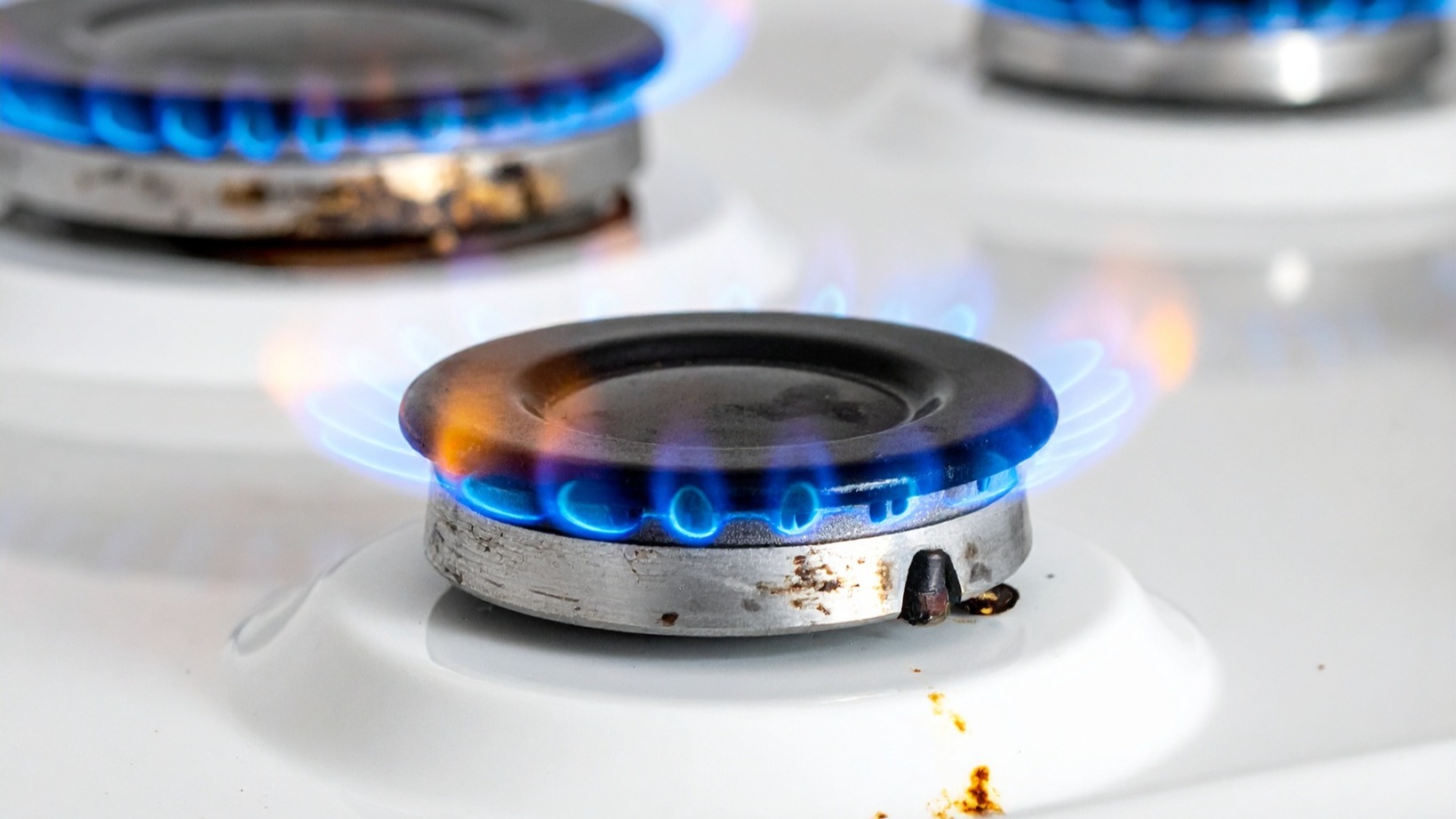
The flames in your gas fire should burn with a consistent blue colour, tipped with yellow or orange depending on your fire's design. When burners deteriorate, flame characteristics change noticeably.
Yellow or orange flames throughout indicate incomplete combustion. This happens when burner ports become blocked or damaged, restricting oxygen flow. Incomplete combustion reduces heat output and produces carbon monoxide, a dangerous colourless, odourless gas.
Flickering or dancing flames when there's no draught suggest uneven gas distribution through damaged burner ports. The flames might appear to "jump" or change height randomly.
Flames lifting away from the burner create gaps between the burner surface and flame base. This occurs when gas velocity increases due to port damage or when the burner's ceramic components crack.
Sooty black marks on the fire's ceramic components or glass front indicate poor combustion. When burners wear out, they can't mix gas and air properly, producing soot that deposits on surrounding surfaces.
If you're experiencing these flame issues, it's worth checking whether other heating components from Heating and Plumbing World might need attention alongside the burner replacement.
Unusual Smells and What They Mean
A properly functioning gas fire should produce minimal odour. The distinct smell added to natural gas (mercaptan) should only be noticeable briefly when you first light the fire. Persistent or unusual smells warrant immediate attention.
Sulphurous or rotten egg smell indicates a gas leak. Turn off the gas supply immediately, ventilate the room, and contact a Gas Safe registered engineer. Don't attempt to investigate or fix this yourself.
Burning dust smell at the start of the heating season is normal. However, if this smell persists after several hours of use, it suggests dust or debris has accumulated in areas it shouldn't, possibly due to burner damage creating unusual air currents.
Chemical or plastic smell might indicate that components near the burner are overheating due to inefficient combustion. Worn burners produce more heat in concentrated areas, potentially affecting surrounding materials.
A musty or damp smell can develop when moisture accumulates in the fire due to poor combustion. This moisture comes from incomplete burning of gas, which produces water vapour that condenses on cooler surfaces.
Performance Issues That Point to Burner Problems
Beyond visible and olfactory signs, you'll notice functional changes when a burner deteriorates.
Reduced heat output is one of the most common complaints. If you find yourself turning the gas fire up higher to achieve the same warmth, the burner likely can't combust gas efficiently anymore. Blocked or damaged ports reduce the flame intensity and heat production.
Difficulty lighting or needing multiple attempts to ignite the fire suggests the burner ports aren't distributing gas evenly. Some areas might ignite whilst others remain unlit, causing the safety system to shut down the gas supply.
Frequent shutdowns triggered by the safety systems indicate combustion issues. Modern gas fires have oxygen depletion sensors and flame failure devices. When burners wear out, they can trigger these safety mechanisms more frequently.
Increased gas consumption without a corresponding heat increase means you're burning more fuel for less warmth. This inefficiency directly impacts your energy bills and suggests the burner can't convert gas to heat effectively.
A family in Surrey ignored these performance issues for an entire heating season, assuming their gas fire was simply "getting old." When they finally called an engineer, measurements showed the burner was operating at just 60% efficiency. Their gas bills had increased by 35% compared to the previous year, money wasted on incomplete combustion that a £280 burner replacement would have prevented.
Physical Damage You Can See
Some burner deterioration is visible during a simple inspection. Before examining your gas fire, ensure it's turned off and completely cool.
Cracks in ceramic components appear as visible lines across the burner surface or decorative elements. These cracks compromise the burner's ability to distribute heat evenly and can worsen rapidly.
Corroded or discoloured metal on the burner itself indicates oxidation damage. The burner might show rust spots, pitting, or areas where the metal has changed colour from its original finish.
Broken or missing burner ports are sometimes visible as damaged holes where flames should emerge. These damaged ports create uneven flame patterns and reduce efficiency.
Warped or bent components suggest the burner has been exposed to excessive heat, possibly from inefficient combustion, creating hot spots. Warping prevents proper gas flow and can create dangerous combustion conditions.
Debris accumulation that can't be cleaned away might indicate the burner surface has degraded, creating rough areas where soot and deposits adhere more readily.
If you're inspecting your gas fire and notice these issues, it's worth considering a complete assessment of your heating system, including checking whether other components like expansion vessels from Altecnic need attention.
The Carbon Monoxide Risk
Carbon monoxide (CO) poisoning is the most serious risk associated with faulty gas fire burners. This colourless, odourless gas forms when combustion is incomplete, which happens when burners deteriorate.
CO detectors in rooms with gas fires are essential, not optional. These devices provide early warning of dangerous CO levels before symptoms appear. Test your CO detector monthly and replace it according to manufacturer recommendations, typically every 5-7 years.
Early CO exposure symptoms include headaches, dizziness, nausea, tiredness, and confusion. These symptoms often mimic flu but without the fever. If multiple household members experience these symptoms simultaneously, especially when the gas fire is operating, CO exposure is likely.
Severe CO poisoning causes loss of consciousness, long-term neurological damage, and can be fatal. Every year in the UK, approximately 50 people die from accidental CO poisoning, with many cases linked to faulty gas appliances.
Gas Safe regulations require annual inspections of all gas appliances, including gas fires. During these inspections, engineers test combustion quality and CO production. They'll measure CO levels in the flue gases; readings above 100 parts per million indicate problems requiring immediate attention.
Don't ignore CO detector warnings or symptoms. Evacuate immediately and call the National Gas Emergency Service on 0800 111 999. The burner replacement cost pales in comparison to the health risks of continued operation with faulty combustion.
Gas Burner Replacement Cost vs. Complete Fire Replacement
When your engineer identifies a faulty burner, you face a choice: replace just the burner or the entire gas fire. The right decision depends on the fire's age, condition, and your circumstances.
Burner replacement costs typically range from £200 to £500, including parts and labour. This varies based on the gas fire model and burner complexity. Decorative burners with realistic log or coal effects cost more than simple designs.
Complete gas fire replacement starts around £800-£1,500 for basic models, reaching £3,000+ for premium fires. Installation adds £300-£600, depending on complexity and whether flue work is needed.
The calculation depends on several factors:
If your gas fire is less than 10 years old, functions well apart from the burner, and you're satisfied with its appearance and heat output, burner replacement makes economic sense.
If the fire is over 15 years old, shows other wear signs, or you've wanted to upgrade anyway, complete replacement offers better long-term value. Modern gas fires are significantly more efficient, potentially reducing heating costs by 20-30%.
Consider also that replacing an old gas fire with a modern equivalent might qualify for energy efficiency incentives or grants, partially offsetting the higher initial cost.
Choosing Quality Replacement Parts
Not all replacement burners offer the same quality or longevity. When discussing options with your engineer, consider these factors:
Manufacturer's original parts guarantee compatibility and performance. They're designed specifically for your gas fire model and meet the manufacturer's specifications exactly. Whilst sometimes more expensive, they eliminate compatibility concerns.
Approved aftermarket alternatives from reputable suppliers can offer good value. These parts meet British Standards and safety requirements but cost less than original equipment. Your engineer can advise whether quality aftermarket options exist for your model.
Material quality affects longevity. Burners using higher-grade ceramics and corrosion-resistant metals last longer, especially in demanding applications. Discuss material specifications with your engineer.
Warranty coverage varies between suppliers. Quality replacement burners typically include at least a 12-month warranty. This protects you if the part proves defective.
Quality burners and components from established manufacturers ensure your heating system operates efficiently and safely. Brands like Grundfos and Danfoss are known for reliability and performance in heating applications.
Preventing Premature Burner Wear
Whilst burners eventually wear out, proper maintenance extends their lifespan significantly.
Annual servicing by a Gas Safe registered engineer catches problems early. The engineer cleans burner ports, checks combustion quality, and adjusts the flame picture. This maintenance prevents small issues from becoming major failures.
Proper ventilation ensures complete combustion. Never block air vents or grilles around your gas fire. These vents supply the oxygen needed for clean burning. Restricted airflow causes incomplete combustion, producing soot that accelerates burner deterioration.
Quality fuel supply matters more than many realise. Ensure your gas supply is properly filtered and regulated. Contaminants in the gas supply can deposit on burner ports, restricting flow and damaging components.
Gradual temperature changes reduce thermal shock. When lighting your gas fire, start at a lower setting and increase gradually rather than immediately turning to maximum. Similarly, reduce the setting before turning off rather than switching from high to off instantly.
Keep the area clean. Dust and debris drawn into the gas fire can accumulate on burner components. Regular vacuuming around the fire and keeping nearby surfaces clean reduces this contamination.
When to Call a Professional
Some situations require immediate professional attention rather than waiting for scheduled maintenance.
A gas smell at any time demands immediate action. Turn off the gas supply at the meter, ventilate the property, evacuate everyone, and call the National Gas Emergency Service on 0800 111 999. Don't attempt to locate or fix the leak yourself.
CO detector alarm requires the same response. Evacuate immediately, ventilate the property, and don't return until a Gas Safe engineer has inspected and rectified the problem.
Sudden performance changes like the fire going out repeatedly, flames changing colour dramatically, or unusual noises warrant prompt investigation. These changes might indicate serious problems developing.
After any building work near the gas fire or flue, have the system inspected. Construction vibrations, dust, or accidental damage can affect gas fire operation in ways that aren't immediately obvious.
Before each heating season, if the fire hasn't been used for months, have it inspected before regular use. Components can deteriorate during idle periods, especially in damp conditions.
Finding a qualified engineer is straightforward. Check the Gas Safe Register online to verify credentials. All legitimate gas engineers carry a Gas Safe ID card showing their photograph and the types of gas work they're qualified to perform.
Making the Decision
Deciding whether to replace your gas fire burner involves balancing safety, efficiency, and cost considerations.
Safety must be the primary concern. If you've noticed any warning signs discussed, particularly flame changes, unusual smells, or CO detector alerts, arrange an inspection immediately. The risk of continued operation with a faulty burner far outweighs the cost of professional assessment.
Efficiency affects your ongoing costs. A deteriorating burner wastes fuel and money. If you've noticed your gas consumption increasing without explanation, burner problems might be responsible. The savings from improved efficiency can offset gas burner replacement costs within a few heating seasons.
Comfort matters too. If your gas fire no longer heats your space adequately, you're not getting the benefit you should from your heating investment. Restoring proper function through burner replacement or complete unit replacement improves your home comfort significantly.
The decision becomes clearer with professional input. A Gas Safe registered engineer can assess your specific situation, test combustion quality, measure efficiency, and provide honest advice about whether repair or replacement makes more sense for your circumstances.
For technical guidance on gas fire maintenance or replacement components, contact us for expert support.
Protecting Your Investment and Safety
Your gas fire burner works hard to keep your home warm and comfortable. Recognising when gas fire burner replacement becomes necessary protects your family's safety, maintains heating efficiency, and prevents costly emergency repairs.
Watch for the warning signs: changes in flame colour or pattern, unusual smells, reduced heat output, difficulty lighting, and visible damage to burner components. Any of these symptoms warrants professional inspection. Age alone justifies replacement for burners over 10-15 years old, even without obvious problems.
Carbon monoxide risks make burner condition a safety issue, not just a comfort concern. CO detectors provide essential protection, but they're a warning system, not a solution. Addressing burner problems promptly prevents dangerous situations from developing.
When the time comes for replacement, work with a Gas Safe-registered engineer who can properly assess your needs, source quality replacement parts, and ensure safe installation. The investment in professional service and quality components pays dividends in safety, efficiency, and peace of mind.
Whether you need replacement burners, control systems from EPH Controls, or other heating components, choosing quality parts from established manufacturers ensures reliable performance for years to come. Your gas fire is an important part of your home's heating system. Treating it with the attention it deserves keeps your family safe and comfortable throughout the coldest months.